






A Technical Overview of Timber Framing Connectors and Structural Integrity
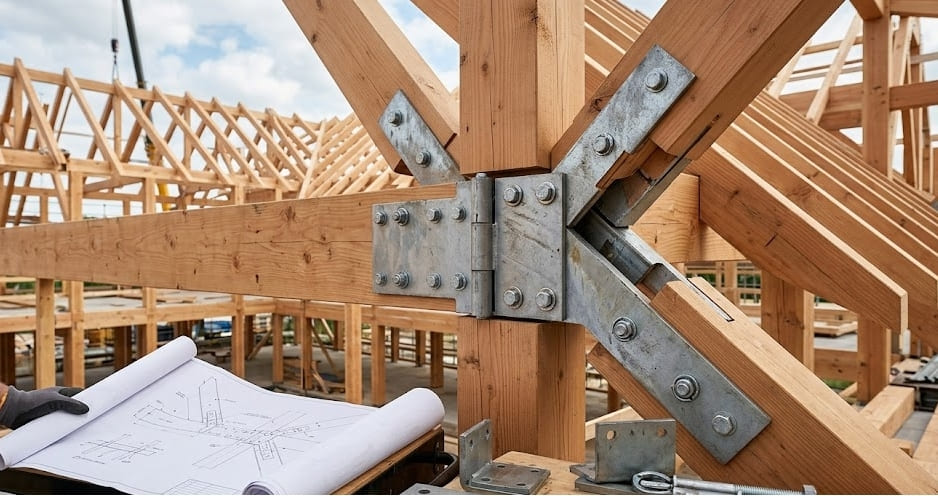
The firmness of any wood setup relies solely on its joining spots. As current building moves toward greener, better-working wood plans, the value of hardware that links frame parts grows ever clearer. In works from home roof supports to wide business shelters, the output of the whole setup rests on the care and worth of structural timber connectors. Plenty of builders miss the key part these pieces play. They see them as side items instead of the base of frame safety. This tech review looks at how focused timber framing connectors keep a steady hold, weight-carrying skill, and fight against weather strain. It aids you in smart picks for your coming build work.
What Are Timber Connectors and Why Do They Matter?
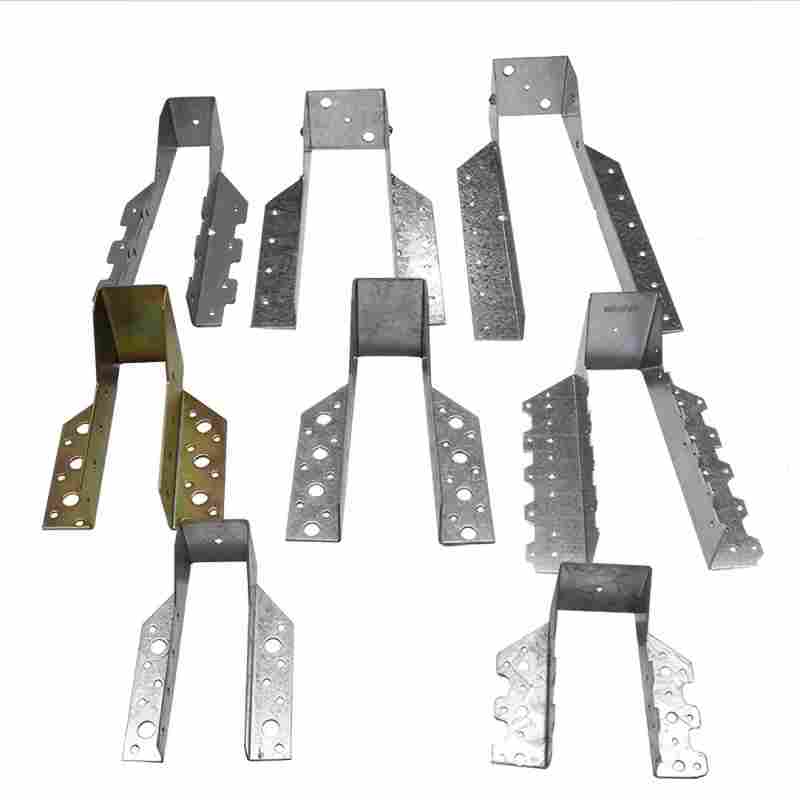
At the basic core, timber connectors serve as targeted hardware pieces built to strengthen the links between wood parts like beams, roof beams, main supports, and uprights. Their main job is to aid firm weight pass. They stop turns and frame breakdowns in wood setups. In building, these pieces work as the key tie that keeps the design plan stiff under different strain types.
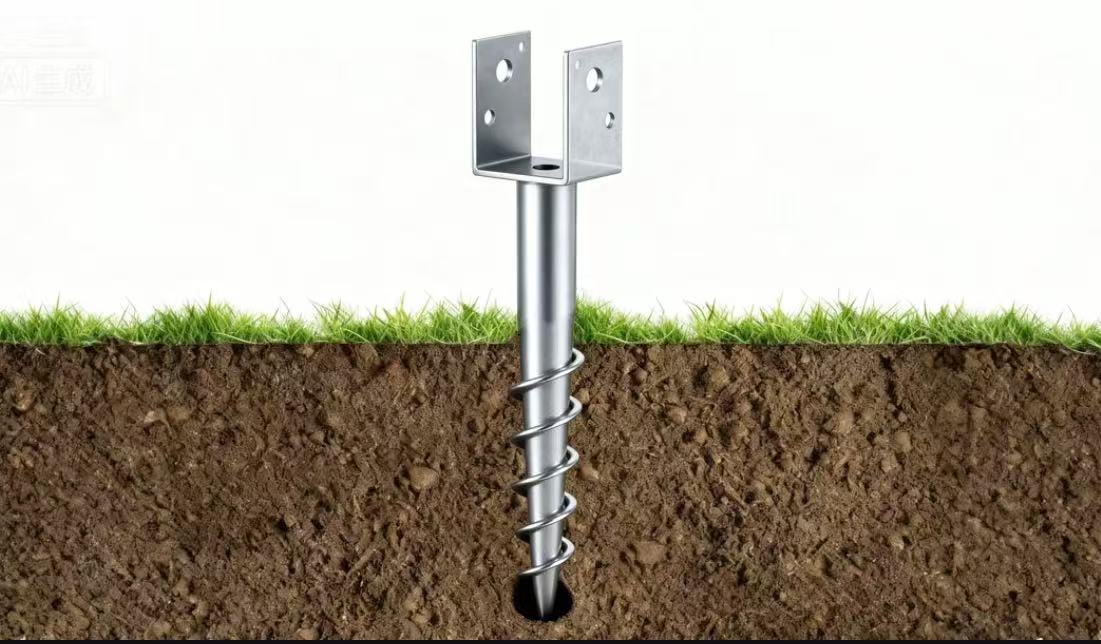
The design effect proves strong. By using solid steel, these connectors offer good weight-holding power and impact strength. Unlike old joinery ways, which can weaken the wood by cutting out big chunks of wood, current connectors spread out forces in even ways. As a result, they keep the frame worth of the wood. Plus, the material know-how in these parts often calls for fine steel handled with hot-dip galvanization or electro-galvanization. This gives them the needed lasting power for ongoing use.
Why Is Structural Integrity Dependent on High-Quality Connectors?
Frame firmness does not stay fixed. It holds through the fight against the weather and machine wear. Fine wood timber connectors are built to handle harsh settings. Thus, they make sure a building stays safe over its full work time.
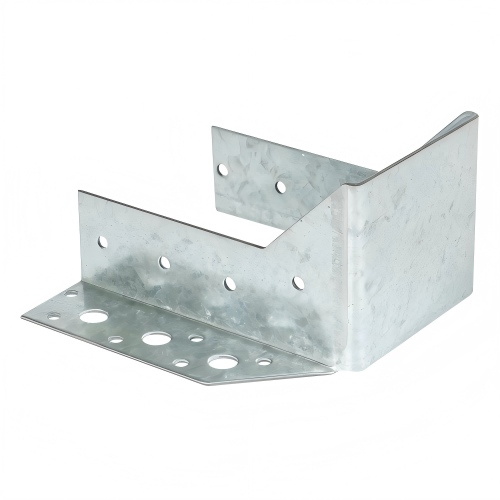
- Rust Fight: Weather contact stands as the biggest risk to hardware. Timber connectors with solid galvanized covers, especially hot-dip galvanization at 60–85μm thick, prove key for dodging output drop. This guard level brings a work time of 10 to 15 years in open-air spots. It stops the rust and chemical wear that hits poor items.
- Weight-Carrying Output: Timber framing connectors need to hit tight frame safety rules. Items made with solid steel can reach weight-holding levels from 500N to 5000N. This shifts by the exact type and use. Such trust matters in areas hit by heavy snow or strong winds.
- Weather Toughness: Since these connectors fit in varied places, they must stay firm over broad heat ranges, often from -40℃ to 80℃. A solid galvanized cover keeps its worth in both cold freeze and damp spots. Therefore, the link does not slacken or break as time goes on.
To grasp the pick rules better, the next table lists the main tech traits and their gains:
|
Feature Category |
Technical Specification |
Benefit to Project |
|
Material Grade |
High-grade Q235 Steel |
Provides excellent structural strength |
|
Surface Finish |
Hot-dip Galvanized (60-85μm) |
Superior corrosion and rust resistance |
|
Precision Design |
Standardized hole positions |
Simplifies installation and alignment |
|
Thermal Stability |
-40℃ to 80℃ working range |
Reliable in extreme climate conditions |
|
Load Capacity |
500N – 5000N |
Ensures safety under mechanical stress |
How to Select the Right Structural Timber Connectors?
Picking the fitting hardware means a series of steps. It calls for checking the exact wants of your build. If you deal with beam supports, roof ties, main supports, or angle pieces, the choice must follow weight needs and weather factors.
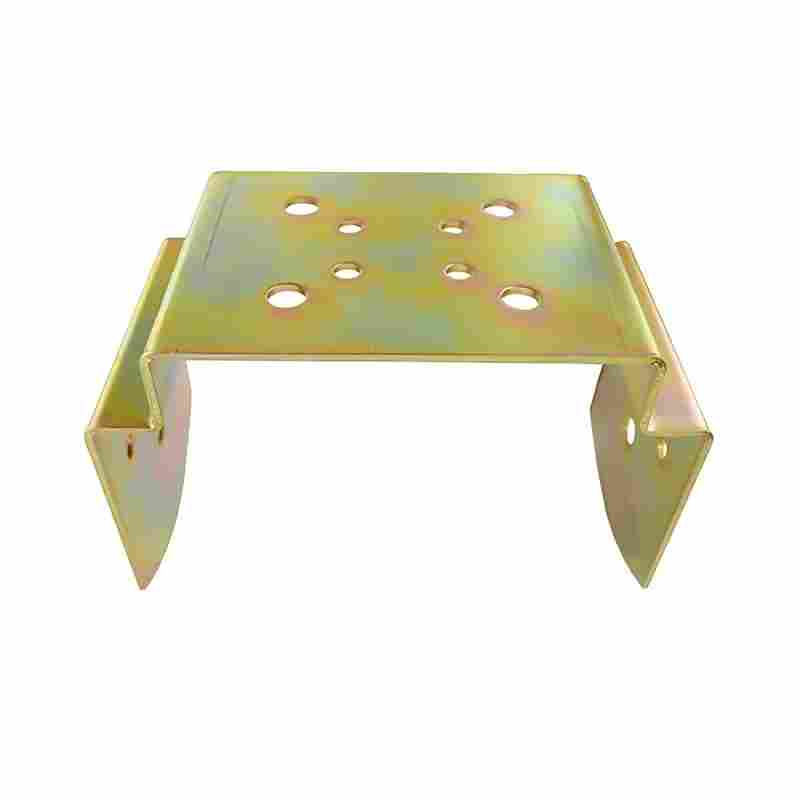
Start by thinking about the use case. For home building, like roof support links and deck frames, structural metal timber connectors must manage big up and side forces. In business buildings, where setups might hold showy wood shelters or big walls, the look side may count as much as the weight power. This means you need clean, careful designs.
Next, make sure of the tech match. Always check that your picked timber connectors follow world rules like ASTM or DIN. These guides confirm that the hardware has been tested for output and safety. When handling special or seaside works, do not hold back from asking for changes. Trusted makers can give stronger covers, like galvanization to 100μm, or set sizes to fit odd wood part measures. Such steps prove vital for works that stray from usual design plans.
What Are the Best Practices for Installing Timber Framing Connectors?
The right setup counts as much as the hardware’s worth. Careful lining up stands first. Set hole spots aim to ease setup. Yet, they need the right use to guarantee a full match with wood parts.
When setting up structural timber connectors, it proves key to pick matching galvanized screws. Wrong fasteners can cause metal rust, which hurts the link as time passes. Also, skip hard-hit tools that could nick or mark the galvanized cover. If the cover gets hurt in setup, fix it right away with a galvanized fix spray. This keeps the rust fight strong.
Care knowledge also aids long-term frame win. Rust-fight oils can help keep the screw tightness. In turn, this makes sure the link stays firm over the setup’s full life.
How to Verify the Quality and Reliability of Timber Connectors?
Checking the worth of your timber connectors stands as a needed step for risk cut. The surest way to do this comes through outside testing. Makers should hand over weight-holding test papers, often done by ASTM D1761 rules. These papers note the top force the connector can take without shape change.
Past plain facts, seek a proven history. Real-use case reviews act as the top proof of trust. For one, known suppliers have backed big home works well. There, thousands of galvanized connectors went in without one case of frame slack or rust after years of work. When a maker gives post-sale help, setup training, and clear item promise times, it shows they back their timber framing connectors’worth.
Conclusion
Gaining frame firmness in wood building needs a strict way to pick hardware. By putting strong structural timber connectors first, builders can make sure of lasting safety, toughness, and weight-carrying skill in their setups. From the careful design of hole patterns to the depth of the galvanized guard layer, each tech point adds to the building’s full bounce-back power. Putting money in these needed pieces not only cuts long-run care costs but also brings the calm that the setup meets the rules. For those looking for trusted, fine timber connectors, checking the tech lists from field pros like STRZ can give the right answers to face any build task with sure hold and frame guard.
FAQ
Q: What is the difference between hot-dip and electro-galvanized timber connectors?
A: Hot-dip galvanized connectors feature a thicker zinc layer (60–85μm). This setup brings better rust fight, fitted for open-air and damp spots. Electro-galvanized connectors hold a slimmer layer (8–15μm). They tend to cost less for inside, dry uses.
Q: How can I ensure the load-bearing capacity of my structural timber connectors?
A: Make sure to ask for a test paper on your exact group of items. It should check against ASTM D1761 rules. Known makers run these checks to confirm their connectors hit the needed strength marks for different build cases.
Q: Are these connectors compatible with all types of wood?
A: Yes, they work with the most common woods like pine, oak, and cedar. Still, when using thick hardwoods such as teak, it helps to drill holes first. This stops wood splits in the setup.
Q: What should I do if the galvanized coating is scratched during installation?
A: Small marks can happen in the hand setup. The best step is to use a galvanized fix spray right away on the hit spot. This keeps the steel base safe from rust and wear.
Q: How long is the typical service life of high-quality timber connectors?
A: When picked and set right, fine hot-dip galvanized timber connectors can give a work time of 10 to 15 years in open-air spots. Good care and matching fasteners will aid in hitting this goal length.

 Consult
 Whatsapp
 Leave Message
 top
top