






Practical Preparation Tips for a Seamless Ground Screws Installation
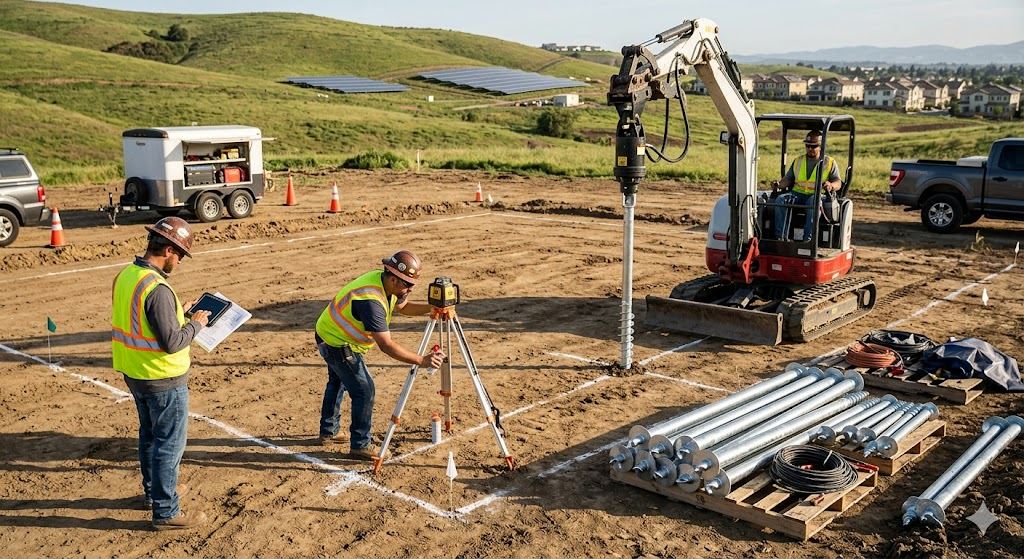
Foundation technology has changed a lot lately. It now focuses on eco-friendly, effective, and strong options. For building projects from home decks to big solar fields, the ground screws installation method stands out as a better choice than old-school concrete work. Builders use a sturdy Ground Screw to get instant support without harming the environment or waiting for concrete to dry. Still, any helical foundation works well only if you prepare carefully and know how the steel parts interact with the ground’s soil type.
Getting a smooth outcome needs more than good materials. It calls for smart planning in checking the site and picking the right tools. If you’re putting in a screw-in fence post anchor for a yard job or using tough anchors for factory setups, sticking to basic prep steps guarantees long-lasting strength and security. This expert guide breaks down the key prep stages, specs, and nature-related factors for top-notch work.
Why is Proper Preparation Critical for a Successful Ground Screws Installation?
The main benefit of a ground screws installation lies in its dependable mechanics. Unlike concrete that depends on weight and coverage, a metal screw ground anchor gains steadiness from twisting into the earth and the grip from its spiral edges. If you skip good prep, unseen barriers below ground, or wrong guesses about soil firmness, they might cause crooked placement or a weak hold against pulling out.
Prep also affects how quickly a project finishes. Smart planning gives you the option to “install-use-remove” easily, and that’s key for short-term setups like event tents or prefab homes. Real examples in landscaping and building show that a 4×3 meter shed on uneven land can wrap up in just one day if the spot is marked right and checked ahead of time. Plus, early checks avoid cutting into buried pipes, so the whole process stays neat and safe.
How Do You Choose Between a Metal Screw Ground Anchor and a Screw-in Fence Post Anchor?
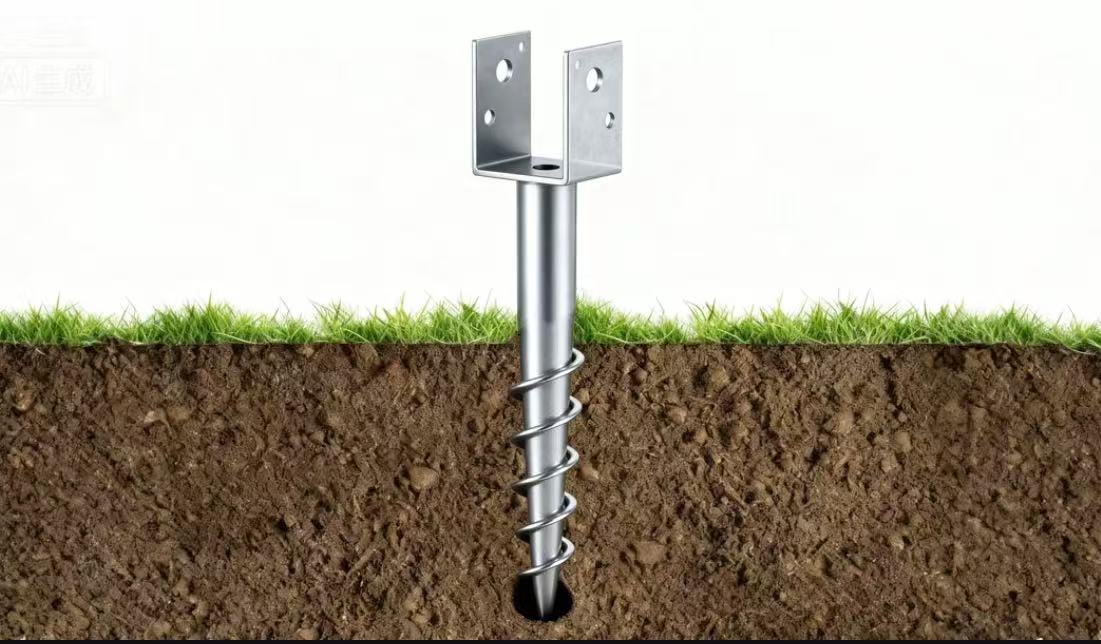
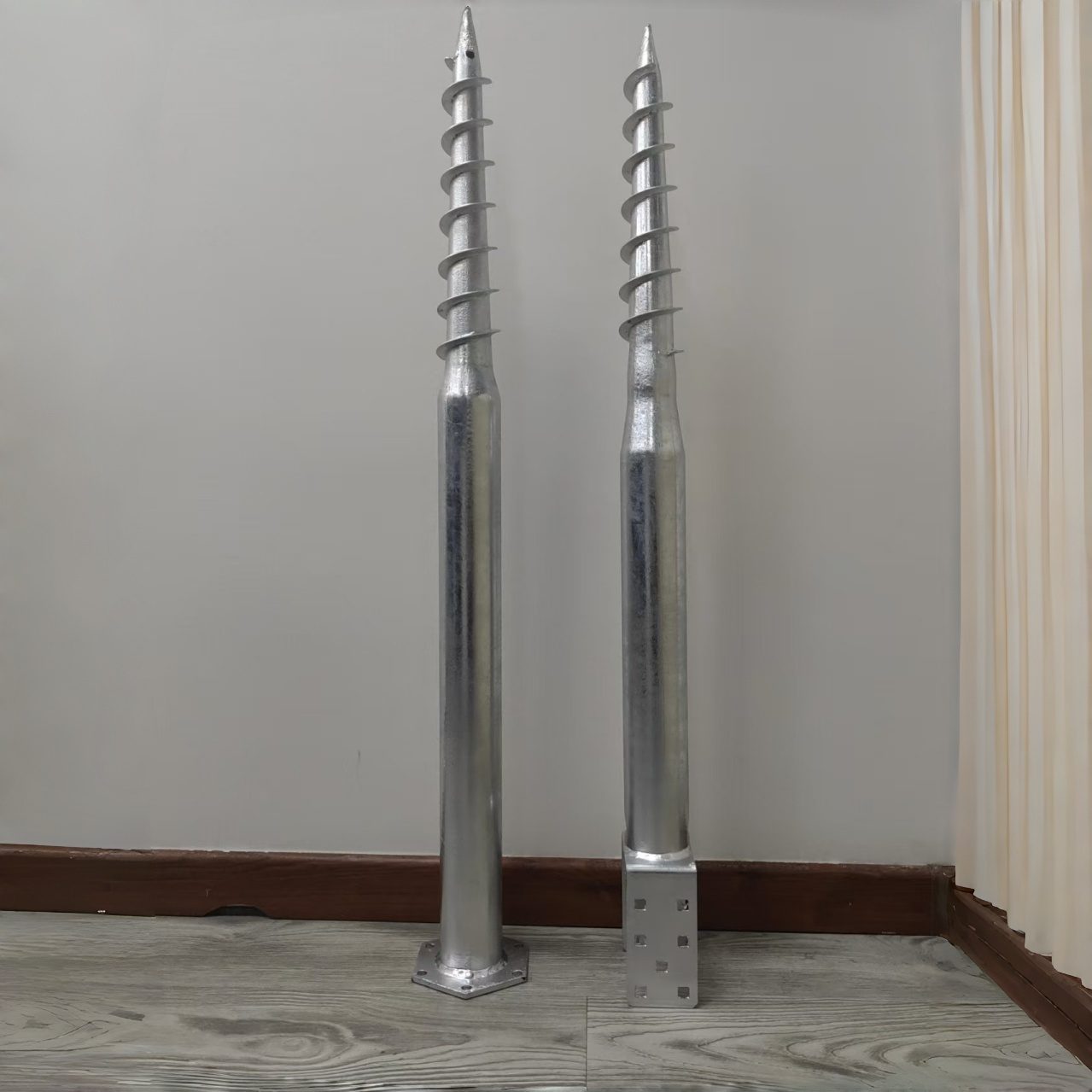
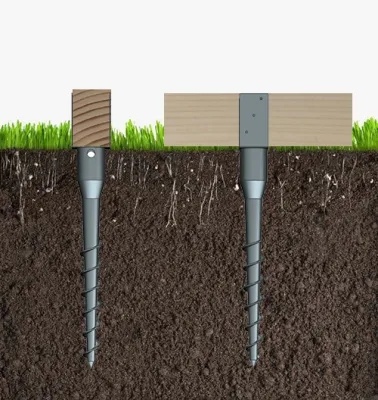
Picking the right part means weighing the needed support and what you’ll use it for. A screw in fence post anchor usually handles side forces well, so it’s great for holding farm fences, yard supports, or road edge guards. These often come with ready holes and pointed tips for easy entry into the dirt.
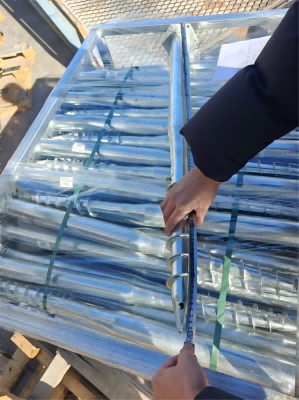
On the other hand, a strong metal screw ground anchor—like the M-series or Flange models—handles up-and-down pressure and pull. People pick these for solar setups, electric car stations, and wood-frame houses. Soil depth also guides the pick; a basic fence anchor goes about 600mm to 800mm deep, but heavy-duty ones reach up to 2050mm to hit firm layers.
To pick the best part, look at these main specs:
|
Product Type |
Common Applications |
Typical Material & Finish |
Load-Bearing Range |
|
Metal Screw Ground Anchor (Flange/M-Type) |
Solar farms, modular homes, EV chargers |
Q235B Steel / Hot-dip Galvanized |
1000N – 5000N+ |
|
Screw in Fence Post Anchor (U-Type/T-Post) |
Agricultural fencing, decks, garden sheds |
Q235 Steel / Powder Coated or HDG |
500N – 1500N |
|
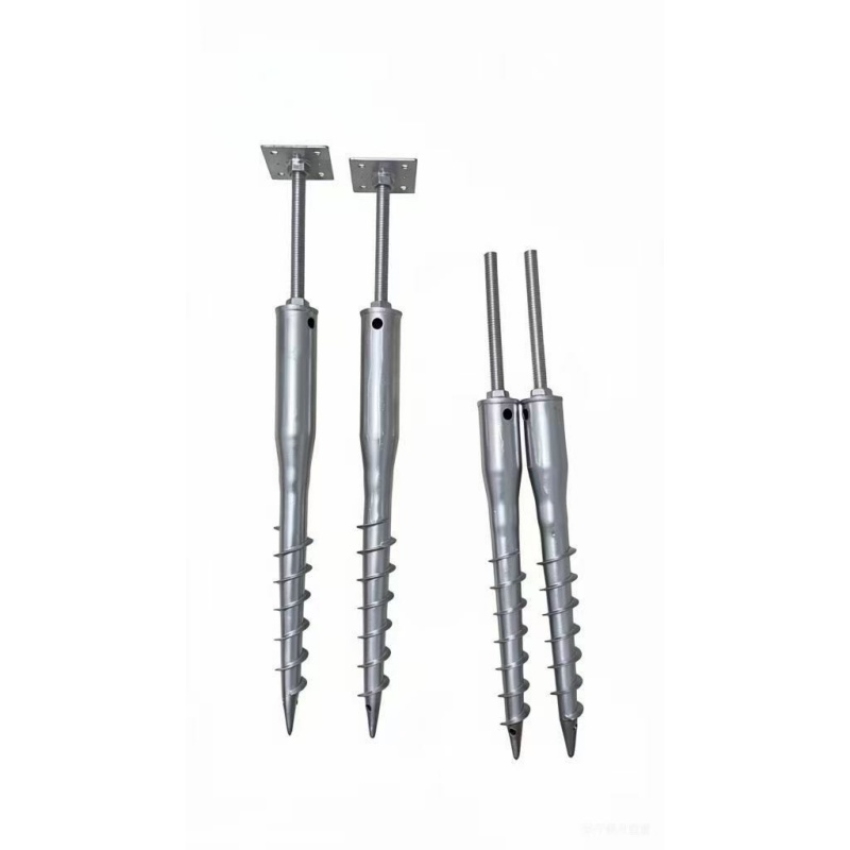
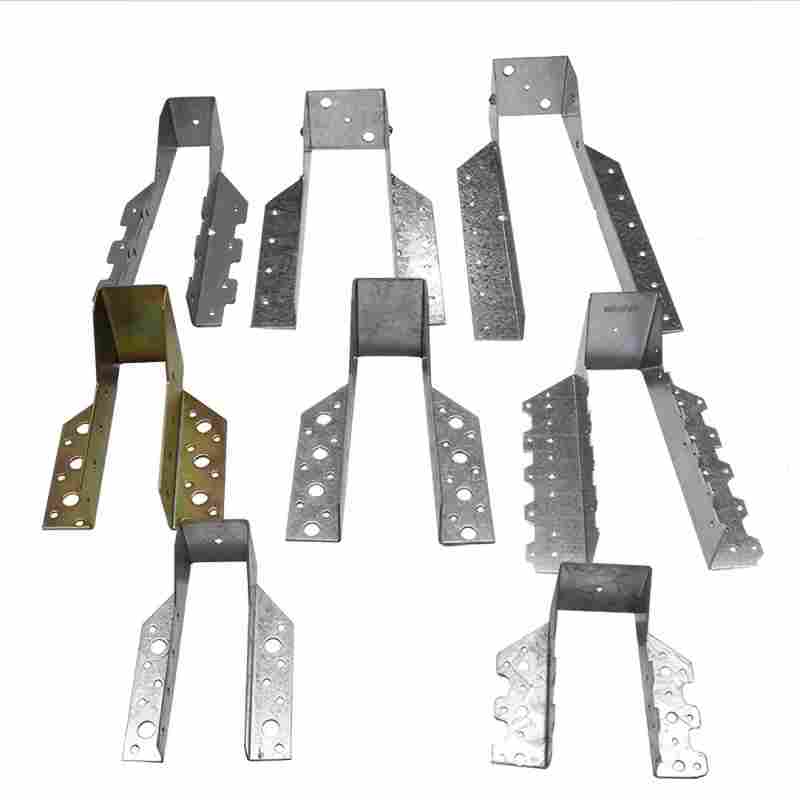
Specialist Adjustable Connector |
Sloped terrain, timber beams, pergolas |
Penetration Galvanized Steel |
High adjustability |
What Are the Essential Steps for a Seamless Ground Screws Installation?
A skilled ground screws installation follows a clear order that stresses accuracy. It starts with checking the soil. Thick soils, such as clay, demand more turning force to install. Meanwhile, loose or stony soils might need a starter hole or special fittings for connected parts to handle small movements.
- Site Marking and Testing:Skilled workers usually do a trial run to gauge the ground’s pushback. In one UK deck example, marking the area and testing loads finished in a day to meet local rules.
- Choosing the Installation Method:Battery-powered or hydraulic tools work fine by hand for a screw-in fence post anchor or home yard tasks. But for bigger jobs, such as a 5-MWp solar site in the UK, you need custom equipment to drive the metal screw ground anchor to the right level and force.
- Verticality and Alignment Checks:You must keep watching during the pushing-in stage. If a screw hits a big stone, it could lean. So, halt soon and fix the guide hole to make sure the base ends up straight.
- Immediate Loading:A top perk of this setup is that right after the ground screws installation ends, you can start building on it. No waiting for concrete to set, which usually cuts project delays by at least 48 to 72 hours.
What Surface Treatments Provide the Best Protection for Your Metal Screw Ground Anchor?
How long a metal screw ground anchor lasts depends on how well it fights off soil’s damaging factors, like water, acidity, and air. Top makers like STRZ have improved this with various coating levels matched to certain weather challenges.
- Hot-Dip Galvanization (HDG):This remains the go-to choice for top strength. Dipping the steel in hot zinc creates a solid shield (usually 60-85μm thick). It’s vital for parts in beach zones or wet ground, and it boosts lifespan by 10-15 years over plain steel.
- Penetration Galvanizing:This better method suits nuts that adjust, screw parts, and link pieces. It gives strong protection against rust (proven by over 400 hours in salt tests) and keeps threads smooth for later tweaks.
- Powder Coating:Builders often apply this to a screw-in fence post anchor for a nice look in different shades, and it forms a tough layer against weather damage.
Leveraging Global Expertise for Local Infrastructure
Doing well in the worldwide hardware trade comes from offering full services that include picking materials, exact forming, and strict checks for quality. Major sellers prove that custom ground anchors—like those in European exhibit builds—stop parts from getting loose even after long exposure to rough weather.
Following global rules like ASTM and DIN lets a top supplier make sure each metal screw ground anchor fits safety needs across areas, from US home builds to Eastern Europe home fix-up spots. Such focus on solid design helps leaders swap out old bases with quicker, tidier, and greener screw options.
Conclusion
To wrap up, a smooth and effective ground screws installation comes from mixing careful prep with solid parts. Knowing how a metal screw ground anchor beats a basic screw in a fence post anchor helps spread the weight better and keep the bases steady over time. By paying attention to key points like soil thickness, exact positioning, and strong coatings such as hot-dip galvanization, builders make bases that hold up well and respect the environment. With building shifts toward quick assembly and pace, the ground screw remains central to smart, modern setups.
FAQ
Q: Can a metal screw ground anchor be installed in rocky or frozen soil?
A: Yes, ground screws are quite flexible for tough ground types. For stony or very firm soils, it’s wise to drill a starter hole first. This guides the anchor and lowers the turning force needed. In icy weather, ground screws work much better than concrete since they skip digging or using water, so you can build any time of year, even in cold spots like Scandinavia or Canada.
Q: How much weight can a standard ground screw foundation support?
A: The support level changes a lot depending on the screw type and ground state.Usually, a good metal screw ground anchor holds 500N to 5000N of up-down force. Items like strong beam supports and column bases get checked to handle big pressure, but always check the maker’s ASTM D1761 reports to fit the part to your job needs.
Q: Is a screw-in fence post anchor reusable if I decide to move my fence?
A: A big plus of this tech is that you can use it again. Ground screws pull out of the dirt with the same tools as for putting them in, unlike concrete bases. This suits short-term fences at build sites or movable yard setups, as it leaves the ground untouched and set for later without trash behind.
Q: How long will a galvanized ground screw last underground?
A: How tough it is relies mostly on the coating type. A metal screw ground anchor with hot-dip galvanization (60-85μm thick) holds up for 15 years or longer outside. In inside or dry spots, thinner electro-galvanized versions (8-15μm) offer a budget pick with about 3 to 5 years under guarantee.
Q: Do I need professional machinery for a ground screws installation at home?
A: For minor home jobs like yard frames or tiny decks, basic hand tools or simple bars often do the trick. Yet for bigger home decks or business uses that demand exactness and strong force, a compact hydraulic tool makes sure the anchor sits at the proper depth and straight line for best hold.
 Consult
 Whatsapp
 Leave Message
 top
top