






Understanding the Engineering Requirements When Using Timber Connectors in Modern Architecture
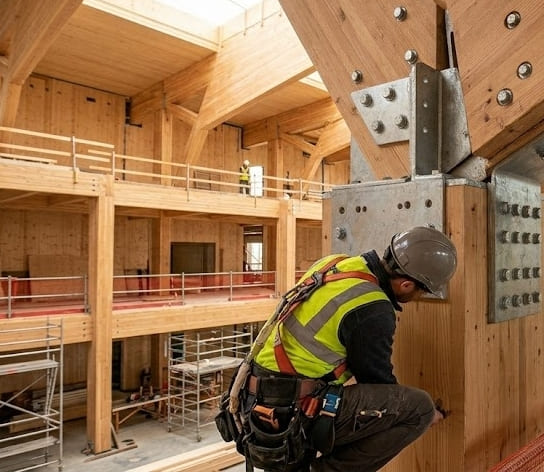
Timber is making a strong comeback in today’s building projects. This trend stems from a worldwide move to eco-friendly building methods and the cozy look of real wood. Yet, as designs shift from basic light frames to detailed mass timber and sturdy glulam setups, the pressure on joints grows much tougher. Wood acts as an uneven material. Its strength varies a lot along and across the grain. For safe buildings, experts turn to top-quality wood timber connectors. These help spread out loads, cut down on stress points, and handle wood’s natural swelling and shrinking.
Essential Engineering Standards for Wood Timber Connectors
Strong timber engineering centers on hardware that shows steady mechanical action. Wood timber connectors from pros are not just simple metal bends. Instead, they are carefully made parts built to hit exact strength levels and safety margins.
- Material Specification: Reliable connectors usually come from carbon steel like Q235 or Q355. Such steels give the needed flexibility to take in earthquake forces. At the same time, they keep the firmness needed for weight loads.
- Dimensional Accuracy: Standard hole spots matter a great deal. In using timber connectors, the gap from the bolt hole to the wood’s edge needs strict control. This stops wood from cracking along the grain.
- Coating and Protection: Wood often traps dampness, so rust threats linger. Rules in engineering call for hot-dip galvanization or solid electro-galvanization. These form a protective shield that blocks rust from weakening the joint.
Why Sourcing Directly from a Professional Timber Connector Manufacturer is Crucial?
In B2B buying and big building jobs, a dependable supply line counts as much as the parts themselves. Dealing straight with a trusted timber connector manufacturer means the pieces in your project pass tough quality checks.
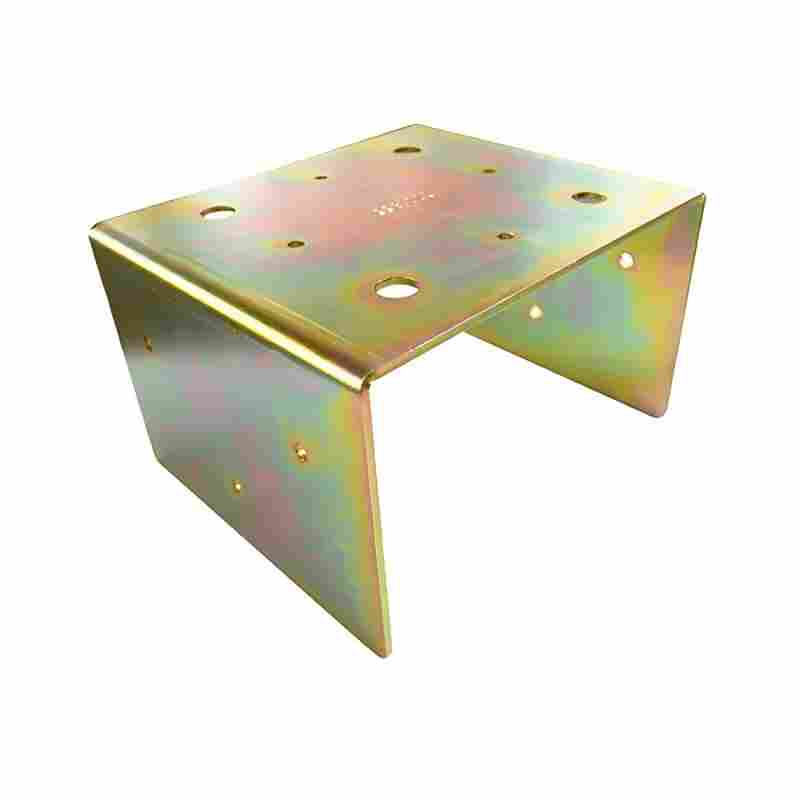
- Batch Consistency: A focused metal timber connectorsmanufacturer uses machine stamping and precise CNC bending. Thus, details like thickness and width stay the same over many units.
- Certification and Testing: Top makers supply reports on material grades and salt spray tests. Engineers need these papers to approve a building’s strength.
- Weather Resistance Training: Good hardware holds up in harsh settings from -40℃ to 80℃. It avoids getting brittle in cold or losing hold in wet, hot areas.
How to Optimize Structural Integrity When Using Timber Connectors
Putting wood timber connectors to work well calls for mixing design ideas with careful on-site setup. Mistakes in putting them together can drop a joint’s strength by half.
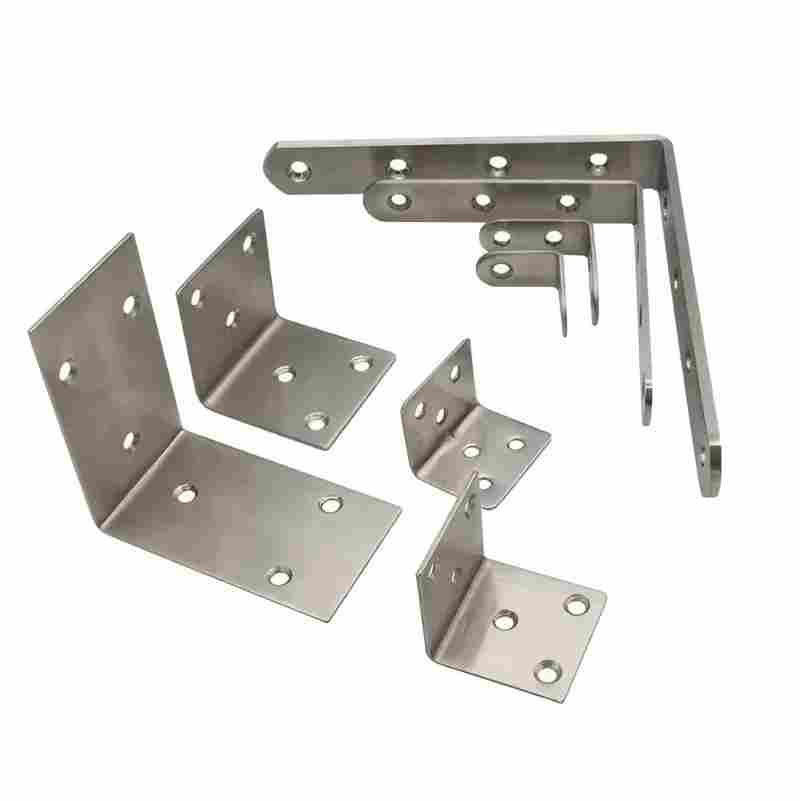
- Selecting Compatible Fasteners: For usingtimber joist hangers, pick nails or bolts with matching galvanized layers. Combining stainless steel screws with galvanized hangers causes galvanic corrosion. That quickly ruins the link.
- Avoiding Wood Splitting: You may need to drill ahead for big bolts or lag screws. If the wood cracks while fitting a connector, its shear power gets wiped out.
- Flush Mounting: Set connectors flat against the wood face. Any space lets small shifts happen. Over time, this leads to sagging joints or creaky sounds.
|
Product Category |
Common Specifications |
Material/Finish |
Typical Application |
|
Joist Hangers |
U-Type / Face Mount |
Galvanized Steel (2mm-4mm) |
Floor and roof joist support |
|
Post Anchors |
80x80mm to 120x120mm |
Hot-Dip Galvanized |
Securing posts to concrete bases |
|
Rafter Ties |
Twist / Universal Type |
Electro-Galvanized |
Resisting wind uplift in roof framing |
|
Angle Brackets |
Reinforced 90-degree |
High-Grade Carbon Steel |
General framing and corner bracing |
Most Common Types of Connectors in Modern Architectural Projects
Today’s building styles use various tailored connectors to deal with different push and pull forces. Knowing each one’s role helps keep people safe and buildings lasting.
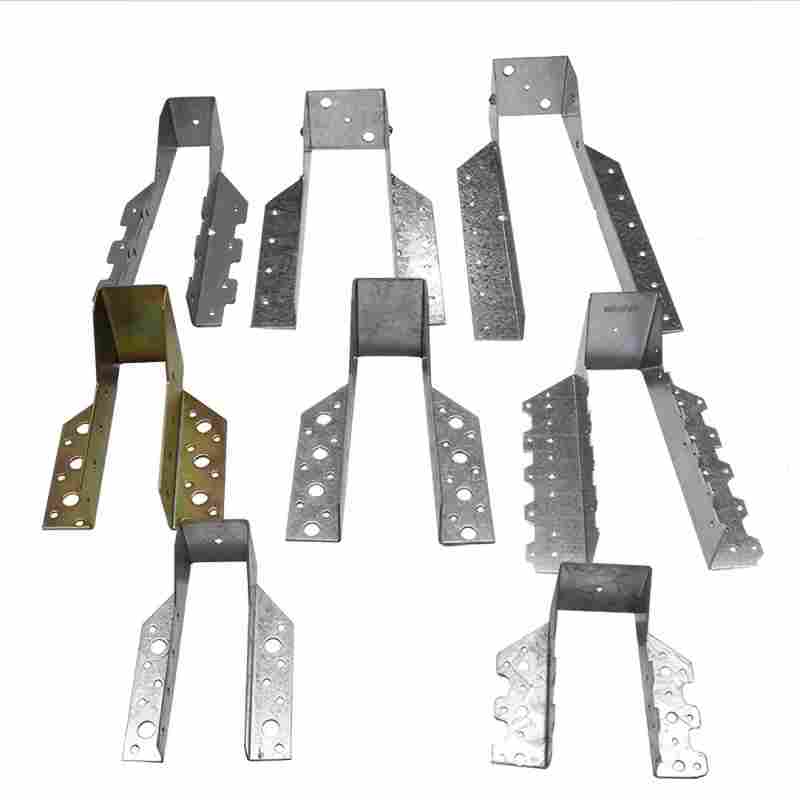
- Joist and Beam Hangers: These offer a base for level beams. They pass the weight right to the main beam or wall. Such items are key for wide-open spaces with long reaches.
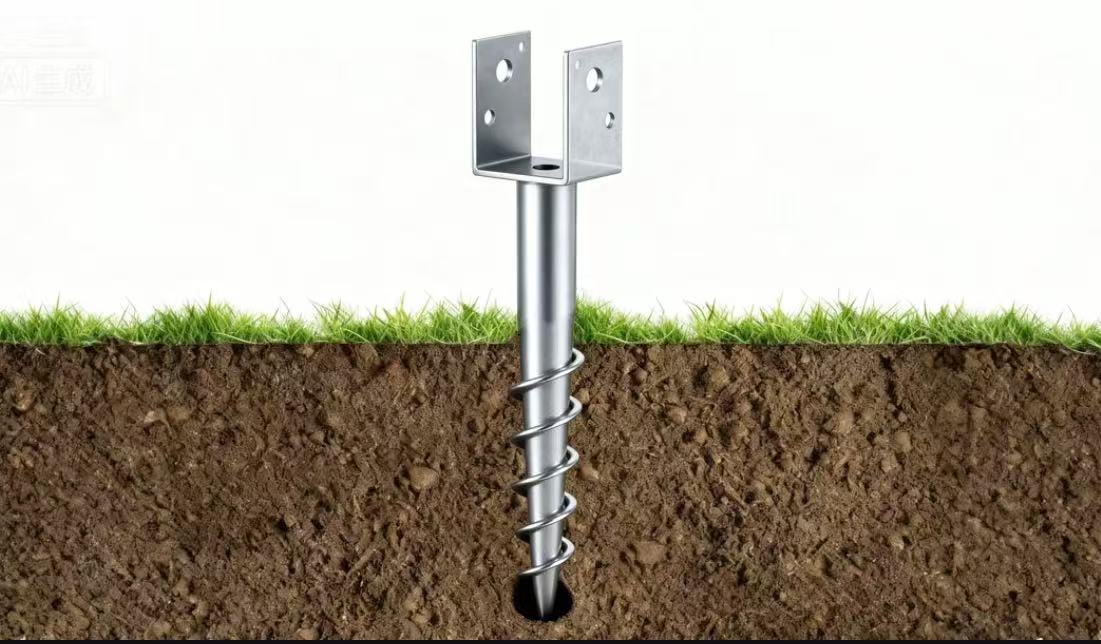
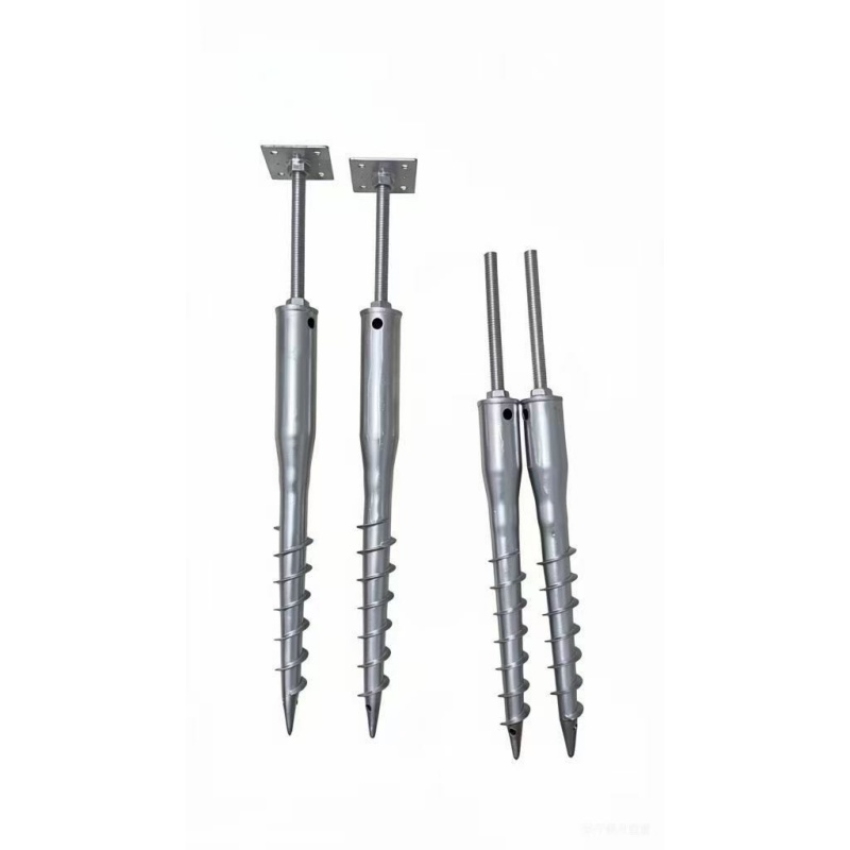
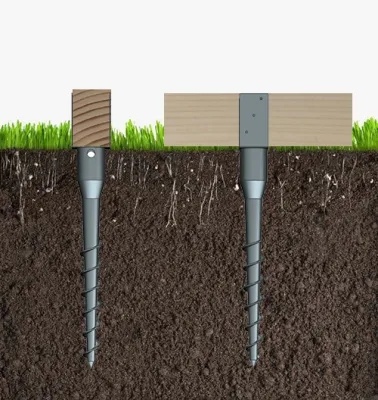
- Post Anchors and Ground Screws: These handle the key spot where wood meets the base. By lifting the wood a bit off the ground or concrete, they stop moisture rise that leads to decay.
- Seismic Brackets and Rafter Ties: In windy or shaky zones, these create a full path for loads from roof to base. Thus, they stop the building from rising or twisting.
How to Avoid Structural Failure by Selecting Certified Hardware
Using cheap or unproven hardware in wood builds poses huge risks. Weak steel or thin coatings can cause big breakdowns under max stress. STRZ stresses checking steel thickness and coating depth before delivery to the site.
- Verify the Steel Thickness: Cheap sellers often thin out the steel to cut costs. This harms the connector’s shear power right away.
- Salt Spray Verification: For outside work, mainly near the sea, get a report for 48-hour to 96-hour salt spray tests. It confirms the parts won’t rust out soon.
- Consistency in Hole Alignment: Set hole designs let you use air tools for fastening. This speeds up work and places each screw in the right spot on the connector.
Conclusion
Getting good at using wood timber connectors forms a core part of winning in current wood building. By grasping how loads move and why strong coatings matter, designers and workers can build spots that look great and stand firm. Buying from a solid timber connector manufacturer gives the tech backup to expand wood building limits. In the end, a wood structure’s safety matches its frailest link. So, picking proven hardware stands as the top choice in planning.
FAQ
Q: Can wood timber connectors be used with chemically treated lumber?
A: Sure, but take care. Lots of treated wood has copper inside. That eats away at regular steel fast. So, when using timber connectors with treated wood, go for hot-dip galvanized items with a thick G185 layer. Or pick stainless steel. Both stop quick wear and tear.
Q: How do I determine the load capacity of a specific connector?
A: A timber connector manufacturer will hand over data sheets or load charts. These show safe shear and pull limits. They base it on wood type, like Douglas Fir or Southern Pine. Also, they factor in the fasteners you choose.
Q: Is it possible to get custom wood timber connectors for unique designs?
A: Absolutely. Several makers provide tailoring options. They can tweak sizes, hole setups, or steel depth on usual items. Think joist hangers or angle brackets. This fits odd building needs.
Q: What is the difference between hot-dip and electro-galvanization?
A: Hot-dip means soaking steel in hot zinc. It builds a heavy, tough cover, great for outside spots. Electro-galvanization adds a light, even coat. It’s best for inside use with little dampness.
Q: Why do post anchors have a hole in the bottom plate?
A: Most post anchors from a timber connector manufacturer feature a drain hole or raised base. This design lets trapped water flow out. As a result, it keeps the post’s base from rotting due to moisture buildup.
For more on load tests or bulk quotes, reach out to the engineering team at STRZ. They offer full help for your timber work.

 Consult
 Whatsapp
 Leave Message
 top
top