




What to Consider When Replacing Broken Types of Commercial Door Hinges?
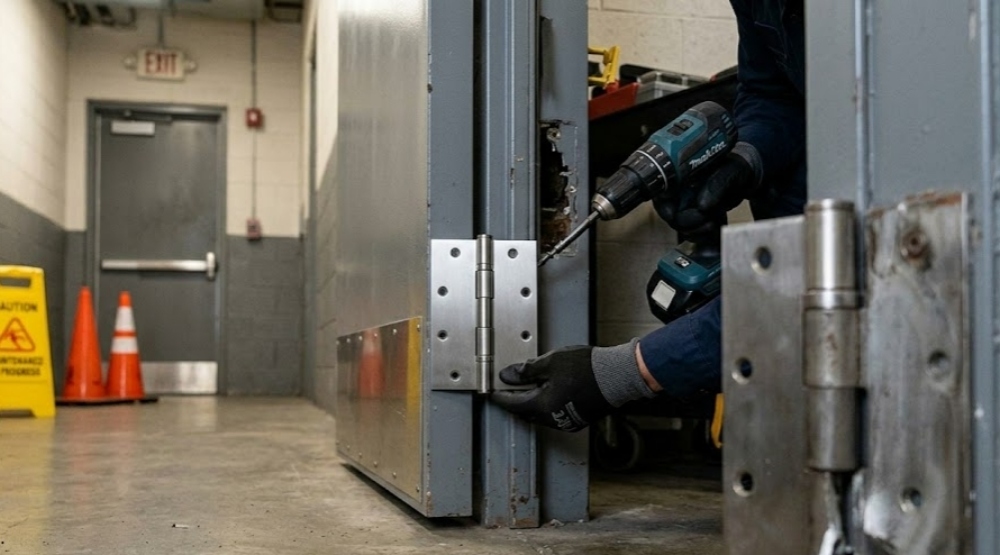
The strength of a business entryway depends greatly on the fittings that hold it up. When a hinge breaks down, it goes beyond a simple mechanical problem. Instead, it creates a major gap in protection, weakens fire protection measures, and could lead to legal troubles for company owners. Business doors face hundreds of openings each day. This far outpaces the everyday wear on home fittings. To achieve a solid replacement, you need to grasp the range of commercial door hinges types out of customized source hinge manufacturer. Also, you should see how their key features fit particular surroundings and building needs.
Understanding Common Commercial Door Hinge Types
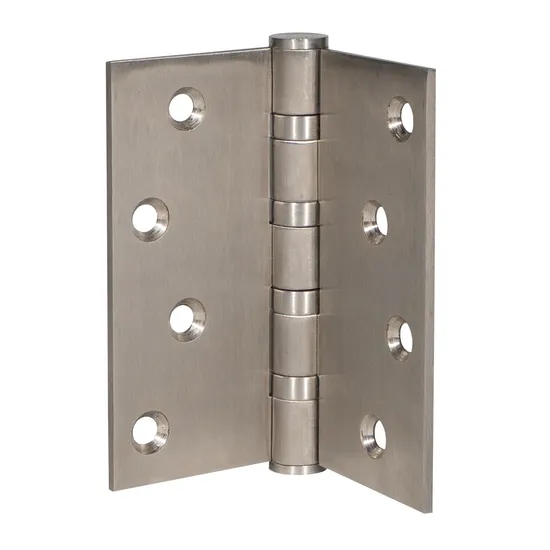
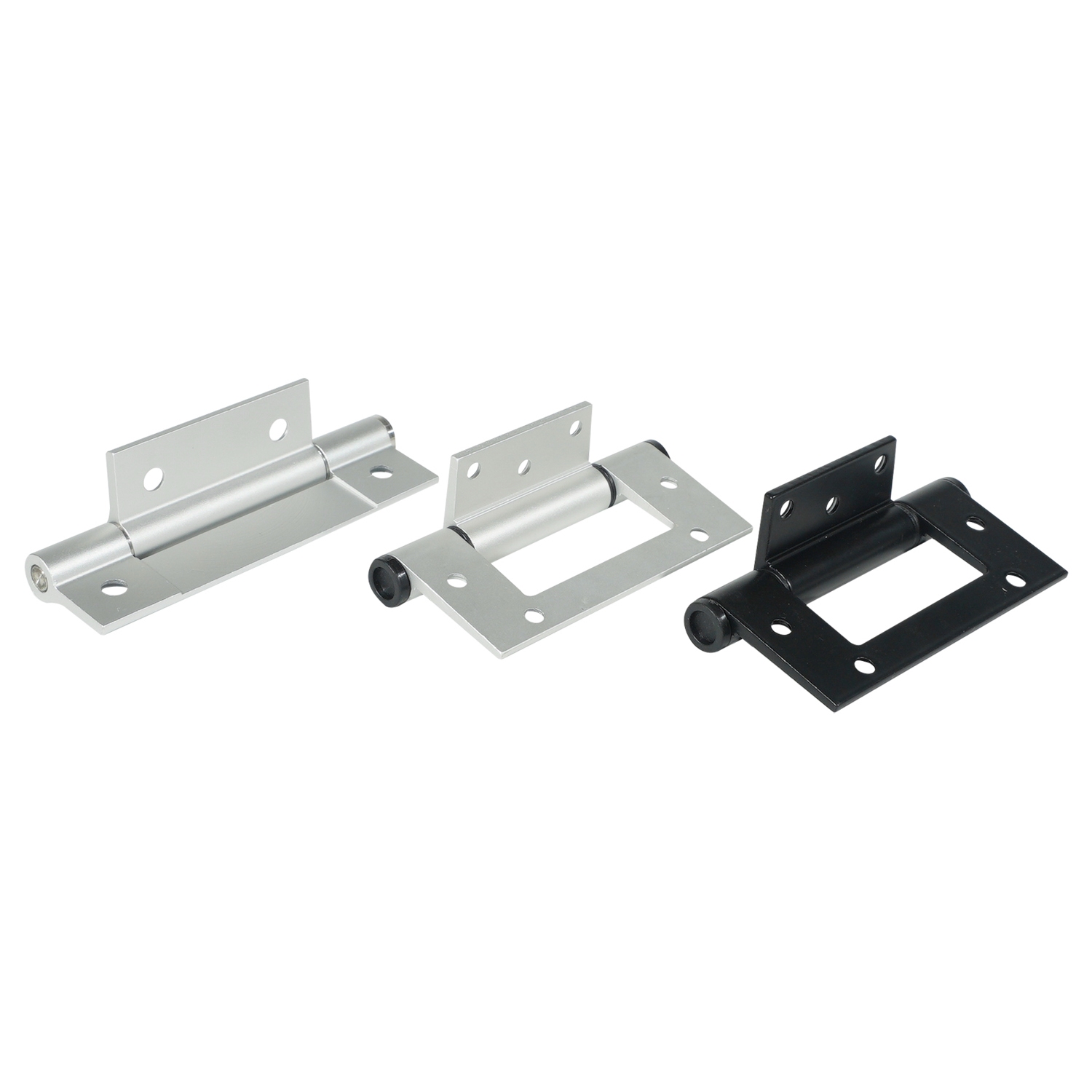
Picking a substitute demands an exact fit for the door’s purpose. Basic hinges usually fall short for the constant activity in office setups, stores, or factory storage areas. Well-made stamped hinges from accurate steel deliver the smooth action and steady strength needed for such demanding tasks.
The selection includes various focused groups of fittings for these demands:
- Standard Butt Hinges: These serve as the reliable basics in the field. They suit inside office doors where regular use is anticipated.
- Heavy-Duty Ball Bearing Hinges: Built with built-in bearings to cut down on rubbing, these prove vital for weightier doors. They help avoid drooping as time passes.
- Continuous or Piano Hinges: These spread the door’s weight across the full length of the frame. As a result, they work well in busy spots like schools or medical centers.
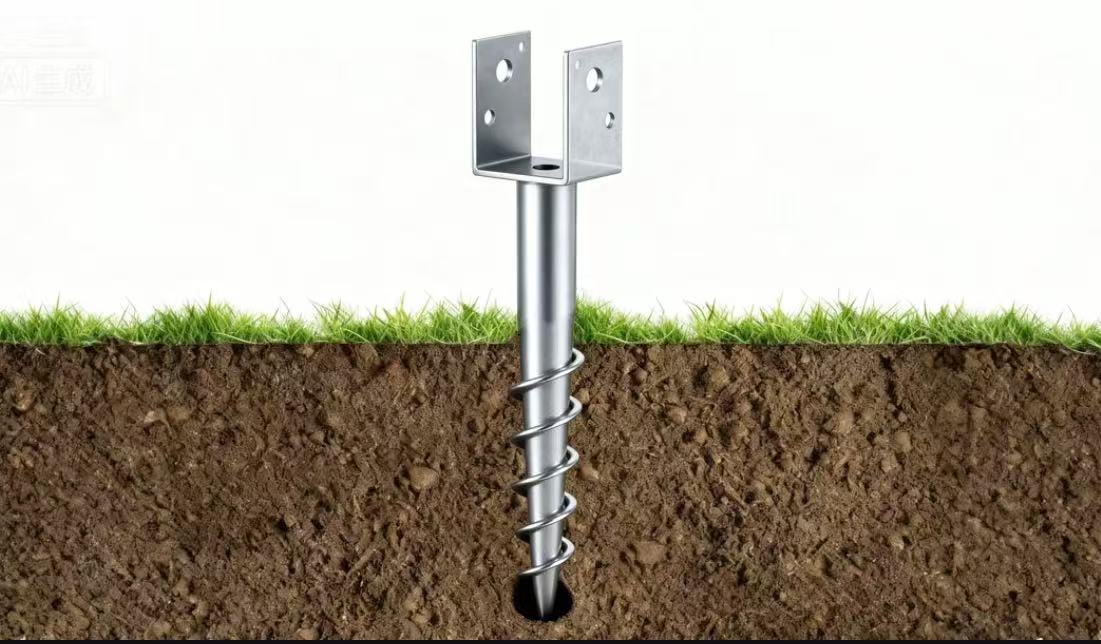
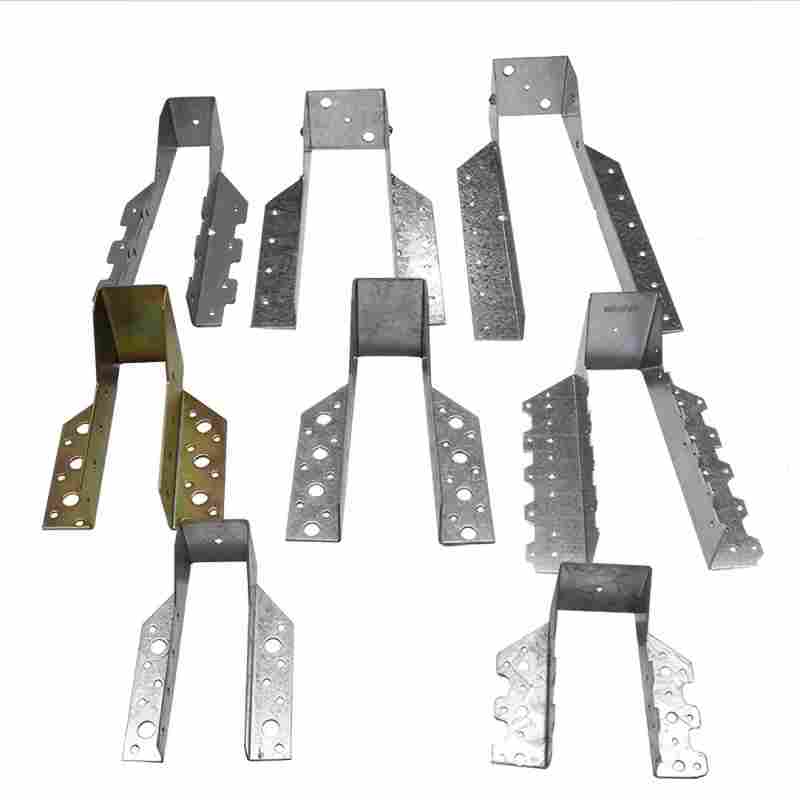
- Specialized Industrial Brackets: For sturdy gates or strengthened wood builds, advanced links like joist hangers and tough angle brackets offer the required support for heavy loads.
Technical Specifications and Material Comparison
When checking types of commercial door hinges, the base material and its protective layer set the hardware’s endurance. In business environments, steel stays the top pick because of its toughness against hits and ability to handle weights. That said, the exact steel variety and its surface treatment need careful choice. It depends on if the door sits in a dry inside space or faces outside weather.
|
Feature |
Hot-Dip Galvanized Steel |
Electro-Galvanized Steel |
304 Stainless Steel |
|
Coating Thickness |
60 – 85μm |
8 – 15μm |
N/A (Solid Material) |
|
Corrosion Resistance |
Superior (Outdoor/Humid) |
Moderate (Indoor/Dry) |
High (Chemical/Coastal) |
|
Service Life (Outdoor) |
10 – 15 Years Longer |
Standard |
Maximum Durability |
|
Temperature Range |
-40℃ to 80℃ |
-40℃ to 80℃ |
Extreme Stability |
|
Common Application |
Roof Trusses, Decks, Gates |
Furniture, Interior Doors |
Laboratories, Food Service |
Why Material Quality Dictates Longevity in a Commercial Hinged Door
The biggest threat to a commercial hinges door comes from rust. Water, salty air, and harsh cleaning chemicals can cause oxidation. This weakens the metal’s structure over time. For outside uses, hot-dip galvanization stands out as the best option. The zinc-iron layer bonds tightly to the steel base. Thus, it won’t flake off, even if it gets bumped hard during setup.
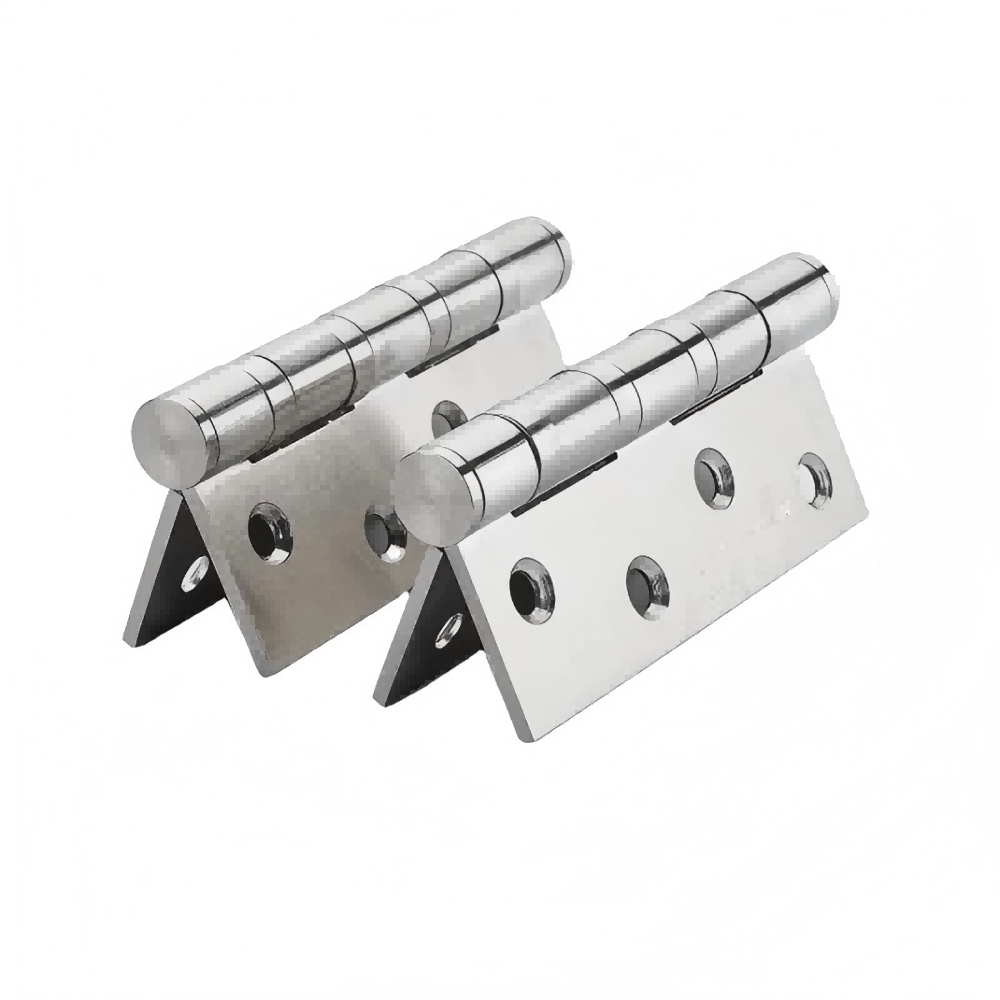
Opting for top-quality galvanized links or hinges brings clear benefits:
- Maintenance Reduction: Strong layers mean no extra rust-proof steps. This cuts ongoing upkeep expenses by about 30%.
- Environmental Resilience: These parts get checked to hold up in heat from -40℃ to 80℃. Therefore, they stay tough in cold winters and won’t give out in hot summers.
- International Compliance: Dependable fittings must follow worldwide standards like ASTM or DIN. This makes them suitable for serious building work.
How to Determine the Correct Load-Bearing Capacity
A common reason hinges break is not planning for enough weight support. A commercial hinges door has to bear the steady weight of the door panel. Plus, it must handle the extra push from opening or forceful closing.
To figure out the right strength, look at these key points:
- Weight Rating: Business-grade links typically handle from 500N to 5000N in support strength.
- Usage Frequency: Doors in busy areas need fittings with a better “level”to fight wear from repeated stress.
- Structural Safety: Every set of fittings ought to undergo tests based on rules like ASTM D1761. This confirms it can take the top weight without bending.
Application Scenarios for Specialized Commercial Door Hinge Types
Various fields call for unique fitting choices. In hotels, looks and easy movement might come first. Meanwhile, factories demand raw power.
- Residential and Commercial Construction: Galvanized rafter ties and beam hangers often go into wood frames. They boost defense against wind and snow pressures.
- Retail and Interior Design: Slim galvanized angle brackets fit well for mall displays and wood cases. They offer a clean style while keeping things safe.
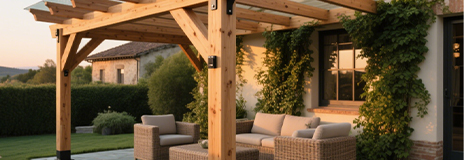
- Industrial and Outdoor Landscaping: For setups like park shelters or outside platforms, robust joist hangers keep things steady for more than 15 years.
In one clear example, STRZ teamed up with a U.S. home building firm to supply 10,000 units of galvanized joist hangers. Since these types of commercial door hinges and links had even hole spots and exact builds, the job finished two weeks early.
Best Practices for Installation and Maintenance
Good setup matters just as much as the fitting’s build. Even a top commercial hinges door can wear out too soon if it’s not lined up right.
- Alignment: Stick to standard sizes so the hinge pin stays straight up. Any lean will lead to uneven rubbing on the joints.
- Wood Compatibility: Most hinges work with softwoods like pine, oak, and cedar. However, dense woods such as teak might need holes drilled ahead to avoid splits when fitting.
- Post-Installation Care: Rust-fighting oils can keep screws firm through years of handling. If scratches happen from a rough setup, a galvanized fix spray restores the shield. This stops rust from starting in those spots.
Conclusion
Choosing the proper stand-in from the array of commercial door hinge types affects a structure’s protection and workflow for many years. By paying attention to the material level, weight support, and careful making, experts can skip the ongoing expense of repeated fixes. Putting money into strong galvanized or stainless steel parts makes sure your commercial hinge door acts as a quiet, trustworthy protector for your building’s access points.
FAQ
Q: What is the main difference between residential and commercial door hinges?
A:Business hinges handle more frequent action and bigger weights than home ones. They tend to be sturdier, often measuring 4.5 x 4.5 or bigger. Moreover, they use tougher steel grades and nearly always include ball bearings or heavy coatings like hot-dip galvanization. All this helps them endure steady wear and tough surroundings without quick failure.
Q: Why should I choose hot-dip galvanized hinges over electro-galvanized ones?
A:Hot-dip galvanized hinges come with a far thicker zinc layer, at 60-85μm, compared to 8-15μm for the other type. This gives them better defense against rust in outside or damp spots. Electro-galvanized choices save money for dry inside jobs. Yet, hot-dip ones last much longer when facing rough weather or moisture.
Q: Can I use standard wood screws to install these commercial hinges?
A:You should always pick galvanized wood screws that match, like M4 or M5 sizes, made for the hinge’s openings. Doing so creates a firm hold and avoids metal reactions that cause extra rust when different types touch in damp air.
Q: How do I know if a hinge is strong enough for a heavy industrial door?
A:Look at the strength rating from the maker. Top-level fittings list a clear capacity, usually from 500N to 5000N. They also include proof from tests that follow global rules like ASTM, showing they won’t bend under load.
Q: What is the best way to prevent rust on hinges in coastal areas?
A:For salty coastal spots with strong corrosion risks, seek out special coatings with up to 100μm thickness or go for 304 stainless steel. These options get built to stand up to the sharp damage from sea salt mist, keeping the fittings intact for longer periods.
 Consult
 Whatsapp
 Leave Message
 top
top