







How Deep Should a Fence Post Be According to a Professional Ground Post Company?
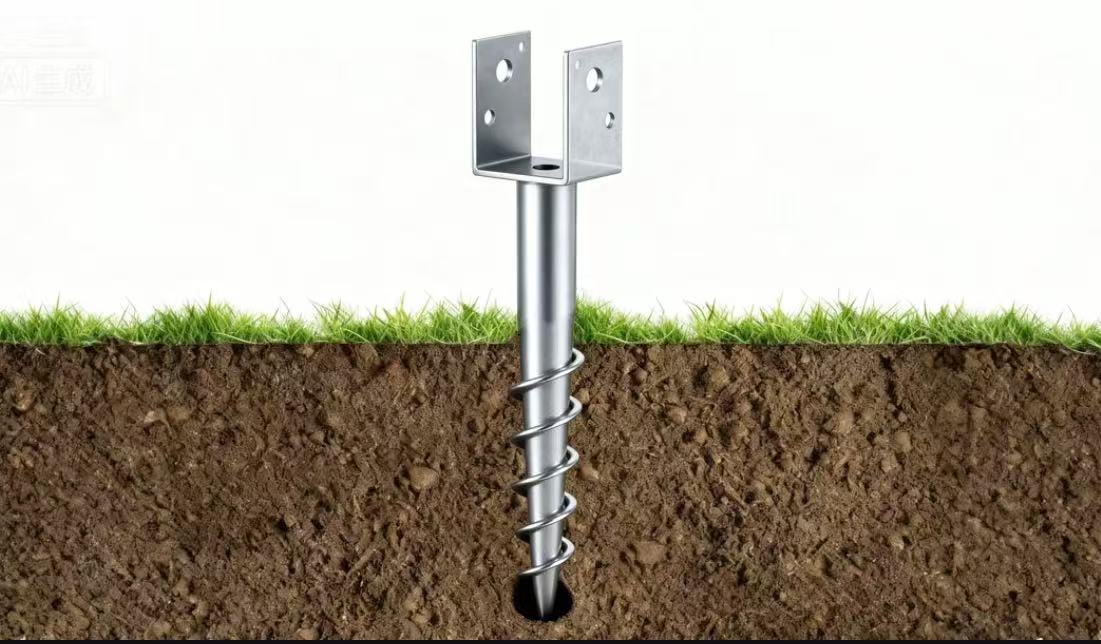
Structural issues in a fencing setup frequently stem from one basic mistake at the base level: insufficient depth of burial. This applies whether you are setting up a simple home garden border or a robust industrial security wall. The way a post connects with the soil largely decides how well it stands up to wind forces, earth pressure, and gradual ground movement. As a leading ground post and ground screws company, we stress that true strength comes not just from the steel’s quality but from smart installation practices.
Professional Standards for Fence Post Depth and Stability
Experts in the field commonly use the “Rule of Thirds” for placing posts. It means burying at least one-third of the post’s overall length below the surface. When dealing with a typical 6-foot fence, this calls for a basic burial of 2 feet, or about 600mm. That said, a skilled ground post manufacturer usually suggests going deeper for posts at corners or gates. These spots face greater pull and changing stresses.
Today’s building methods have moved past old-school digging and pouring concrete. Plenty of builders now choose custom fittings that keep things solid yet make the job easier. Our ground post factory makes various sizes, from 800mm up to more than 2000mm. This way, each job gets a base tailored to its height and weight needs.
Why Frost Line and Soil Density Dictate Installation Depth
A key concern for any ground post company is the frost line in your area. In chilly regions, moisture in the dirt turns to ice and swells up. This effect, called “frost heave,” can push things out. If you do not sink the post past this freeze level, the rising force might slowly lift the base right out of the soil.
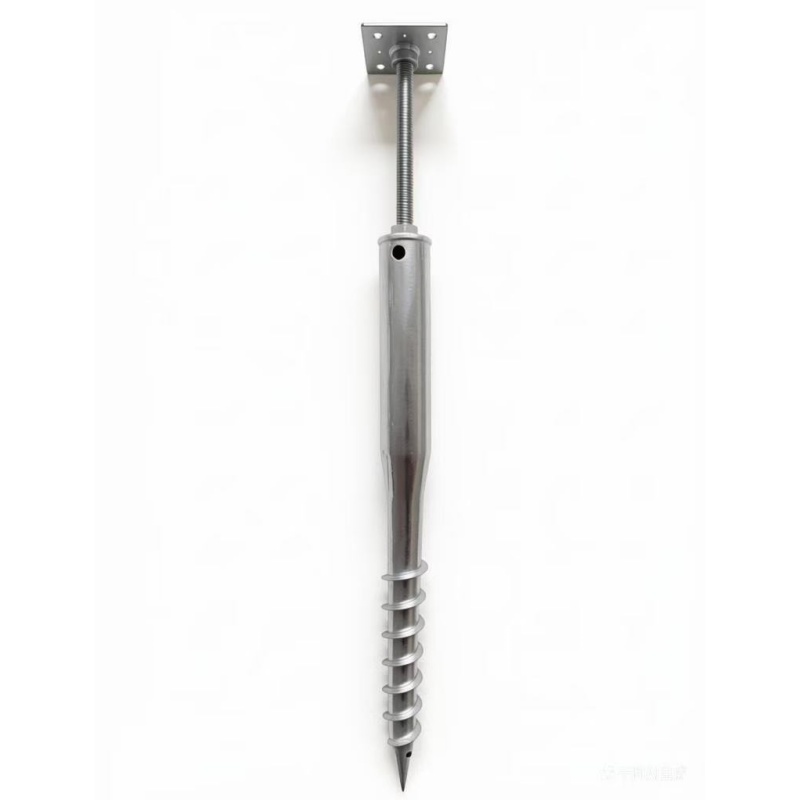
Soil conditions also heavily influence how deep you need to go:
- Loose or sandy earth: You will want deeper placement here. Or try broad helical piles with threads to boost grip and hold through friction.
- Clay earth: It holds steady when dry. But when soaked, it turns soft and moves around. So, you need rust-proof anchors that latch onto firmer layers below.
- Rocky terrain: Sometimes you can go less deep if you secure the anchor directly into the stone. However, this usually calls for tools from a trusted ground post
Technical Specifications of Professional Ground Post Products
To match top standards in building, fittings must pass tough tests on strength and weather resistance. A solid ground post factory checks each part for how much weight it can handle and how it fares against the elements.
|
Product Type |
Typical Dimensions (mm) |
Material & Finish |
Load Capacity (N) |
Best Application |
|
M-Straight Ground Screw |
68 x 120 x 1000 |
HDG Steel (Q235) |
1200 – 3500 |
Solar arrays, Timber decks |
|
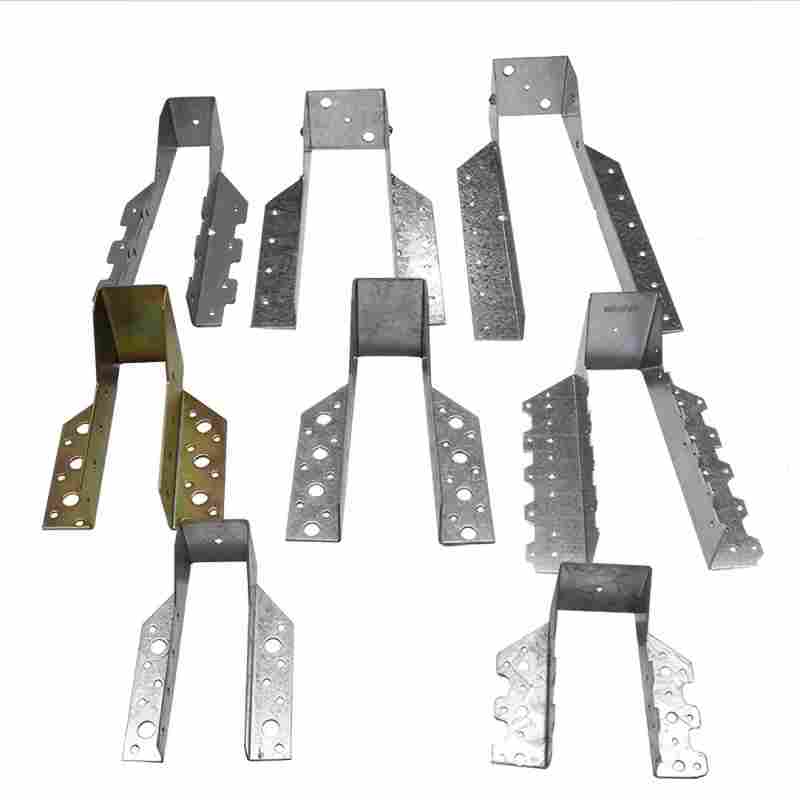
U-Type Anchor Base |
80 x 80 x 800 |
Penetration Galvanized |
800 – 1500 |
Fencing, Garden pavilions |
|
Heavy-Duty Pillar Base |
110 x 110 x 1000 |
Hot-Dip Galvanized |
3000 – 5000 |
Commercial structures, Carports |
|
Spike Post Anchor |
70 x 70 x 750 |
Electro-Galvanized |
500 – 1000 |
Temporary fences, DIY garden |
Strategic Advantages of Advanced Surface Treatments
How long a U Ground Screw factory’s item lasts often depends on its outer coating. Bare steel exposed to the outdoors can break down quickly from rust and harsh chemicals within just a few years.
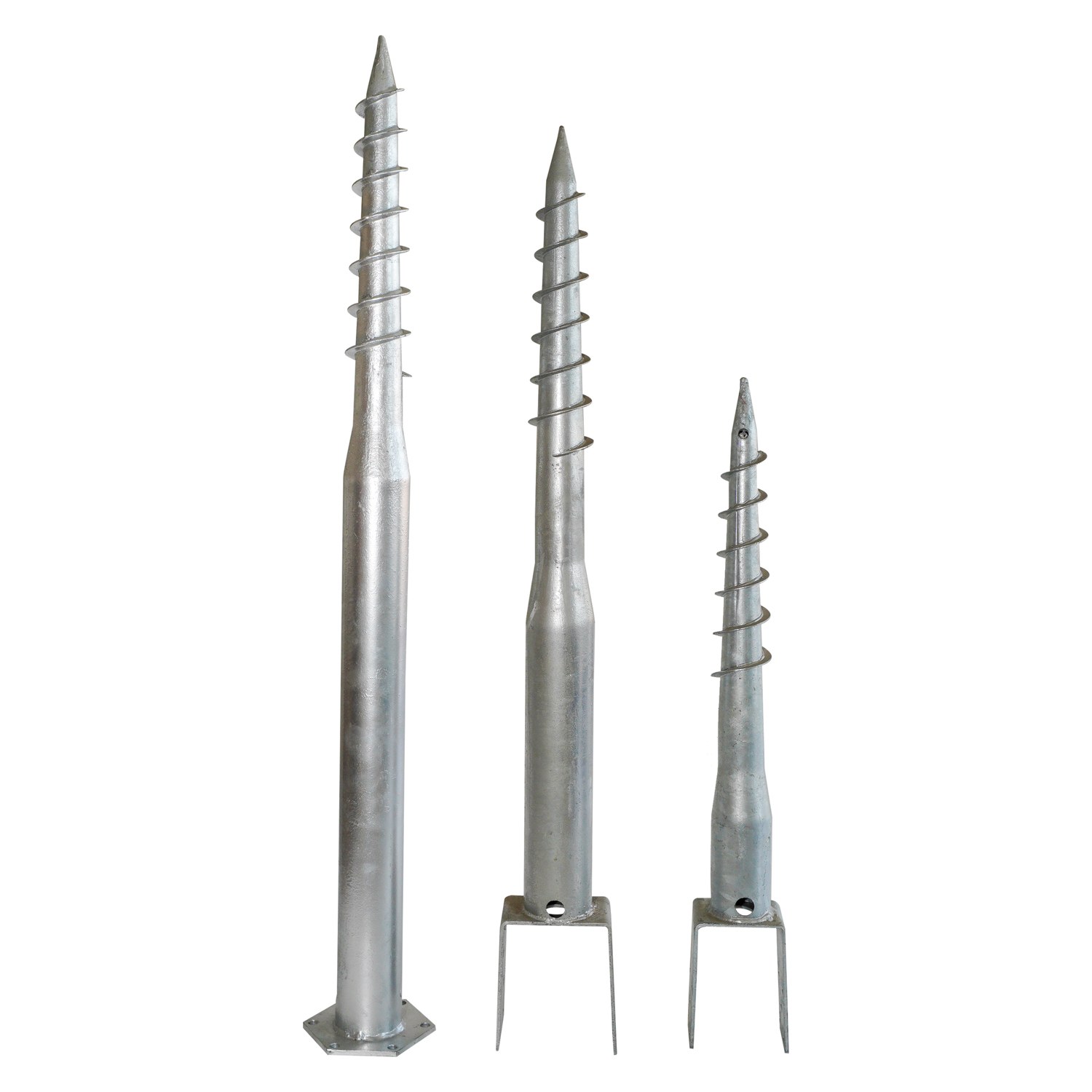
At STRZ, our design group has improved techniques like hot-dip galvanization and penetration galvanizing. These offer top-notch shielding.
- Hot-Dip Galvanization (HDG): This process dips the steel into hot zinc to form a sturdy zinc-iron layer about 60-85μm thick. It can add 10-15 years to the item’s life in open areas.
- Penetration Galvanizing: This works well for parts that adjust, such as nuts and brackets. It resists salt spray for over 400 hours and keeps threads working smoothly.
- Powder Coating: Builders often add this over a galvanized base for looks in home or business yard projects.
Case Study: Efficiency in Large-Scale Foundation Projects
Teaming up with a reliable ground post company shines brightest in actual projects. A home building group in the United States teamed with our ground post factory to get 10,000 sets of coated anchors for a neighborhood build.
The crew used carefully made post holders with even hole spots. As a result, they skipped the long wait for the concrete to set.
- Faster Timeline: Switching to no-wet base methods let the work finish two weeks early.
- Code Approval: All parts cleared local checks and met strict ASTM rules for builder protection.
- Lower Upkeep Costs: The strong coated surface meant no extra rust-proofing on site. This cut total care expenses by 30%.
Step-by-Step Installation for Maximum Longevity
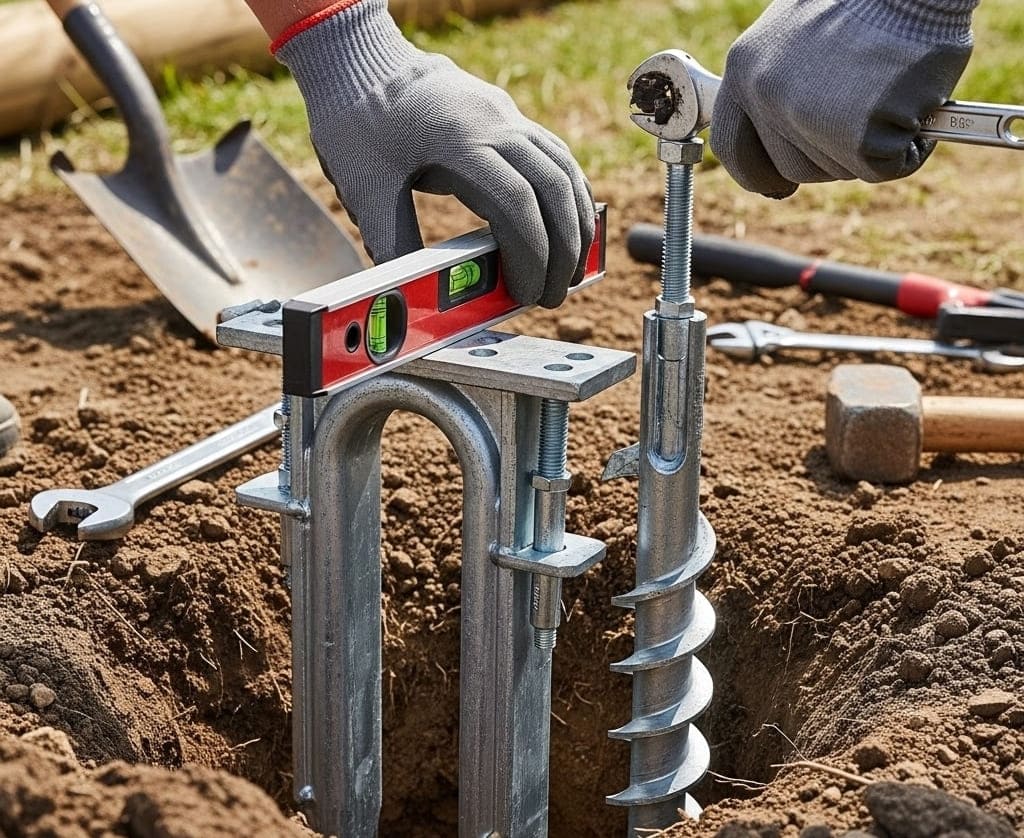
Getting pro-level firmness means following a clear process for setup. This ensures the ground post manufacturer’s guidelines are followed right on the job site.
- Assess the Weight: Figure out the fence material’s mass and possible wind push. Then pick a post with the right Newton rating.
- Dig or Hammer In: For simple spike types, hand tools work fine in DIY jobs. But for tough ground screws, bring in hydraulic gear.
- Check Straightness: Make sure the post stands perfectly upright. A small lean can cause uneven loads and wear out the metal over time.
- Final Touches: If rough handling scratches the surface during setup, use a zinc repair spray right away. It keeps the shield intact.
Conclusion
What sets a short-lived fence apart from one that endures for decades is the care put into its base. Picking the proper depth is an essential step. It needs to pair with good material choices and strong outer protections. When you work with a focused ground post company, designers and builders get tools built for toughness. These meet worldwide codes and speed up the work. From farm setups to city projects or home patios, the groundwork is the key part to invest in for the whole structure’s life.
FAQ
Q: Why is 2 feet the standard minimum depth for fence posts?
A: Builders set the 2-foot (600mm) baseline using the “Rule of Thirds.” This provides a solid side-to-side hold against winds and pushes. Still, a ground post manufacturer might suggest burying it further if your area’s frost reaches deeper. Or if the post supports a heavy gate with lots of strain.
Q: Can I install a fence post without using concrete?
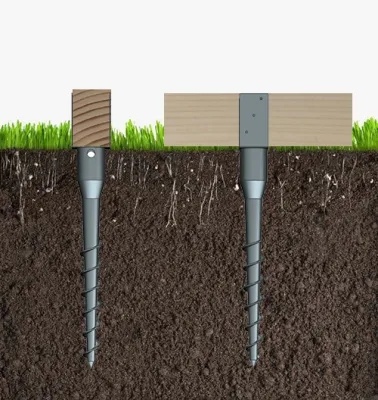
A: Absolutely, you can skip concrete with ground screws or spike anchors from a ground post factory. These let you set up without digging deep holes. Plus, they load up right away, you can remove and reuse them, and they harm the environment less than poured bases.
Q: How do I choose between hot-dip galvanized and electro-galvanized posts?
A: Go for hot-dip galvanization with its 60-85μm layer if you face ongoing outdoor dampness or wetness. It gives lasting defense. On the other hand, electro-galvanized types, at 8-15μm, save money and suit inside spots or dry setups where water stays away.
Q: Are galvanized connectors compatible with all types of wood?
A: Yes, they work fine with everyday woods such as pine, oak, and cedar without issues. But for denser options like teak, a ground post company advises drilling pilot holes first. This stops the wood from splitting when you fasten the anchor in place.
Q: What should I do if the galvanized coating is scratched during installation?
A: Grab a can of galvanized repair spray and cover the bare spot immediately. Doing so rebuilds the shield and stops rust from starting in that area, which could weaken the anchor’s overall strength.
 Consult
 Whatsapp
 Leave Message
 top
top