




How to Select Custom Hinge Manufacturers for Your Commercial Projects?
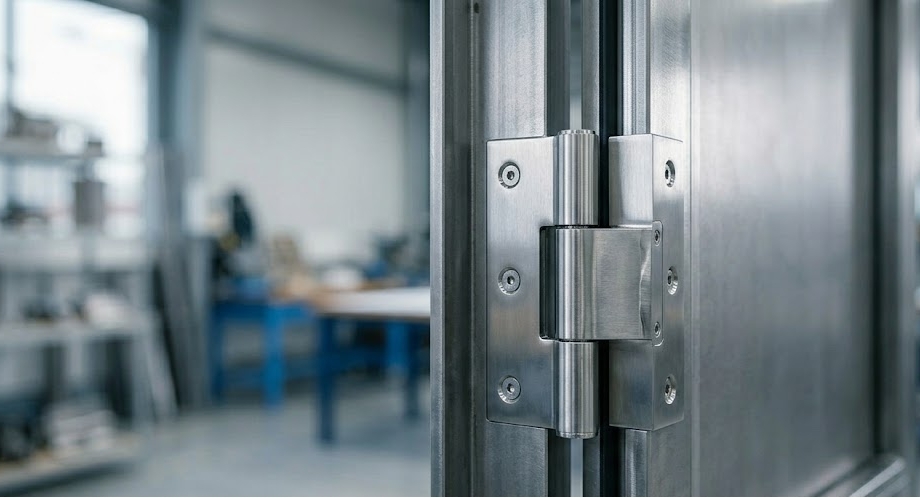
In the detailed area of business building setups, the lasting nature and protection of a structure often hinge on the tiniest parts. Architects and project leads usually pay attention to visual touches or mainframe metal. However, the work of busy entry spots relies a great deal on hardware accuracy. When dealing with the tricky field of commercial door hinges types, grasping the need for tailored design proves important. If you equip a busy factory site or a fresh business center, the hardware that holds your doors needs to handle many years of machine strain, weather contact, and intense daily use. Choosing the proper supplier from the group of custom hinge manufacturers marks the initial key action. It helps make sure your work stays safe, rule-following, and money-saving over time.
What Defines High-Performance Commercial Hinges?
At the heart, a strong commercial hinges door setup stands as a fine example of material knowledge and machine design. These parts aim to allow easy motion. At the same time, they keep frame strength under tough settings.
- Material Strength: Work-level hinges usually come from solid steel. They go through strict steps like hot-dip or electro-galvanization. This setup gives good weight-holding power and hit resistance. Both matter for business safety.
- Exact Design: The top hardware shows set hole spots and true sizes. These features ease setup and guarantee the right match with door frames.
- Rule Following: Fine hardware needs to match world-building rules, like ASTM or DIN marks. When checking commercial door hinges types, make sure the maker supplies hardware that meets these world frame safety levels.
Why Should You Partner with Specialized Custom Hinge Manufacturers?
Ready-made hardware seldom fits the special needs of big factories or business operations. Working with custom hinge manufacturers lets you tackle exact frame issues that plain suppliers fail to fix.
- Tailored Size Exactness: Business spots often have odd door frames or special material needs. Custom makers can tweak the length, width, and hole spots of hinges to suit your exact wood or metal pieces. This leads to a perfect match that stops machine jams.
- Better Strength and Cover: Basic hardware can wear down in rough spots. Custom makers supply special outer treatments. For example, they use stronger galvanization up to 100μm thick for seaside or very rusting areas.
- Targeted Work Features: Certain works need more than basic motion. Suppliers can add special parts like grip washers or bump pads for shake-heavy gear bases or quake areas.
To aid your check of the hardware, think about these work traits:
|
Feature Category |
Technical Specification |
Benefit to Commercial Projects |
|
Material Grade |
High-grade Steel (Q235 or Stainless) |
Ensures structural safety and longevity |
|
Surface Finish |
Hot-dip or Electro-galvanized |
Resists rust, moisture, and chemical erosion |
|
Dimensional Precision |
Customized hole alignment |
Simplifies installation, reducing labor costs |
|
Load Capacity |
500N to 5000N (Varies by model) |
Supports heavy-duty door movement reliably |
How to Audit and Evaluate Commercial Hinge Manufacturers?
When you start the buying steps, your review of custom hinge manufacturers should center on their tech skills and steadiness. A check of a possible supplier should cover these actions:
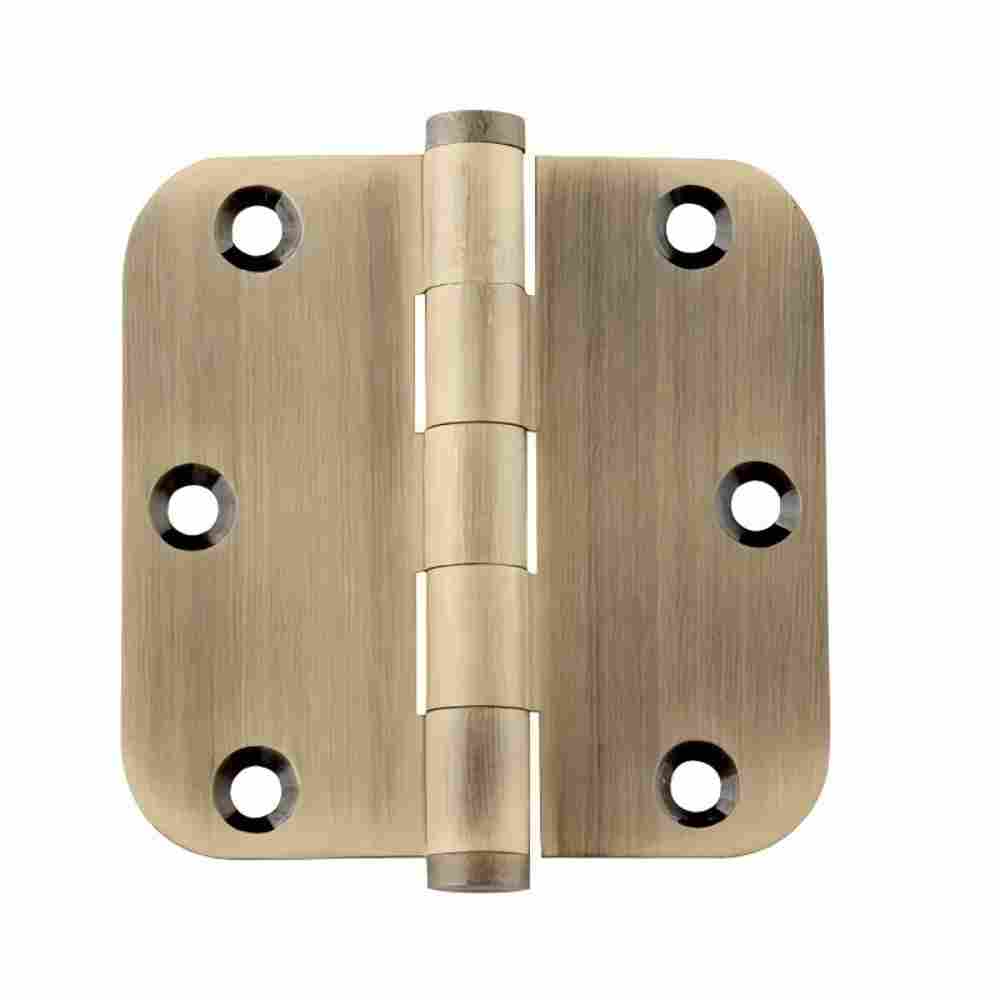
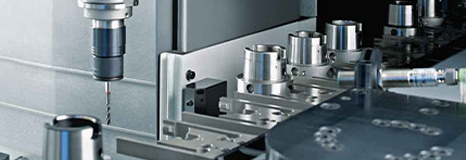
- Check Making Setup: Dependable makers need modern tools. These include exact punch machines, cutting, smoothing, and auto-weld gear. Such tools make sure the commercial door hinges types they build stay even and lack frame flaws.
- Confirm Quality Check Steps: Make sure the maker uses the set quality staff. For one, leading sites employ over 50 quality workers to guarantee each piece gives steady work and sure motion.
- Review Work History: Seek proof of good teamwork in big cases. A trusted maker should show examples. These might include sending thousands of pieces for home or business group work that cleared local building checks.
What Are the Common Commercial Door Hinge Types You Should Know?
Grasping the choices in commercial door hinges types matters for pairing hardware to your building’s flow needs and frame plan.
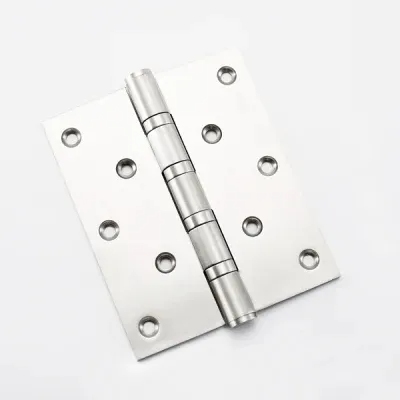
- Weight-Holding Hinges: These prove key for tough doors where frame strength comes first. They build to stop door turns and keep a steady weight pass over long periods.
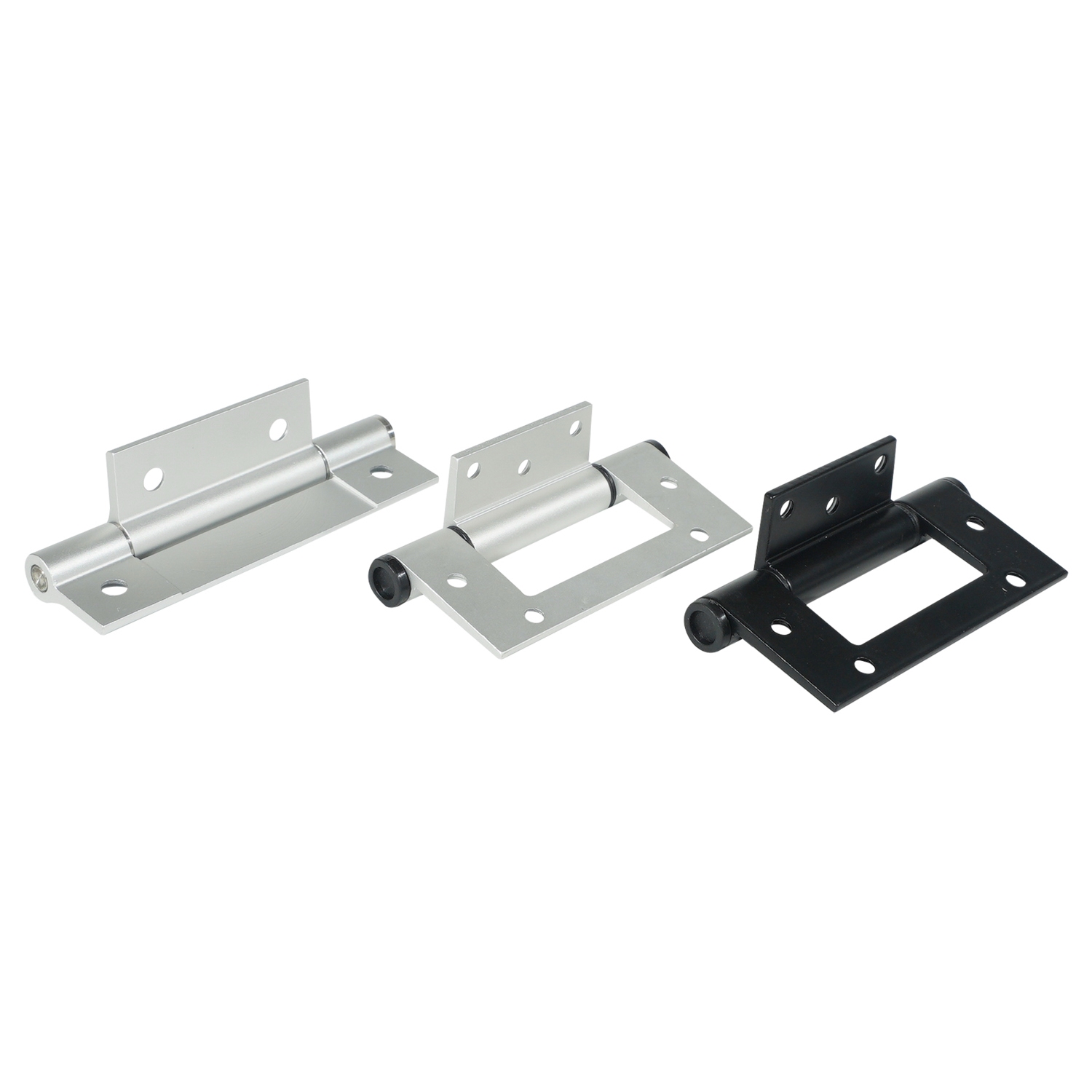
- Link-Style Hardware: These often fit in showy or block business plans. They cover angle supports and level sheets that hold frames without losing the visual draw of the commercial hinges door
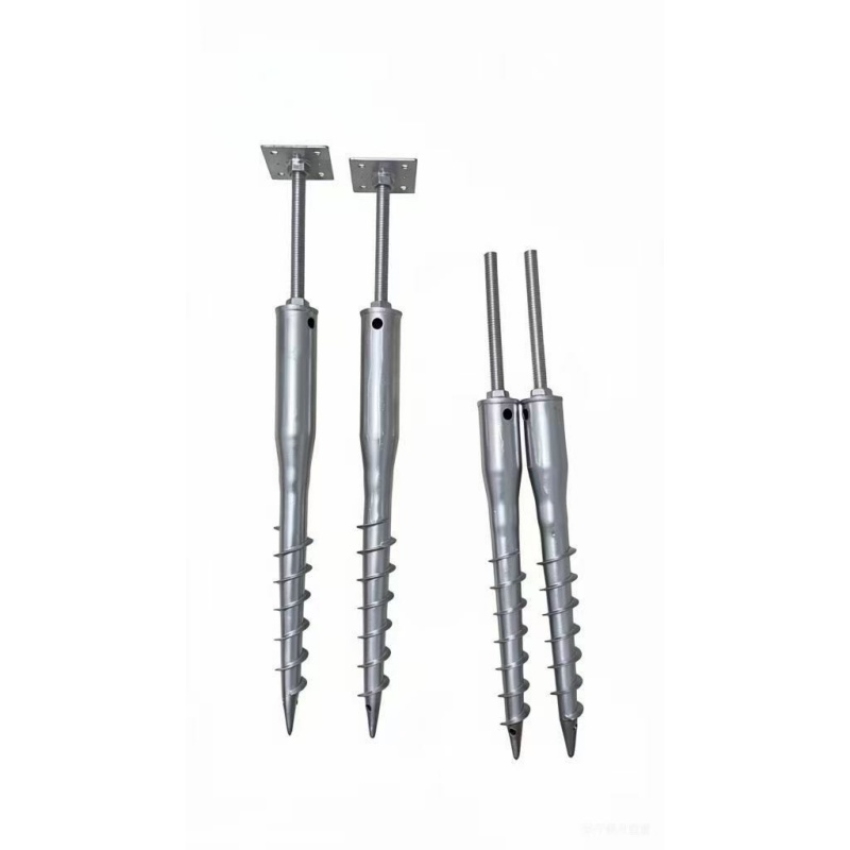
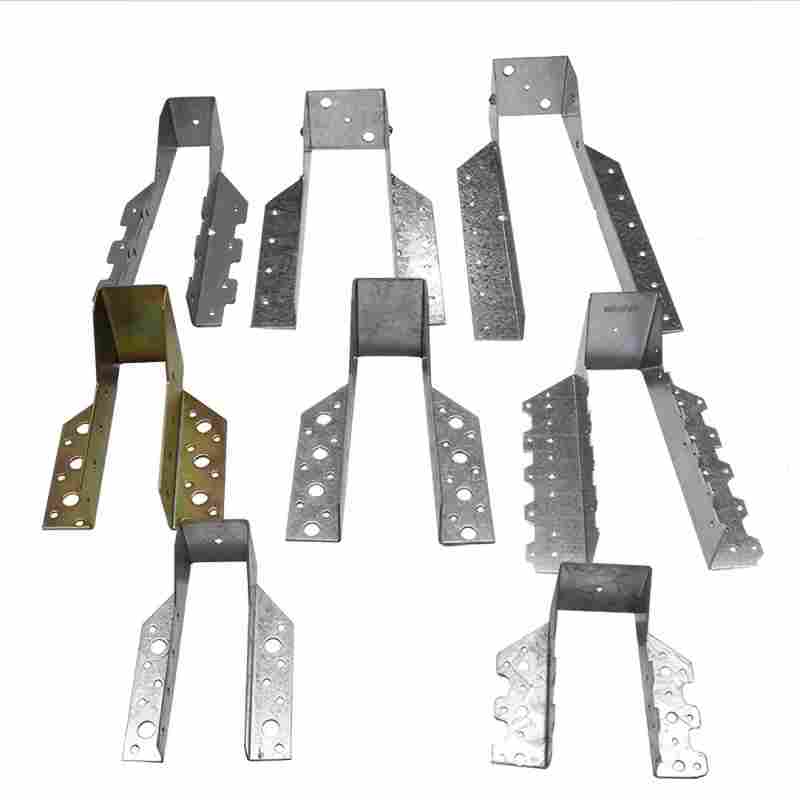
- Use-Targeted Hardware: Based on door use and spot, you might need galvanized roof ties or beam supports for stronger frame links. This holds true in busy or wind-open zones.
How to Ensure a Smooth Collaboration for Custom Orders?
Reaching a good result with custom hinge manufacturers calls for plain talk and a firm grasp of technical details.
- Give Full Details: Always hand over true-size drawings and weight needs. Pro suppliers often share setup guides with clear marks for their hardware.
- Check Group Tests: Always ask for test papers for your groups. These should follow field rules like ASTM D1761.
- Use Post-Sale Help: Fine makers give more than the item. They supply setup advice, tech spot training for large buys, and solid promise rules. All these prove key for the ongoing care of your commercial hinges door systems.
Conclusion
Picking the correct supplier for your business hardware stands as a planned choice. It affects the lasting safety and daily work flow of your structure. By putting custom hinge manufacturers first who show tech skill, rule match, and exact design, you cut the chance of frame breaks and high care costs. If you check common commercial door hinges types for their strength or order tailored parts for a special plan, the aim remains on material worth and frame approval. We advise checking makers like STRZ. This company holds to quality checks and new ideas. It makes sure your business work gets backed by hardware built to endure.
FAQ
Q: What is the primary difference between hot-dip and electro-galvanized commercial hinges?
A: Hot-dip galvanized hinges have a thicker zinc layer (60–85μm). This gives better rust fight suited for outside or damp spots. Electro-galvanized hinges cost less with a slimmer layer (8–15μm). They work well for dry, inside business uses.
Q: How can I verify the load-bearing capacity of commercial hinge door components?
A: Trusted makers supply test reports for each group of items. These usually check against ASTM D1761 rules. You need to confirm that your picked custom hinge manufacturers hand over this paperwork. It guarantees the hardware fits your work’s exact weight needs.
Q: Can I request custom modifications to standard commercial door hinge types?
A: Yes, leading makers provide wide change services. This covers tweaking the length, width, and hole spots to match your exact door pieces. It can also add bump pads or grip washers for shake-heavy spots.
Q: Why is automated production important for custom hinge manufacturers?
A: Auto-making lines cut people’s errors. They make sure every hinge keeps even quality and size truth. This matters for business work. There, even a small off-match in a hinge can cause wrong door work or frame strain.
Q: What is the expected service life of galvanized commercial hinges?
A: When picked right, galvanized links and hinges can give a work time of 10 to 15 years in outside spots. To reach this length, pair with makers who use solid steel and forward cover methods like deep galvanization.
 Consult
 Whatsapp
 Leave Message
 top
top