






How to Choose a Reliable Industrial Hinge Manufacturer for Heavy-Duty Concealed Hinges
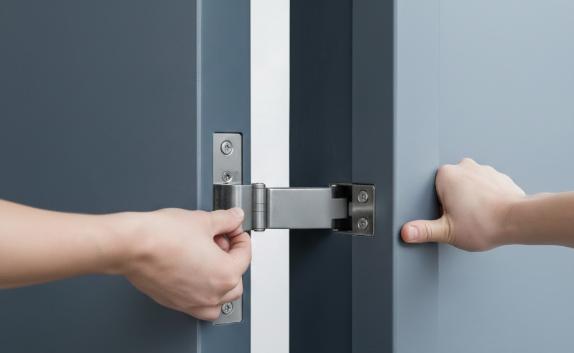
In upscale building projects and tough industrial settings, the fittings often form the quiet base of achievement. For overweight business doors or unique industrial entrances, picking the proper hinge goes beyond a simple style choice. It becomes a key engineering choice.
Selecting the correct industrial hinge manufacturer can separate a door that works smoothly for years from one that causes expensive breakdowns and risks to safety.
This guide looks into ways to pick a supplier who can supply strong-performing parts. It also covers the key details of a professional hinge hookup.
What Defines a True “Heavy-Duty” Hinge?
A heavy-duty concealed hinge needs to mix hidden looks with solid build strength. In the industrial field, “heavy-duty” means the part can handle frequent operation and heavy loads without bending.
Material Integrity and Load Capacity
Trust starts with the base material. Industrial-grade hinges usually come from tough steel, yellow brass, or stainless steel to guarantee long life.
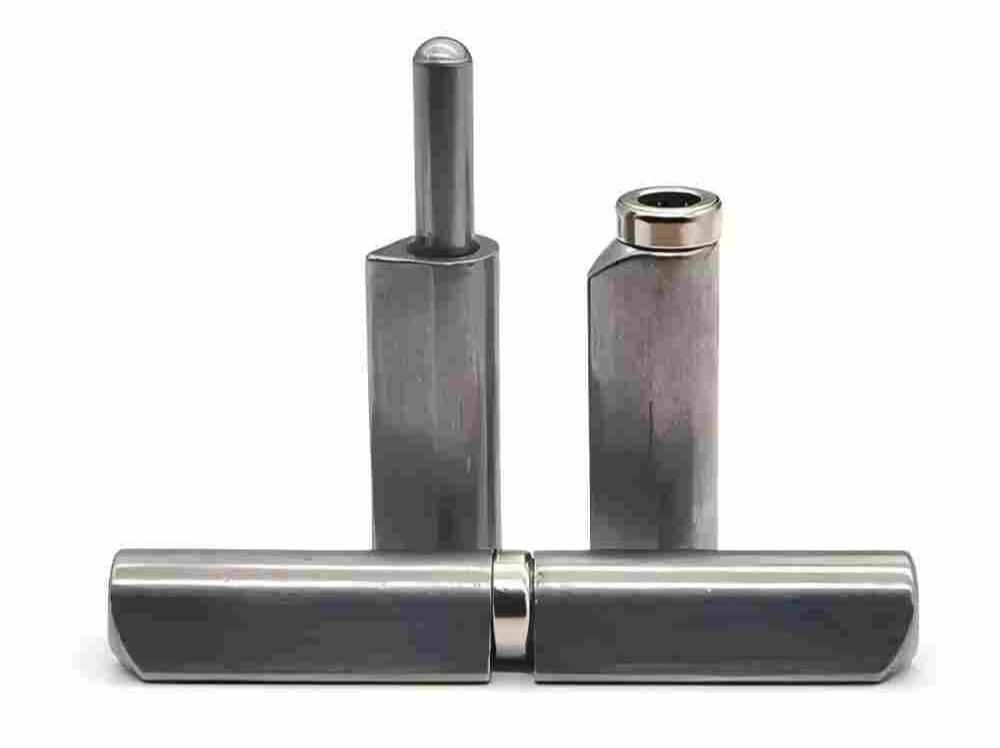
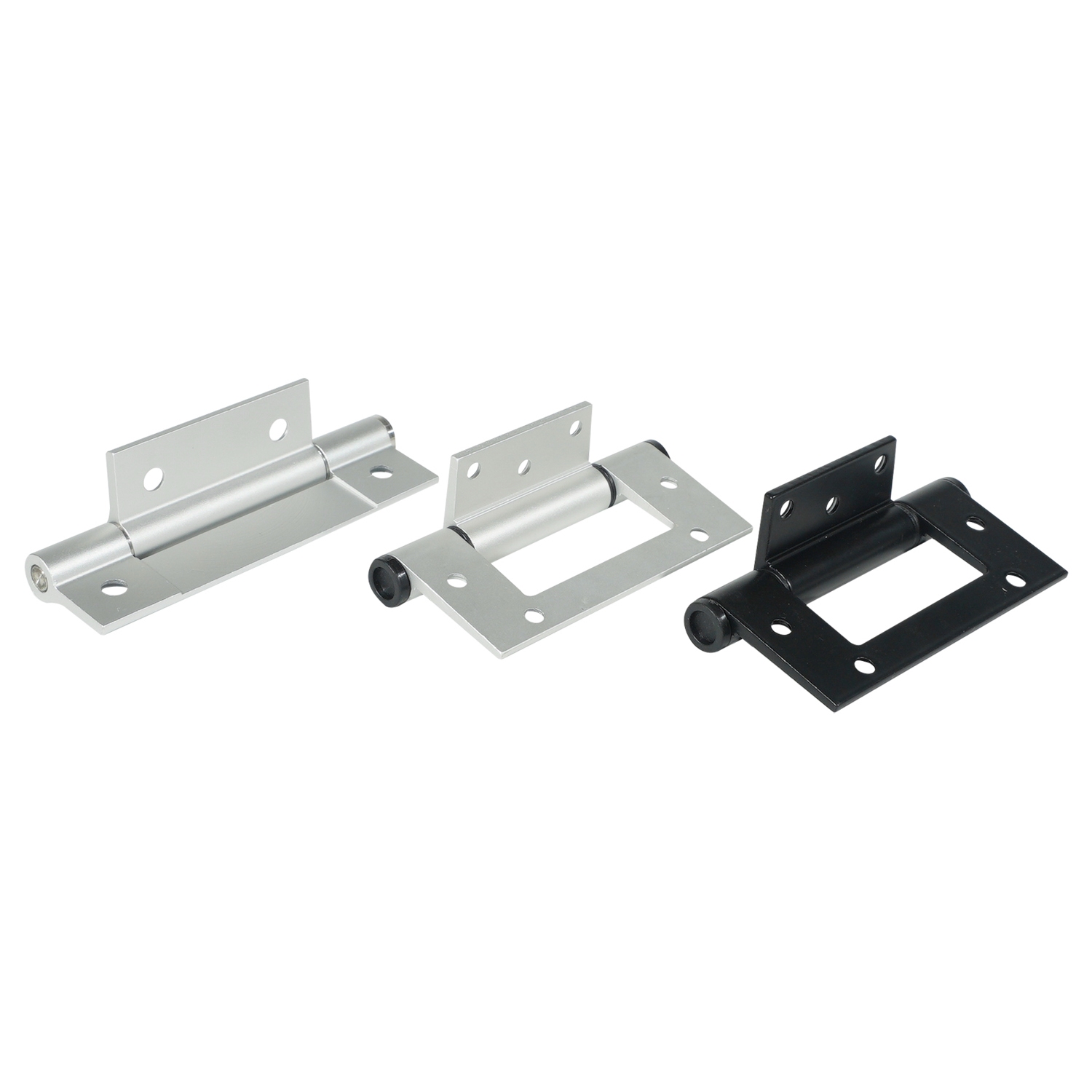
For example, models like the ST0209 use these materials to create a firm turning spot for doors, windows, and cabinets. The load-bearing capacity serves as the main sign of safety. It sets the top weight that the part can hold up.
Advanced Surface Treatments
For demanding uses, particularly outside or in rough conditions, the outer layer matters as much as the metal. Basic finishes cover Zinc, Brass, Chrome, and Powder Coating. Yet, for better lasting power, special methods like Penetration Galvanizing or Hot-Dip Galvanization work well.
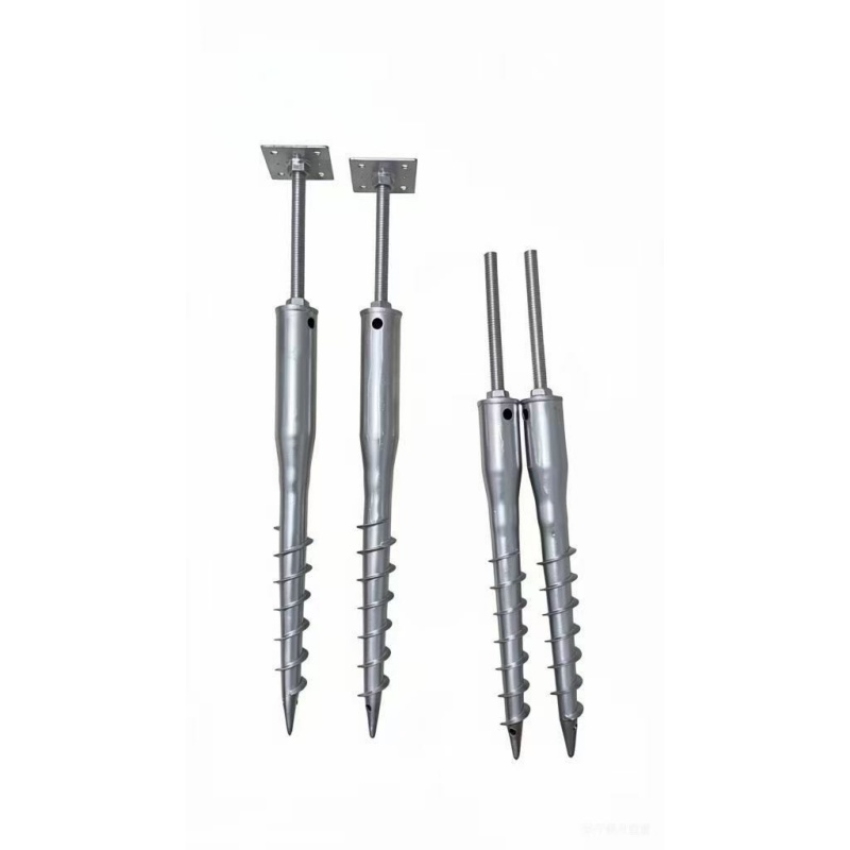
Penetration galvanizing suits adjustable hinge parts best. It gives strong protection against rust, often over 400 hours in salt spray tests. At the same time, it keeps the threads smooth for later changes.
Why Your Choice of Industrial Hinge Manufacturer Matters
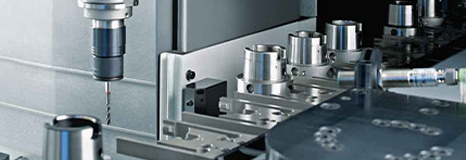
The way things are made decides the accuracy of the fittings. A leading industrial hinge manufacturer ought to use skilled stamping lines and automatic welding tools. This way, every piece matches the needed specs exactly.
Specialized Production Standards
Exact stamping makes sure the hinge sizes hit the mark down to the millimeter. This matters a lot for concealed hinges, where small mistakes can cause issues.
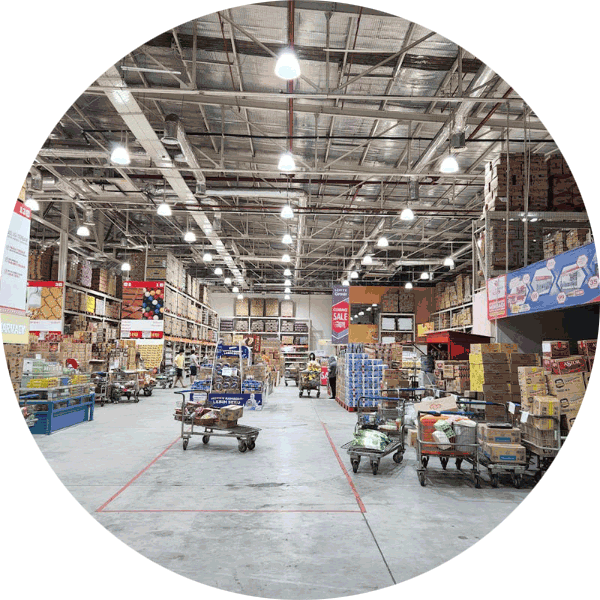
A supplier with a 20,000 square meter site fitted with punch presses and argon arc welding, such as STRZ, can keep the steady quality needed for big business deals.
Certifications and Global Compliance
In business-to-business dealings, confidence comes from proof like certifications. Dependable providers carry CE and BSCI certifications. These confirm that their goods meet European and worldwide safety and moral rules.
Plus, following ASTM or DIN standards makes sure the fittings work with building codes around the world.
Comparing Hinge Examples for Industrial and Commercial Use
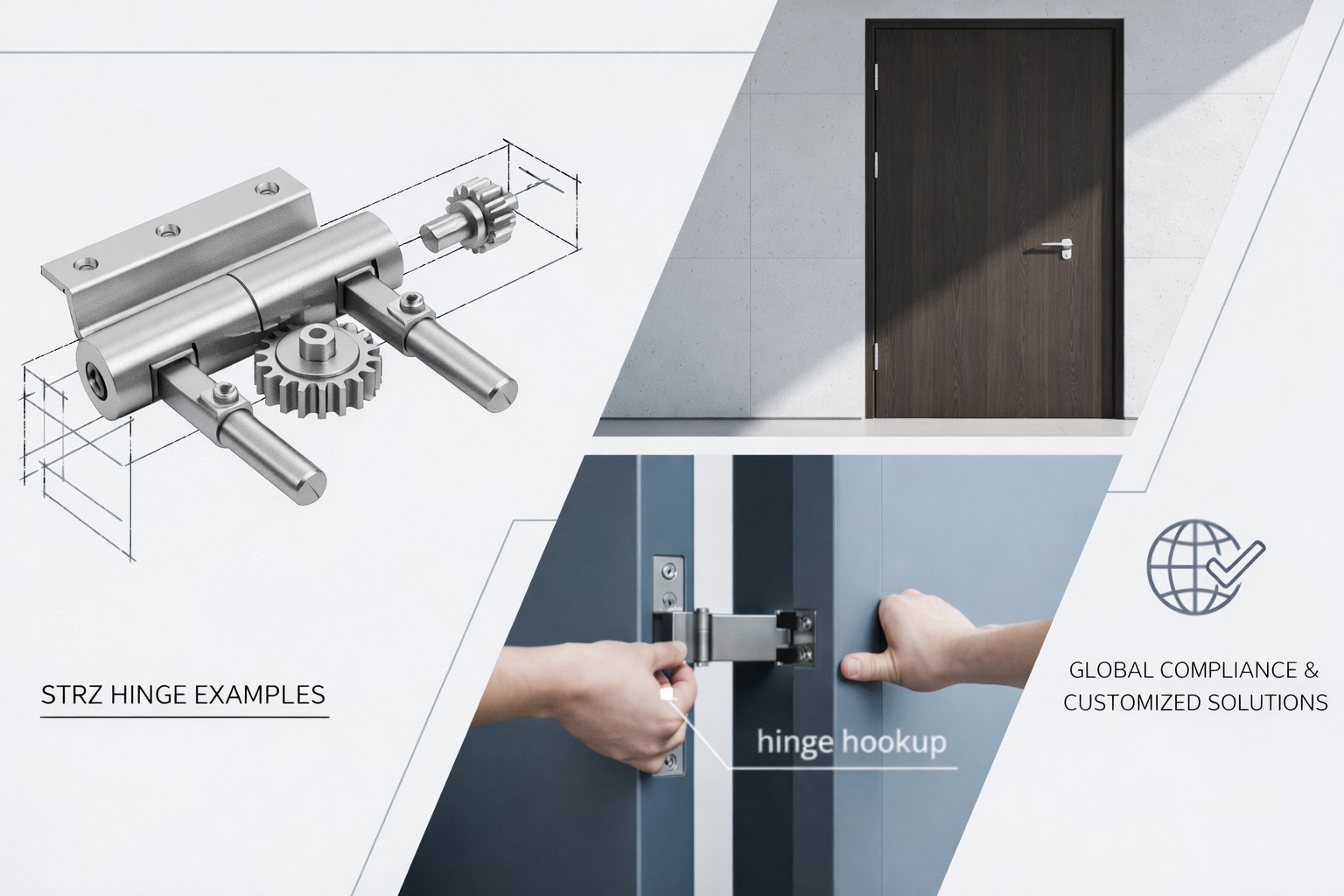
Choosing the best fittings means checking specific hinge examples to fit the job’s weight and surroundings. Below, you will find a review of usual heavy-duty hinge details from expert hardware lists.
Technical Specification Comparison Table
|
Product Category |
Model / Item No. |
Material Options |
Common Sizes |
Available Finishes |
|
European Standard Hinge |
JHR3530-2BB |
Stainless Steel / Brass |
3.5″ x 3″ |
PB, AB, CP, PN, etc. |
|
Heavy-Duty Stamped Hinge |
ST0209 |
Steel, Brass, Stainless Steel |
Optional / Customized |
Zinc, Polish, Chrome, Powder |
|
Commercial Window/Door Hinge |
ST0502 |
Stainless Steel / Aluminium |
77mm or Optional |
Zinc, Nickel, Chrome, Powder |
|
Weld-On Gate Hinge |
ST0110211 |
Iron / Steel |
Optional |
Polish / Natural |
For jobs that need certain styles, tailored colors and finishes play a big role to blend with the full building plan. If you want square or round edges, the supplier should provide these as options for custom designs.
The Hinge Hookup:Tips for a Flawless Installation
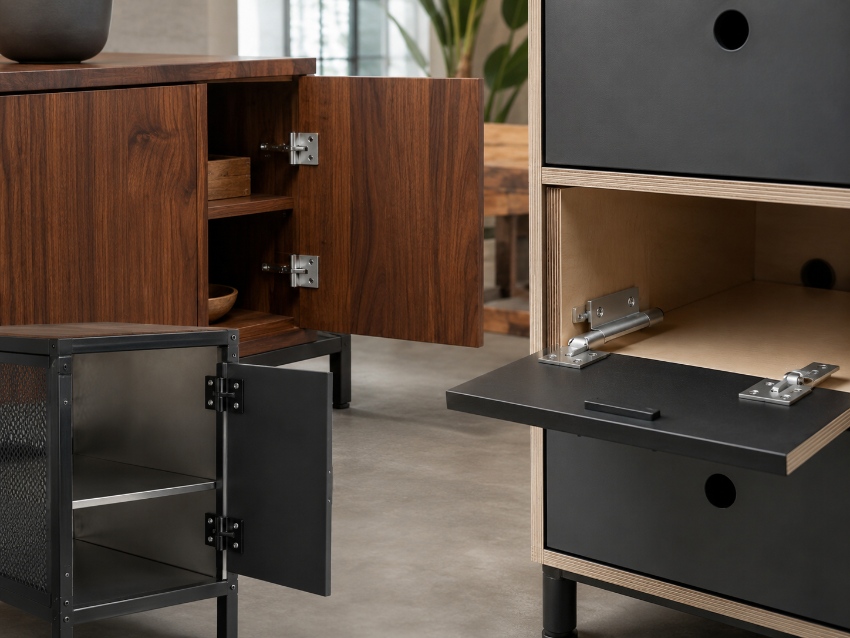
A good hinge hookup, which is the step of linking the hinge to the door and frame, needs more than basic screws. It calls for careful lining up and ready work.
- Alignment and Precision: Set hole spots are vital. The right sizes make the concealed hinge line up just right with the door part. This eases the setup of special gear.
- Material-Specific Prep:For dense woods such as oak or teak, pre-drill the holes first. Doing so stops the wood from splitting when you insert the strong screws.
- Preventing Door Sag:With heavy doors, the hinge’s thickness counts a lot. Picking a thickness of 2.5mm or 3.0mm, like in the JHR series, gives the firm support to stop the door from dropping over time.
- Long-term Maintenance:Apply rust-fighting oils to keep the hinge turning points tight and easy to move. This helps especially in busy business spots.
How Do Strategic Sourcing and Customized Services Create Value for Industrial Buyers?
In today’s supply networks, getting custom fittings is a must for staying ahead. Business buyers should look for suppliers that give full custom service options. These include several key areas.
- Dimension Customization:Change the length, width, and hole setups of hinges to suit special door shapes.
- Coating Customization:Offer better galvanization, up to 100μm thick, for seaside jobs. Or pick color-coated choices for style needs.
- One-Stop Solutions:A solid supplier does more than sell the item. Such a partner covers everything from picking materials and making methods to checking quality and safe shipping abroad.
Case Reference: Reliability in Action
Many suppliers claim top quality, but actual results show the truth best. In European jobs, custom parts with special penetration galvanizing passed salt spray tests over 400 hours. Field reports noted that these components ran without sticking or harm to threads. This kind of dependability has built strong buyer approval and ongoing ties in more than 20 nations.
Conclusion
Picking the best industrial hinge manufacturer forms a basic step to secure the safety and lasting use of any heavy-duty entry setup. By stressing material strength, exact making, and the skill to supply custom fittings, you guard your building’s budget from the start.
At STRZ, we support global projects through precision stamping, advanced surface treatments, and flexible customization. Beyond manufacturing, we provide technical consultation, application-specific guidance, and reliable delivery support to ensure each hinge solution performs consistently in demanding industrial and commercial environments.
FAQ
Q: What is the main difference between hot-dip galvanized and electro-galvanized hinges?
A: Hot-dip galvanized hinges feature a thicker layer, from 60-85μm. They provide much better guard against rust for outside spots. Electro-galvanized hinges have a thinner coat, 8-15μm. They cost less and suit inside, dry areas well.
Q: How do I choose the right hinge size for a heavy commercial door?
A: Pick the size based on the door’s weight and height. Usual industrial sizes are 3.5″ x 3″ or 77mm. For unique doors, go with custom sizes from the supplier’s load tests.
Q: Can concealed hinges be used on steel gates as well as wooden doors?
A: Yes. For steel jobs, weld-on hinges or custom steel versions fit best. Suppliers can make them in steel, stainless steel, or iron to match the gate’s build.
Q: What should I do if my heavy-duty door begins to sag after installation?
A: Sagging usually comes from thin hinges or weak screw holds. Make sure to use hinges at least 2.5mm to 3.0mm thick.
Q: How can I verify the quality of a batch of hinges from a new manufacturer?
A: Ask for a test report using global rules like ASTM D1761. Check the supplier’s papers, such as CE or BSCI.
 Consult
 Whatsapp
 Leave Message
 top
top