






Efficiency in Construction: A Step-by-Step Guide to Installing Ground Screw Anchors
Introduction
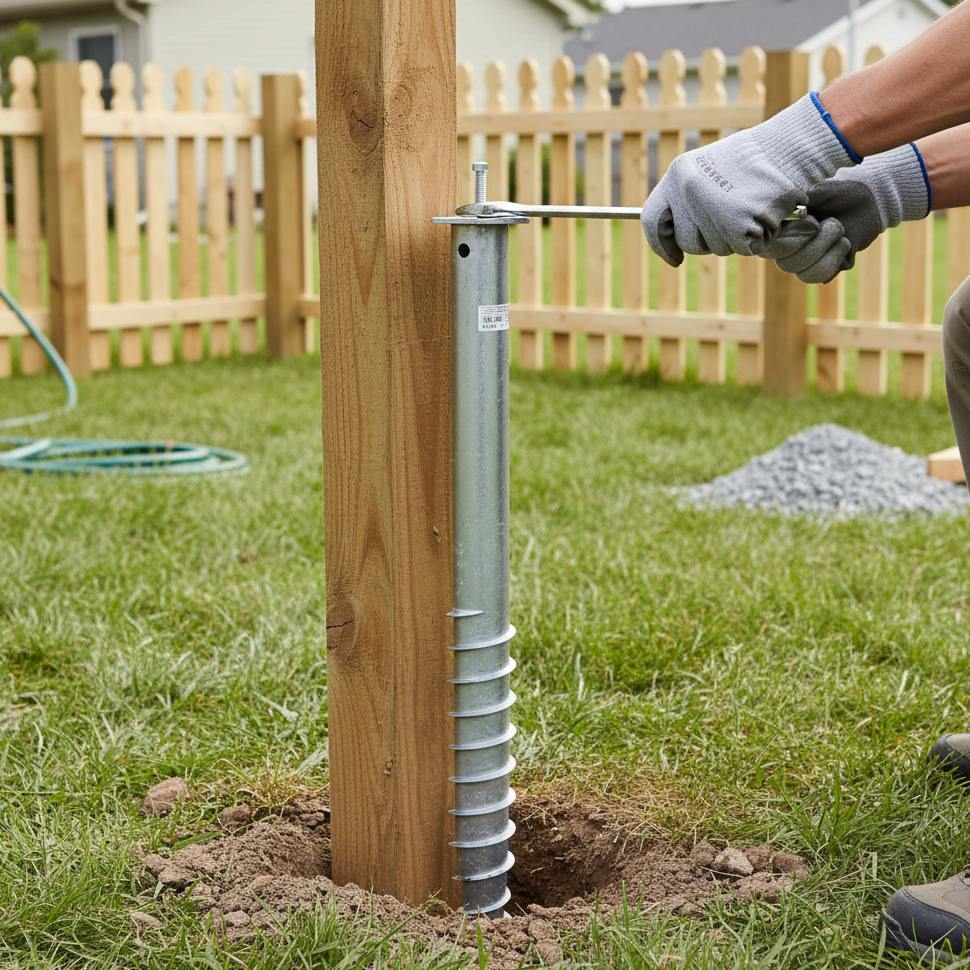
Builders and developers today often search for quicker, tidier, and more flexible base options in the building field. Ground screws shift swiftly from a specialty item to a popular option. These provide a firm substitute for usual concrete bases. You avoid large-scale digging or drying periods. This guide examines ways that installing ground screw anchors can transform your job’s speed. It ranges from home patios to large solar installations.
Understanding Your Options: 4 Types of Ground Anchors
Select the proper ground screw post anchor based on your soil conditions and building demands. Here are the four main varieties applied in skilled drilling tasks:
|
Type |
Best For |
Technical Highlight |
|
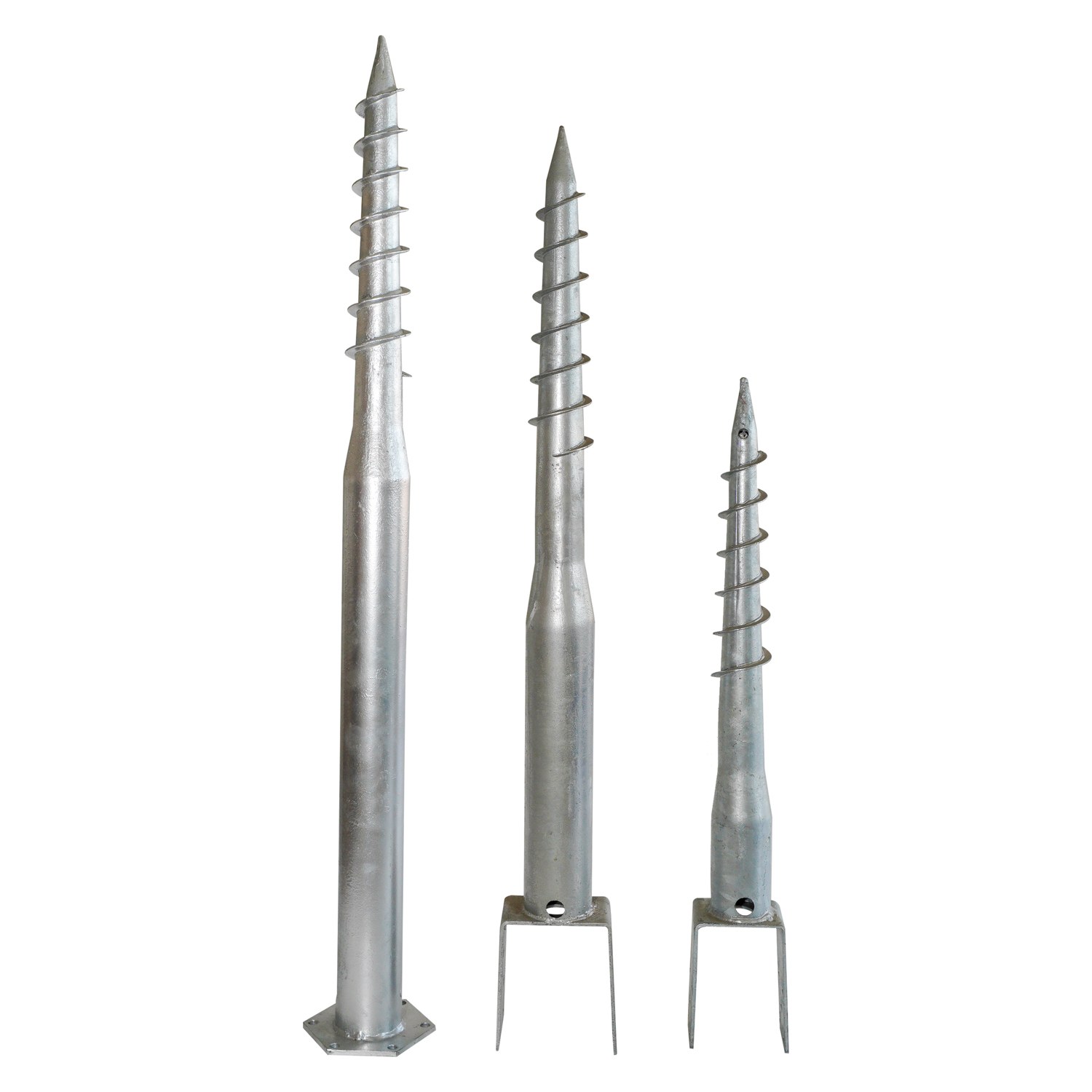
M Straight Type |
Heavy-duty construction & utility-scale solar |
Available in sizes like M68x120x1200mm with 1.8mm to 3.0mm tube thickness. |
|
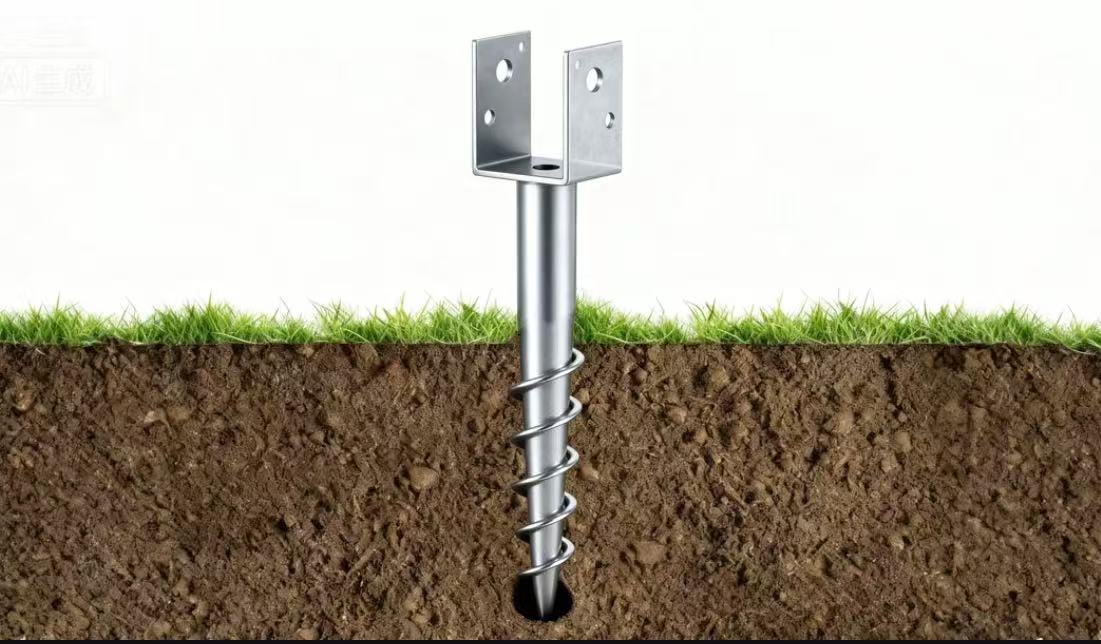
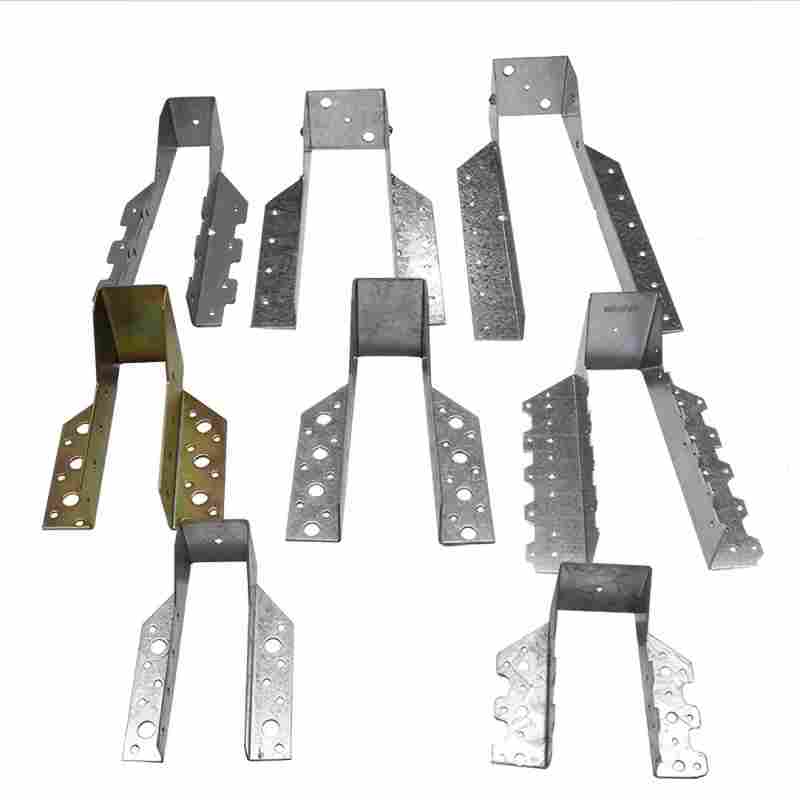
U-Type Anchor |
Timber posts, fencing, and garden decks |
Specifically designed for timber with widths like 70mm, 81mm, or 101mm. |
|
M Shrink Tube |
High-precision drilling in varying soil densities |
Features tapered designs for easier penetration; example: M120x6/6x1200x1.8mm. |
|
Flange Type |
Permanent structures requiring a bolting surface |
Features a top plate (flange) for secure attachment to steel or timber beams. |
Pre-Installation: Tools and Materials Selection
Good results start with picking suitable materials. For ongoing strength, particularly in rough outside conditions, tailored surface finishes prove vital. Hot-dip galvanization (HDG) delivers a solid barrier against corrosion and dampness. As a result, it lengthens the useful period by 10-15 years versus bare steel.
Projects that call for fine accuracy, for instance, those involving adjustable nuts or brackets, benefit from custom penetration galvanizing. This keeps the threading working without hitches. Such issues frequently link to heavy HDG layers.
Superior Durability Through Advanced Surface Treatment
The Importance of Surface Protection for Ground Screw Anchors
The success of installing ground screw anchors relies heavily on the quality of surface protection. In modern foundation construction, different environments—from high-humidity coastal areas to acidic soils—place high demands on corrosion resistance.
Traditional Hot-Dip Galvanizing
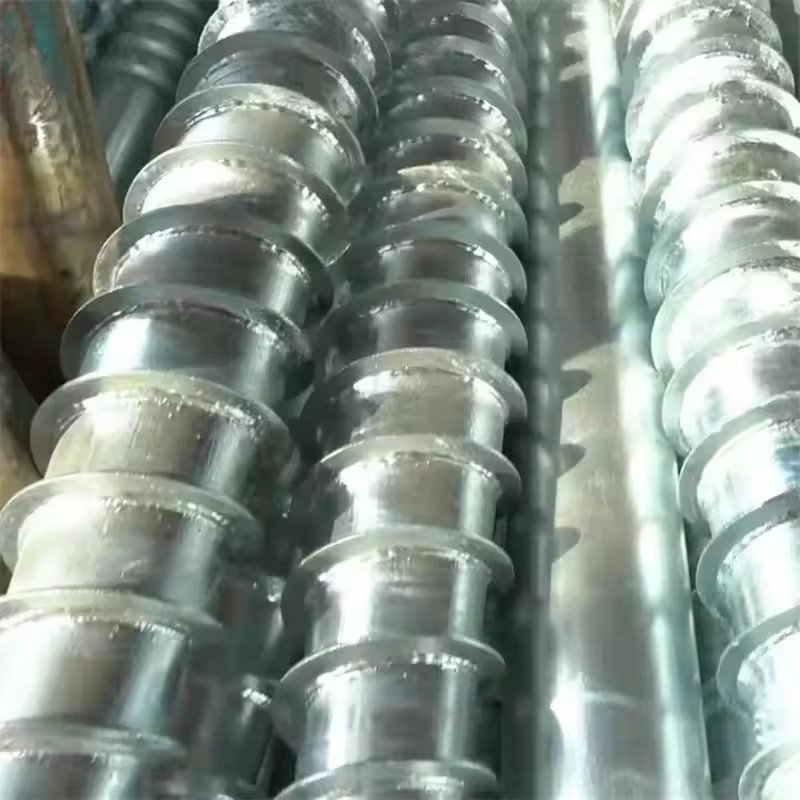
Traditional hot-dip galvanizing remains a popular choice due to its thick zinc-iron alloy coating. It provides strong corrosion resistance, making it a common option for many projects.
Customized Penetration Galvanizing: The Advanced Solution
For high-end projects where appearance and mechanical precision are paramount, customized penetration galvanizing offers a significant advantage. This advanced treatment allows for a brighter, cleaner finish and ensures that adjustable components, such as nuts and brackets, operate smoothly without thread damage.
Choosing the Right Coating for Long-Term Durability
By choosing the right coating, such as customized options with salt spray resistance exceeding 400 hours, contractors can guarantee structural integrity and aesthetic appeal for decades. This versatility ensures that whether you are working on a public infrastructure project or a private residential deck, your foundation remains secure against the elements.
Step-by-Step Guide to Installing Ground Screw Anchors
Stick to these steps. That way, you secure a skilled and solid base.
Step 1: Site Assessment & Marking
Indicate the setup locations following your building blueprint. Frequently, you can wrap up the site marking plus early checks within one day.
Step 2: Driving the Screw
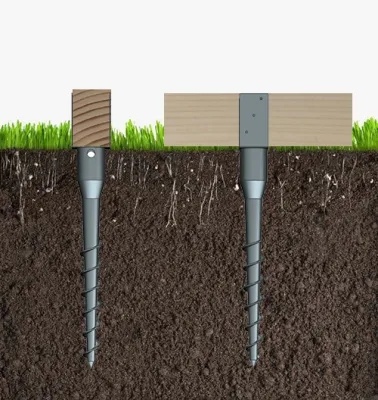
Grab hand-held tools for modest DIY jobs. Or use compact equipment for broader setups. Then, push the screw into the earth. The pointed tip of the ground screw post anchor permits swift and simple entry.
Step 3: Depth and Alignment
Watch the insertion level according to your weight demands. Take screws from 800mm up to 2050mm, for example. These match diverse soil kinds and land features. Verify that the post anchor remains even. Doing so avoids any building shift.
Step 4: Immediate Loading
A major plus of installing ground screw anchors lies in the ability to load right after setup. You bypass any wait for concrete hardening. Consequently, your work can conclude as early as two weeks before the planned date.
Real-World Case Studies
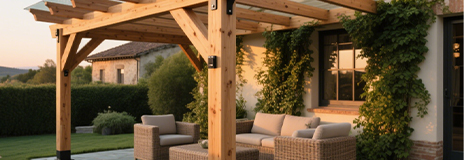
Residential Efficiency: One effort in Poland centered on erecting a 4×3 meter storage unit on tilted soil. The site had a 40cm elevation gap. Standard concrete setups would demand major site work. In contrast, the ground screw method went into place quickly. The entire undertaking was wrapped up in a single day.
Industrial Scale: Workers at a 5-MWp solar site in the UK applied screw bases. This approach held timelines firm while minimizing soil disruption. Such practices highlight the benefits of large-scale green power projects.
Why Choose a Professional Ground Screw Anchor Supplier?
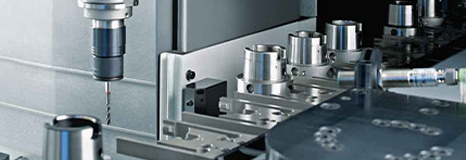
As you gather supplies, a dependable ground screw anchor supplier ought to supply broad, tailored support. Such aid covers adjusted measurements to fit particular wood post dimensions. Examples include 80x80mm or 110x110mm anchors. It also involves modified coating depths reaching 100μm for severely erosive shore areas. Partnering with a vendor that upholds expert stamping plus automatic welding processes guarantees consistent standards. Moreover, it meets worldwide regulations like CE, BSCI, and ASTM.
Optimize Your Foundation with STRZ
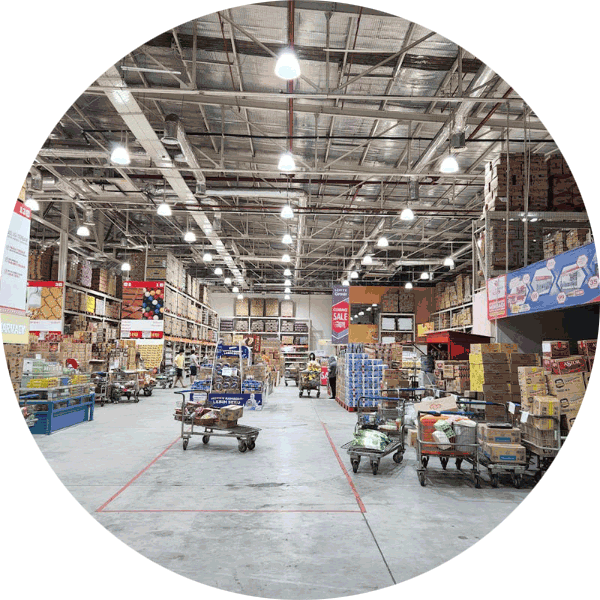
As a key ground screw anchor supplier operating a 20,000-square-meter site, STRZ delivers reliable, made-to-fit base solutions for international clients. Do you require a routine ground screw post anchor? Or perhaps a bespoke heavy-duty M-type screw? Our staff furnishes carefully crafted goods. These cut down on duration and trim expenses. Get in touch with STRZ right away for an expert estimate on your forthcoming endeavor.
FAQ
Q: Can ground screws be used in sloped or uneven terrain?
A: Yes. Ground screws suit inclines perfectly. Examples from real jobs indicate that ground screws handle elevation variances of 40cm or higher with ease. Best of all, you skip the task of smoothing the full area using concrete.
Q: How do ground screws compare to concrete in terms of environmental impact?
A: Ground screws stand out as much more eco-friendly. These skip any digging work. They leave the earth permeable. Plus, ground screws allow total recovery for reuse. You extract and shift them without generating debris.
Q: Is it possible to install these anchors in very hard or rocky soil?
A: Yes. Start with pilot holes and dedicated drilling tools. The robust steel makeup, combined with pointed ends, assists ground screws in breaking through challenging spots.
Q: What is the expected lifespan of a galvanized ground screw?
A: Hot-dip galvanized screws generally provide a working duration exceeding 15 years in external settings.
Q: Can I get a ground screw post anchor in a specific size for my project?
A: Leading suppliers commonly extend personalized selections. Through these, you modify the span, breadth, and opening placements to align with your precise lumber elements.
 Consult
 Whatsapp
 Leave Message
 top
top