





How Do Wood Beam Connection Types Affect Cost
Einführung
Wood beam connection types affect cost before anyone talks about the final carton price. The connector shape changes steel weight. Hole positions change installation speed. Coating changes how long the hardware lasts outdoors. Fasteners decide whether an inspector accepts the joint or asks the crew to open another box and start again.
This is where many purchasing mistakes happen. A buyer sees two wood connector types that look similar in a photo, then chooses the cheaper one. On site, the crew finds the hanger is too shallow, the holes do not match the screw schedule, or the finish is too light for outdoor use. The invoice looked good. The job cost did not.
Sunstone Ruize(STRZ) supplies wood connector solutions for beam-to-beam, beam-to-post, corner, plate, and custom timber connections. These solutions support applications including deck construction, outdoor wooden structures, furniture manufacturing, and building hardware distribution.
What Makes Beam Connection Cost More Than the Part Price?
A connector is priced by more than size. Steel thickness is the first clue. Thinner angle brackets are generally selected for lighter applications such as furniture or decorative structures. Thicker connectors, such as 2.0 mm, 2.5 mm, or 4.0 mm models, use more steel and forming work, which can increase cost while providing higher stiffness for more demanding timber connections.
Finish is the second clue. Zinc-plated parts are often chosen for dry indoor channels and retail packs. Z275 galvanized sheet is common in construction hardware. Hot-dip galvanizing at 60 to 85 microns is better for rain, snow, and long outdoor exposure. For coastal sites, buyers may ask for enhanced galvanization up to 100 microns. That coating costs more, but replacing rusted connectors costs far more.
The Small-Bracket Trap
Small brackets are not bad products. They are bad only when they are asked to do the wrong job. A wood angle connector can square a cabinet frame or reinforce a light corner. It should not be used as a shortcut for a load-bearing timber beam connection. When buyers separate furniture brackets, deck hardware, and structural timber framing hardware in their catalogue, returns and complaints usually drop.
How Do Beam-to-Beam Connections Change the Choice?
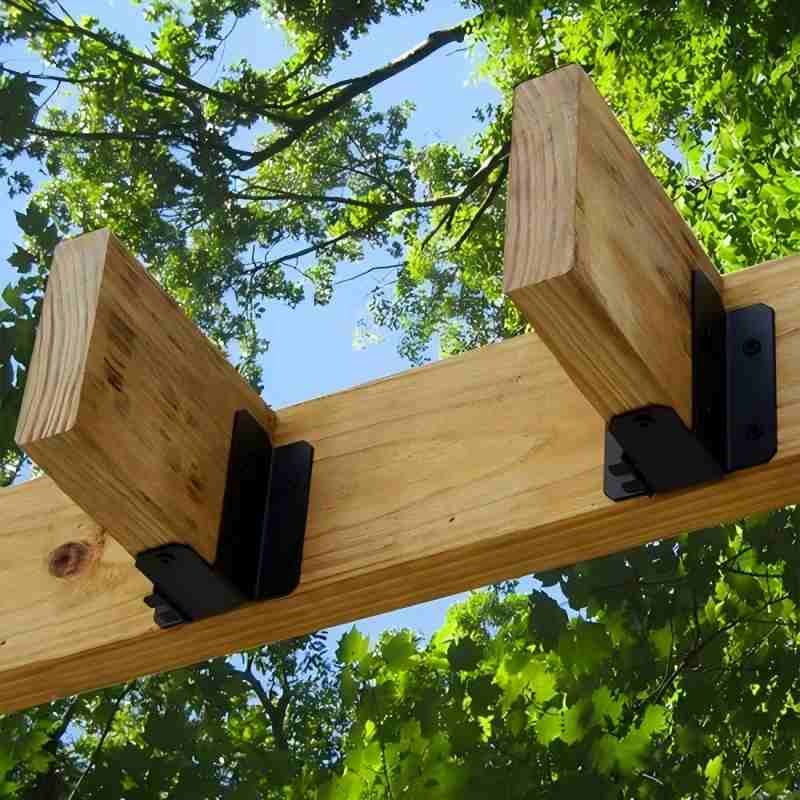
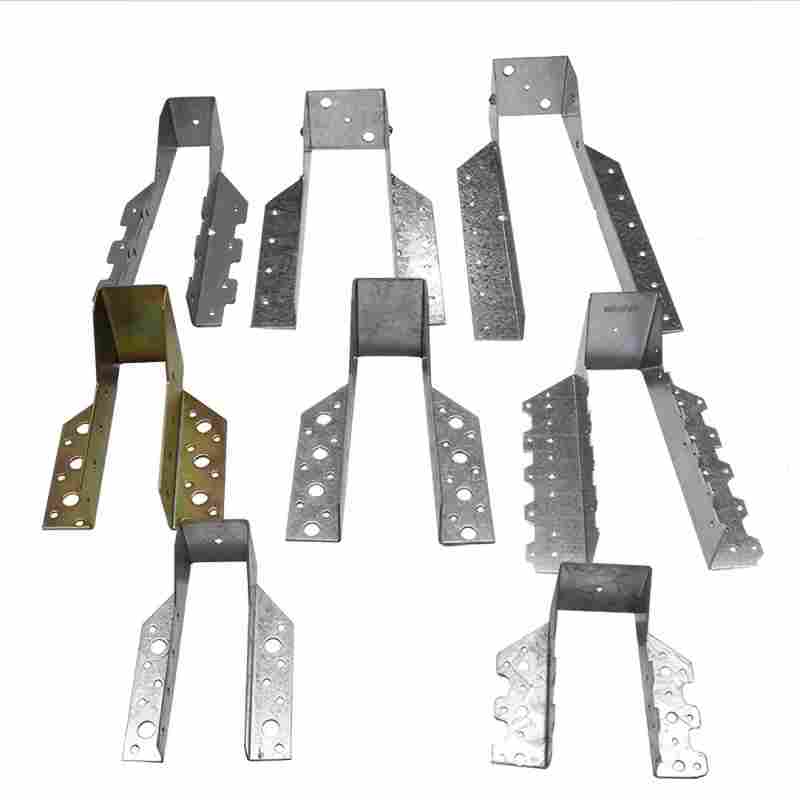
Beam-to-beam connections often need a part that supports the end of one timber member while fixing it to another. Joist hangers and beam hangers are popular because they give the timber a seat. They also show the fastener pattern clearly, which helps during site checks.
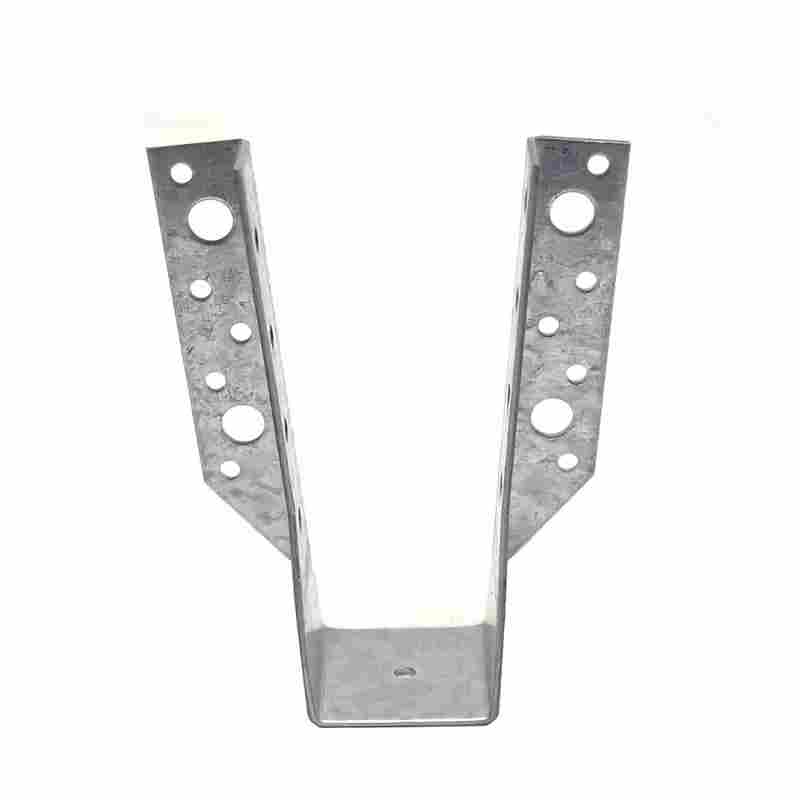
Fit is what buyers should watch. A hanger that is too narrow forces field modification. A hanger that is too wide lets the member move. A shallow hanger may not control rotation. Common joist hanger sizes include 40x94x2.0, 50x90x2.0, 60x100x2.0, and 80x120x2.0. Some models use ZP finish, while other joist hanger ranges use DX51D+Z275 galvanized sheet with 2 mm thickness.
The Hanger Fit Check
Before ordering, compare the timber width, hanger height, steel thickness, hole diameter, and fastener type. For example, a 40x94x2.0 joist hanger with suitable hole patterns must match the timber size and fastening method before installation. Larger models such as 80x120x2.0 are designed for wider members. These dimensions directly affect whether the timber fits securely or requires additional adjustment on site.
Why Do Beam-to-Post Joints Need Care?
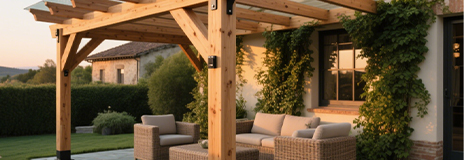
Beam-to-post joints need careful selection because they must maintain stable connections between vertical posts and horizontal beams in outdoor structures. Pergolas, outdoor corridors, timber shelters, and modular frames are good examples. Wind does not politely push in only one direction. A flat plate may be enough for alignment, but it may not secure a large beam.
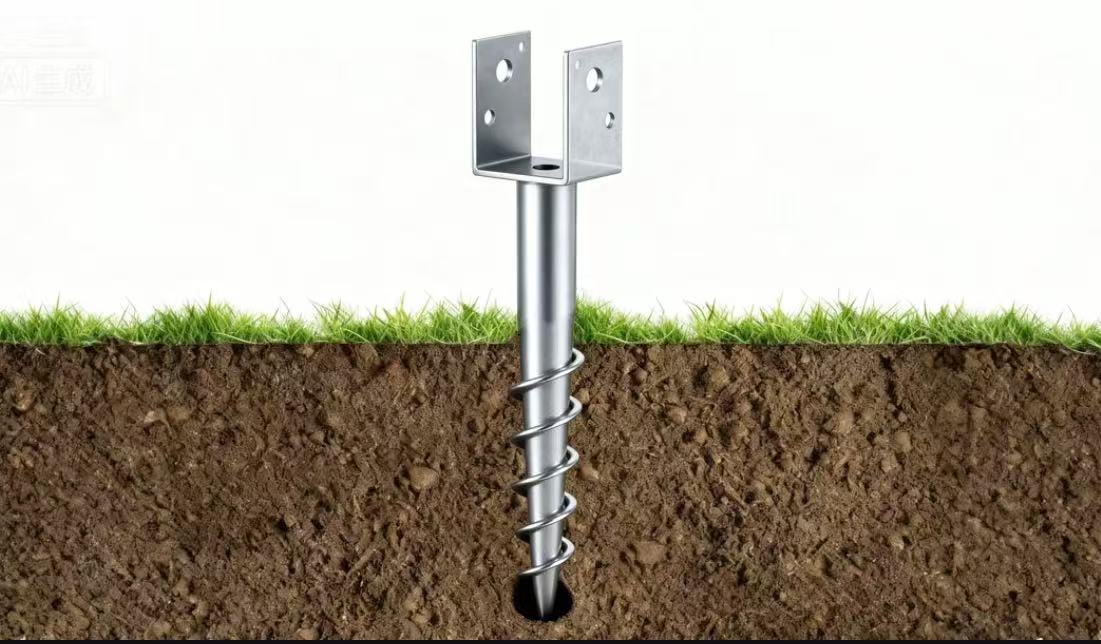
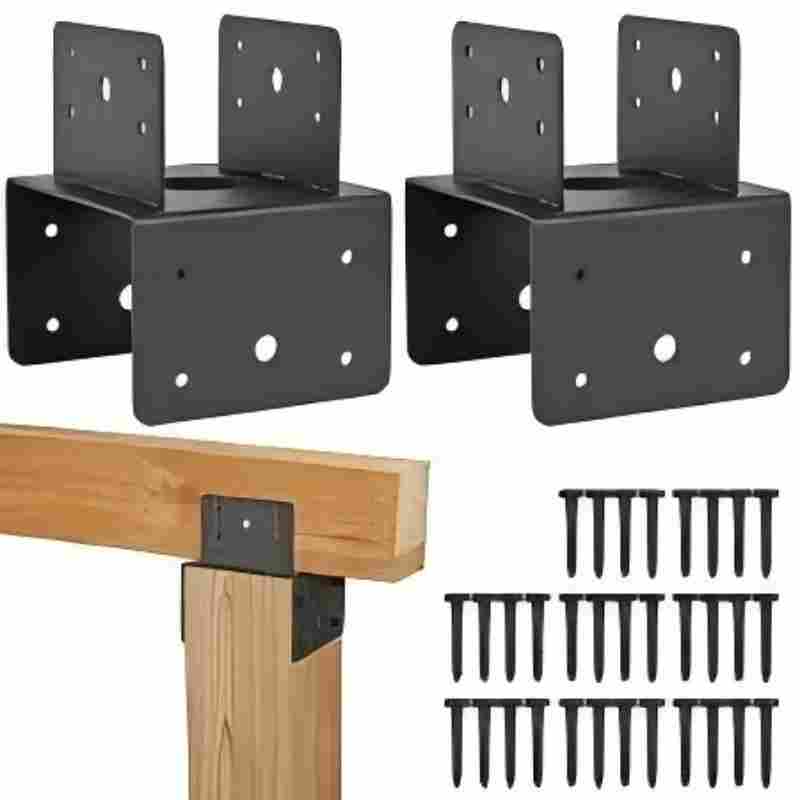
U-type connectors, post caps, beam anchors, and heavier angle brackets spread force through several fasteners. Heavy-duty U-type connectors, such as a 60x60x4.0 penetration galvanized connector with 0.58 kg per piece. ST7054, a Type U 100x100x4.0 connector, is listed at 1.49 kg per piece. These are not simple shelf brackets with a different name. They are selected when timber connections require higher stiffness, reliable fixing, and long service life.
What Role Do Corner and Plate Connections Play?
Corner connectors and timber plate connectors still have a strong place in wood construction. A wood corner connector can square a light frame, reinforce a stair detail, or support a small timber assembly. Timber plate connectors can reinforce face joints where two members meet in the same plane. Connecting plates such as 40x15x2x2 mm or longer flat connectors such as 40x160x2.0 are useful when the work is about alignment and surface reinforcement rather than seating a beam.
The problem starts when one product category is stretched too far. A plate connector may look strong, but it cannot automatically replace a joist hanger. A T-shape bracket may be convenient, but it still has to match the load, fastener, timber species, and environment.
How Can Buyers Control Cost Across Markets?
The best cost control comes before quoting. A dry indoor renovation channel may choose zinc-plated angle brackets in small boxes. Outdoor pavilions usually need Z275 or hot-dip galvanized connectors with compatible screws. Coastal outdoor projects may need thicker galvanizing. Projects with special installation requirements may need custom hole patterns, anti-slip washers, or shock-absorption pads.
Project feedback is useful here. In a U.S. residential community project, we supplied 10,000 galvanized joist hanger sets. The project passed local code checks and finished two weeks ahead of schedule because the hangers aligned quickly. In a European garden landscape project, customized galvanized connectors were used in 50 outdoor wooden pavilions. After three years, no corrosion or structural loosening was found.
Schlussfolgerung
Wood beam connection types affect cost because they shape the whole workflow. The right timber beam connection reduces fitting time, protects structural performance, helps inspection, and lowers maintenance risk. Buyers should compare load direction, timber size, coating, hole pattern, fastener compatibility, packaging, and local rules before choosing a wood connector. A cheap part is not cheap if it creates rework.
FAQ (häufig gestellte Fragen)
Can wood beam connection types be customized for different markets?
Yes. Dimensions, hole positions, coating thickness, color coating, washers, and vibration pads can be customized. Buyers should share drawings, target country, timber size, and annual quantity before quoting.
How do wood beam connection types affect installation time?
Correctly matched connectors reduce measuring, drilling, shimming, and field modification. Joist hangers and beam hangers with standardized holes help crews repeat the same fixing pattern faster.
What after-sales support should buyers ask for with wood beam connection types?
Buyers should ask about warranty terms, coating quality claims, transport damage handling, installation guidance, and batch documents. These details matter for distributors, contractors, and factory buyers managing repeat orders.
 Beraten
 von Whatsapp
 Nachricht hinterlassen
 oben
oben