








How to Verify Load-Bearing Connectors Before Purchase
Einführung
Buyers cannot verify load bearing connectors based only on product photos or general material descriptions. A defensible purchase starts with the connection, design action, timber condition, fastener schedule, and project standard, then ties every drawing, sample, test record, and packing label to one article number. This documentation trail helps procurement teams compare suppliers without assuming that similar-looking brackets provide the same performance.
Start With the Connection Requirements, Not the Product Range
The RFQ should begin with the load path and connection requirements. Record which member is supported, which member carries the reaction, the force direction, whether uplift or lateral action matters, and whether the joint is inside, outside, sheltered, or exposed. These inputs narrow the field before buyers compare timber connectors by price or finish.
Separate product families before comparison
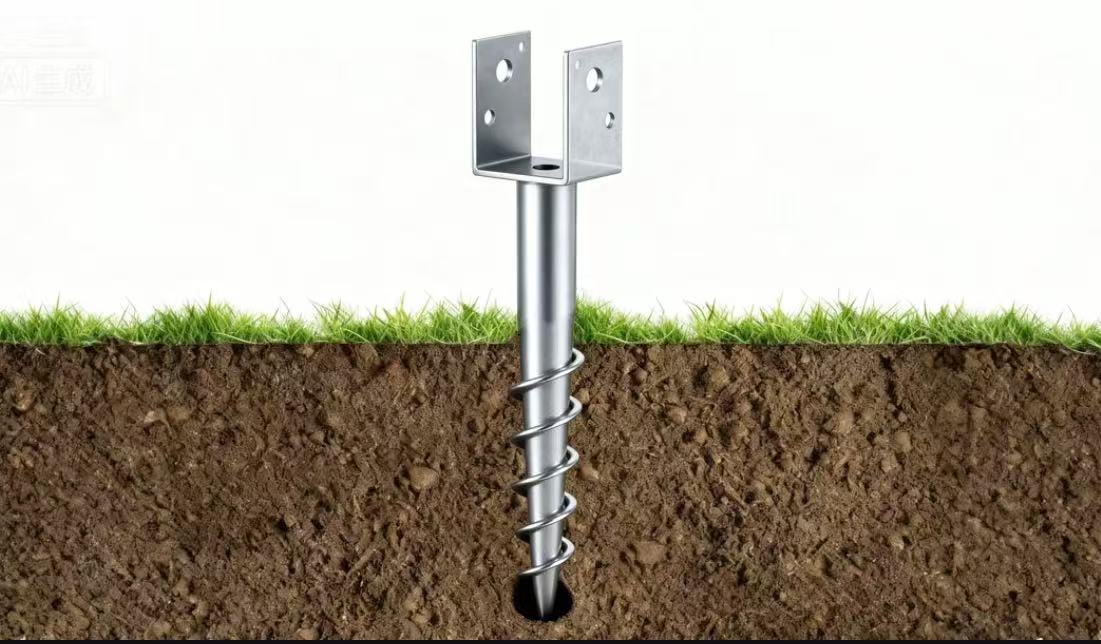
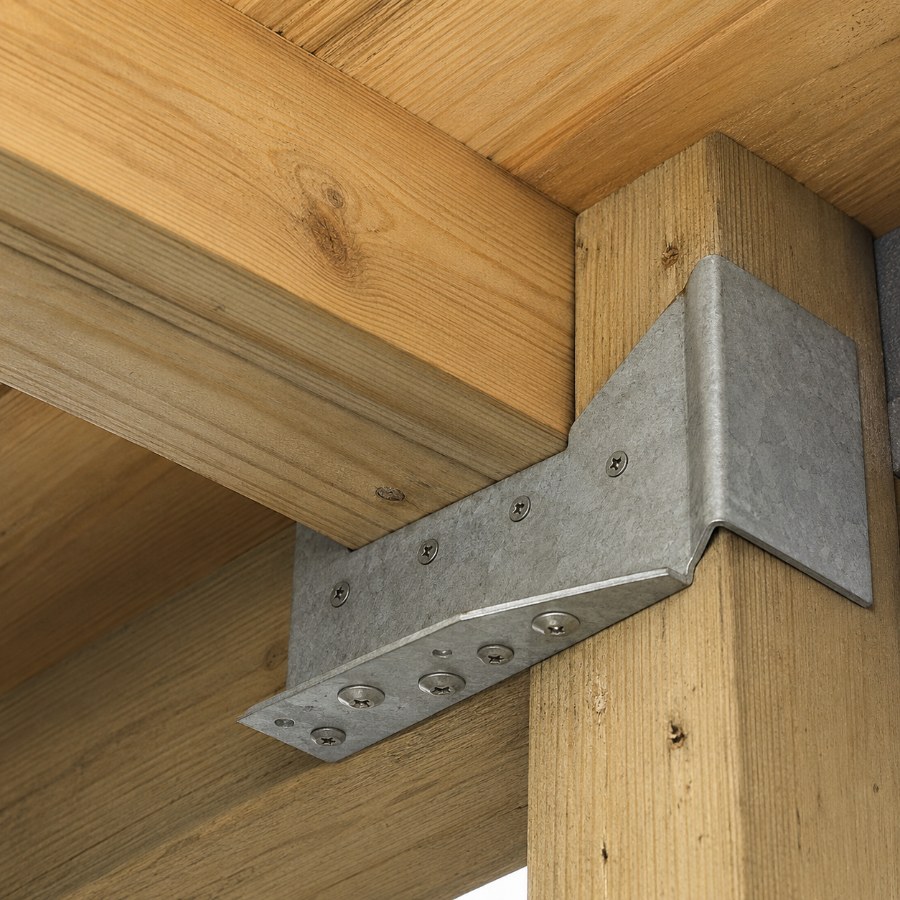
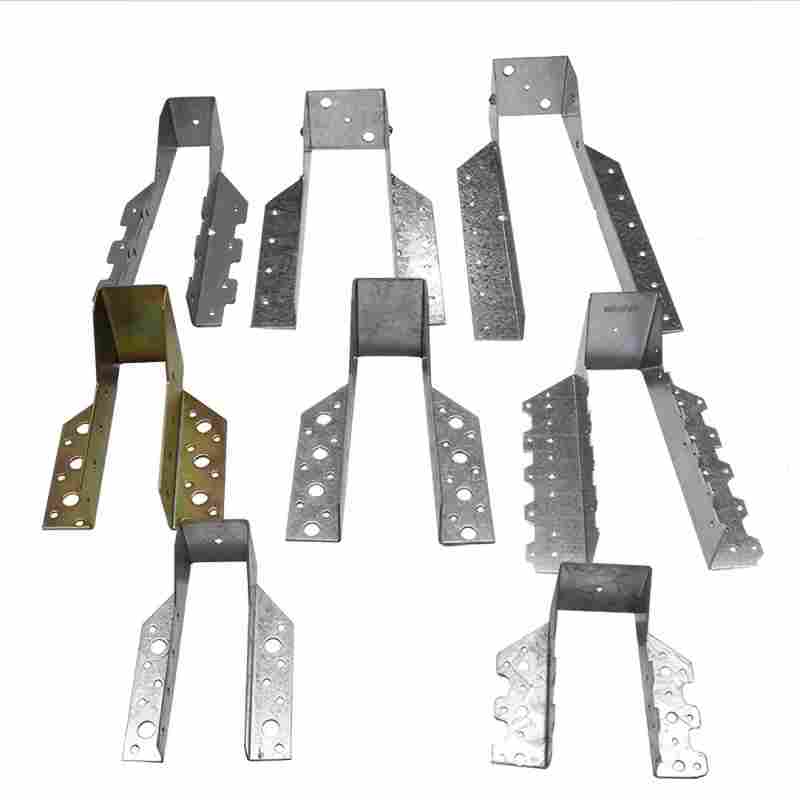
A joist hanger, angle bracket, flat plate, rafter tie, and post support solve different connection problems. Sunstone Ruize(STRZ) product ranges include joist hangers, beam hangers, angle brackets, pillar bases, and other wooden structure connectors. Buyers should compare wood joint connectors within the same application category because geometry, hole patterns, fastener requirements, and inspection criteria vary between product families.
Define the design inputs the supplier must receive
Useful design inputs include timber species or engineered-wood product, member size, moisture or exposure condition, design actions, load duration, fastener type, edge distances, and the governing project standard. In the United States, wood connection design commonly references the National Design Specification, while other regions may follow their applicable structural design standards. The project engineer must confirm the required rules and evidence.
1.Identify the supported and supporting members on a marked drawing.
2.State the load case and design responsibility instead of requesting a generic strong bracket.
3.List the intended fasteners, installation access, and environmental conditions.
4.Ask which documents apply to the exact model, size, material, and finish.
Build a Verifiable Product Data Set
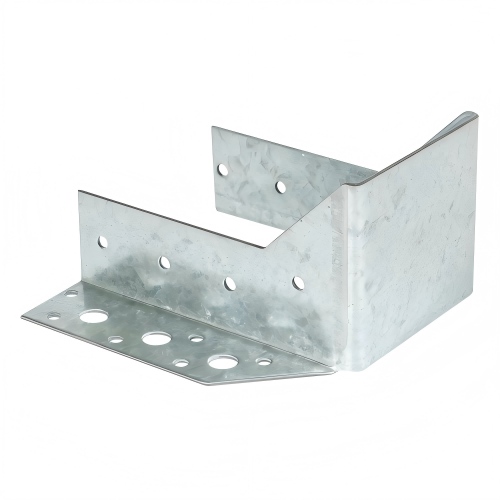
A complete data set allows engineering, purchasing, and inspection teams to evaluate the exact same product specification. Each entry should show the article number, revision, dimensions, thickness, material, finish, hole pattern, compatible fasteners, intended use, and available load or test documentation. This is the practical difference between a catalogue of Holzverbinder and an auditable procurement package.
Keep evidence at model level
Model identity matters because one series can contain several gauges, widths, hole patterns, and finishes. Sunstone Ruize(STRZ) catalogue examples include joist hanger ST7007 at 100 x 100 x 2.0 mm with a Z275 finish and joist hanger ST14338 at 40 x 94 x 2.0 mm with a ZP finish. These examples show why a buyer should never transfer a drawing, finish, or performance statement from one SKU to another.
Request documents that answer a decision
Evidence should answer a defined approval question. A dimensioned drawing confirms geometry; a material record supports grade identification; a finish record identifies the ordered surface treatment; a test report may support a stated configuration; and an installation sheet connects the product to its fastener schedule. Load bearing connectors need this traceability before a numerical value can be used in design or marketing.
|
Buyer question |
Required record |
Acceptance focus |
|
Is this the approved geometry? |
Revision-controlled drawing |
Member fit, thickness, bends, holes |
|
Does the finish match the order? |
Finish code and inspection record |
Exact SKU and exposure requirement |
|
Can a load value be used? |
Model-specific test or design data |
Configuration, timber, fasteners, limits |
|
Can inspectors identify the goods? |
Sample, label, and packing specification |
Article number and revision match |
Inspect What Will Actually Ship
Inspection should follow the risks in the approved drawing rather than a generic metal-parts checklist. For timber frame connectors, the inspector may need to check overall dimensions, sheet thickness, bend angle, hole position, burrs, coating coverage, marking, carton quantity, and pallet protection. The approved sample and drawing should be available at the inspection station.
Link measurements to tolerances
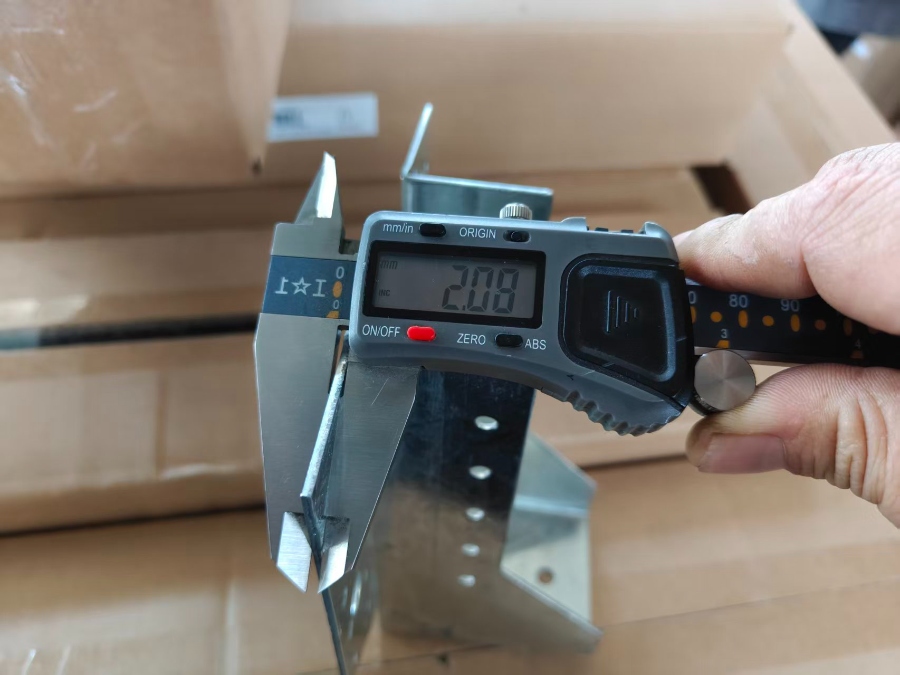
A measured value is useful only when it is compared with an agreed tolerance. Buyers should define which dimensions are critical to member fit, which hole positions control fastener installation, and how coating or finish requirements will be checked. Photographs of a caliper reading can support the record, but they do not replace a signed inspection result tied to the batch and SKU.
Control substitutions and mixed cartons
Substitution risk increases when several structural timber connectors share similar silhouettes. The purchase order should prevent unapproved changes to thickness, material, finish, hole layout, or packing. Mixed programs also need clear carton labels and separation rules so installers do not receive a visually similar part that belongs to another connection.
Turn the Evidence Chain Into an RFQ
A strong RFQ combines technical and commercial inputs without inventing project values. Include drawings, design actions, member details, destination market, required documents, inspection level, packing method, forecast quantity, and requested delivery window. Ask the supplier to identify open questions and exclusions. This format makes quotations for load bearing connectors easier to compare and gives structural timber connectors a documented approval basis before tooling or samples begin.
Procurement teams should also name the approval sequence: drawing review, sample inspection, document review, pilot order, and release for production. That sequence gives timber frame connectors a controlled route from engineering intent to delivered cartons. It also keeps commercial negotiation separate from technical acceptance, which reduces pressure to approve an incomplete data set.
Request a Model-Specific Review
Send Sunstone Ruize(STRZ) the connection drawing, member sizes, design inputs, target finish, destination market, packing needs, and required records. Our team can map available load bearing connectors to the request and identify where custom review is needed. For a quotation or document check on Konstruktionsholzverbinder, keep every requested claim tied to the exact article number.
FAQ (häufig gestellte Fragen)
What proves that a connector is load bearing?
A label alone does not prove capacity. Buyers need model-specific design or test evidence that identifies geometry, material, timber condition, fasteners, load direction, and limitations, followed by engineering review for the project.
Can similar-looking timber connectors share one test report?
Only when the report or engineering assessment explicitly covers those variants. A buyer should not assume that a different gauge, width, hole pattern, finish, or fastener schedule remains within scope.
How should buyers compare wood joint connectors?
Group wood joint connectors by function first, then compare the approved geometry, material, finish, fasteners, evidence, inspection plan, packing, and commercial terms within that group.
When is a custom connector review necessary?
Use a custom review when standard timber frame connectors do not match the required geometry, hole layout, finish, packing, or documentation. Submit a controlled drawing and obtain approval before samples or production.
 Beraten
 von Whatsapp
 Nachricht hinterlassen
 oben
oben