





When Should Buyers Specify Welded Door Hinges

Einführung
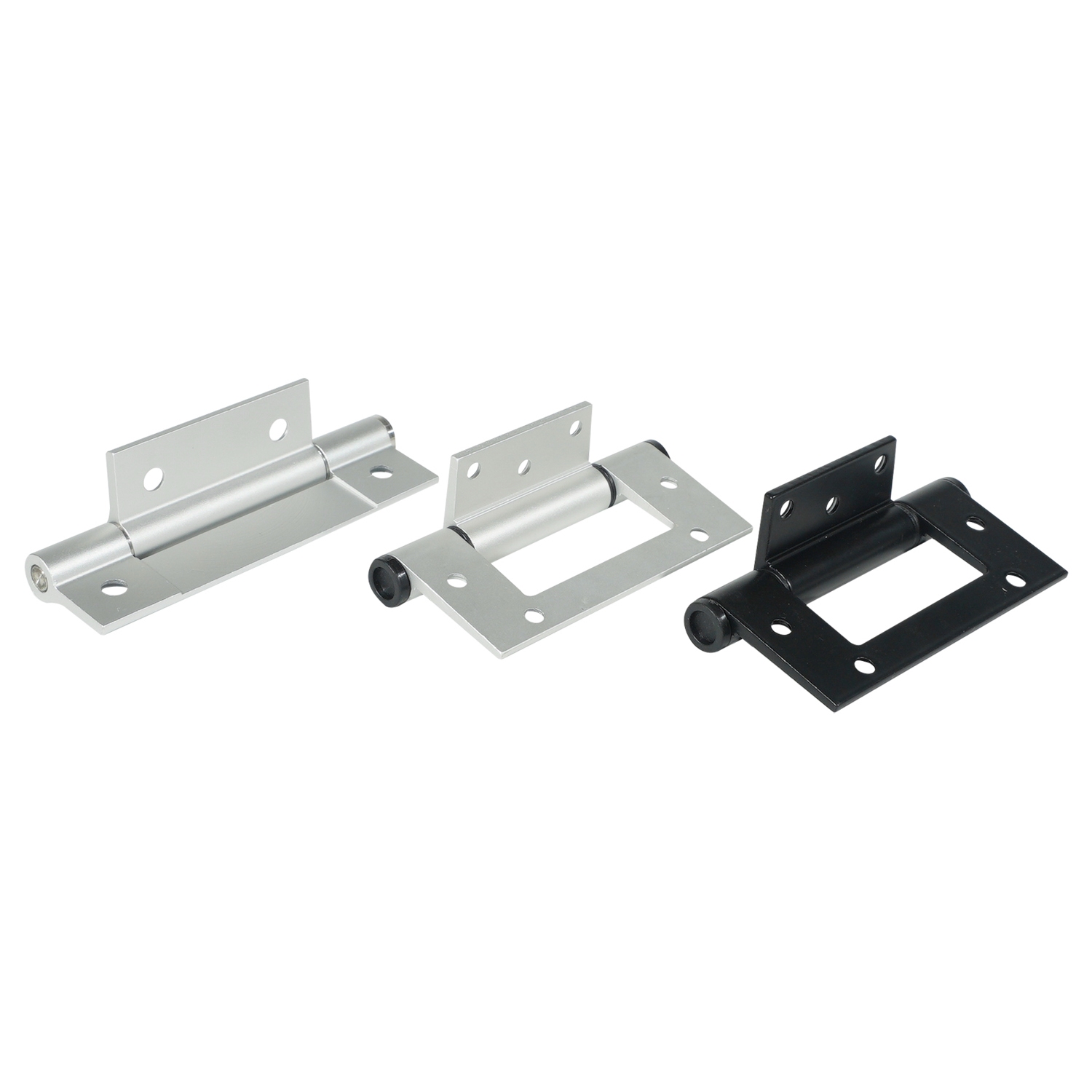
Steel door hinges are useful when a fabricator needs reliable movement, suitable attachment methods, and a durable connection between door components. For applications requiring welded installation, buyers should evaluate the hinge design, mating materials, fabrication process, and service requirements before specification.
Choose the Attachment Strategy First
The first decision is not hinge size; it is whether the joint should be permanent or removable. Hinges selected for welded fabrication are integrated with the door frame and leaf during the fabrication process, so their position must be established according to the approved drawing and assembly requirements. Bolt-on or screw-fixed alternatives allow later removal and may suit equipment that needs frequent replacement, field adjustment, or installation without welding.
Use welding when the assembly is permanent
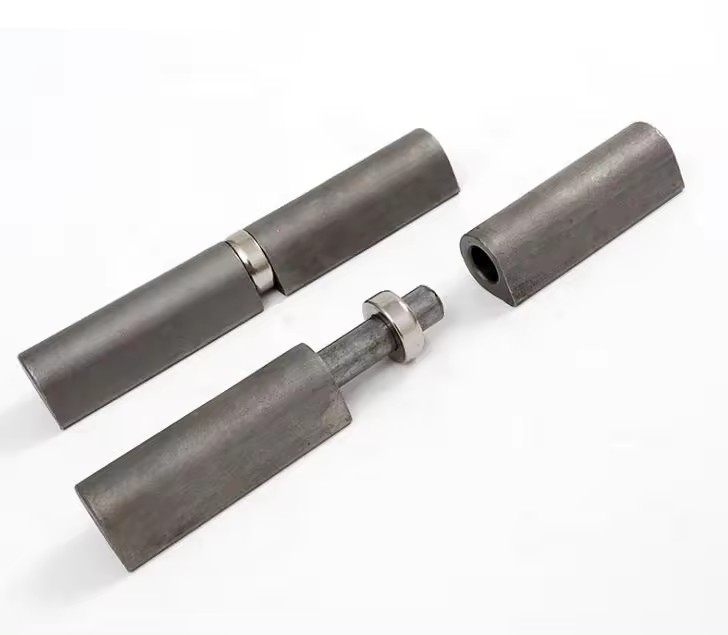
A welded option is often practical for fabricated steel gates, machine guards, access panels, enclosures, and purpose-built metal doors. The fabricator should fixture the parts, control the gap, complete the required joining process, and inspect hinge movement before finishing. In this workflow, welded door hinges should be specified with the mating material and fabrication drawing, not as a loose catalogue item.
Use removable mounting when serviceability leads
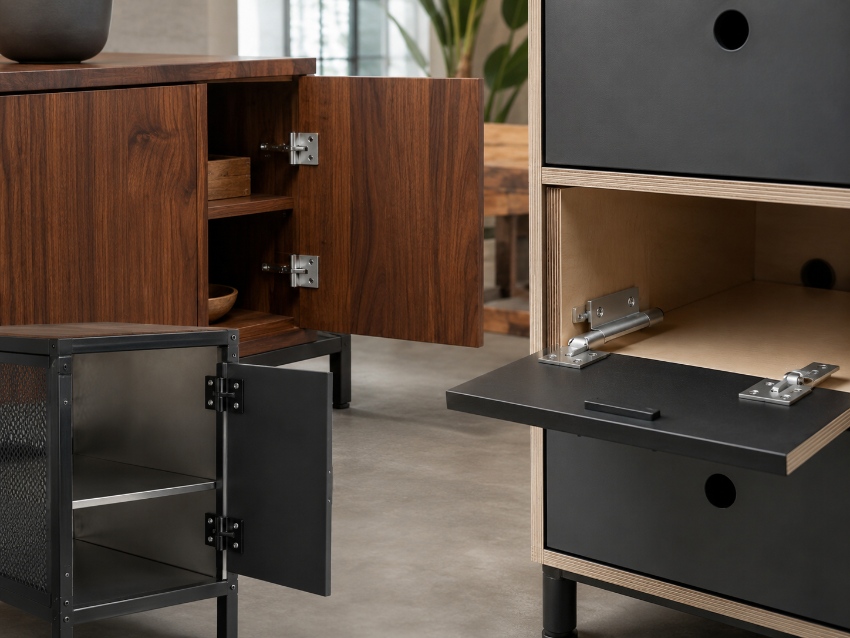
A removable hinge is usually easier to replace when a site lacks welding access or when maintenance teams need rapid component changes. It can also preserve post-installation adjustment. Buyers comparing commercial door hinges should ask who will install and service the door, what tools are available, and whether removing the leaf must avoid cutting or refinishing the frame.
1.Choose a permanent attachment only when the service plan supports it.
2.Confirm that the leaf, frame, and hinge are suitable for the planned joining process.
3.Define how alignment will be held before and during fabrication.
4.Record how the hinge can be inspected, lubricated, or replaced in service.
Specify Geometry and Mating Materials
Geometry controls whether a hinge can be fixtured, joined, and opened through the required angle. The RFQ should state overall length, body diameter or leaf dimensions, pin arrangement, gap, axis location, mounting orientation, and surrounding clearances. Hinges used in welded assemblies also require a clear description of the leaf and frame materials because the joining method depends on the complete assembly.
Keep the hinge axis visible on the drawing
A drawing should show the hinge axis relative to both mating parts. This exposes clearance conflicts, edge conditions, and the risk of binding before metal is cut. For hinges used in fabricated metal assemblies, the drawing should show the hinge axis, clearance requirements, and any surfaces that must remain free for movement, seals, finishing, or later inspection.
Define movement and service conditions
The buyer should document door mass and centre of gravity, expected operating frequency, opening angle, impact or vibration exposure, indoor or outdoor location, and the maintenance plan. These inputs help the responsible engineer or fabricator select quantity, spacing, pin design, and supporting geometry without copying assumptions from unrelated commercial door hardware hinges.
|
Decision |
Integrated fabrication option |
Removable mounting option |
|
Anhang |
Joined during fabrication |
Installed with defined fasteners |
|
Adjustment |
Controlled during assembly |
May allow later adjustment |
|
Ersatz |
May require more fabrication work |
Usually removed with tools |
|
RFQ focus |
Mating materials, assembly method, alignment |
Hole pattern, fasteners, access, retention |
Plan Manufacturing and Inspection
Manufacturing control matters because a good hinge can still bind after poor fixturing or an uncontrolled joining sequence. The supplier and fabricator should agree on a drawing revision, sample approval, fixture checks, in-process alignment checks, movement test, visual inspection, finishing sequence, marking, and packing. This approach treats hinges as functional components within the complete door assembly rather than isolated hardware pieces.
Approve a representative sample
A representative sample should use the intended hinge model and realistic mating sections when evaluating the final application. Review axis alignment, gap, opening range, movement, interference, visible workmanship, and access for the planned joining operation. Approval should record the sample revision and any accepted limits so production is compared with a controlled reference rather than a photograph.
Inspect function after fabrication
Post-fabrication inspection should confirm that the leaf moves through its required range without binding and that the assembly matches the approved drawing. The responsible welding personnel determine the procedure and acceptance criteria. Buyers should avoid inserting generic weld sizes or performance claims into the purchase order unless qualified technical documentation supports them.
Avoid Common Procurement Errors
The most common errors begin with incomplete scope: ordering by overall length alone, omitting the mating materials, hiding the axis location, leaving the joining party undefined, or assuming every finish suits every project. Another error is treating general commercial door hinges as interchangeable with hinges intended for welded fabrication. The RFQ should state application, geometry, service plan, documents, inspection, and responsibility boundaries.
Regulated doors need another check before product approval. If the assembly has fire, egress, security, accessibility, or other project-specific requirements, the designer and authority having jurisdiction must confirm the applicable hardware and documentation. A generic hinge description cannot establish compliance for a complete door assembly.
Prepare a Quotation Package
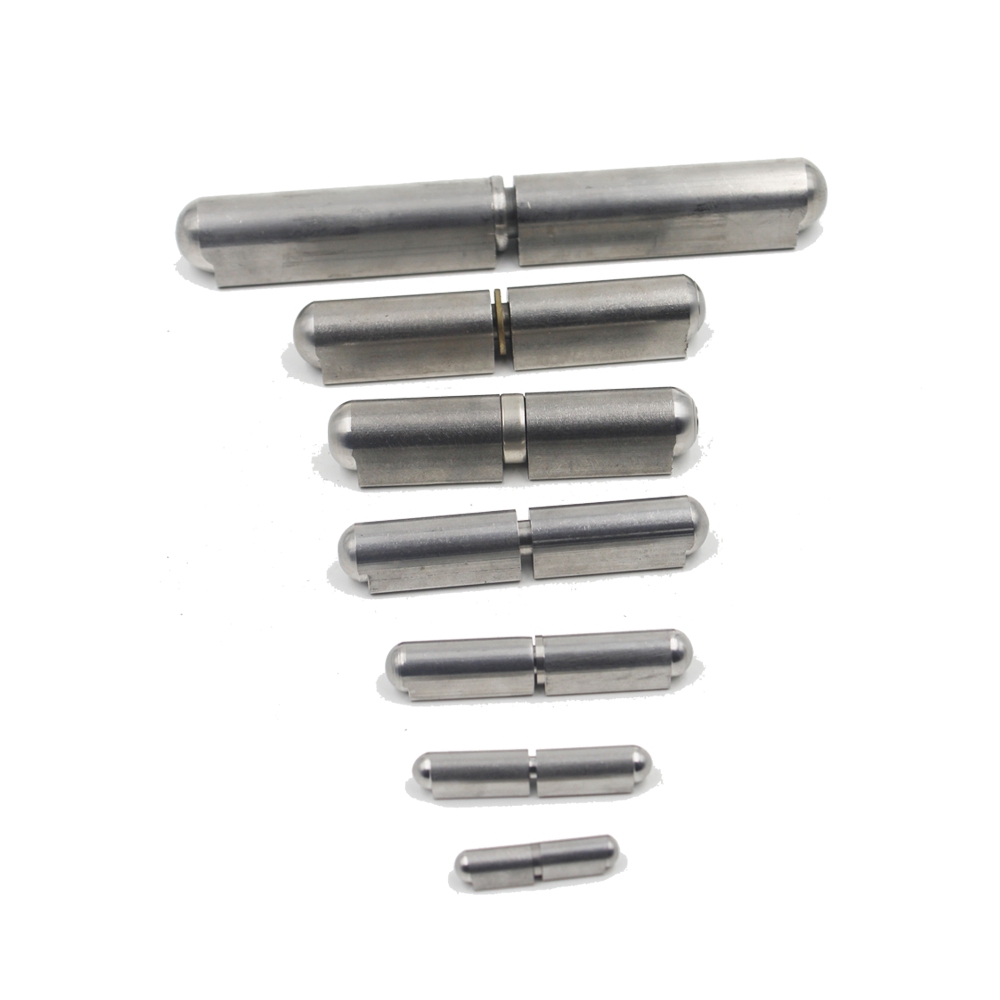
Send Sunstone Ruize(STRZ) the door and frame drawings, mating materials, hinge axis, quantity per leaf, movement requirement, service environment, joining responsibility, inspection points, packing, quantity, and destination market. Our stamped steel hinge range is designed for doors, cabinets, gates, and industrial applications, providing smooth movement and reliable durability. For custom commercial door hardware hinges, ask the project team to identify any regulated assembly requirements before sample approval.
FAQ (häufig gestellte Fragen)
When are welded door hinges preferable?
They are preferable when a permanent metal assembly, controlled factory alignment, and an integrated attachment suit the service plan. Final selection still depends on geometry, materials, loads, fabrication, and project requirements.
When should a buyer choose bolt-on hinges?
Choose a removable option when field installation, adjustment, rapid replacement, or maintenance access matters more than permanent integration, provided the fasteners and supporting structure are properly specified.
What information do hinge suppliers need?
For commercial door hinges, provide drawings, mating materials, axis location, door properties, movement, environment, quantity, joining method, inspection criteria, documents, packing, and destination-market requirements.
Can weld on door hinges be adjusted later?
The attachment position is normally fixed during fabrication. Some hinge designs may provide separate adjustment features, but buyers should never assume adjustability without a model-specific drawing and approval.
How should weldable hinges be inspected?
Check the component against its drawing, then inspect the fabricated assembly for axis alignment, clearance, movement, interference, workmanship, marking, and agreement with the approved sample and procedure. Commercial door hardware hinges also need traceable model and revision identification.
 Beraten
 von Whatsapp
 Nachricht hinterlassen
 oben
oben