



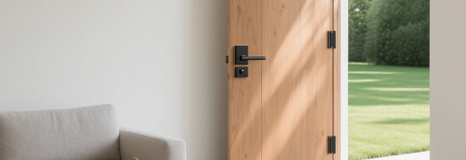


What Role Does a Decorative Joist Hanger Play
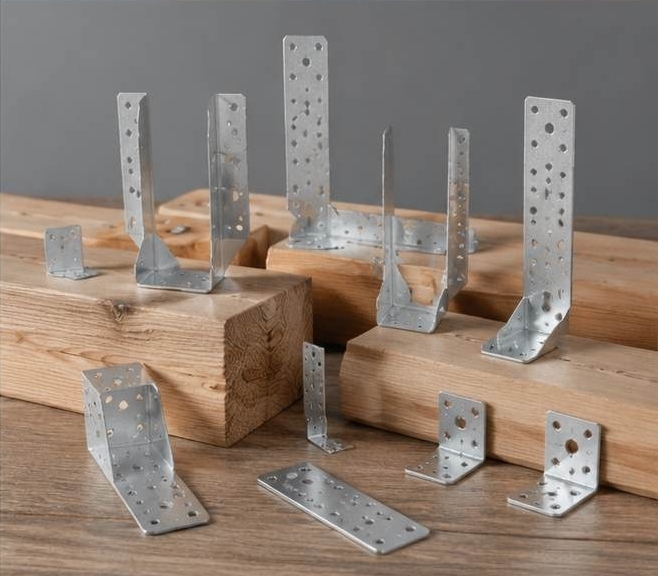
A visible timber joint has two jobs: it must suit the structure, and it must look intentional in the finished space. That is where a decorative joist hanger can be useful. It gives designers and buyers a metal connection that may remain in view, but appearance never replaces engineering. The practical task is to decide whether one specific hanger fits the load path, timber, fasteners, exposure, and visual language of the project.
A Visible Hanger Still Begins With the Joint
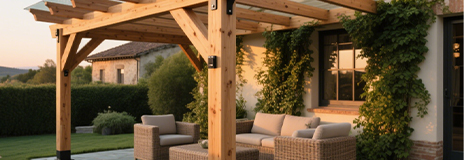
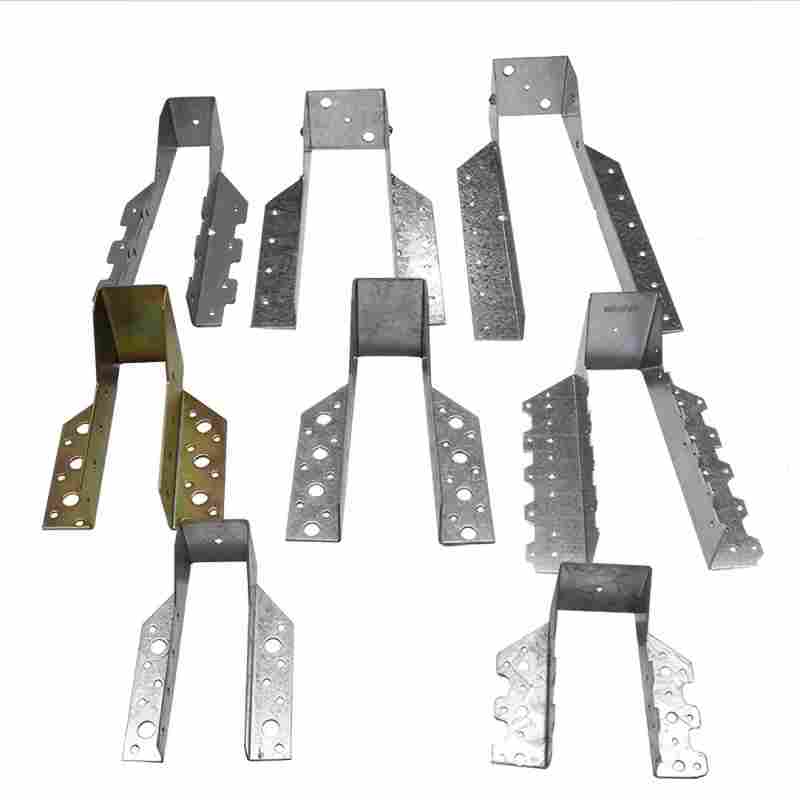
The joint defines the product before color, profile, or surface texture does. A hanger commonly supports the end of a joist at a beam or ledger, transferring forces through its seat, side flanges, and specified fasteners. When the connection remains exposed in a porch, pavilion, retail interior, or feature ceiling, the metal also becomes part of the architecture.
Separate visual intent from structural duty
A decorative label describes appearance, not capacity. Some products are designed and documented for structural service; others are trim pieces or light-duty brackets. Buyers should ask whether the visible part is the load-carrying joist hanger, a cover over another connection, or a nonstructural accent. That distinction prevents a convincing finish from being mistaken for performance evidence.
Define what viewers will actually see
Visibility changes the approval conversation. A hanger beneath an open deck may be seen from one direction, while a retail ceiling exposes every flange and fastener head. The drawing should mark sightlines, timber faces, edges, gaps, and adjacent hardware. Once these are clear, the team can judge proportion, symmetry, fastener layout, and finish without losing sight of the connection.
1.Show the supported joist and supporting member on one drawing.
2.State whether the metal is fully visible, partly visible, or concealed.
3.Identify the required structural evidence and design responsibility.
4.Approve finish, fastener appearance, packing, and handling together.
Geometry Makes the Detail Look Deliberate
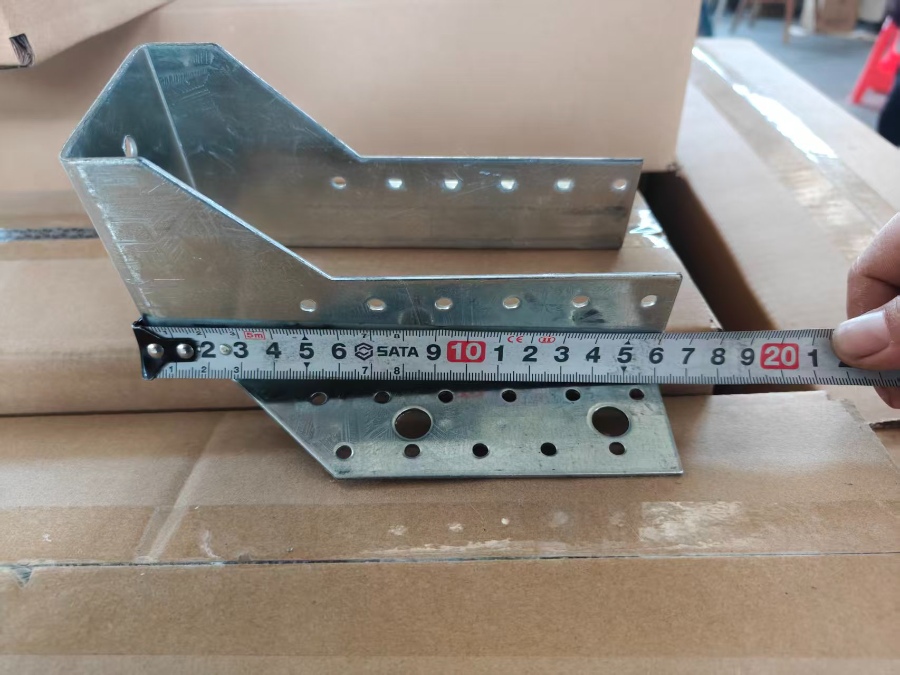
Proportion is where many exposed connections succeed or fail visually. The seat width should suit the joist, the flanges should sit cleanly on the supporting member, and holes should form an orderly pattern when installed. Oversized gaps, uneven margins, or crowded fasteners are difficult to hide once the frame is open to view.
Match the seat and flanges to the timber
Member dimensions must be confirmed rather than inferred from a nominal description. The seat, flange length, bend geometry, thickness, and hole positions all affect fit. Our wood-connector range includes multiple joining formats, so we treat the approved drawing as the identity of the part. A decorative joist hanger should arrive with dimensions that match the timber schedule.
Let fasteners belong to the composition
Fasteners complete both the structural system and the visible pattern. Their type, diameter, length, head, quantity, and location must follow the approved connection design. Random substitutions can change performance and create an untidy face. Where appearance matters, the designer should review the installed fastener heads at sample stage, not after production has been packed.
|
Decision |
Question to resolve |
Useful approval item |
|
Structural role |
Does this model carry the intended forces? |
Model-specific design evidence |
|
Timber fit |
Do seat and flanges match the members? |
Installed-orientation drawing |
|
Visible finish |
Will color and texture suit the detail? |
Finished physical sample |
|
Fastener pattern |
Are heads and spacing acceptable? |
Trial assembly or mock-up |
Finish Must Survive the Real Exposure
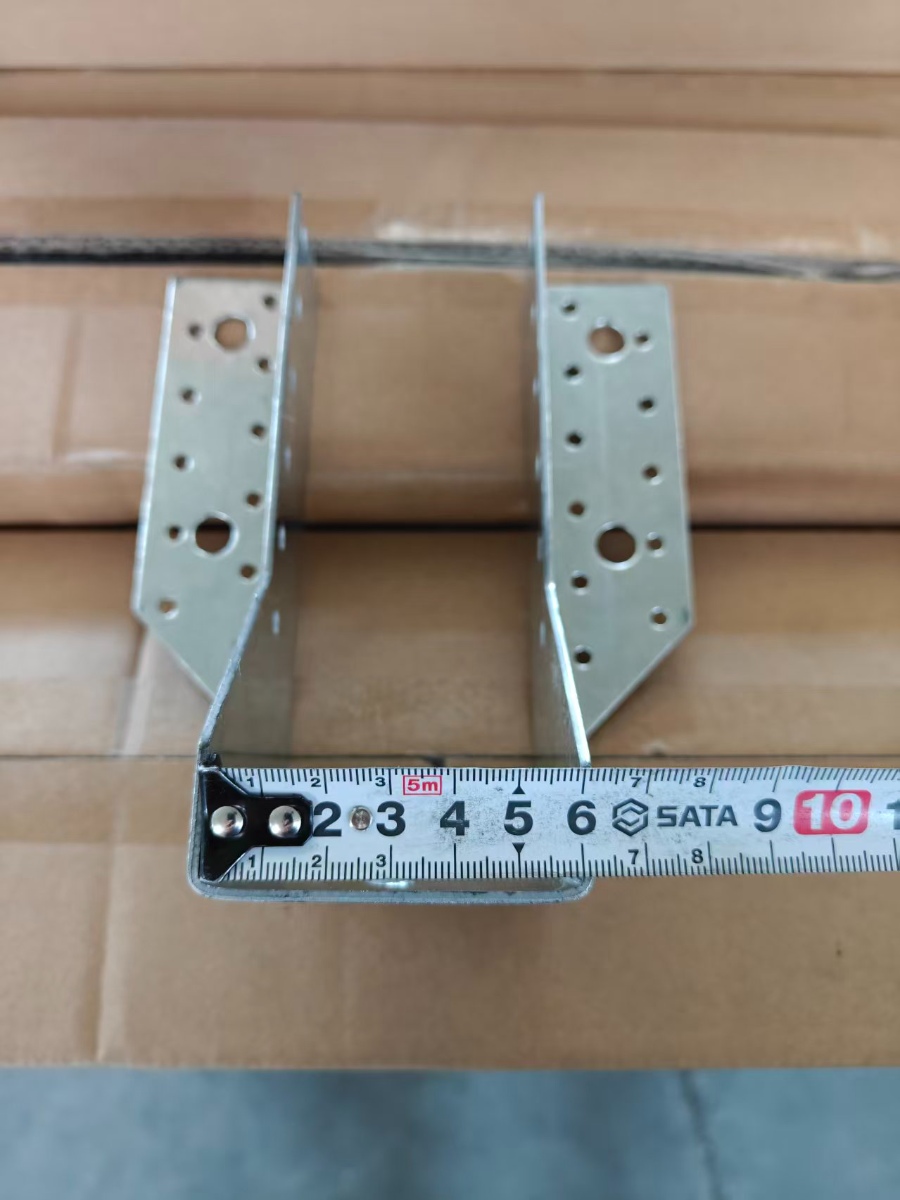
A decorative surface has to be selected for its environment, not simply matched to a rendering. Interior dry conditions, sheltered exterior timber, open weather, moisture, coastal air, and treated wood can create different demands. The project team should define exposure, expected maintenance, compatible materials, and the acceptance method before agreeing on color or texture.
Approve a real sample under useful light
Digital images are unreliable for judging sheen, texture, edge coverage, and color beside timber. A physical sample viewed with the intended wood species and finish reveals more. For drevené konektory, our team can keep the sample, drawing, and finish description tied to one revision so the visual approval does not drift during production.
Plan for handling marks
Visible hardware needs protection after finishing. Carton separators, wrapping, part orientation, and dry storage can reduce scratches and abrasion before installation. Incoming inspection should check finish coverage, sharp edges, deformation, contamination, labels, and carton separation. A structurally acceptable part can still be rejected by the client when its exposed face arrives damaged.
A Mock-Up Resolves the Expensive Questions Early
A small installed mock-up brings structure, appearance, and installation into the same conversation. It can reveal a tight driver angle, unexpected timber splitting risk, uneven fastener heads, visible gaps, finish contrast, or interference with adjacent trim. These discoveries are inexpensive before the order and disruptive after the framing sequence has begun.
The mock-up should use representative timber, the proposed hanger, the specified fasteners, and the intended finish. Record the approved orientation and any changes. When customized dimensions or hole positions are needed, our team can develop the revised item, but the result must return to design review as a new configuration rather than inheriting approval from the original model.
The Practical Takeaway
A decorative hanger earns its place when the same approved detail satisfies structure, fit, fastening, exposure, and appearance. Buyers should freeze the timber sizes, connection role, model evidence, installed orientation, fastener schedule, physical sample, inspection points, and packing before production. Sunstone Ruize(STRZ) can review relevant drevené konektory against that drawing-led brief and identify where customization needs separate approval.
Často kladené otázky
Is every decorative joist hanger structural?
No. Decorative describes appearance. The exact model needs suitable evidence and project approval before it is used to carry structural forces.
Can a standard joist hanger remain exposed?
It can when its documented function, finish, installation quality, and appearance suit the project. The designer should approve the installed detail rather than the loose part alone.
Which details belong in the buyer’s drawing?
Show member sizes, hanger orientation, seat and flange dimensions, holes, fasteners, sightlines, exposure, finish, adjacent work, and the required approval evidence.
Can the hole pattern be changed for appearance?
A hole change creates a different configuration. It requires a revised drawing, structural review where applicable, a new sample, and explicit approval before production.
 Konzultovať
 aplikácie WhatsApp
 Zanechať správu
 vrchol