






Which Cabinet Hinges Fit Commercial Furniture?
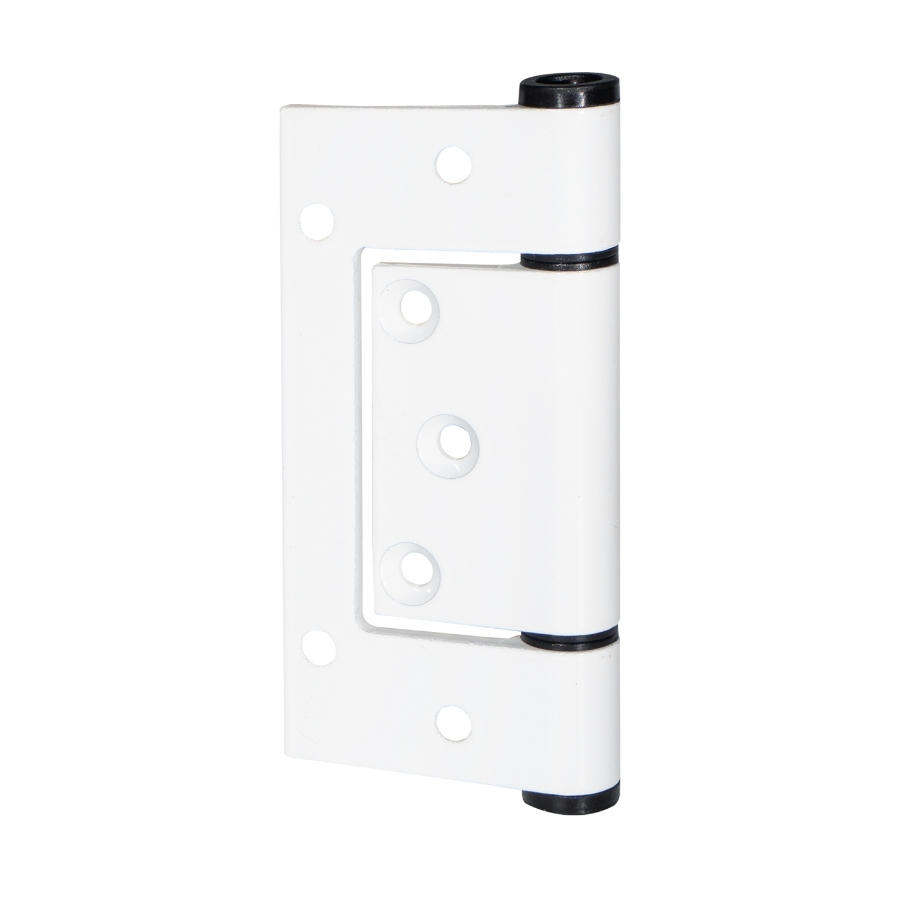
Commercial furniture lines fail in small ways before they fail in obvious ways: a door sags, a reveal shifts, or a meeting-room cabinet begins to close with a cheap sound. The right hinge decision keeps repeated use quiet, aligned, and serviceable, so designers and sourcing teams need to match hardware to the furniture job before drawings become purchase orders.
Furniture Doors Shape the Hinge Choice
Commercial furniture puts more stress on hardware than many residential cabinets because the same doors may be opened by staff, visitors, cleaners, and installers every day. furniture hinges should therefore be considered with the door weight, board thickness, opening angle, and expected traffic pattern, not just the visible style.
Door weight and daily traffic
Door weight changes the hinge decision because heavier panels place more load on the leaf, pin, cup, screws, and surrounding board. A tall wardrobe door, a hospitality minibar door, and a narrow display cabinet may all use cabinet hinges, but they do not create the same leverage or fatigue risk.
Daily traffic also changes the answer because a product that feels smooth in a sample room can loosen when used across hundreds of rooms. Commercial furniture designers usually need a hinge family that can be repeated across sizes while still allowing stronger options for wide doors, access panels, or thicker fronts.
Overlay, inset, and reveal targets
Overlay and reveal targets matter because the hinge has to protect the furniture design after production tolerances appear. A clean shadow gap on a drawing can become uneven if the hinge cup depth, mounting plate, and screw position leave too little adjustment room.
Designers can reduce late changes by checking these points before the first sample:
Confirm whether the door is overlay, inset, half-overlay, or flush with a frame.
Match the opening angle to the user’s hand clearance and nearby panels.
Reserve enough adjustment range for factory tolerance and site installation.
Keep screw positions away from weak board edges or decorative grooves.
This early geometry review also helps purchasing teams avoid false equivalence between two similar-looking cabinet hinges. If the mounting plate, screw pattern, or opening angle changes after the sample, the factory may need to adjust drilling jigs, packaging groups, and replacement-part plans.
Motion Features Affect the User Experience
Motion quality matters because the user often notices the hinge only when it feels wrong. A door that slams, rebounds, or drifts open can make a well-built cabinet feel unfinished, especially in offices, hotels, retail fixtures, clinics, and shared workspaces.
Quiet closing in high-use interiors
Soft-closing movement is useful when the furniture sits in quiet or customer-facing interiors. soft close cabinet hinges can help reduce door noise and protect the cabinet body when users close doors quickly.
The feature should still be matched to the panel size and closing speed. A soft-close mechanism that is too light may not control a heavy door, while an overly strong mechanism may feel stiff on a narrow cabinet. This is why samples should be checked with the real board, handle, and installation position.
Commercial interiors also need consistent feel across a full furniture set. A hotel corridor, apartment amenity room, or clinic storage wall may contain many repeated doors, so one noisy or uneven hinge can make the whole installation feel less controlled.
Visible or concealed hardware
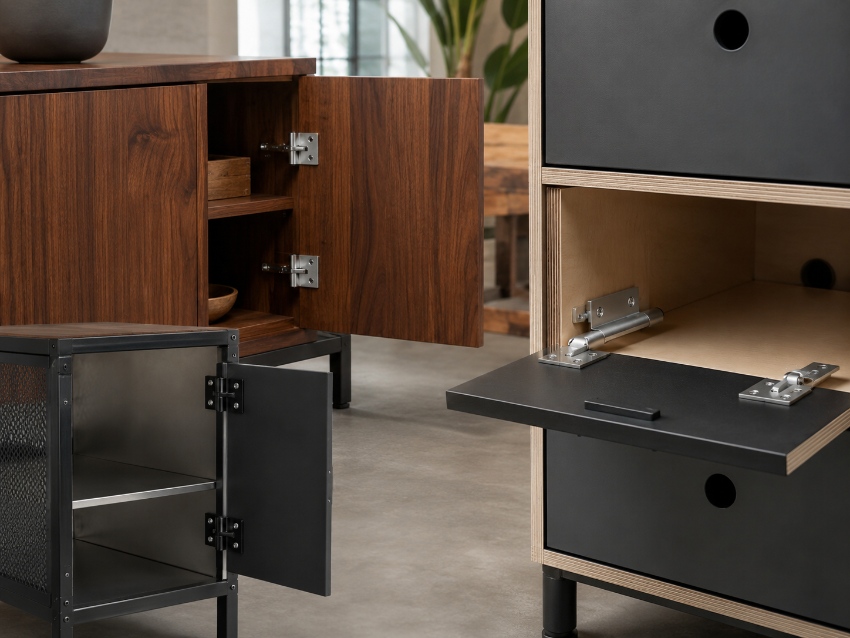
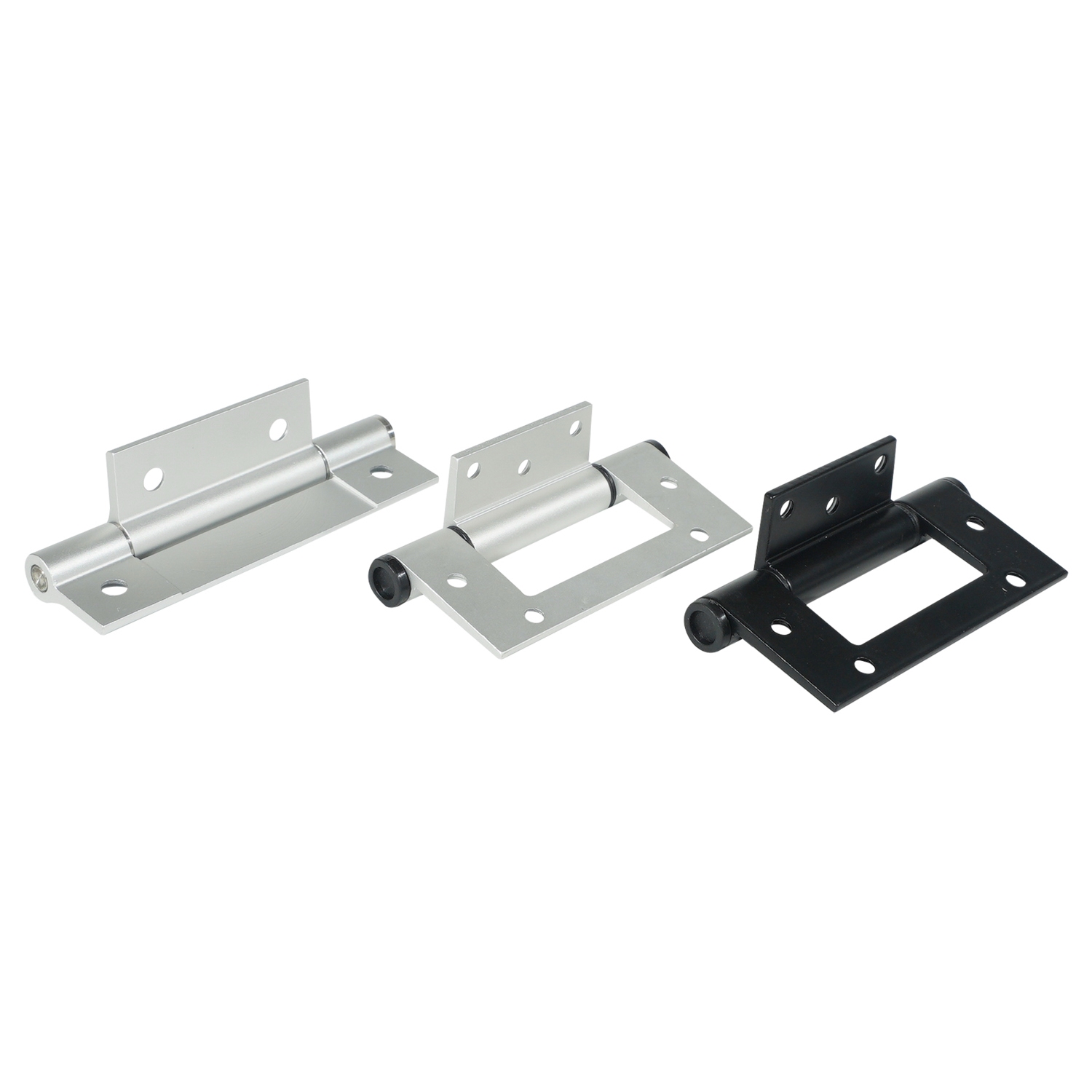
Visible and concealed hardware solve different design problems. Concealed cabinet hinges keep the exterior clean and suit modern casework, while visible butt or specialty hinges can support an industrial look, a service-access panel, or a door that needs a wider motion path.
Custom Work Needs Earlier Hardware Decisions
Custom furniture becomes difficult when hinge decisions are left until the cabinet body is already fixed. Once the door thickness, frame clearance, screw backing, and finish are locked, even a small hardware change can affect tooling, drilling, packing, and installation.
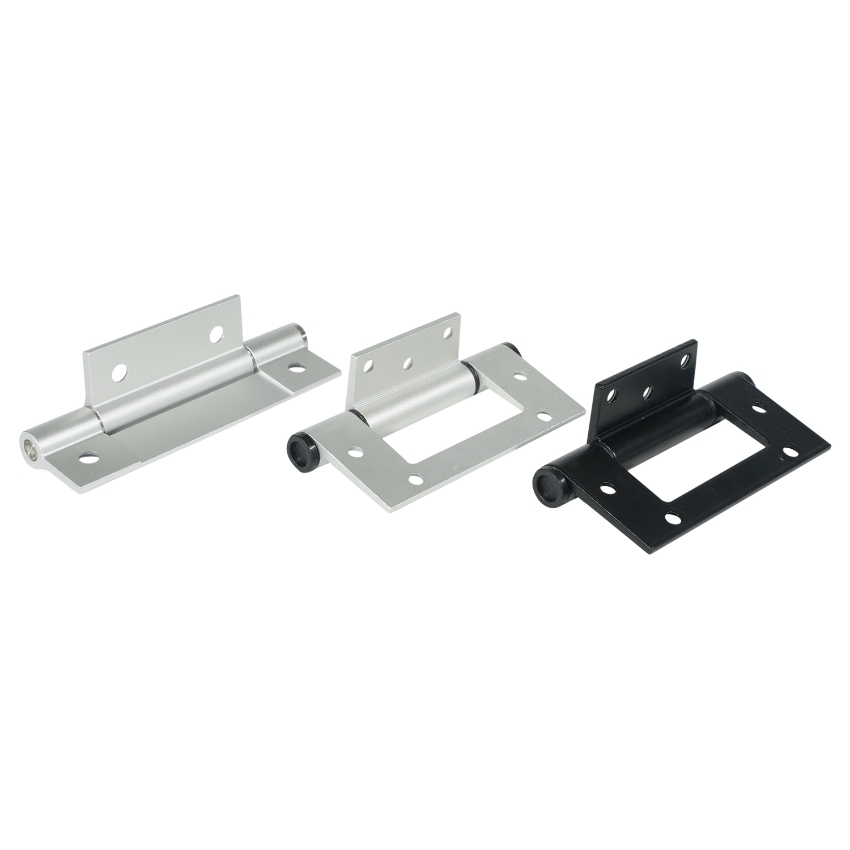
This is where výrobcovia závesov na mieru become useful to commercial teams that repeat a furniture concept across projects. Sunstone Ruize(STRZ) produces stamped hinge products for doors, cabinets, gates, and industrial uses, and customization can support unusual dimensions, finishes, or combined hardware requirements when standard items do not match the design.
The strongest brief is not a long specification dump. It is a focused record of the door size, material, target movement, visible finish, corrosion exposure, expected usage, and sample approval criteria. That information helps the supplier judge whether standard furniture hinges are enough or whether a modified hinge is more practical.
Summary for Commercial Furniture Teams
The best cabinet hinge choice is the one that protects the furniture concept after real use begins. Designers should move from door geometry to motion quality, then to production repeatability, because each step narrows the hardware choice without turning the project into a catalog exercise.
For wholesale or project-based furniture programs, the practical next step is to test the hinge with the actual panel, finish, screw pattern, and opening clearance. That sample check is usually more valuable than comparing hinge names alone.
Často kladené otázky
When should designers use concealed cabinet hinges?
Concealed cabinet hinges fit designs where the exterior surface should stay clean and the door needs adjustment after installation. They are common in modern commercial furniture, but they still need enough cup depth and board strength.
Do soft-close cabinet hinges work for every door?
Soft-close cabinet hinges do not fit every door automatically. Door weight, width, closing speed, and mounting position should be tested because the damping force must match the real panel.
What makes specialty hinges useful in commercial furniture?
Specialty hinges are useful when the door movement, clearance, load direction, or visible style cannot be handled by a standard hinge. They are often chosen for access panels, folding parts, metal-framed furniture, or compact interiors.
What should a hinge sample review include?
A hinge sample review should include opening angle, closing feel, reveal alignment, screw holding, finish match, installation access, and repeated movement. These checks help buyers avoid late changes after production begins.

 Konzultovať
 aplikácie WhatsApp
 Zanechať správu
 vrchol