



Cum să instalați o ancoră la sol pentru structuri în aer liber sigure
Firmația oricărei instalații în aer liber, de la platformele de grădină de acasă la instalațiile solare mari, se bazează complet pe puterea bazei sale. Abordările la modă veche necesită de obicei săpături adânci și turnare de beton. Aceste sarcini iau mult timp și dăunează mediului. Cu toate acestea, ingineria actuală aduce o opțiune mai rapidă, mai curată și mai flexibilă folosind șuruburi de sol.Învățarea pașilor pentru instalarea ancorei la sol permite constructorilor să sari peste necazurile betonului. În același timp, oferă o stabilitate mai bună structurilor. Dacă fixați un gard robust sau o clădire prefabricată, înțelegerea detaliilor cheie ale setării acestor mărci de bază este mișcarea inițială spre un proiect câștigător.
Ce este o ancoră la sol și de ce este esențială?
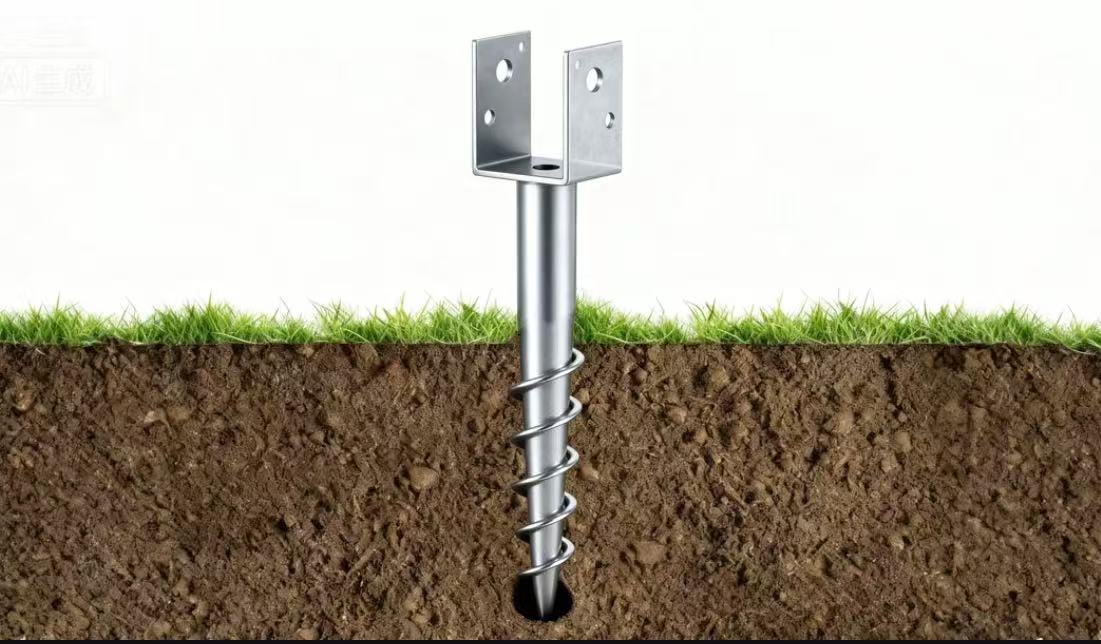
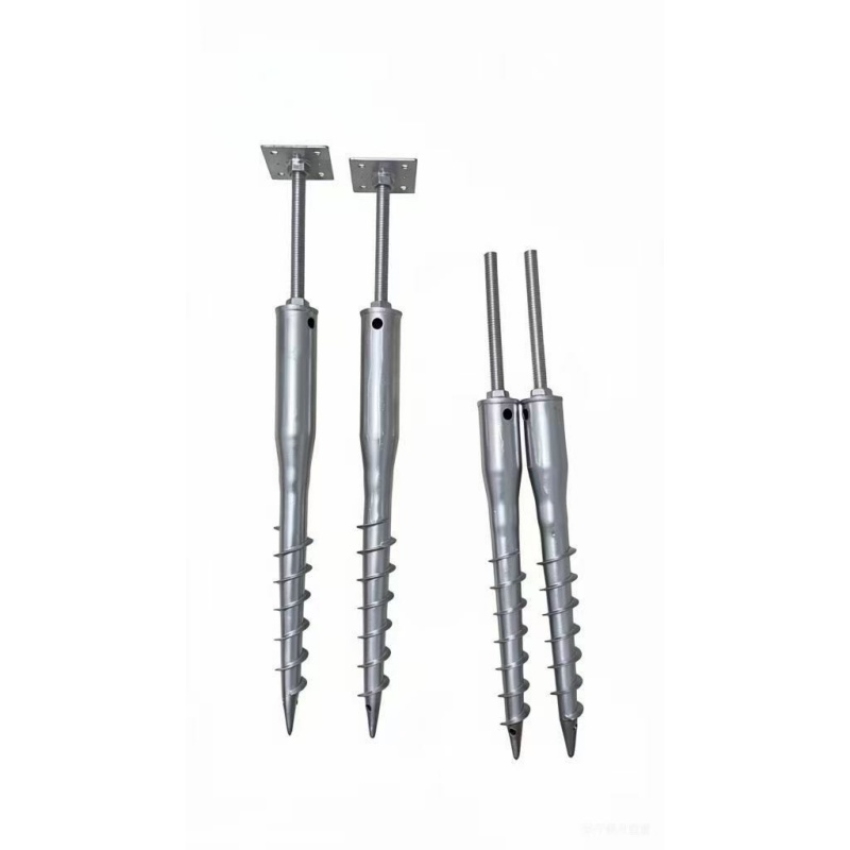
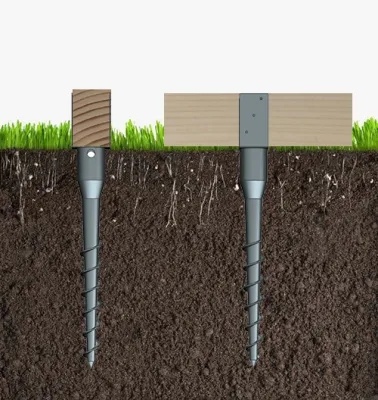
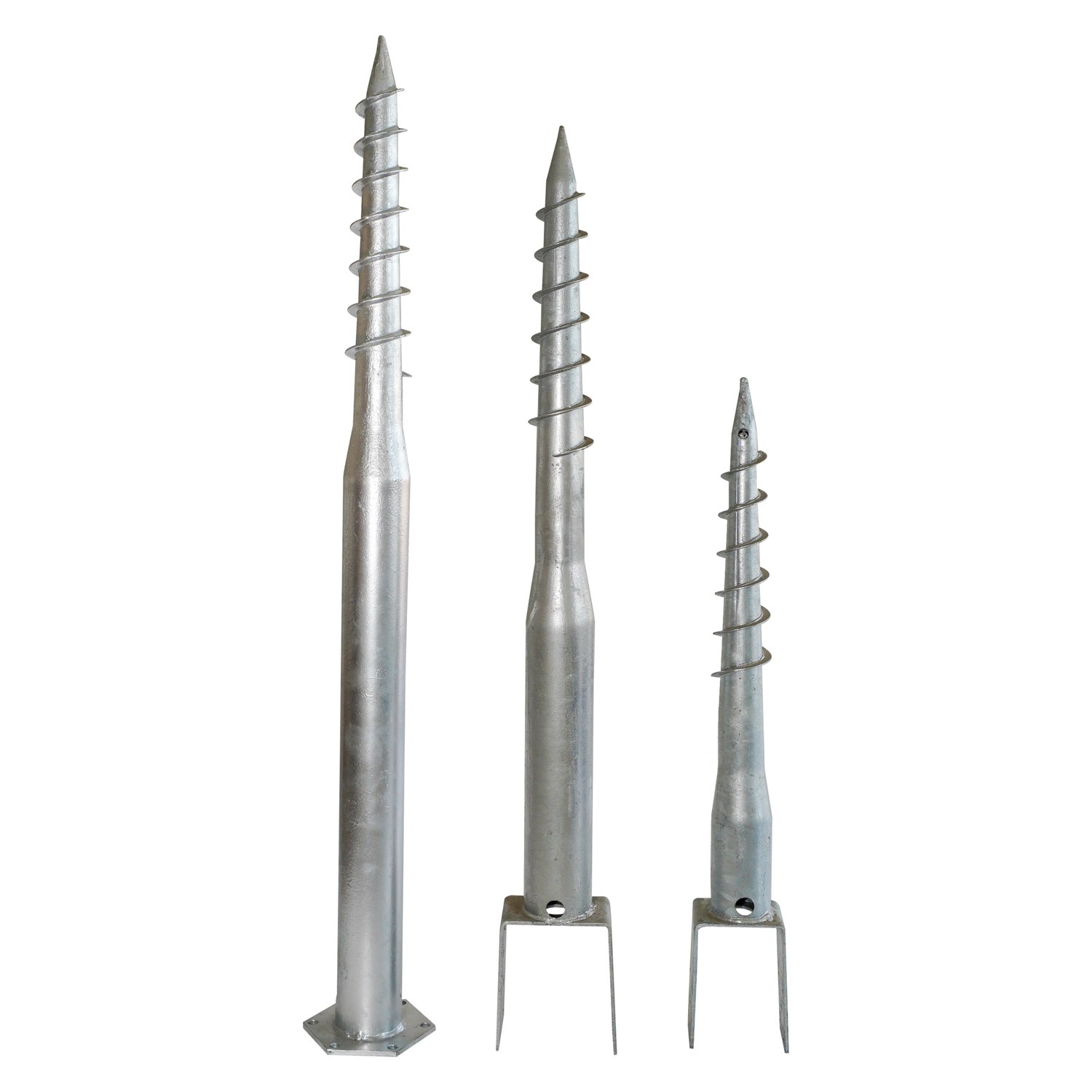
O ancoră la sol, uneori numită șurub la sol sau grămadă helicale, este o piesă de oțel făcută cu atenție menită să intre direct în sol pentru un suport solid. Spre deosebire de bazele de beton care depind de greutate și de tragere din cauza gravitației, ancorele de la sol folosesc designul inteligent al filelor cu șurub pentru a menține murdăria. Acest lucru creează o fundație fermă care se ocupă de forța în jos și de tragerea în sus.
Această abordare este foarte importantă în lucrările de construcție de astăzi din diferite motive:
-
Impactul asupra mediuluiAncorele la sol oferă o metodă blândă care reduce perturbațiile la sol. De asemenea, evită poluarea grea din fabricarea betonului.
-
ReutilizabilitateAceste configurații funcționează bine pentru locuri de muncă de construcție pe termen scurt sau ecologice. Le puteți scoate și le puteți folosi din nou de multe ori, păstrându-și puterea maximă.
-
VersatilitateEle funcționează în mod fiabil în multe tipuri de murdărie. În plus, se potrivesc pe terenuri inegale unde munca de bază în stil vechi ar costa prea mult.
| Caracteristică | Beneficiul ancorei la sol |
| Viteza de instalare | Poate fi instalat și încărcat în câteva ore, nu în câteva zile |
| Impactul asupra solului | Săpături minime necesare; protejează integritatea peisajului |
| Flexibilitate meteo | Poate fi instalat în diferite condiții meteorologice, inclusiv ploaie sau frig |
| Durabilitate | Acoperirile galvanizate la cald oferă rezistență la rugină pe termen lung |
Cum să instalați o ancoră la sol cu succes în 5 pași simpli?
Finalizarea a instalare ancoră la sol fără probleme cere un plan ordonat. Acest lucru asigură că configurația rămâne uniformă și sigură pe măsură ce trece timpul. Deoarece ancorele la sol oferă putere instantanee de menținere a greutății, grija luată în prima împingere contează cel mai mult.
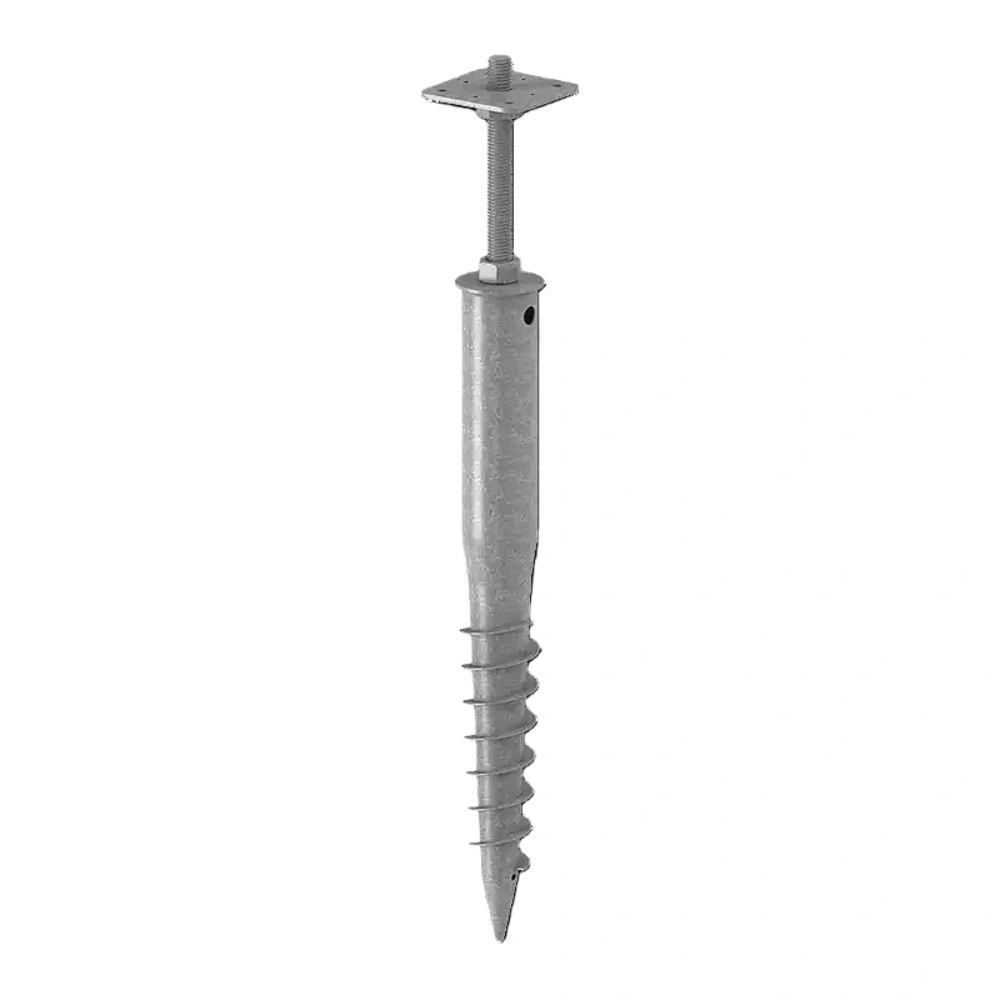
Pasul 1: Evaluarea și marcarea locului
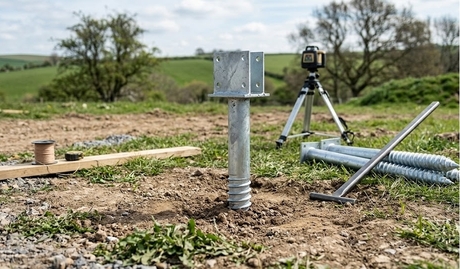
Începeți cu verificarea fermității solului și detectarea oricăror țevi sau firuri ascunse. Lucrătorii calificați efectuează adesea un test de conducere pentru a determina forța necesară de întoarcere și mărimea ancorei. După aceea, apucați echipamentul de marcare pentru a identifica punctele precise pentru fiecare punct de sprijin. Asigurați-vă că se potrivesc cu planurile dvs. de construcție.
Pasul 2: Alegerea instrumentelor potrivite
Echipamentul de care aveți nevoie variază în funcție de dimensiunea locului de muncă. Pentru sarcinile de acasă, cum ar fi gardurile sau platformele mici, uneltele manuale de bază pentru conducere fac adesea trucul. În locurile de muncă mai mari, cum ar fi instalațiile solare, intră în joc mașini compacte dedicate sau șoferi motorizați. Ele garantează o muncă rapidă și adâncime constantă.
Pasul 3: Executarea instalației ancorei la sol
Puneți capătul ancorei în locul marcat. Apăsați în jos în timp ce întoarceți ancora, fie cu mâna sau cu o mașină, pentru a o scufunda în murdărie. Crestele ancorei îl vor atrage mai departe. Ei mută solul spre laturi și îl împachetă strâns în jurul corpului, sporind ţinerea sa.
Pasul 4: Asigurarea alinierii verticale
În timp ce ancora merge mai adânc, verificați poziția dreaptă cu un instrument de nivel. O mică slăbiciune poate provoca ca întreaga construcție să se schimbe mai târziu atunci când piesele se conectează. Faceți reparații chiar la începutul împingerii. Odată ce atinge adâncimea completă, de la 800 mm la mai mult de 2000 mm, schimbarea devine foarte grea.
Pasul 5: Încărcare imediată
Un plus cheie al acestei metode este că nu este necesară o perioadă de așteptare pentru setare. Când ancora atinge adâncimea și forța de rotație corectă, puteți fixa imediat pe suporturi, grinzi sau un șurub de ochi de ancoră la sol. Începeți următoarele părți ale muncii.
Care este rolul unui șurub de ancoră la sol în securitatea grea?
În anumite utilizări concentrate, legătura de la sol la construcție are nevoie de un punct puternic rezistent la tracțiune. Aici, șurubulul ochiului de ancoră se dovedește vital. Un șurub ocular acționează ca un punct de legătură sigur pentru sârme, strângători și cordoane care acoperă pop-up constant, corturi mari sau garduri strânse.
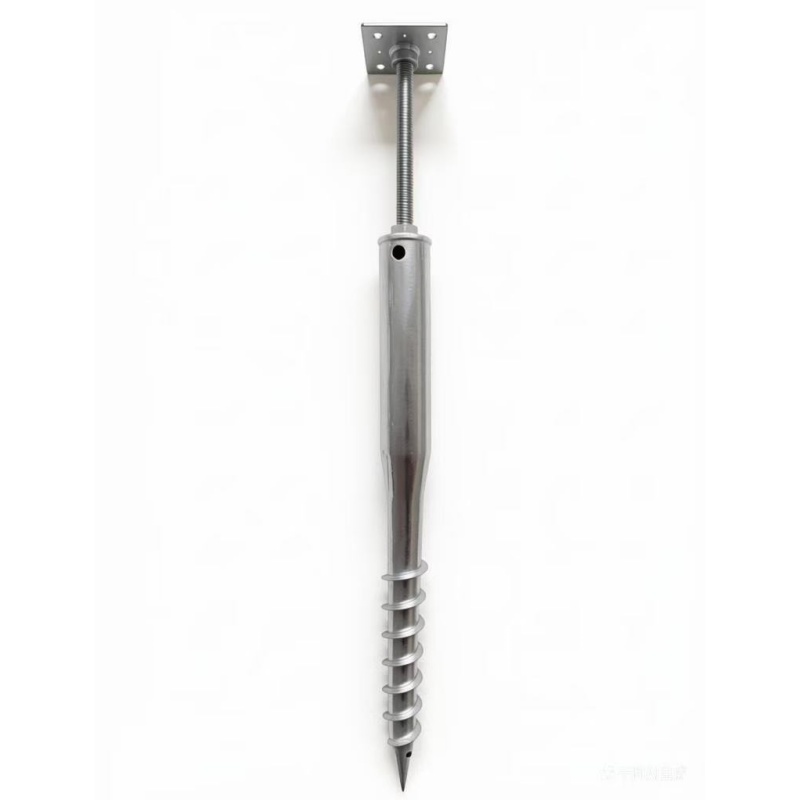
Alegerea unui șurub de ancoră la sol cere o calitate de construcție de top. Aceste piese trebuie să provină din oțel dur pentru a evita îndoierea sub forțe imense de tracțiune. De asemenea, deoarece se confruntă adesea cu vremea, un strat solid rezistent la rugină este necesar pentru a opri descompunerea din cauza coroziunii. Locurile de muncă mari depind de accesorii care urmează regulile de construcție la nivel mondial, cum ar fi cele ASTM pentru un HDG șurub de solpentru siguranță și pentru a se potrivi nevoilor globale.
De ce ar trebui să alegeți galvanizarea de penetrare pentru medii dure în aer liber?
Fitingurile exterioare se confruntă cu riscuri constante de umiditate, sare și schimbarea temperaturilor. Galvanizarea regulată la cald este o alegere obișnuită, dar s-ar putea confunda cu ajustările fine ale pieselor în mișcare. STRZ și-a îmbunătățit metodele de finisare prin încercarea galvanizării prin penetrare pentru a rezolva această problemă exactă.
Galvanizarea prin penetrare aduce câștiguri speciale:
-
Durabilitate fără egalOferă protecție împotriva ruginii de înaltă calitate, ceea ce testele arată că durează peste 400 de ore în verificările de pulverizare cu sare.
-
Precizie și neteditate: Diferent de straturile grele care lipesc firurile, acest finisaj menține nucile și suporturile de răsucire alunecând cu ușurință.
-
Calitatea esteticăProduce un aspect mai strălucitor, mai ordonat, care menține un stil ascuțit de ani de zile.
-
FiabilitateÎn construcțiile europene, articolele cu acest tratament nu au arătat lipire sau daune crestei chiar și după o lungă perioadă de timp în locuri dure.
| Tipul de acoperire | Aplicație standard | Avantaj în ancorarea la sol |
| Galvanizat la cald (HDG) | Arbe de ancoră principale, stâlpi mari | Strat de protecție densă pentru înmormântare pe termen lung |
| Penetrare galvanizare | Nute reglabile, paranteze, conectori | Rezistență puternică la coroziune cu funcționare netedă a firului |
| Pulbere acoperită | Capusuri decorative, garduri de grădină | Varietate estetica cu rezistenta suplimentara la intemperie |
Cum să evitați greșelile frecvente în timpul instalării ancorei la sol?
Slip-up-urile în proces pot slăbi siguranța setării complete. Cunoașterea acestor erori obișnuite ajută orice lider de proiect să rămână în siguranță:
-
Ignorarea condițiilor soluluiÎncercarea unei ancore scurte în sol moale și nisipos ar putea provoca eșecul construcției. Trebuie să asociați dimensiunea ancorei, de la 800 mm la 2050 mm, cu tipul de teren și nevoile de greutate.
-
Compromis cu privire la acoperireAlegerea accesoriilor ieftine sau goale în zonele umede duce la uzură rapidă. Verificați dacă ancora și add-ons au trecut testele stricte de rugină.
-
Calculul sarcinii inexacteFiecare ancoră la sol poartă o capacitate de sarcină stabilită. Aceasta este greutatea maximă pe care o manevrează fără îndoiere. Impingerea peste limita verificata reprezinta un pericol major.
Exemple reale arată de ce face-o corect se plătește. Ia un loc de muncă în Gdańsk, unde au construit o unitate de depozit pe o zonă înclinată cu o scădere de 40 cm. Betonul obișnuit ar însemna o mulțime de săpături murdare, dar o instalație de ancoră la sol solid a încheiat sarcina într-o singură zi. Reduce timpul și costurile lucrătorilor.
Concluzie
Închiderea clădirilor în aer liber nu mai înseamnă muncă grea și semne durabile de la bazele de beton. Prin obținerea ideilor de lucru ale șurubului de la sol și prin a afla cum să instalați cu atenție o ancoră la sol, obțineți o bază care stă fermă și susține obiectivele verzi. De la alegerea oțelului puternic la utilizarea finisajelor inteligente, cum ar fi galvanizarea prin penetrare, fiecare bit adaugă puterea durabilă a construcției. Dacă adăugați un șurub de ancorare la sol pentru un suport puternic de tracțiune sau amplasați un sistem solar complet, uneltele de ancorare de astăzi oferă încrederea necesară pentru nevoile clădirii acum și în viitor.
Căutați opțiuni proaspete și dificile pentru viitorul dvs. loc de muncă? Vezi cum vă poate ajuta STRZ în munca dvs. cu accesorii de sol de calitate, fabricate cu exactitate.
Întrebări frecvente
Q: Cum se instalează o ancoră la sol în sol foarte stâncos sau dur?
R: În solul dur și stâncos, de multe ori aveți nevoie de echipamente speciale cu o putere mai mare de întoarcere. Uneori, o gaură mică de ghidare este forată pentru a conduce ancora și a-și menține punctul de abatere. Cu toate acestea, crestele ancorei trebuie să țină solul pentru a-și menține puterea de menținere a greutății.
Q: Care este durata medie de viață a unei instalații profesionale de ancoră la sol?
R: Cu ancore bune galvanizate la cald sau galvanizate prin penetrare, acestea durează de obicei mai mult de 10 până la 15 ani, chiar și în locuri dure în aer liber. Finisajele avansate sunt testate timp de sute de ore pentru a vă asigura că luptă împotriva apei și uzurii chimice.
Q: Când este necesar un șurub pentru ochi de ancoră la sol?
R: Un șurub de ancoră la pământ intră în joc oricând aveți nevoie de un loc ferm pentru a conecta sârme, cordoane sau dispozitive de tragere. Oamenii le folosesc adesea pentru a ține seră, corturi mari pentru evenimente, seturi de garduri și orice construcție care trebuie să se opună forțelor puternice de tracțiune.
Q: Este posibilă instalarea ancorei la sol în timpul iernii?
R: Da. Spre deosebire de beton, pe care nu îl puteți turna în frig fără amestecuri suplimentare și timpuri lungi de așteptare, ancorele de sol intră în sol în orice moment al anului. Acest lucru le face alegerea pentru locuri de muncă care trebuie să respecte linia de timp, indiferent de vreme.
Q: Câtă greutate poate suporta o singură ancoră la sol?
R: Puterea de menținere a greutății se schimbă foarte mult în funcție de dimensiunea, lățimea ancorei și cât de împachetat este solul. Suportatorii de bază pentru grinzi sau stâlpi mici ar putea transporta câteva sute de newtoni. Între timp, cele mai mari pentru siturile solare sunt construite pentru a gestiona greutăți de construcție mult mai mari. Verificați întotdeauna ghidul articolului pentru limitele exacte de greutate.
 Consultaţi
 pe WhatsApp
 Lasă un mesaj
 partea de sus