



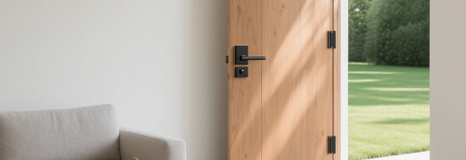

Selecting and Installing Decorative Hardware for Furniture Projects
For a furniture or cabinet project, the hardware that finishes a door is also the part that fails first when it is chosen poorly. A decorative hinge has to look right on the finished piece and carry the door through years of opening and closing. A designer picking one part by eye makes a single choice; a run makes it a decision repeated across every door in the batch.
The Dual Role of Decorative Hardware
A decorative part works on two levels at once. It sets the visual character of the piece and carries the structural load of the door, lid or drawer it moves. stainless steel cabinet hinges are not judged by their look alone, because each part must hold the weight it is asked to carry and stay quiet through repeated use.
That double job is why selection for a batch differs from picking one attractive part. You decide the function, the material and the finish a single time, and the same decision is then plated and fitted across every door in the run, so a wrong choice is multiplied rather than hidden.
Choosing by Function First
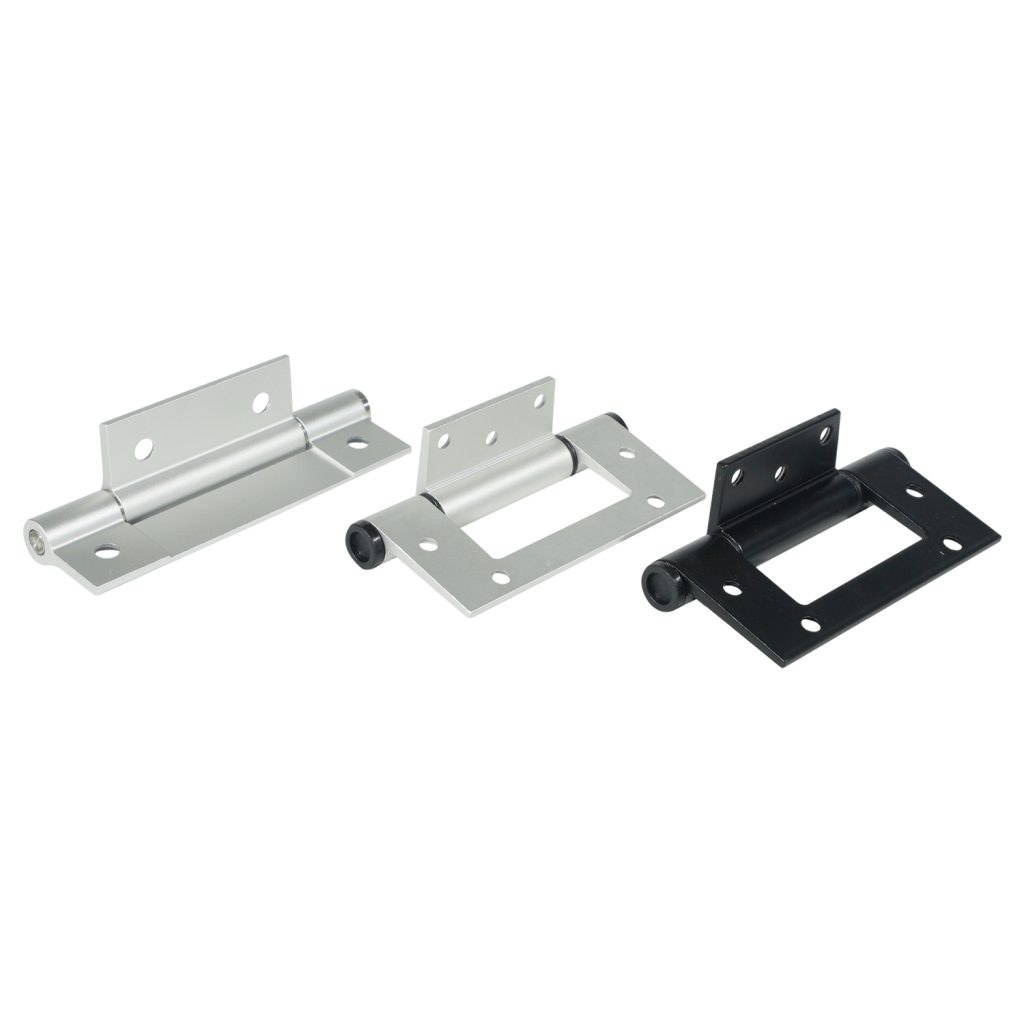
Before material or finish, the hinge has to match what the door does. A heavy door or a frequently used cabinet door needs a hinge with enough bearing and a body that will not flex under load, while a light lidded box or decorative shutter can use a slimmer part.
STRZ carries hinges across that range, from stainless steel European standard door furniture hinges and light soft close hinges to concealed hinges and gate, door and furniture butt hinges. The choice is driven by the door weight, the opening frequency and whether the hinge should be visible as a design element or stay hidden inside the joint.
A hinge is specified by its function class first, then refined by the material and the finish that suit the rest of the project.
Material and Finish as a Selection Dimension
Once the function is set, material and finish decide how the part ages and how it reads on the finished surface. Steel and stainless steel resist corrosion and suit doors that see moisture, brass gives a warmer look, and aluminium keeps the weight down. The finish then sets the surface tone, from a polished or plated face to a powder-coated one.
In the STRZ range, gate, door and furniture butt hinges come in steel, yellow brass, aluminium and stainless steel, with finishes including zinc, brass, polish, nickel, chrome and powder. That spread lets one supplier match the hinge to the finish of the furniture or door it sits on.
For a run, matching the finish to the surrounding hardware is a design decision and a durability decision at the same time. The finish is what the part shows, and it is also what protects the metal underneath, so the choice should be made on both grounds.
Installation Method and Fixing Choices
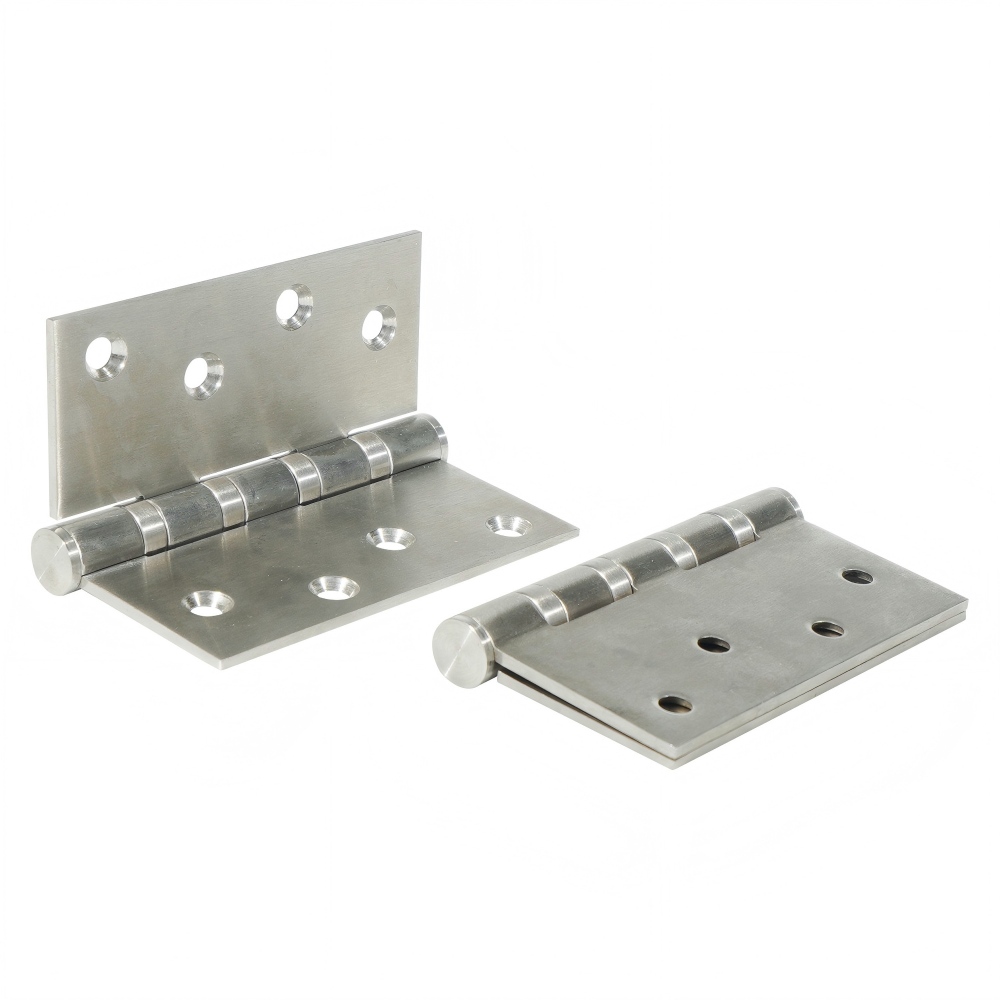
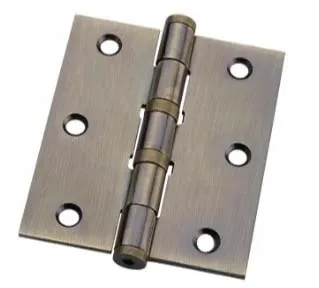
How the hinge is fixed is a selection decision, not an afterthought. Butt hinges surface mount to the door and the frame with screws, and the corner profile, round or square, has to clear the edge and sit flush against the surface it is fixed to.
cabinet butt hinges are specified for the mounting as much as the look, because the door and the frame have to be prepared to take the hinge at a consistent position and the corner shape has to match how the door edge is finished.
On a production run the mounting position and the fixing pattern are set once and repeated. A hinge that mounts cleanly the first time mounts cleanly every time, which is what keeps a batch of doors matching door to door rather than drifting out of line.
Consistency, Load and Corrosion on a Bulk Run
|
Selection dimension |
What it decides |
Typical options in the STRZ range |
|
Function and load |
Bearing and body strength |
Stainless European standard, soft close, concealed, gate/door/furniture butt |
|
Materialul |
Corrosion resistance and look |
Steel, yellow brass, aluminium, stainless steel |
|
Finish |
Surface tone and protection |
Zinc, brass, polish, nickel, chrome, powder |
|
Mounting |
How the hinge fixes to door and frame |
Round or square corner, surface mount with screws |
|
Consistency |
Repeatable fit across a batch |
Fixed mounting position and fixing pattern |
For a single piece, a hinge that fits and looks right is enough. For a project, the details that matter are the ones repeated across many doors: the mounting position, the load each hinge carries and the way the part protects itself against corrosion.
Vertical alignment is the detail that shows. If hinges sit at different heights across a set of doors, the doors hang unevenly even when each hinge is fine on its own, so the fixing position is set once and checked on every door. Corrosion protection is matched to where the hardware will sit, with a stainless or plated finish for doors that see moisture, chosen to last for the life of the piece.
STRZ supplies decorative hinges across these forms, and its customization covers size, thickness, material and finish. A run that standardizes on brass, for example, can hold the finish consistent when STRZ works as brass hinges manufacturers that match the finish and the mounting to the door, so a furniture or door manufacturer can specify one range that fits the design, the load and the environment of the project.
Selecting and Installing Decorative Hardware
Pick the function first, then the material and the finish, and finally the mounting. Match the finish to the furniture and the load to the door, and set the fixing pattern once so it repeats cleanly from the first unit to the last.
If you are specifying decorative hardware for a furniture or door project, the STRZ hinge range is a practical place to start that conversation, with the materials, finishes and customization options lined up against the doors you are making.
Întrebări frecvente
What should I choose first when selecting decorative hinges?
The function and the load the door carries. A heavy or frequently used door needs a hinge with more bearing, while a light lid or shutter can use a slimmer part; the material and the finish are decided next.
What materials are available for decorative hardware?
Steel, stainless steel, brass and aluminium are the main options. Brass reads warmer, stainless and steel resist corrosion, and aluminium keeps the weight low, while the finish sets the surface tone.
How do I match the finish to the furniture?
Choose the hinge finish to match the finish of the surrounding hardware and the door or cabinet surface, so the part reads as part of the piece rather than as a separate element.
What keeps installation consistent across a batch?
A mounting position and a fixing pattern set once and repeated on every door, with vertical alignment checked so the doors hang evenly across the run.
Can one supplier cover materials, finishes and customization?
STRZ offers gate, door and furniture hinges in steel, brass, aluminium and stainless steel with a range of finishes, and supports customization of size, thickness, material and finish for the project.

 Consultaţi
 pe WhatsApp
 Lasă un mesaj
 partea de sus