





Skip the Concrete: A Guide to Ground Screw Anchor Installation for Fencing
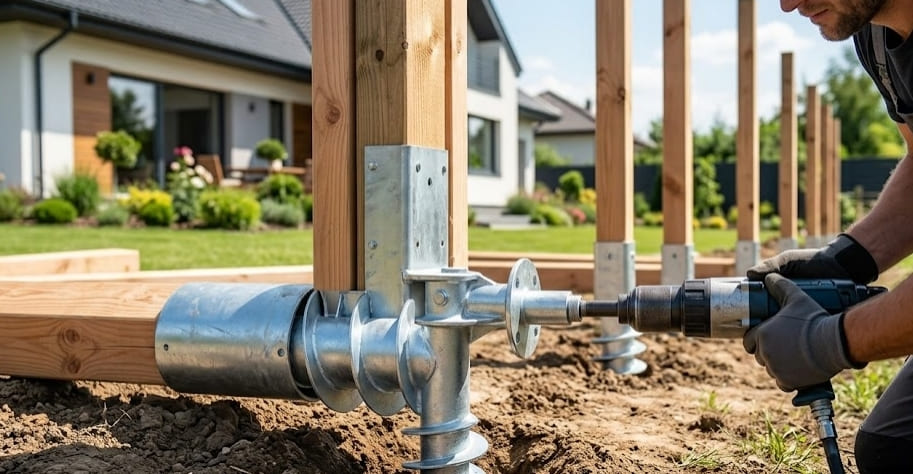
Common building approaches usually insist that a solid fence needs deep-dug holes. They also require heavy sacks of concrete. Plus, you must wait several days for the bases to harden. Yet, as contractors and property owners look for quicker and greener options, ground screw anchor installation has become a better choice. This technique applies basic engineering ideas that stress speed and strength. As a result, it swaps the dirt and hassle of digging with the accuracy of tough steel parts.
What Are Helical Ground Anchors and How Do They Work?
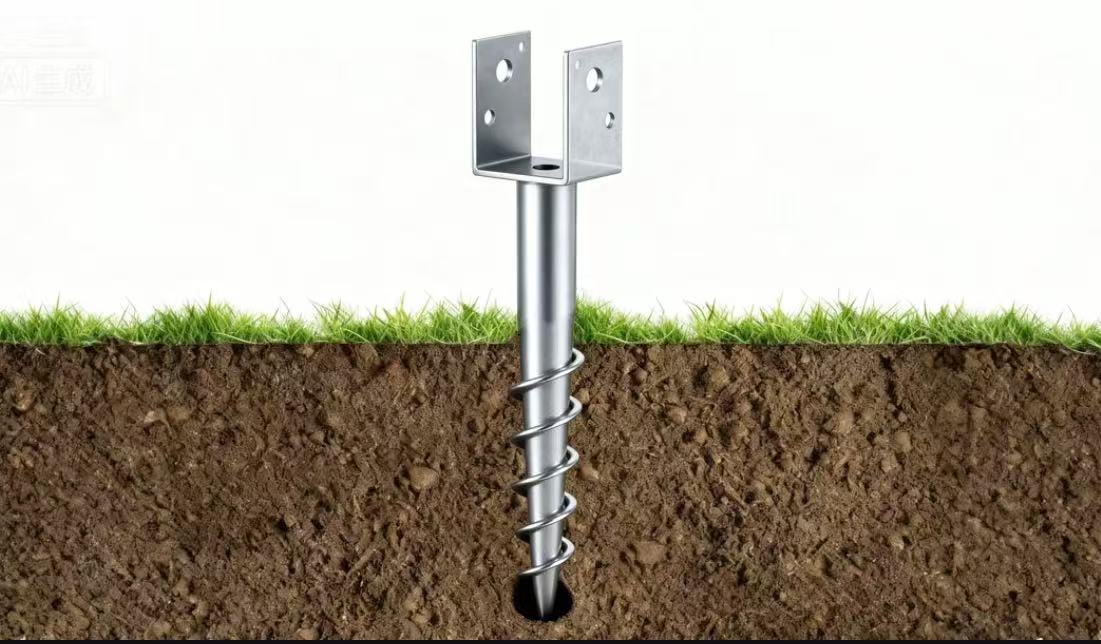
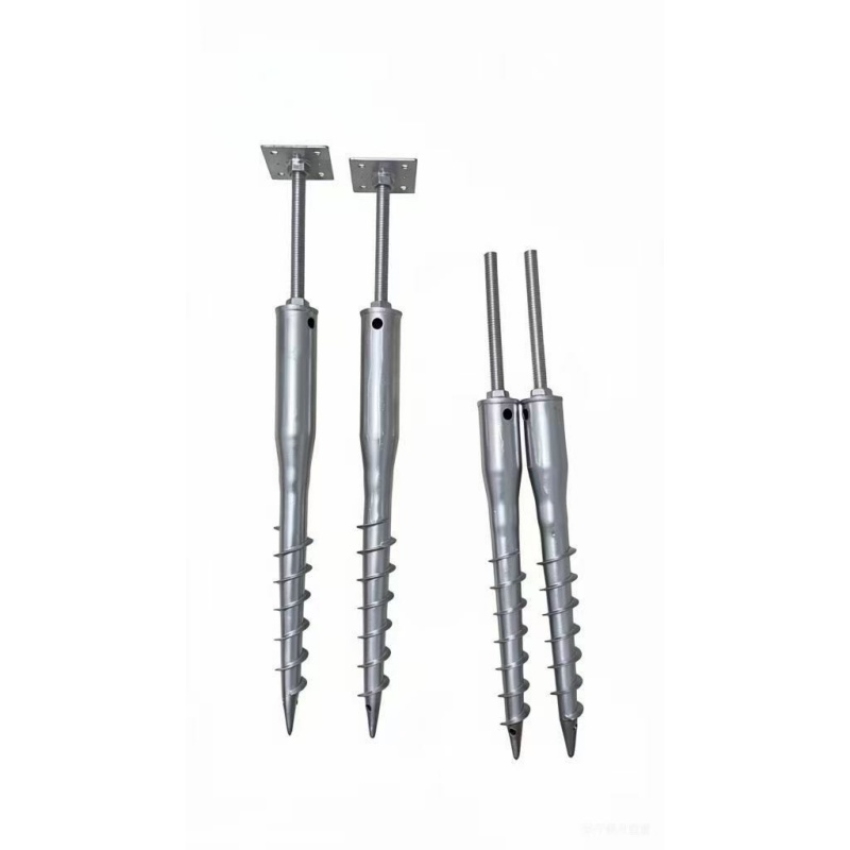
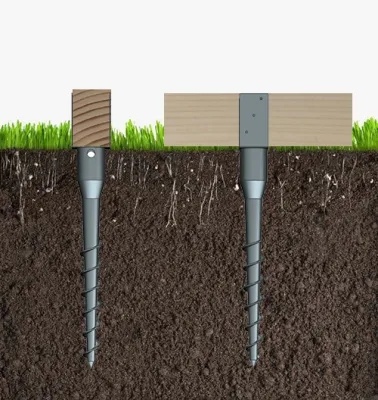
Helical ground anchors serve as dedicated base setups. They include a metal rod with one or several spiral plates. These plates function like oversized screws that twist right into the soil. In contrast to a usual post that depends on concrete’s mass for support, these anchors draw on the natural firmness of the untouched ground.
During a ground screw anchor installation, the spiral edges slice into the dirt. This action delivers strong resistance against pulling out. It also provides solid weight support right after placement. Such parts are often made from robust Q235 steel. This material helps them follow tight safety rules for home and business uses.
Technical Specifications of Ground Anchors
|
Feature |
Specification Details |
|
Material |
Q235 Steel (Hot-dip galvanized) or 304 Stainless Steel |
|
Working Temperature |
-40°C to 80°C |
|
Load-Bearing Capacity |
500N to 5000N depending on the specific model |
|
Surface Finish |
Hot-dip galvanization (60-85μm) or Penetration Galvanizing |
|
Tube Thickness |
Varies from 1.8mm to 3.0mm for different heavy-duty needs |
Why Choose a Screw-In Fence Post Over Traditional Concrete?
Switching to a fence post anchor setup brings various practical and cost-saving benefits. Traditional concrete bases simply cannot compete with them:
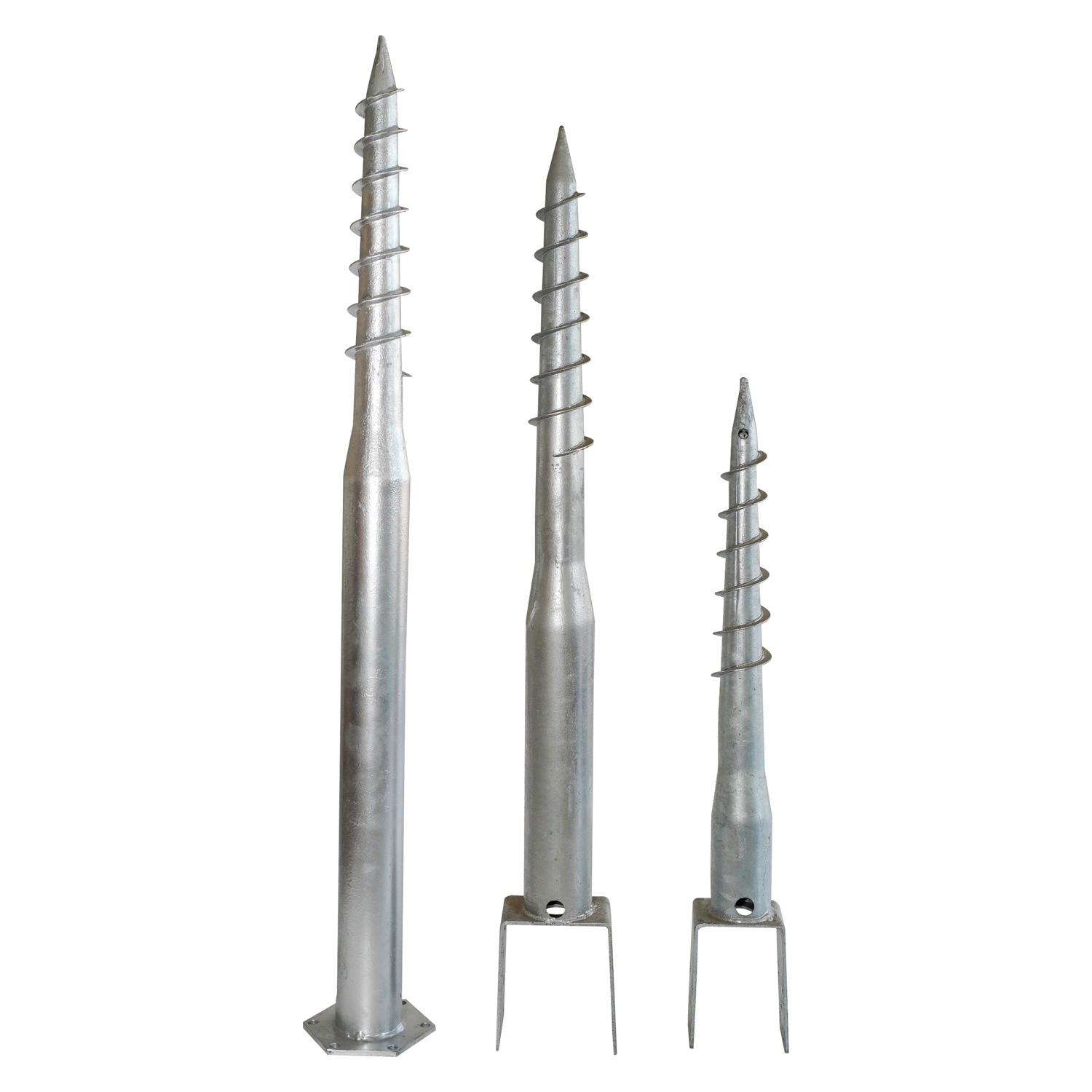
- Instant Load Readiness: Concrete needs days to set before use. However, a ground screw anchor installationbecomes ready right away. So, you can fix fence sections on the same day.
- Weather Independence: You can set them up in tough weather or damp settings. The base’s strength stays intact.
- Environmental Sustainability: No big digging is needed. Thus, it causes less upset to the earth. Also, wet concrete does not release chemicals into the yard.
- Long-Term Durability: Anchors with hot-dip galvanizing last 10 to 15 years longer than plain steel links in open areas.
- Reusability: For short-term marking of sites or gatherings, helical ground anchorscan be pulled out and used many times again. They leave no trash.
How to Execute a Professional Ground Screw Anchor Installation
Setting up a screw in fence post is meant to be simple and direct. This holds true whether you are a home DIY fan or a skilled builder.
- Site Assessment: Check the ground type and note the precise spots for each post.
- Pilot Hole (Optional): In areas with dense hard soil or packed earth, a minor guide hole can avoid setup problems.
- Driving the Anchor: For small yard tasks, employ basic hand tools. For bigger helical ground anchors, opt for powered equipment.
- Leveling: When the screw hits the needed depth, check with a bubble level. Make sure the top plate or holder sits flat.
- Connection: Attach the fence post to the anchor with suitable coated screws or fasteners. Common sizes run from M4 to M5.
Common Ground Screw Types for Fencing
|
Model Type |
Application Best Fit |
|
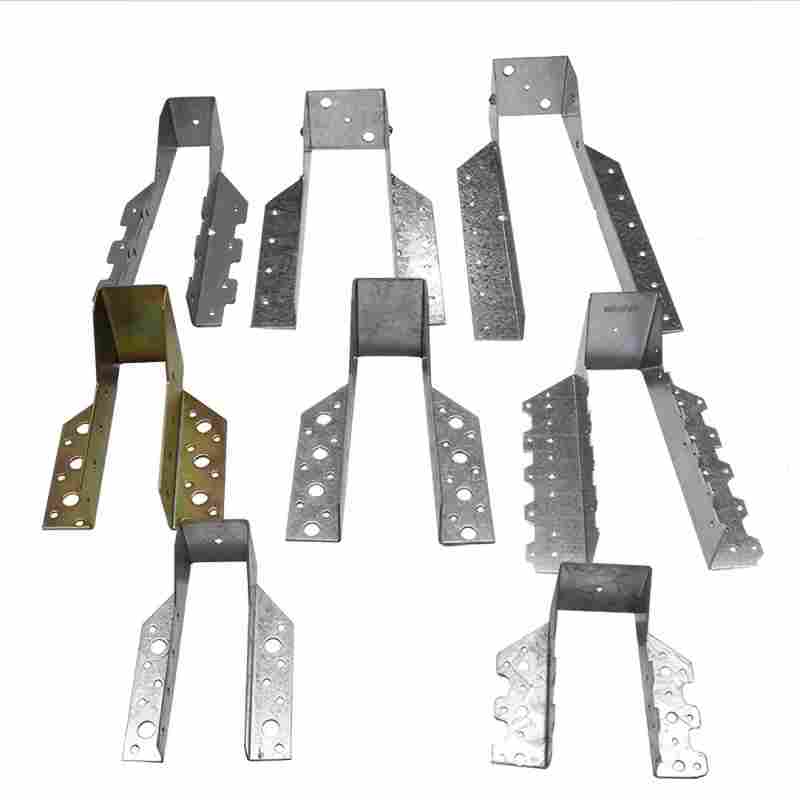
U-Type Ground Anchor |
Ideal for timber beams and wooden fence posts |
|
M-Flange Series |
Best for heavy-duty construction and solar panel mounting |
|
Shrink Tube Type |
Used for standard signposts and lightweight fencing |
|
V-Series Anchors |
Specifically designed for varying heights and sloped terrains |
What Are the Best Applications for Ground Screws in Fencing?
The flexibility of helical ground anchors makes them suitable for many fields:
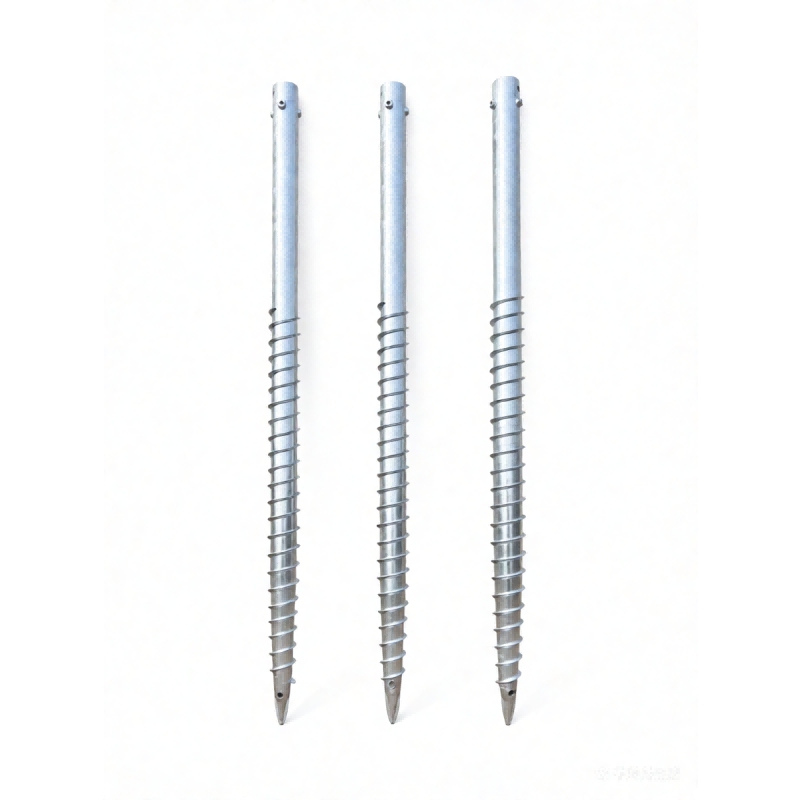
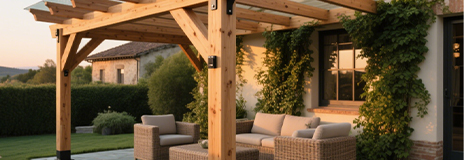
- Residential & Landscaping: They work well for yard barriers, supports for growing vines, and ornamental shelters.
- Agriculture & Farming: They offer a dependable way to hold animal pens and field edge guards.
- Infrastructure & Security: They secure road edge barriers. Moreover, they block unwanted entry to work areas. They also mark off short-term sites.
- Solar Energy Projects: Large solar setups often rely on ground screw anchor installation. This keeps timelines short and soil impact minimal.
How to Select the Right Hardware for Your Project
Picking the proper screw for a fence post means fitting the parts to the site’s weather and the fence’s weight demands.
- Corrosion Resistance: In seaside spots or moist places, choose deep galvanizing or stronger coating layers (up to 100μm).
- Size Matching: Verify that the anchor’s inside width (like 80mm or 110mm) fits your post size precisely for a firm hold.
- Adjustability: Certain tasks need repeated tweaks while in use. For those, deep galvanizing works best. It keeps the threads clear and avoids sticking.
Real-World Success with Ground Screw Foundations
These setups have proven their worth in projects around the world. For example, a firm in Europe used custom-coated links for 50 wooden outdoor shelters. Three years later, after facing wind and rain, the buildings had no rust or wobble. This shows the lasting benefits of a proper ground screw anchor installation. In the same way, homes built in the UK and Poland prove that jobs taking days with a concrete finish in one day using helical ground anchors.
Conclusion
Opting for a screw in fence post instead of the old ways is a smart move. It focuses on speed, toughness, and care for the environment. When you add helical ground anchors to your building process, you cut out the wait for concrete to dry. At the same time, you get a base that holds up well in rough outdoor spots. This applies whether you handle a basic yard fix or a major business task. The exactness and power of a current ground screw anchor installation give the trust needed for lasting fence work.
If you want top-quality parts, STRZ offers a full line of reliable ground screws and fittings. They match worldwide construction standards. From tailored U-type anchors to strong industrial stakes, we supply complete answers to make sure your next fence job begins with a firm base.
FAQ
Q: Can HDG Ground Screw be installed in sloped or uneven terrain?
A: Yes. A key benefit of HDG Ground Screw is how it handles level changes. For instance, setups on inclines with as much as 40cm of rise have wrapped up in just one day. Unlike concrete, which would demand extensive site leveling and curing time, ground screws adapt to the slope by adjusting the installation depth, maintaining a perfectly level foundation for the upper structure.
Q:How long does a ground screw anchor installation last?
A: With hot-dip galvanized steel in place, these anchors often serve for 15 years or longer outdoors. The coating creates a thick shield that stands up well against rust and harsh elements.
Q:Is a screw in fence post compatible with all soil types?
A: These anchors suit most typical ground kinds. That includes spots with roots from pine, oak, and cedar. If the soil is very tight or full of rocks, consider drilling ahead or using special tools. This ensures you reach the right depth.
Q:Can I reuse the anchors if I decide to move my fence?
A: Absolutely. Helical ground anchors support an “install-use-remove” approach. As such, they fit well for short barriers or adjustable structures. You can twist them out and shift them elsewhere without waste or harm to the area.
Q:Do these anchors require maintenance after installation?
A: They need very little upkeep. The galvanized cover sticks tightly to the metal base. So, it does not flake away in normal setups. In damp zones for extended periods, apply rust-proof oils to keep the threads secure.
 Consult
 Whatsapp
 Leave Message
 top
top