



How a Door Hinge Factory Ensures Precision for High-Traffic Commercial Use
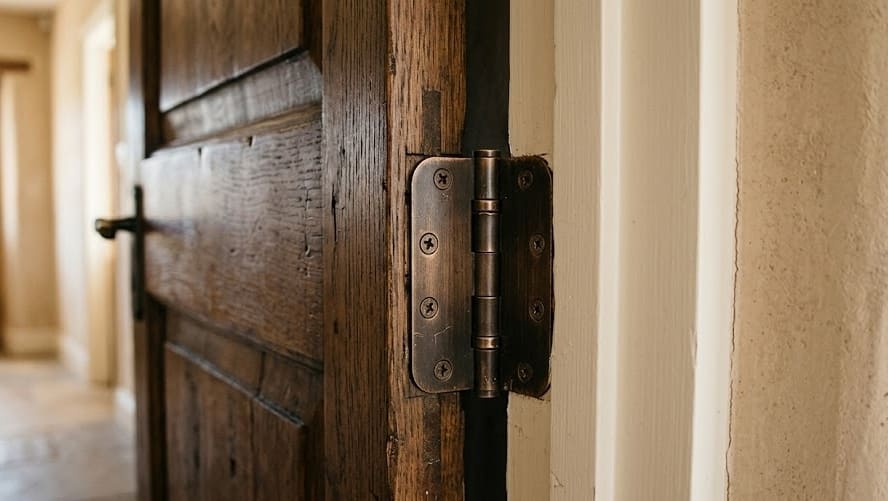
In tough commercial building settings, the strength of busy entrances relies a lot on the reliability of tiny parts. Places like malls, hospitals, and office buildings need doors to work smoothly many times each day. This puts heavy strain on the fittings. For buyers and builders worldwide, working with a skilled door hinge factory is more than just buying supplies. It is a smart choice to keep things safe and running without interruptions. Careful design in production stops usual problems like doors drooping, getting out of line, and wearing out too soon. These issues often come from cheap fittings and add hidden expenses.
What Defines a Top-Tier Hinge Factory in the Modern Market?
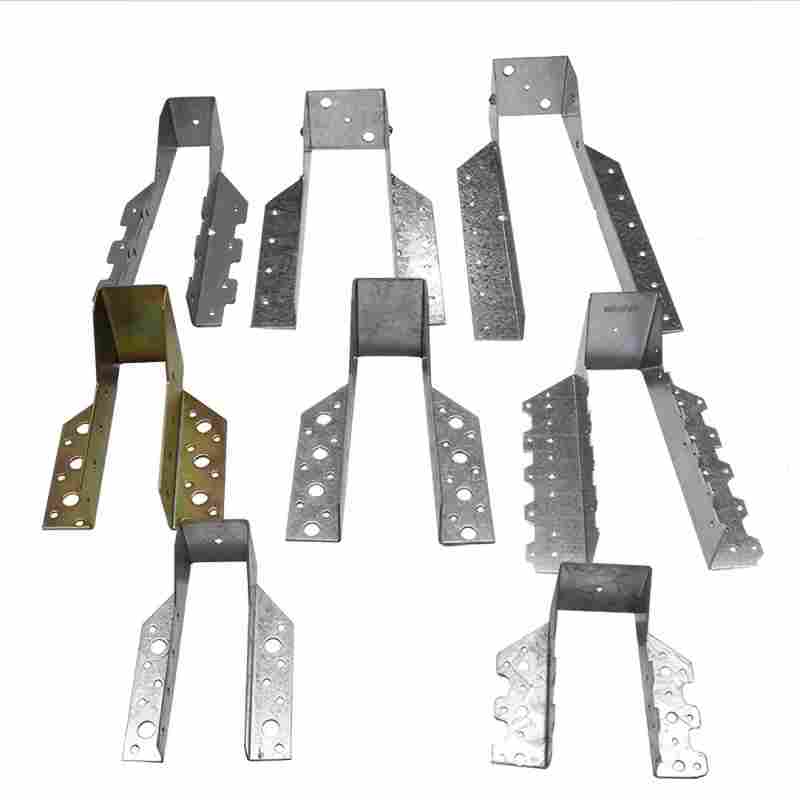
A strong hinge factory stands out with big setups and solid tech skills, positioning themselves as leading construction hardware suppliers in the global market. Current plants, usually covering more than 20,000 square meters, include expert pressing lines. These are key to keeping uniformity in big orders. Such plants support the worldwide supply network. They ship dependable metal items that get good reviews for working well in various business and home uses.
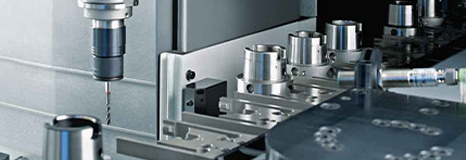
Tech skills in these places come from a full set of tools. To get the tiny accuracy needed for business needs, a door hinge factory uses modern gear like punching machines, cutting tools, smoothing devices, and auto-joining setups. This setup of machines helps make hinges that go beyond the tough needs of busy areas. Thus, each piece follows strict safety rules for structure.
Why Precision Stamping is Critical for Heavy Duty Door Hinge Manufacturers?
For heavy-duty door hinge manufacturers, pressing is where accuracy joins strength. Business hinges need to hold big weights and keep easy motion. Pressed hinges from good steel and careful work are vital for doors, cabinets, and factory gates where strength matters most. Making these parts with exact sizes means they handle ongoing pull in business places.
Uniformity counts a great deal, too. Projects needing many matching pieces benefit from auto lines that keep hole designs and weight support the same. This sameness makes fitting on site easier. It also guarantees future replacements will match well. By paying attention to these details, heavy-duty door hinge manufacturers supply useful devices for fields from furniture to plane building.
Product Technical Specifications and Load Standards
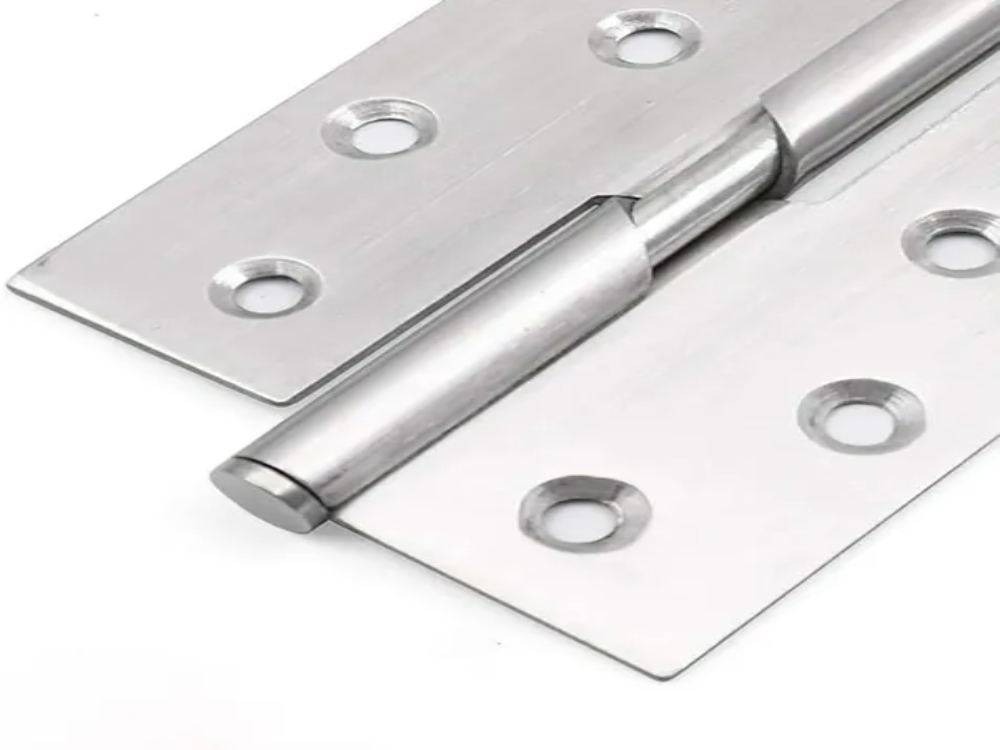
Knowing the key details of hinge types helps pick the best fittings for certain business uses. A skilled door hinge factory makes many kinds of links and holders. Each fits different weight needs and weather conditions.
|
Product Model / Series |
Primary Material |
Standard Finish |
Application Load Range |
|
Standard Industrial Hinge |
Stamped Precision Steel |
Zinc Plated (ZP) |
800N – 1500N |
|
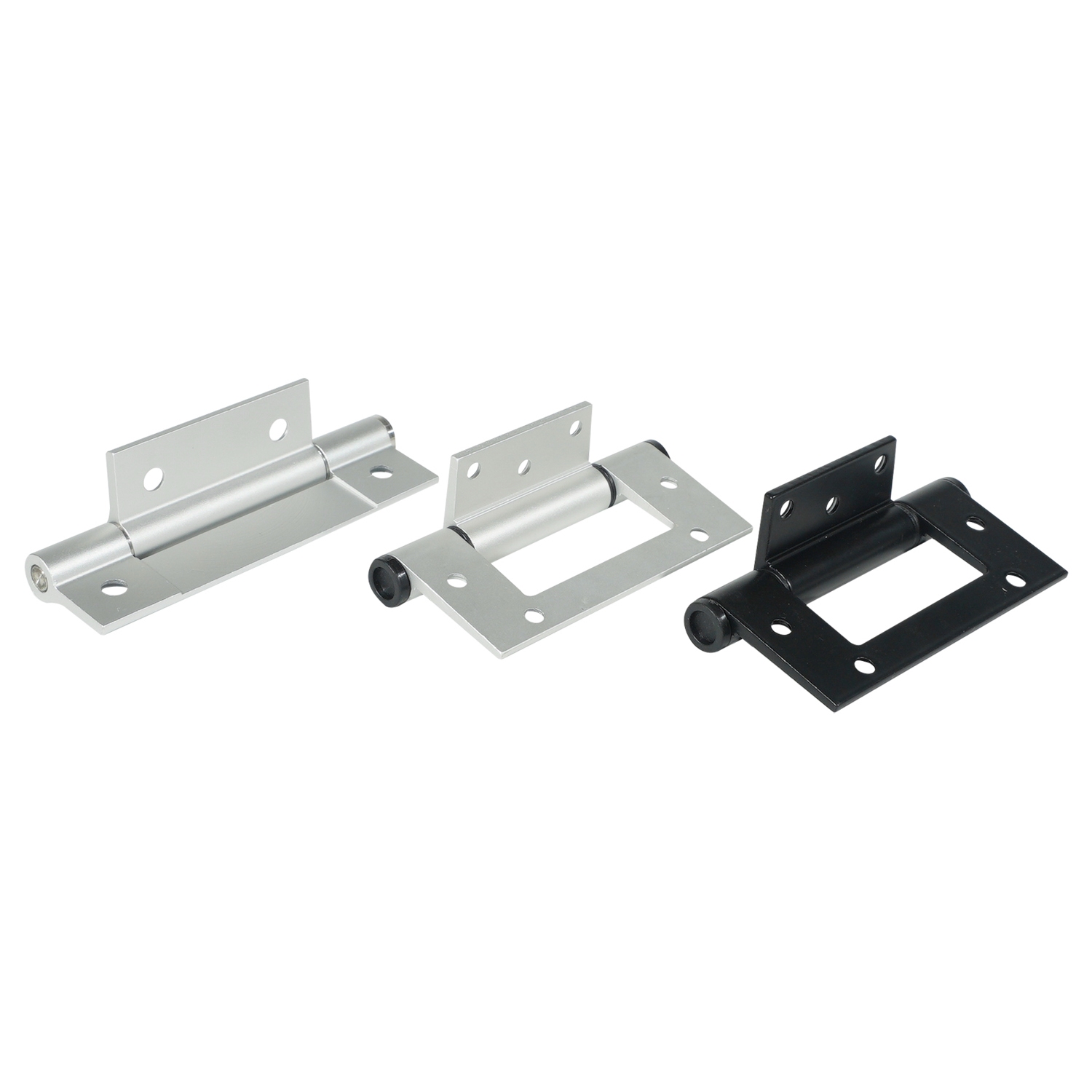
Adjustable Component Hinge |
Steel with Penetration Zinc |
Penetration Galvanizing |
500N – 1200N |
|
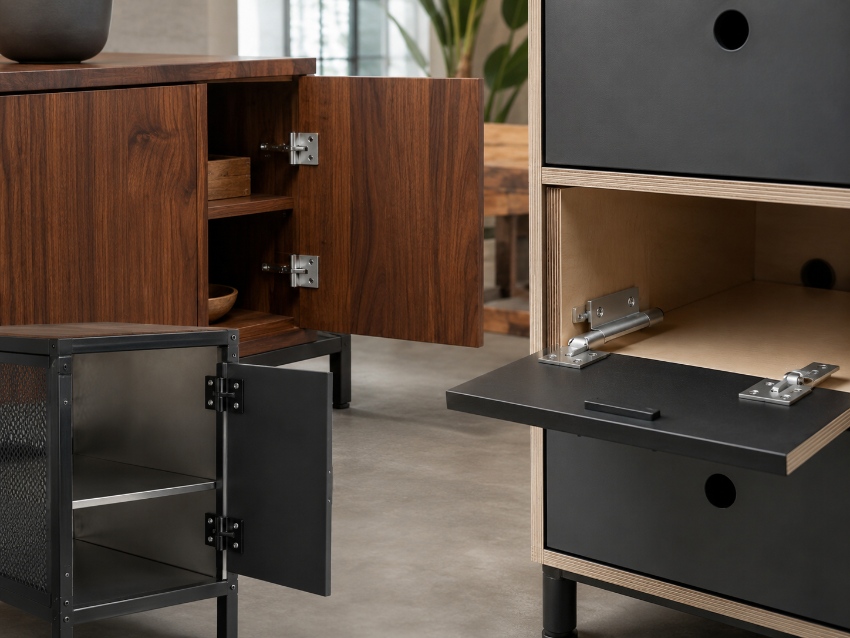
Precision Cabinet & Gate Hinge |
High-Strength Metal |
Electro-Galvanized |
300N – 800N |
These details show the varied market demands. For example, busy business doors usually need the heavy-duty series. Its weight support goes up to 5000N. This stops bending from regular use.
How a Door Hinge Factory Tests for Commercial Durability
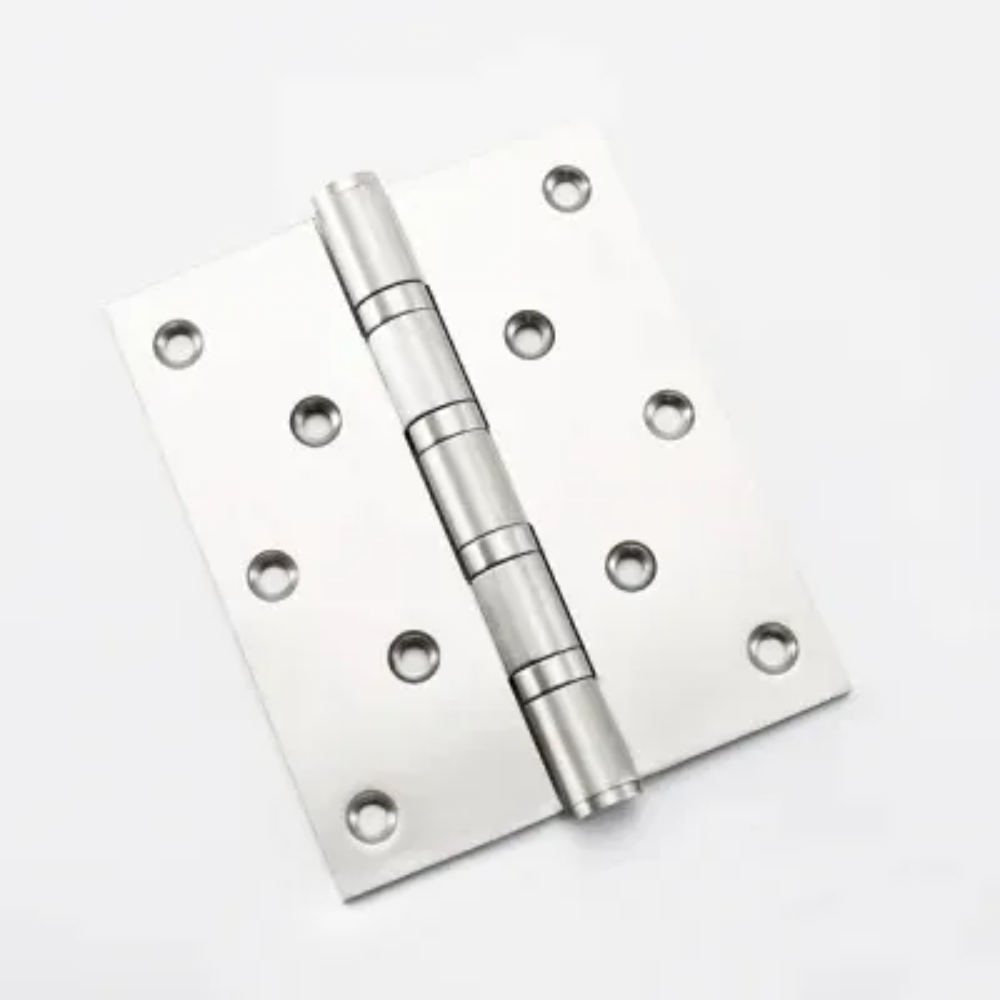
Accuracy means little without proven strength. A skilled door hinge factory puts products through strict checks to match world-building rules like ASTM and DIN. These rules control item quality. They give buyers confidence that the fittings work in actual situations.
Main check methods cover:
- Weight Support Check: Examining the top load a link can take without bending. This shows key safety for the structure.
- Salt Mist Check: For items meant for outside or rough spots, salt mist tests last 400 hours or longer. They confirm resistance to rust.
- Motion Cycle Check: Copying thousands of open and close actions to confirm easy flow and steady strength over time.
- Approval Reviews: Keeping to world rules like CE and BSCI for fair making and item safety.
What Surface Treatments Best Protect Hinges in Harsh Environments
A business hinges its life often depends on its outer layer. While careful making ensures proper fit, outer work ensures it lasts against water and harm from chemicals. A door hinge factory usually gives a full choice of layers made for different weather issues.
Usual outer layers include:
- Electro-Galvanization: Giving a slimmer cover (8-15μm) that costs less. It fits well in dry spots.
- Penetration Galvanizing: A better method that brings top anti-rust power. It keeps a smooth, exact surface for parts like screws and supports.
- Powder Coating: Adding a guard layer plus style choices to fit certain building looks.
In a new Europe job, adjustable links with penetration galvanizing passed 400 hours in salt mist tests. They earned good words for fighting rust and the easy work of adjusting parts.
Why Commercial Contractors Prioritize One-Stop Hinge Solutions
In business-to-business work, smooth supply flow matters as much as the item. Many heavy-duty door hinge manufacturers now offer full services. These cover picking materials, making methods, quality checks, and safe shipping. This all-in-one way lets builders cut build time and upkeep costs by a lot.
The brand STRZ has grown into a reliable choice here. It is known for building lasting ties with a focus on truth and new ideas. With custom choices via OEM and ODM, such makers adjust sizes and hole spots to fit exact job needs. This ensures a good match for worldwide uses.
Conclusion
The careful work by a skilled door hinge factory forms the base for safety, lasting power, and good function in busy business areas. Using modern tools, strict checks, and new outer layers like penetration galvanizing, heavy-duty door hinge manufacturers deliver fittings that handle time and weather strain. Picking a maker partner with tech know-how and a promise to world rules not only guards the build investment but also improves user satisfaction. As fields keep changing, these key mechanical parts will stay central to building steadiness and ease.
STRZ leads in this field. It works to improve outer layer methods and grow its product range for varied needs from global customers. For big business builds or special factory jobs, our group offers steady, top-quality base help and fitting answers ready for tomorrow.
FAQ
Q:What is the primary difference between electro-galvanized and penetration galvanizing hinges?
A:Electro-galvanized hinges provide a thinner protective layer (8-15μm) and are cost-effective for dry indoor environments. Penetration galvanizing is a more advanced process offering superior anti-rust power, lasting over 400 hours in salt mist tests, making it ideal for outdoor or harsh commercial spots.
Q: How do manufacturers ensure that heavy-duty hinges won’t sag over time?
A: To stop drooping, makers use careful pressing and strong steel like Q235. It handles high weights and hits well. Plus, plants run weight checks to make sure the hinge holds its set load without changing shape.
Q: Why is penetration galvanizing recommended for adjustable hinge components?
A: Penetration galvanizing offers strong rust protection over 400 hours in salt tests. At the same time, it keeps a sleek, exact finish so screws and fittings move freely without sticking.
Q: Are there custom-size options available for specialized commercial projects?
A: Yes, top plants give OEM and ODM custom work. Here, sizes, hole spots, and even layer thicknesses can change to fit drawings or special weather needs.
Q: What international standards should I look for when sourcing commercial hardware?
A: Good fittings must follow world-building rules like ASTM and DIN. Also, pick makers with CE and BSCI approvals. These confirm they meet global safety and fair-making rules.
 Consult
 Whatsapp
 Leave Message
 top
top