




Why Use Fence Ground Screws for B2B Projects
Introduction
Using ground screws for a fencing project is no longer only a small garden solution. For contractors, hardware supermarkets, construction suppliers, door and window factories, and infrastructure buyers, a ground screw post support can reduce installation time, lower site disruption, and support cleaner construction planning. As global buyers face tighter environmental rules, CBAM-related carbon concerns, labor audits, and different local building codes, fence ground screws are becoming a practical alternative to concrete footings.
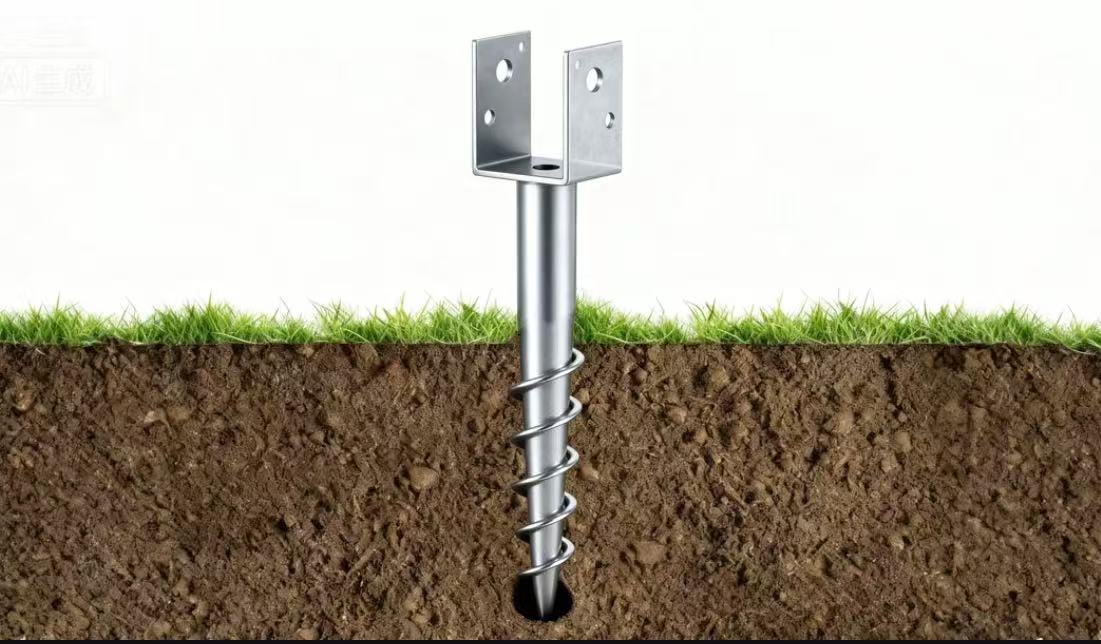
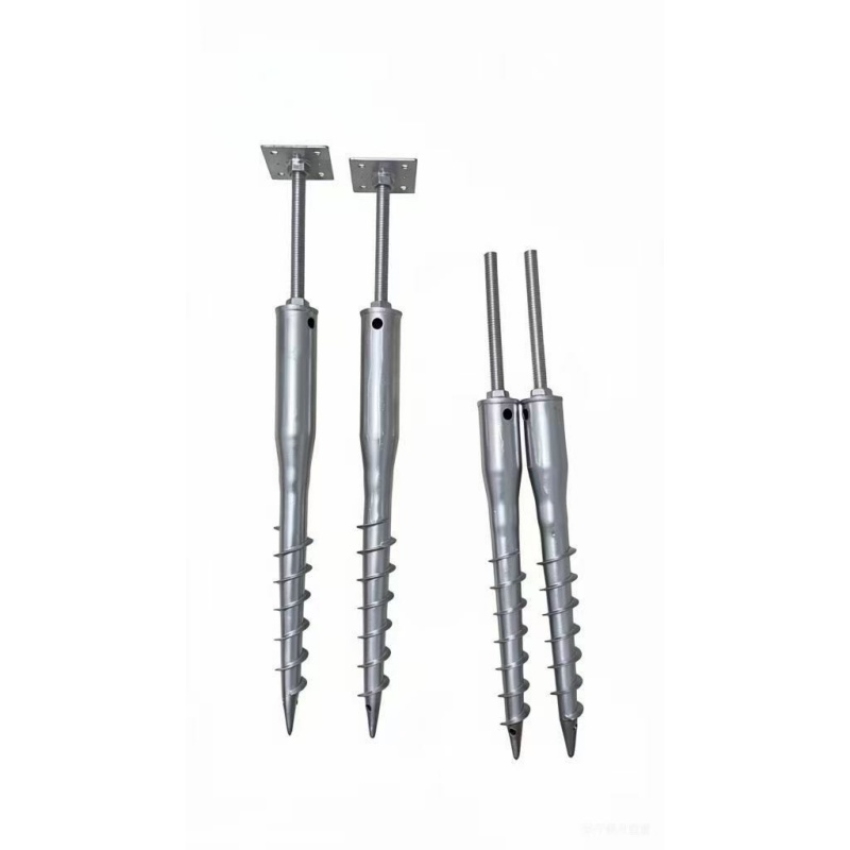
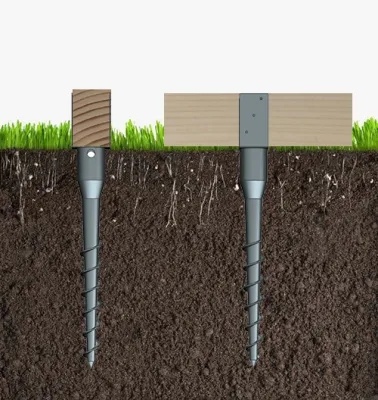
A ground screw fence post anchor is designed to hold timber, steel, or custom fence posts by turning the foundation directly into the soil. For buyers managing cost, delivery time, safety, certification, and product variety, the real value is not just “easy installation.” The value lies in repeatable dimensions, reliable coating, stable welding, and the ability to customize screw-in post support structures for different markets.
Why Are Fence Ground Screws Replacing Concrete in Some Projects?
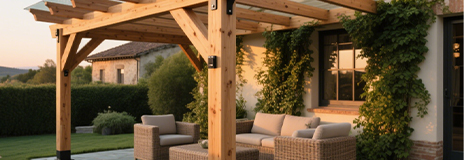
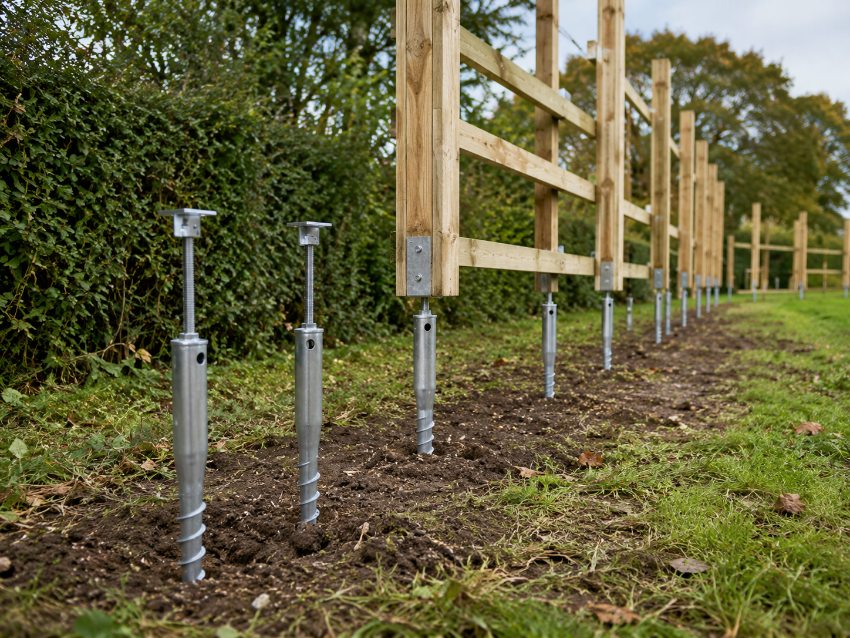
Concrete still has its place, but many fencing projects now need faster and cleaner foundation work. Fence posts that screw into the ground avoid curing time, reduce excavation, and allow faster project handover. In one UK garden office case, 20 ground screws were installed in about three hours on sloped ground, avoiding concrete pouring and leveling work. In another Gdańsk case, a 4×3 m shed on a 40 cm slope difference was completed within one day using a ground screw solution.
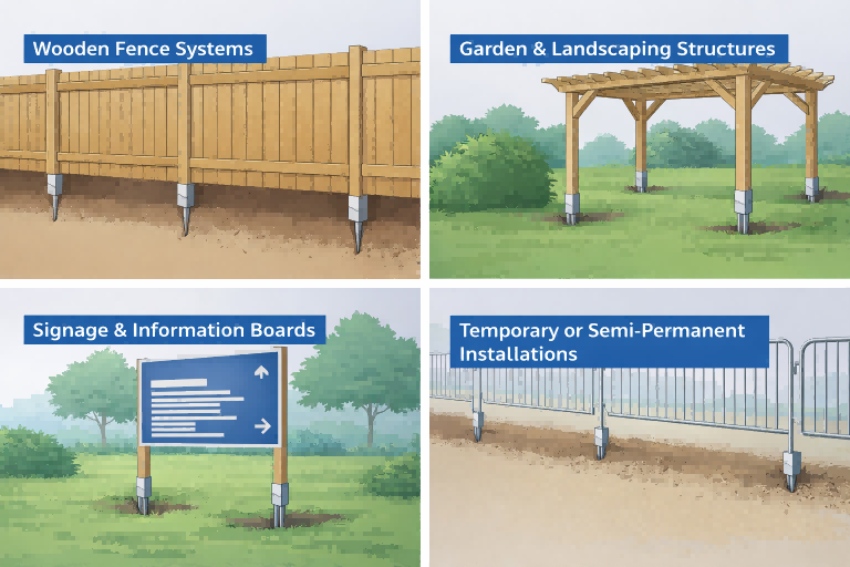
For B2B buyers, this matters because labor cost is often less predictable than product cost. A fence post screw may look simple, but when a project includes hundreds or thousands of posts, fewer wet works and faster installation can protect the overall budget. This is why screw-in post supports are increasingly used for garden fencing, farm boundaries, temporary barriers, roadside fencing, signage, and lightweight outdoor structures.
What Product Specifications Should Buyers Check?
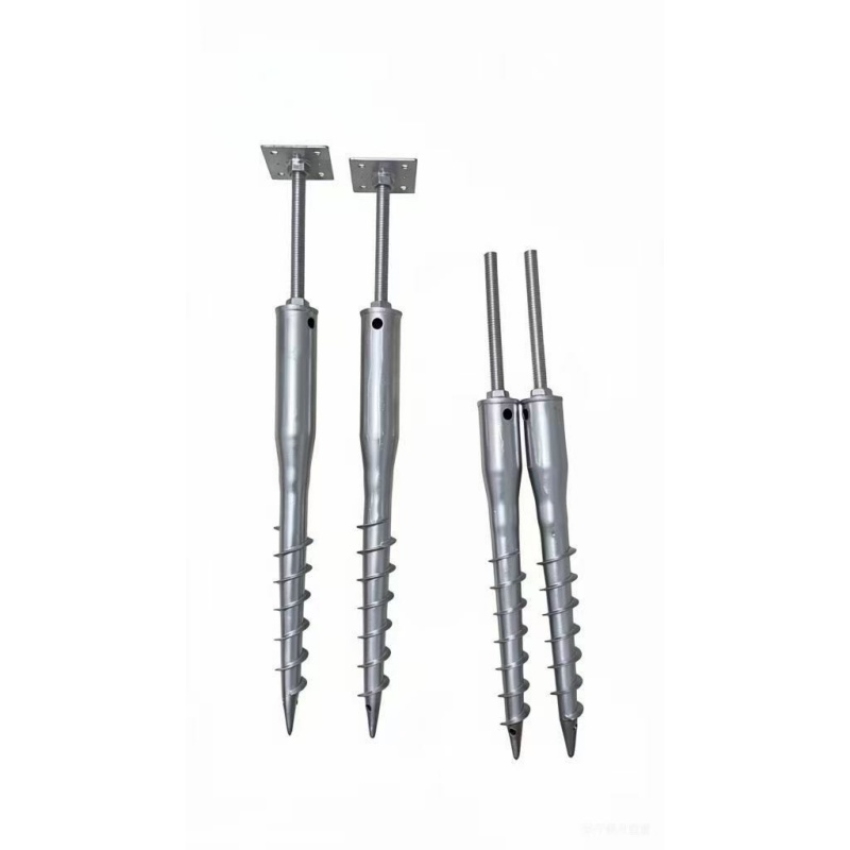
A reliable ground screw post support should be selected by soil condition, fence height, post material, corrosion exposure, and local load requirements. Tube thickness, thread length, head type, and weight per piece affect installation performance, freight cost, and long-term safety.
|
Type de produit |
Example Specification |
Épaisseur du tube |
Longueur du fil |
Weight/Pc |
Suitable Use |
|
M straight type |
M68×120×1000 M12 HDG |
1,8 mm |
400 mm |
3.95 kg |
Standard fencing and light outdoor posts |
|
M straight heavy type |
M160×8 / 76×1600×3.0 M16 |
3.0 mm |
900 mm |
10.78 kg |
Higher load fencing, signage, or exposed sites |
|
M shrink tube type |
M120×6 / 68×1200×1.8 M12 |
1,8 mm |
400 mm |
4.25 kg |
Medium fence ground screws and garden structures |
|
U shrink tube type |
U shape 101×1300×1.8 HDG M12 |
1,8 mm |
Confirm by drawing |
4.32 kg |
Timber posts, square posts, and custom fence bases |
The specification sheet also shows customized availability, which is important for buyers who need different post openings, U-type heads, M flange bases, or mixed-SKU orders. A hardware retailer may focus on standard screw-in post support sizes for shelf sales, while a bridge, railway, automotive, shipbuilding, or municipal buyer may need a customized ground screw fence post anchor with specific hole positions, welding structure, coating thickness, and packaging.
How Does Surface Treatment Affect Outdoor Safety?
Outdoor fence ground screws face soil moisture, rain, salt, fertilizer, freeze-thaw cycles, and long exposure to UV and air pollution. Hot-dip galvanizing is widely used because it forms a protective zinc layer around steel. For adjustable parts such as nuts, brackets, and connecting sections, penetration galvanising can help keep smoother thread movement while improving corrosion resistance. A European custom ground pile project used penetration galvanising for adjustable connectors; the salt spray test exceeded 400 hours, and the fittings operated smoothly without jamming or thread damage.
This detail matters in real procurement. A low-price fence post screw may pass a visual check but fail when threads jam, holes shift, or coating scratches during installation. For distributors and project contractors, coating quality directly affects returns, warranty claims, and customer trust.
How Should Global Buyers Control Compliance Risk?
Different countries treat fencing foundations differently. Some markets check wind load, boundary height, public safety, soil condition, or installation method. EU buyers may ask for environmental production records, CBAM-related carbon data, coating compliance, and BSCI-related social responsibility documents. North American buyers may focus on load testing, installation instructions, packaging labels, and liability control.
A capable ground screw anchor manufacturer should help buyers review drawings, material grades, welding quality, coating options, and batch inspection documents before shipment. Factory capability also affects delivery. A 20,000 m² ground post anchor factory with punch presses, shearing, grinding, leveling, argon arc welding, automated welding machines, and finishes including electroplating, hot-dip galvanization, powder coating, and penetration galvanizing.
How Can Custom Screw-In Post Supports Fit More Industries?
Fencing is only one entry point. The same production logic can support outdoor signage, solar mounting, traffic facilities, temporary structures, garden buildings, public infrastructure, and equipment bases. Beyond standard screw-in post supports, the same hardware manufacturing capability can also support special-shaped metal parts, including metal plus plastic and metal plus rubber combinations. For buyers in transport, bridge, marine, automotive, railway, and door or window hardware sectors, customization should be handled through drawings, material confirmation, tolerance control, surface treatment planning, and sample testing.
For these projects, customization should start from drawings, not guesswork. We normally check post size, load direction, soil condition, installation tool, surface finish, packaging method, and target market documents before confirming mass production.
Conclusion
A ground screw post support is more than a quick foundation part. It is a cost, safety, compliance, and delivery decision for global B2B buyers. When fence posts that screw into the ground are matched with the right specification, coating, and quality control process, they can reduce site work and improve project flexibility. Sunstone Ruize(STRZ) supports this value through specification variety, surface treatment options, and custom manufacturing capability.
For project drawings, mixed specifications, or customized fence post screw requirements, contact Sunstone Ruize(STRZ) for specification review and sourcing support.
FAQ (questions fréquentes)
How much does a ground screw post support cost for bulk orders?
Pricing depends on steel thickness, tube diameter, length, head type, coating, packaging, and order quantity. A heavier ground screw post support with 3.0 mm tube thickness will cost more than a light 1.8 mm fencing model.
What is the lead time for custom screw-in post support orders?
Lead time depends on drawings, tooling, coating, testing, and quantity. Standard screw-in post support models are usually faster, while custom heads or mixed-material parts need extra confirmation.
Are fence ground screws suitable for hardware supermarket sales?
Yes. Fence ground screws are suitable for retail channels when sizes, packaging, labels, installation guides, and surface finish are standardized for shelf display and customer use.
What after-sales support should a ground screw anchor manufacturer provide?
A ground screw anchor manufacturer should provide drawing confirmation, batch inspection, coating records, installation guidance, packaging review, and replacement support for confirmed quality issues.
 Consulter
 sur Whatsapp
 Laisser un message
 haut
haut