





What Should Buyers Check in a Timber Connector Supplier
Introduction
Selecting a good timber connector supplier involves much more than a basic price check today. For international B2B purchasers, structural timber connectors need to meet regional building codes and specific project load demands. They must also handle outdoor weather elements, fit retail packaging requirements, and align with long-term supply schedules. A procurement manager from a construction firm might prioritize load-bearing safety above all else. Meanwhile, a hardware store buyer might care most about stable SKU management, neat carton packing, and reliable repeat deliveries. Door and window manufacturers, bridge builders, marine contractors, auto parts buyers, and rail transit operators all require varied timber connection systems.
How Do Structural Timber Connectors Affect Safety?
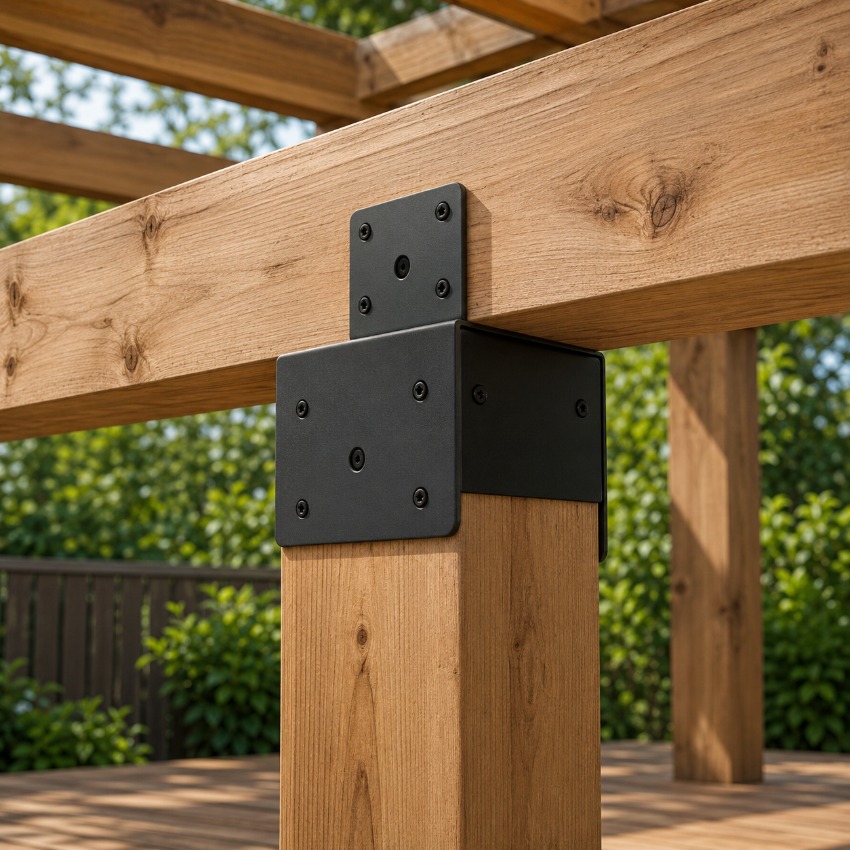
Timber connections function by shifting force between wood members such as joists, beams, rafters, and posts. If the metal piece is too thin, the structure might move under heavy loads. Similarly, inaccurate holes or mismatched fasteners can cause structural shifts. This is exactly why structural timber connectors must be judged as critical engineered parts, rather than just simple stamped metal items.
For heavy load-bearing applications, buyers need to verify the steel grade and coating thickness. They should also check the connector thickness, hole diameter, suggested wood screws, and official test reports. Based on our daily practice, galvanized steel wood connectors can support a load range of 500–5000 N, depending on the specific model. Standard joist hangers usually handle around 800–1200 N. A smooth galvanized finish without sharp burrs is also essential. Rough metal edges can slow down installation work and threaten worker safety.
Why Does Surface Treatment Matter for Outdoor Timber Connections?
extérieur timber framing connectors constantly face rain, moisture, salty air, and temperature shifts. They also endure chemical exposure from treated wood. Therefore, surface treatment stands out as a crucial purchasing detail. Hot-dip galvanized timber construction connectors generally fit long-term outdoor applications because their zinc layer is notably thicker. Electro-galvanized parts can be a budget-friendly choice for indoor dry spaces. However, buyers must never treat these two options as identical.
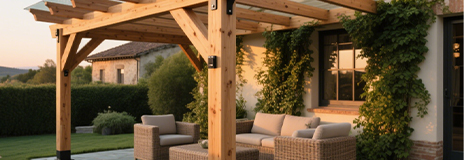
For a quick comparison, hot-dip galvanization usually achieves a thickness of 60–85 μm. Meanwhile, electro-galvanization typically ranges from 8–15 μm. For seaside construction, outdoor garden pavilions, bridge-side wooden structures, or damp environments, buyers can request enhanced galvanization up to 100 μm. If the metal part will be adjusted, assembled, or handled frequently, buyers should ask another question. They need to know if the surface treatment alters thread smoothness, hole precision, or the final visual appeal.
How Can Buyers Judge Factory Capability?
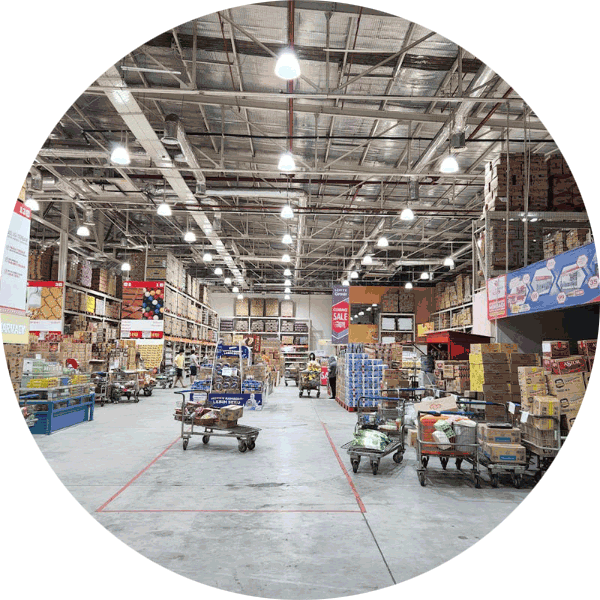
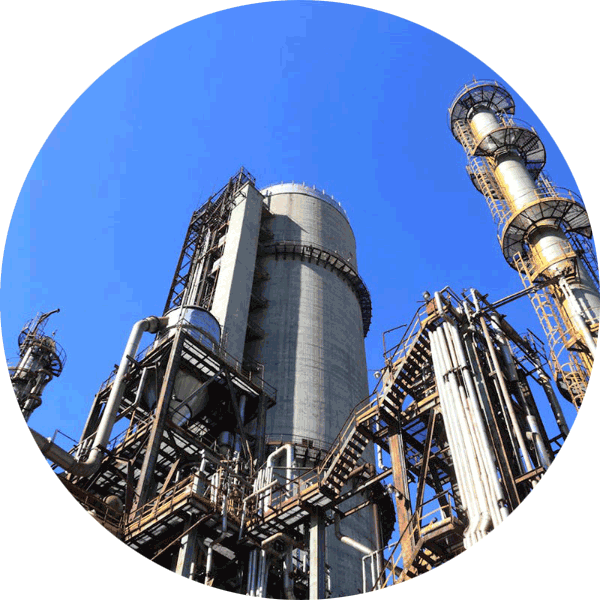
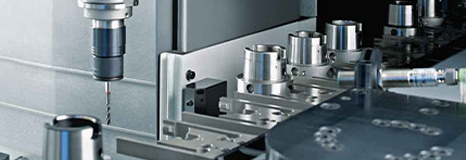
A reliable timber connector supplier must effectively manage stamping, cutting, shearing, leveling, and welding. They also need to control grinding, surface treatment, quality inspection, packaging, and export logistics. Sunstone Ruize(STRZ) actively supports this complete manufacturing process. We utilize professional stamping lines and automated welding machines. We also provide multiple surface treatment choices, such as electroplating, hot-dip galvanizing, powder coating, and penetration galvanizing.
Manufacturing capability involves more than just daily output volume. It directly determines whether timber connectors and fasteners remain uniform from one shipping container to the next. For retail hardware chains, consistent packaging and clear SKU labels hold as much value as the metal parts themselves. For bridge, marine, automotive, and rail transit clients, strict consistency is vital. Uniform hole positions, steady thickness, and even surface finishes can significantly lower assembly risks and reduce after-sales complaints.
What Customization Ability Should Buyers Expect?
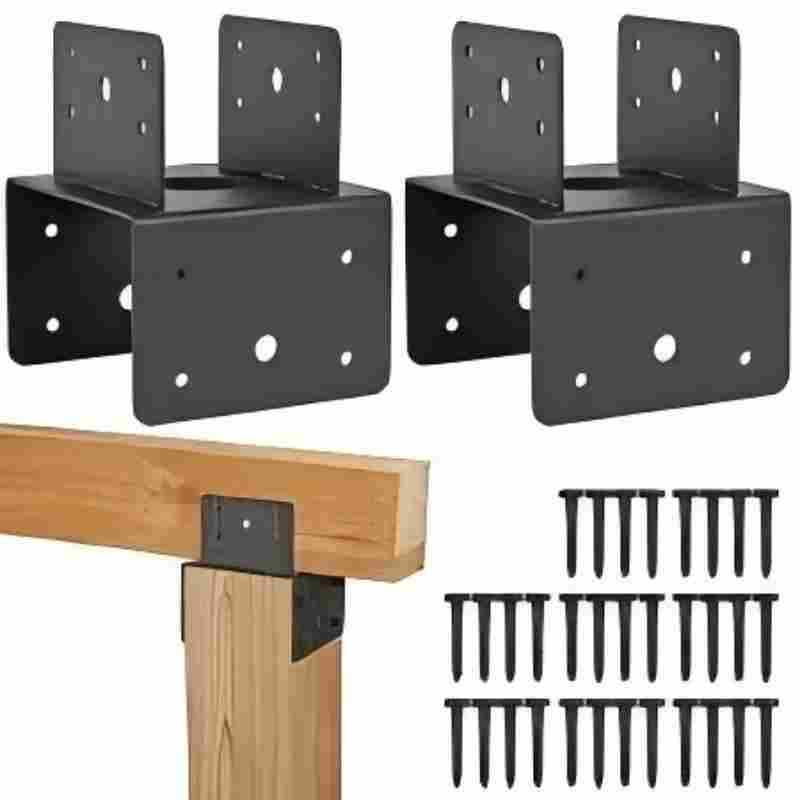
Custom timber connection systems are growing increasingly popular today. Global building projects rarely rely on a single universal bracket. Clients often require unique hole placements, longer metal plates, or thicker steel. They might also ask for colored coatings, heavier galvanizing, or non-standard joint hangers designed from specific drawings.
You will not find plastic timber connectors within this specific product category. Custom production primarily focuses on steel components. For unique industrial scenarios, metal parts might be paired with rubber auxiliary pads. These rubber additions help with vibration control, shock absorption, or anti-slip functions. This combination proves highly useful in rail transit facilities, heavy equipment platforms, and industrial wood structures. It also helps in any project where constant vibration might loosen the fasteners.
A genuine factory should easily review technical drawings and confirm exact dimensions. We must create accurate samples, manage tooling production, and agree on the MOQ before starting mass manufacturing. For many custom wood brackets, the MOQ might start at roughly 500 pieces. This number depends heavily on the item size, tooling complexity, and required finishing methods.
Why Do Real Cases Matter in Supplier Evaluation?
Past project cases clearly demonstrate whether a factory can turn a catalog promise into actual delivery. In one American residential neighborhood project, a factory supplied 10,000 sets of galvanized joist hangers. These parts successfully passed local building code inspections. Furthermore, we helped the construction team finish two weeks early because the installation process was much easier. In a separate European garden landscape job, custom galvanized brackets secured 50 outdoor wooden pavilions. After three full years of weather exposure, no rust or structural loosening appeared.
For procurement teams, these real-world examples offer a valuable practical lesson. The correct architectural timber connectors must boost job site efficiency. They should pass local safety checks easily and help outdoor wooden structures remain stable long after the initial setup.
Conclusion
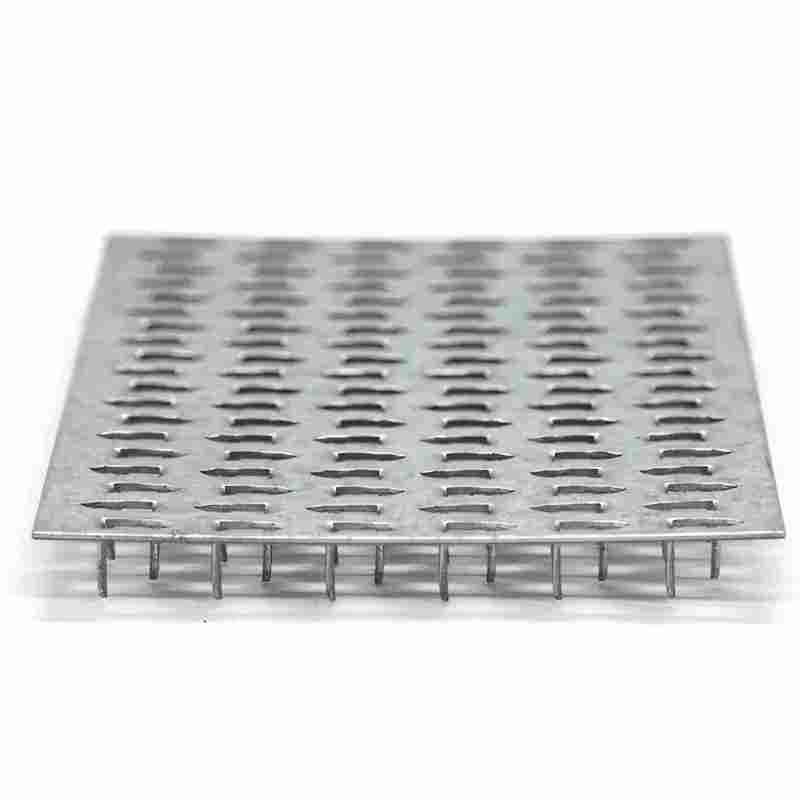
The ideal timber connector supplier should help clients manage safety, pricing, delivery times, and product certifications all at once. We must also control coating quality and customization risks. Structural timber connectors, timber framing connectors, timber connectors and fasteners, and architectural timber connectors might appear quite simple at first glance. However, their actual field performance relies heavily on raw material quality, tooling precision, surface treatment, careful inspection, and exact project matching. For international purchasers, a trustworthy factory is much more than a vendor of metal brackets. It acts as a solid manufacturing partner dedicated to building safer timber connections and highly dependable timber connection systems.
FAQ (questions fréquentes)
How do I get a quote for structural timber connectors?
A transparent quote for structural timber connectors must detail the drawing or sample specifications. It should list the steel grade, metal thickness, surface treatment type, and hole diameter. It must also state the order quantity, packaging style, destination country, and required export documents. Without these clear details, a surprisingly low unit price might conceal serious risks regarding coating quality, poor packing, or loose dimension tolerances.
What is the difference between timber framing connectors and timber frame connectors?
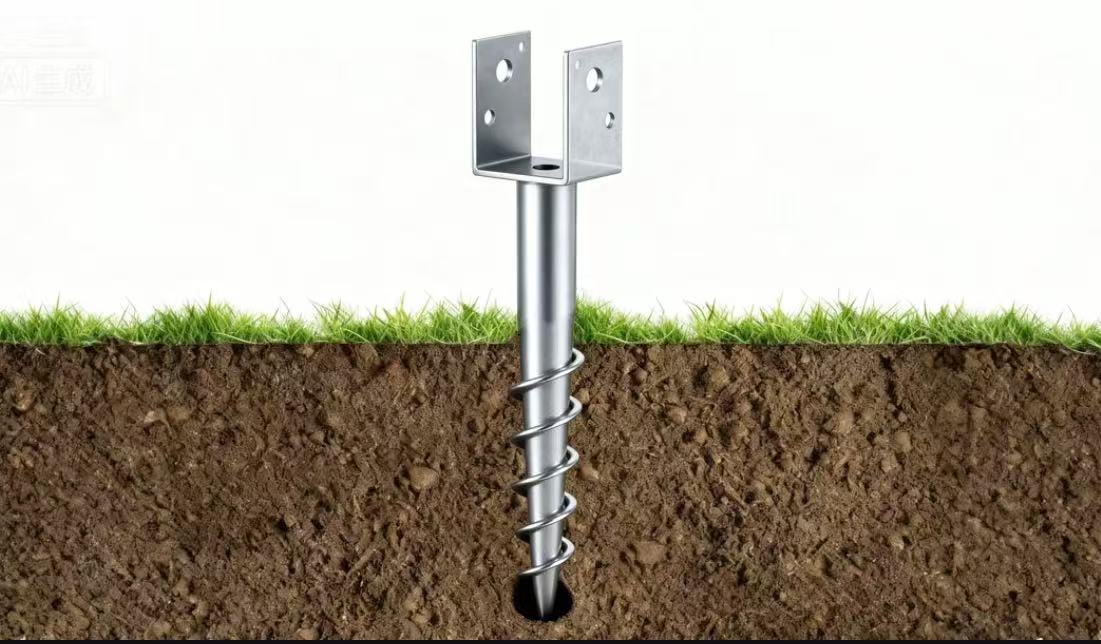
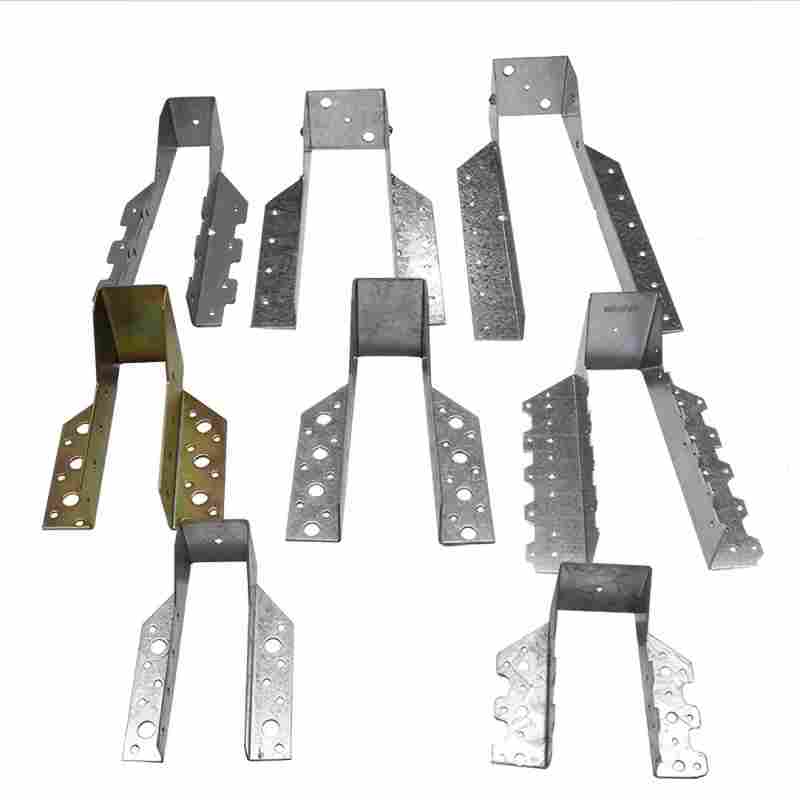
Timber framing connectors and timber frame connectors generally refer to very similar wood structure applications. Purchasers frequently use both terms interchangeably when looking for joist hangers, rafter ties, beam hangers, angle brackets, connecting plates, and post supports for wooden buildings.
What after-sales support should a timber connector supplier provide?
A professional timber connector supplier must offer clear batch inspection records and helpful installation guidance. We should provide prompt replacement services for any quality defects and quick responses for transportation damage. Furthermore, we must maintain active technical communication for all custom orders. For massive construction projects, buyers should also request formal sample approvals and detailed pre-shipment inspection reports.
 Consulter
 sur Whatsapp
 Laisser un message
 haut
haut