





How Hinge Materials Shape European Furniture Projects
Material changes have reshaped what a furniture hinge can do in European commercial projects. The right choice balances corrosion exposure, movement, visual character and repeatability, so the hinge supports the furniture programme instead of becoming its hidden maintenance problem.
Material choice starts with the furniture environment
A hinge is a small part with a large influence on furniture feel, service life and appearance. European commercial furniture may sit in a dry office, a busy hospitality space, a humid utility room or a visible retail display. Material choice should follow that environment first, then the door weight, opening cycle and finish.
A useful comparison keeps four questions together: how much corrosion exposure is present, how much movement the hinge must carry, how visible the hardware will be and how the range will be replenished. That approach turns a material discussion into a practical sourcing decision.
For a product-family view, review hinge manufacturer capabilities and hinge formats before narrowing the material grade.
What the main hinge materials contribute
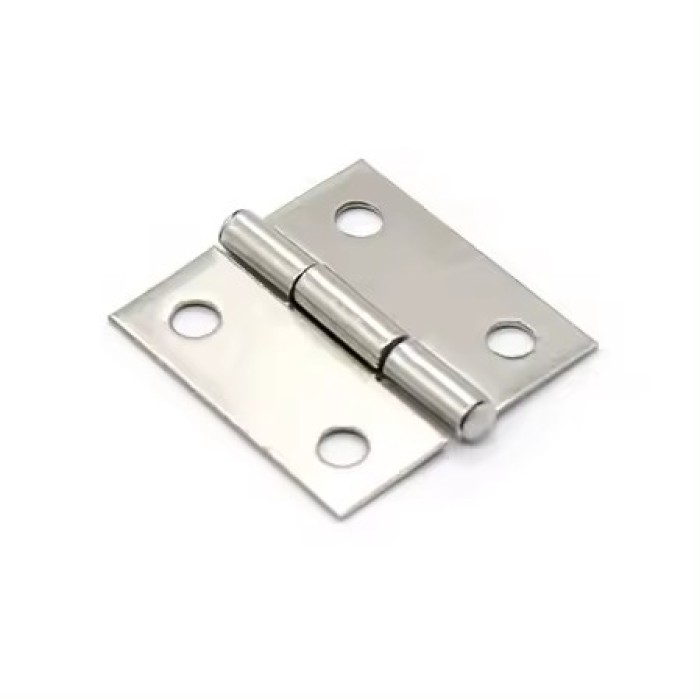
Stainless steel
Stainless steel suits damp, frequently cleaned or highly visible applications where corrosion resistance and a stable finish matter. European commercial interiors often use stainless hardware in hospitality, healthcare and utility settings. Grade, surface finish and joint design still need to match the project; the word stainless alone does not define every performance outcome.
Aluminium
Aluminium reduces weight and works naturally with slim profiles and contemporary furniture systems. It is attractive where a lighter door or a coordinated aluminium frame matters. The design team should verify the hinge geometry, bearing surfaces and finish because a lightweight material does not remove the need for adequate support.
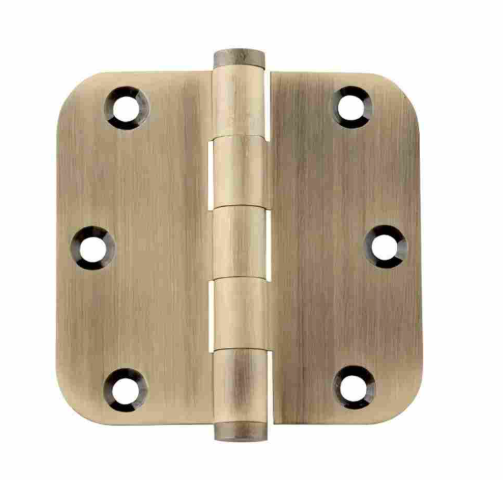
Brass
Brass brings a warm visual character to visible furniture hardware and heritage-inspired interiors. It is often selected for boutique hospitality, display furniture and restoration-led projects where the hinge is part of the design language. Its softer surface means the joint and fastener arrangement deserve careful review under repeated use.
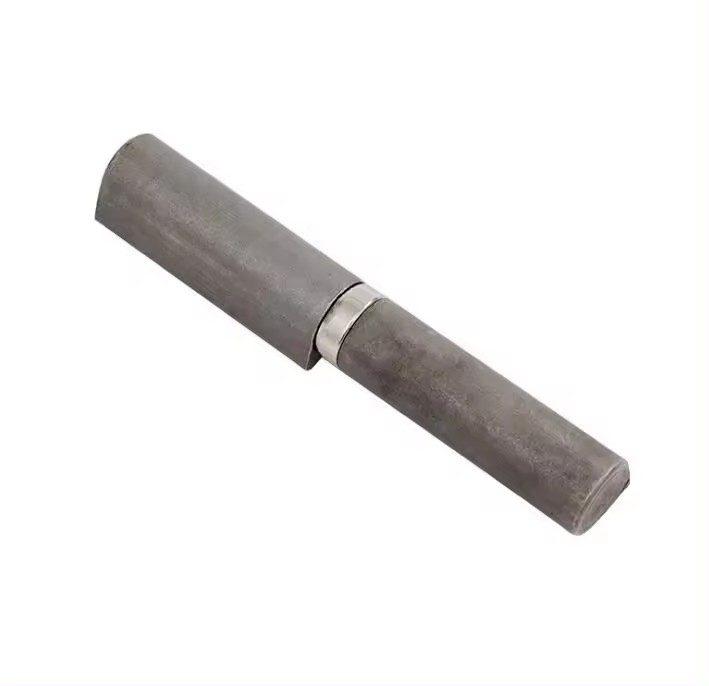
Steel and zinc-based options
Steel and zinc-based hinge components offer a broad route for dry interior furniture, concealed mechanisms and cost-sensitive volume programs. Plating or coating affects appearance and corrosion behaviour. A range manager should separate the base material, surface treatment and movement mechanism instead of comparing only the colour shown in a catalogue.
A material matrix for commercial furniture
The matrix below keeps the choice tied to a real European furniture situation. It is a screening tool for design and purchasing teams, not a substitute for the project drawing or applicable product testing.
|
Matériel |
Typical fit |
Main checks |
|---|---|---|
|
Stainless steel |
Moisture, cleaning, visible hardware |
Grade, finish, joint load, cleaning exposure |
|
Aluminium |
Lightweight doors and slim profiles |
Profile interface, bearing surfaces, coating |
|
Brass |
Visible decorative or heritage furniture |
Surface wear, fastener arrangement, patina |
|
Steel or zinc-based |
Dry interiors and concealed mechanisms |
Plating, cycle demand, adjustment access |
When several materials could work, choose the one that protects the weakest part of the project: corrosion exposure, movement, appearance or installation access. That prevents a low-cost hinge from creating a higher service cost later.
How a supplier supports a repeatable hinge range
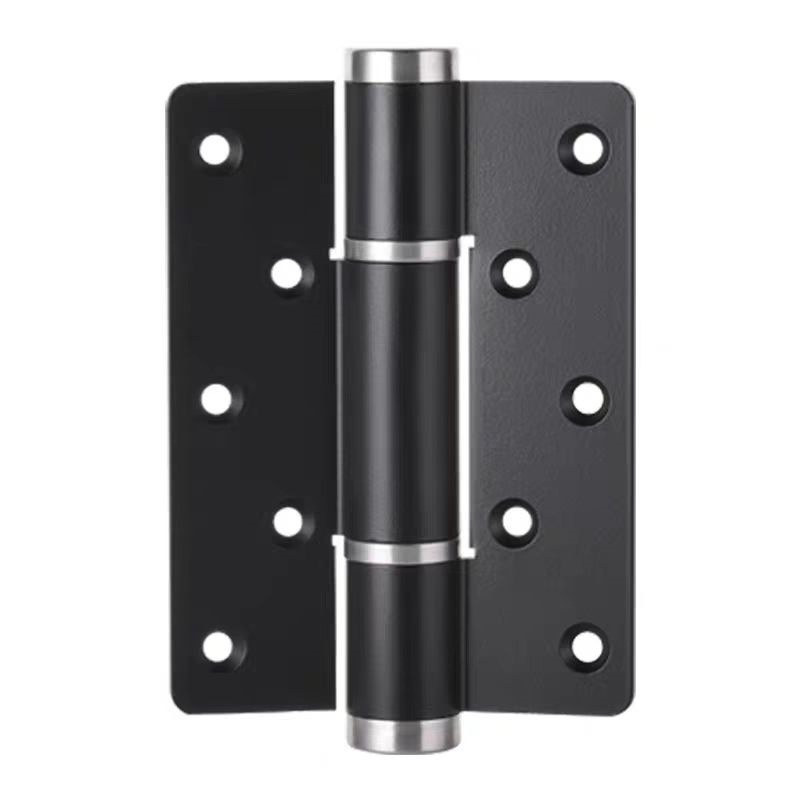
A repeatable range depends on stable forming, clean pin or barrel interfaces and an agreed finish standard. STRZ produces stamped hinges and supplies hinge formats for doors, cabinets and furniture uses, allowing a project team to keep the material discussion connected to manufacturability.
Supplier review should also cover drawing control, sample approval and finish consistency across replenishment batches. These checks matter to European importers because a hinge that matches the first delivery but changes in surface tone or fit can disrupt a coordinated furniture line.
The official STRZ range includes stainless steel door and furniture hinge options, aluminium hinge products and customized metal hinge formats. The specific material and geometry still need to be matched to the intended use rather than inferred from a product family name.
A European hinge manufacturer should also explain how the selected alloy, coating and hinge geometry work together. Aluminium hinges suppliers may focus on weight, while brass hinges manufacturers may focus on visible finish; the project record should still state the opening cycle, fixing method and approved surface. That wording keeps steel hinges suppliers and stainless steel hinges suppliers in the same comparable review.
For a closer look at the available application range, see fabricants de charnières en aluminium and compare the hinge interface with the project door or cabinet profile.
Summary
Hinge materials shape the balance between weight, corrosion resistance, appearance and replenishment consistency. European furniture programmes get a clearer result when the environment and movement demand are defined first, then matched to stainless steel, aluminium, brass or coated steel options. The final release should record the material, finish, geometry and approved sample together.
Confirm the joint or hinge environment before selecting the material.
Keep the approved drawing and sample with the replenishment record.
Use a small pilot assembly to verify fit before volume release.
If you have any requirements, please contact our team for a product and application discussion.
FAQ (questions fréquentes)
Which hinge material is best for damp furniture environments?
Stainless steel is often a strong starting point for damp or frequently cleaned environments. Confirm the grade, surface finish and joint design against the actual exposure and cleaning routine.
Are aluminium hinges suitable for commercial furniture?
They can suit lightweight doors, slim profiles and coordinated aluminium systems. Confirm the profile interface, bearing surfaces and finish so the lower weight does not reduce the required movement support.
When are brass hinges a sensible choice?
Brass works well when visible hardware and warm appearance are part of the furniture brief. Review surface wear and the fastener arrangement if the furniture will see frequent opening cycles.
What are the main checks for steel or zinc-based hinges?
Check the base material, plating or coating, movement mechanism, adjustment access and intended room environment. Colour alone is not enough to compare two finished hinges.
What should European importers request from a hinge supplier?
Request an approved drawing, material and finish definition, sample confirmation and a clear replenishment standard. These records help keep later deliveries consistent with the first furniture programme.

 Consulter
 sur Whatsapp
 Laisser un message
 haut