




6 Types of Hinges for Furniture: Transforming Modern Furniture Design
People usually do not think about a hinge until it breaks. A door might scrape against the floor. A cabinet door could bang shut loudly. Sometimes, a table leaf drops down. Each of these issues means a hinge is failing. In a factory setting, this hardware is a vital part of every blueprint. It must be totally precise. Workers must have this exactness before they cut any wood boards.
Cabinet hinges come in a few basic forms. Six main types handle almost every door, lid, and board. Furniture builders use them every single day. The selection process looks at how they work rather than how they look. So, grouping these pieces by their task makes things simple. It is the fastest way to avoid buying the wrong part.

The Six Hinge Families at a Glance
|
Hinge type |
Mounting |
Load behaviour |
Best fit |
|
Butt hinge |
Placed on the surface or put into a mortise, visible knuckle |
Balanced equally across two metal plates |
Basic doors, country-style items, small cabinet doors |
|
Concealed (European) hinge |
35 mm cup hole in the door, mounting plate inside the frame |
Very adjustable, super common in kitchens |
Modern kitchen cupboards and built-in units |
|
Piano (continuous) hinge |
Covers the whole edge length |
Weight spreads out evenly along the seam |
Heavy box lids, wooden chests, tall and narrow doors |
|
Soft-close hinge |
Looks like the usual concealed style |
Slows down the final shutting swing |
Quiet kitchen areas, bedroom cabinets, clothes closets |
|
Folding hinge |
Has several links, folds totally flat |
Turns safely under heavy wood weight |
Drop-leaf tables and compact furniture |
|
Strap hinge |
Surface mounted, long leaf shape, needs zero carving |
Takes shear force safely across the metal band |
Farmhouse styles and heavy solid-wood boards |
This chart acts as a fast guide. Still, you need to know why each kind works differently. This detail helps you pick the best metal hardware.
Butt and Concealed Hinges, the Two Defaults
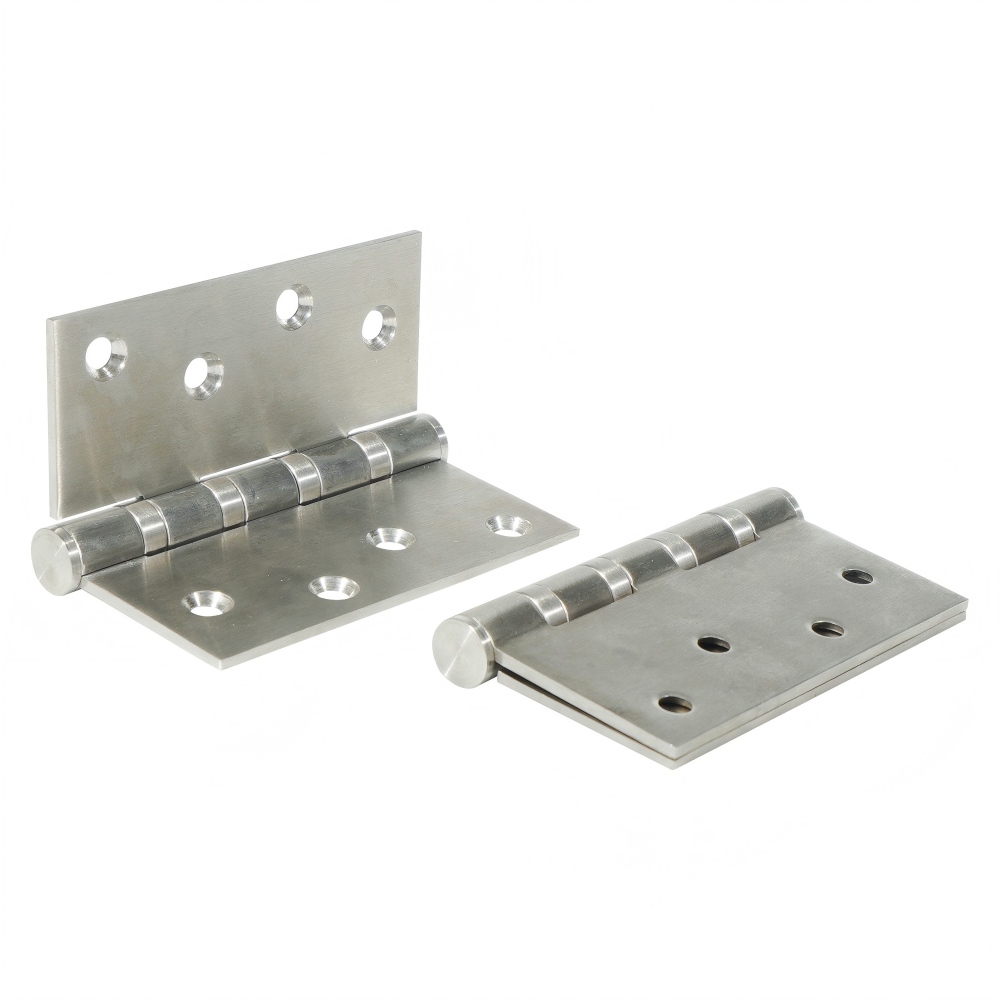
The butt hinge is still the most common choice here. Its shape has stayed pretty much the same for hundreds of years. It has two metal plates and a center pin. You can screw it straight onto the wood. Or, you can set it inside a carved slot. This lets the door close totally flat. The visible joint brings charm to rustic wood pieces. Also, the low cost makes sense. It shows why builders pick cabinet butt hinges first for small doors and gates.
Many modern kitchens lean heavily on the concealed hinge. This exact hardware stays mostly out of sight. Builders drill a normal 35 mm cup hole into the wood panel. A matching plate fastens safely inside the main box frame. When the door shuts, you see no metal parts. This setup lets you make quick changes after the first install. So, you can straighten a crooked door fast. You do not need to toss the wood away. This handy trait is exactly why stainless steel cabinet hinges lead modern cabinet making today.
Piano Hinges and the Load Problem
A piano hinge is often called a continuous hinge. It goes across the whole length of a wood seam. This setup shares the heavy load along the full edge. It stops the stress from sitting just on two small pins. Big lids and tall, skinny doors need this help. It keeps the middle part from bowing down. For example, two normal joints might let a 12 mm board bend. But, a long metal strip stops this issue. By placing screws every 50 to 60 mm, it holds the wood totally straight.
Still, there is a small downside. Once you screw a piano hinge into place, you cannot tweak it easily. You must get the door gap right on your first try. Because of this strict rule, builders mostly put them on storage trunks. They also put them on folding work tables.
Soft Close as a Specification
The soft close feature sits in its own group. Yet, it is not a totally separate hinge type. It is really a small shock absorber. Makers put it right into a normal concealed hinge. Its main task is to slow down the speed right before the door shuts. This step lets the door close softly. It stops loud bangs against the wood frame. This quiet, gentle motion is very helpful. It stops the screws from shaking loose over a long time.
In real life, you should ask for the soft close extra on your first order. You surely want to skip looking for extra parts later on. Quiet kitchen boxes and bedroom closets get a lot of worth from this choice. Also, most soft close hinges manufacturers give this gentle feature as a standard choice. They put it into their hidden product lists. So, you must state this need early on. Do this while drawing the first furniture plans.
Folding and Strap Hinges
A folding hinge holds several short metal arms. These specific parts do one main job. A basic single pin cannot handle the tricky moves of a folding table. The wood part swings out first. Then, it folds over softly using the metal links. Lastly, it lays totally flat. This neat three-step move is very handy. It lets a drop-leaf table or a bifold desk pack down into a very small spot.
This hardware must also grip the wood piece safely when the table opens. So, it holds a lot of real weight. It does way more than just steer a moving door. Factories sort folding table hinges by the exact size and weight of the wood. If you put a small hinge on a huge drop-leaf top, the screws will rip out later.
The strap hinge puts its long metal arm right onto the flat wood face. It needs zero slot cutting. This simple surface mount is the main reason people like it. It fits wood doors that are very thin or super thick. It also does well for old styles that are tough to carve. Plus, this outer metal hardware matters for rustic furniture. It acts as a big part of the whole visual look.
Looking at the big picture, these six groups handle most factory hardware buys. The final buying choice rests on the needed board motion. It also depends on the feel the end buyer wants. After getting these facts, the maker picks the right color and size. They also check the weight limit. They do all this before sawing the first pile of wood.
Specifying the Hinge
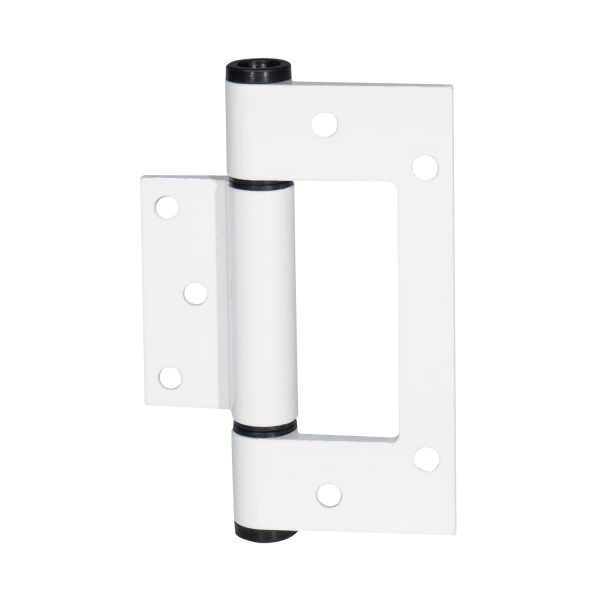
Current cabinet plans lean heavily on hidden hardware. Big storage boxes need long piano strips. Small folding furniture asks for special folding parts. At the same time, country designs use classic strap and butt types. You must clearly name the needed door swing and the expected weight load. Once you do that, picking the right hardware group gets very simple.
The exact metal finish and right sizes are vital. They mark the line between a great factory run and a box of bad parts. So, you must write these facts clearly on the main order paper. You must never leave them as messy side notes. You should finish these details early in the planning stage. If you do, the last door on your factory line will work flawlessly. It will swing just as nicely as the first one.
If you plan to build a big furniture hardware line, STRZ can help you a lot. They will find the exact model, outer finish, and sizes. They base this right on your design papers. Plus, they make sure the whole order stays totally uniform. This strict checking lasts from the first test piece all the way to big factory runs.
FAQ (questions fréquentes)
What are the main types of hinges used in furniture?
Six main designs handle most wood building tasks. These include the butt hinge and the hidden or European style. They also feature the piano or long strip, the soft-close part, the folding link, and the surface-mounted strap type. Factories build each specific piece to hold a certain kind of door, box lid, table leaf, or wood plank.
When should I choose a piano hinge over a butt hinge?
You should pick a piano hinge when your wood piece is super heavy or quite thin. In these cases, a few normal joints might make the wood sag over time. The long metal strip safely shares the heavy load along the whole edge. This equal weight sharing works very well. It shows why huge chest lids, wood boxes, and tall doors stay perfectly straight with this hardware.
Are soft-close hinges a separate type?
They do not make up a totally different structural group. The soft close part is just a small shock absorber. Factories put it inside a normal hidden hinge. It safely slows down the speed during the last part of the closing swing. This step makes sure the cabinet door shuts with almost zero noise. Usually, builders pick this as a top-tier extra. They select it from the hidden product list rather than seeing it as a totally new building design.
What makes a folding hinge different for tables?
A folding hinge uses several short linking arms. This neat build lets one wood board swing outward. Then, it folds totally flat against a second face. That exact two-step motion is vital. It lets a drop-leaf table or a bifold desk fold into a tight space. Also, this exact hardware safely holds the full weight of the extra wood while the furniture stays open.
Are strap hinges still used in modern furniture?
Yes, builders still use them a lot. They pick this style when space stops them from cutting a normal slot. They also like them when bold metal hardware boosts the wanted look. The long, surface-mounted arm fits rustic themes nicely. It also matches farmhouse styles and heavy solid-wood goods. In these exact cases, a modern hidden part would not work. It either would not fit right or would just look totally wrong.
 Consulter
 sur Whatsapp
 Laisser un message
 haut