







When to Use Ground Spikes: Site Conditions and Alternatives
A fence post spike anchor often eliminates the need for digging and pouring concrete. However, this only works if the soil, the post, and the expected weight match the chosen fixing method.
Distributors of fencing, landscaping supplies, and temporary structures in Europe face a practical choice. The main issue is not the convenience of ground spikes. Instead, buyers must figure out where a ground spike anchor offers reliable support. They also need to know when a different foundation style makes more sense.
Compare the installation method
Comparing different formats helps explain the trade-offs before a distributor picks a product line. The table below acts as a simple screening tool rather than a strict load rating. Users must still verify their specific project conditions and the exact model.
|
Foundation format |
How it enters the ground |
Often considered when |
Main check |
|---|---|---|---|
|
Ground spike |
Pushed or hammered into the dirt |
A matching post requires fast setup in good earth |
Earth resistance and post sizing |
|
Ground screw |
Turned so the spiral cuts into the earth |
The chosen model and setup tools fit the location |
Model type, tools, and setup control |
|
Concrete footing |
Dug out and packed with wet concrete |
The layout demands a base built for specific weights and earth types |
Custom foundation planning for the job |
Ground spikes, post supports and ground screws
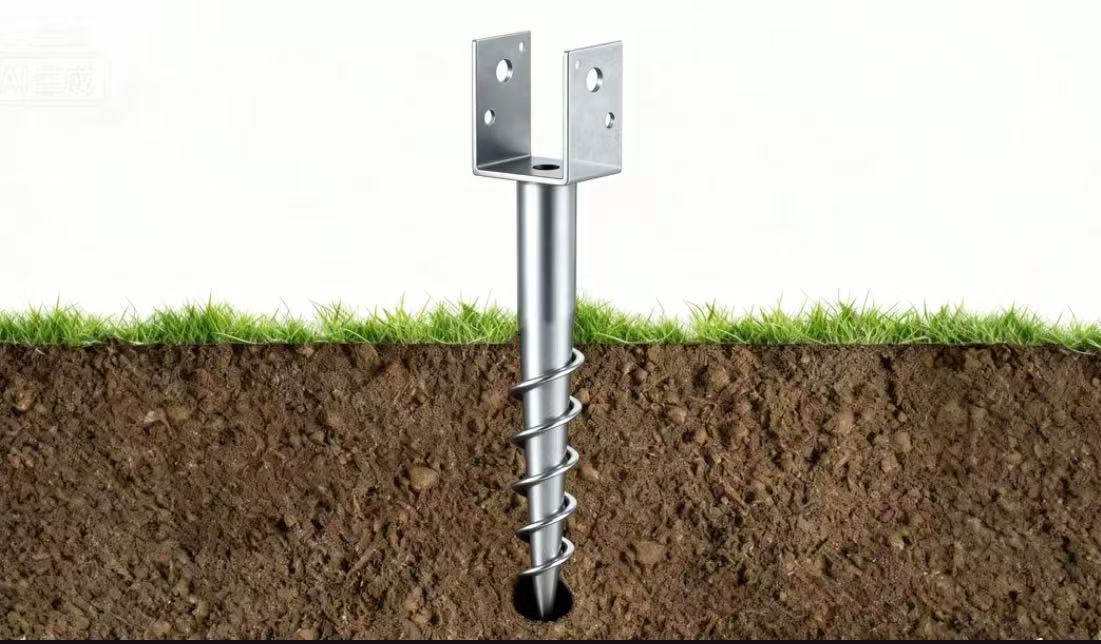
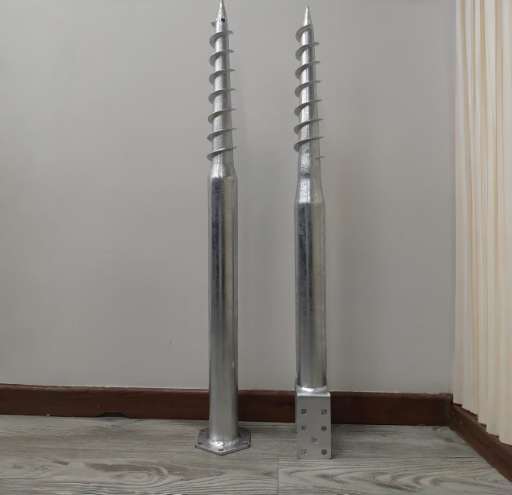
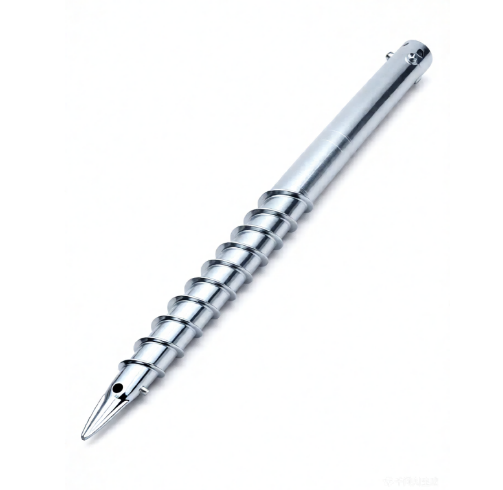
A ground spike features a pointed or angled metal body. Installers push or strike it into the dirt. It includes a top socket or plate to hold a post securely. A standard post support might feature a wider bottom or a different attachment style. Meanwhile, a ground screw contains a spiral section. Workers twist it directly into the earth. These three items often show up in the same product catalog. Even so, they require entirely different setup tools. Their interaction with the earth and their weight distribution paths also vary greatly.
Ground spikes depend on the surrounding earth to block movement along their buried length. A screw moves pressure down through its spiral blades. Concrete forms a completely different kind of base. Having similar top sockets does not mean these items share the same weight capacity.
Buyers looking at different formats can check the ground anchor and post anchor range to find out which product groups match their planned post-support tasks.
Where a driven spike is a practical fit
Ground spikes work very well when the post is fairly light. The earth must also allow a sharp point to enter easily. Projects that need fast assembly with very little digging benefit greatly from this method. Common commercial uses involve garden fences, plant trellis setups, basic landscaping, and short-term barriers. In these situations, the top socket offers an easy method to place a matching post. This completely avoids the hassle of pouring wet concrete.
A proper fit requires more than just checking the post width. The socket must align perfectly with the post shape. The hidden lower section has to handle the specific earth type and any predicted shifting. Also, the tall post must not act like a giant lever that exceeds the limits of the hardware. Extremely soft or loose dirt might fail to hold the metal firmly. On the other hand, packed or rocky earth can make hammering very hard. Hitting too hard might even bend a thinner metal part.
Soil and exposure determine the limits
Earth conditions heavily impact both the setup process and the final stability. Loose backfill, completely soaked dirt, and thin topsoil over solid rock act very differently compared to firm, steady ground. Ground spikes that slide in too easily are not always secure. Installers must test the straightness and check for wobbling right after placement. Sometimes, a hidden rock pushes the metal off its straight path. Pushing it back sideways by force can break the top socket. It might also cause the final fence to lean badly.
Wind and fence design increase anchor demand
Strong winds and specific fence styles place extra stress on the metal base. A wide, solid wooden panel pushes much more wind force down into the posts than a simple open wire mesh. Winter freezing, heavy spring rains, and salty ocean breezes impact how well the dirt holds. These weather factors also speed up rust. Major structural jobs, public areas, or high-risk builds require custom engineering plans and local safety checks. A successful garden fence setup never proves that the same part will survive a heavy-duty job.
Corrosion protection follows the site
Outdoor metal bases constantly battle rain, damp dirt, and sometimes winter road salts. Therefore, the outer protective layer must match the harshness of the local environment. STRZ provides several coating types across its manufacturing lines for posts and connectors. These treatments include basic electroplating, heavy hot-dip galvanizing, durable powder coating, and deep penetration galvanizing. These represent available factory choices across the entire catalog. They do not guarantee that every single coating exists for every specific item.
Buyers should always request the exact material and coating facts for their chosen part. They must then compare those facts against the expected weather conditions. Just knowing the name of a finish does not reveal the whole truth about its lifespan. The thickness of the paint, accidental scratches during shipping, local dirt chemicals, and future upkeep all play huge roles. In highly corrosive areas, the purchaser needs to verify the correct specs with the site engineer and the manufacturer. They must do this before making that part a standard purchase.
Reading the ground anchor application overview helps guide the initial product chat toward the actual planned job. Even so, the ultimate decision always depends on the specific job site and the exact item selected.
A representative sample checks fit and handling
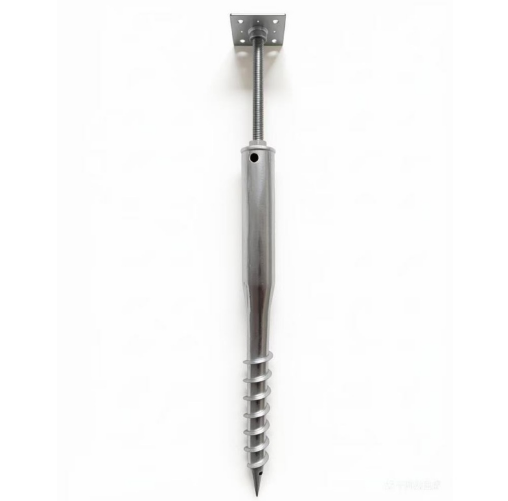
Buyers should test a physical sample in a realistic environment before ordering a massive wholesale batch. Users must ensure the wooden post slides in smoothly. The side screw holes must line up properly. Also, the driven metal must stay perfectly straight in the dirt. Workers should inspect the top cup for any bending or warping. Finally, they need to prove that the timber fastens tightly without having to cut or alter the metal part.
Specific sizes and item weights apply only to individual products. The ground post anchor catalog features common sizes like 80 x 80 x 800 mm and 110 x 110 x 1000 mm anchors. However, buyers cannot assume those measurements apply to a different part number. A careful look at the technical drawing is essential. This step confirms the top cup width, the total length, the screw hole layout, and the surface paint for that precise choice.
Compare complete project effort
A very cheap unit cost might conceal hidden expenses later on. These costs include extra worker hours, buying unique hammering tools, replacing split wood, or fixing messy site mistakes. Project managers must evaluate the required machinery and the dirt preparation time. They should also look at packaging quality and the likelihood of digging up a badly placed piece. Having clear box labels prevents frustrating warehouse mistakes between nearly identical metal cups.
Writing a short project summary makes the product selection phase much more effective. This summary must list the timber dimensions and the final planned purpose. It should also describe the dirt type, the weather risks, the rough order volume, and the final shipping country. For construction jobs governed by strict regional building codes, the site engineer or builder has to verify those legal rules directly. They cannot simply trust a basic catalog description.
Summary
Choose ground spikes when the timber, the dirt, and the daily usage perfectly match a hammered metal base. The job should truly benefit from having a simple top cup. Buyers must compare this option against a twisted screw or a poured concrete base if the earth is too soft. High wind risks or severe safety concerns also demand a stronger alternative. Always verify the precise item, the timber fit, and the rust protection by testing a real sample. Do this prior to adding the item to a large wholesale catalog.
Συχνές ερωτήσεις
What is a ground spike used for?
It holds up a matching post securely. Workers hammer the sharp metal body deep into the dirt. Then, they fasten the timber inside the top cup or flat plate. Frequent light-duty applications feature backyard fences, climbing plant frames, and basic yard design.
Are ground spikes suitable for every fence?
No, they are not. The natural dirt strength and the timber dimensions matter greatly. The total fence wall area, the local wind speeds, and the safety demands all change the final suitability. Massive builds or high-risk structures frequently require a completely different base plan.
How do ground spikes differ from ground screws?
Installers push or hammer ground spikes straight down into the earth. In contrast, they must turn a screw so its spiral blades cut deeply into the dirt. These distinct methods demand entirely different setup tools. Buyers cannot swap them simply because the top sections look similar.
How should buyers choose an outdoor finish?
Purchasers must pair the specific metal and paint type with the local rain levels. They must also consider direct dirt contact, winter salts, and the overall daily climate. It is crucial to verify the exact specs for the chosen item. Customers should never assume that one protective paint covers the entire product family.
What details help confirm a ground spike model?
Buyers need to share the exact timber dimensions and the planned daily use. They should also detail the dirt type, the weather risks, and the final selling country. Providing a technical drawing or a physical piece helps immensely. These specific facts ensure the top cup fits perfectly. They also prove if the hammering method is truly safe for the location.

 Συμβουλευτείτε
 Το Whatsapp
 Αφήστε μήνυμα
 κορυφαία