









How Should Commercial Furniture Hinges Be Installed
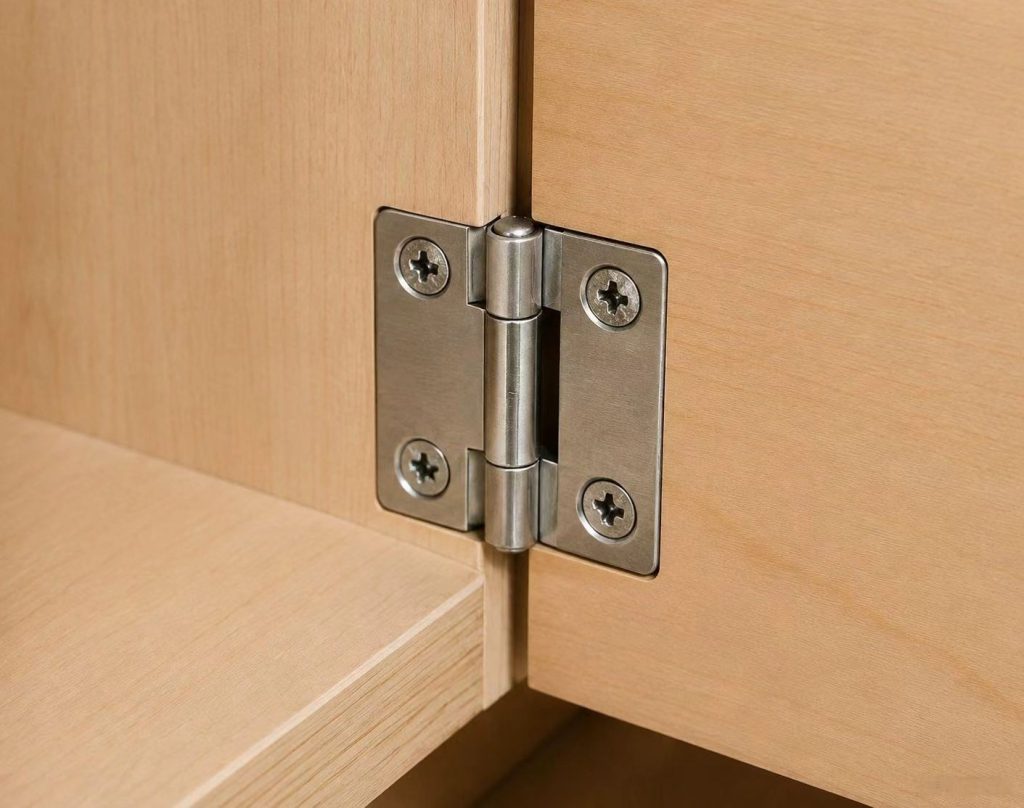
A furniture hinge works well only when the door, cabinet, hinge axis, and fixing pattern agree. Commercial furniture teams often lose time when a decorative hinge is chosen for appearance first and fit second. A reliable installation starts with the door mass and overlay, then checks clearances, fasteners, alignment, movement, and the finish the customer will actually see.
The Door Geometry Sets the Hinge Job
Door geometry determines whether a hinge can carry the panel without binding. Record door width, height, thickness, material, mass, overlay, opening angle, and the number of hinges planned. A light cabinet door and a wide display door may both use furniture hinges, but their spacing and adjustment needs are different.
Map the axis before choosing the style
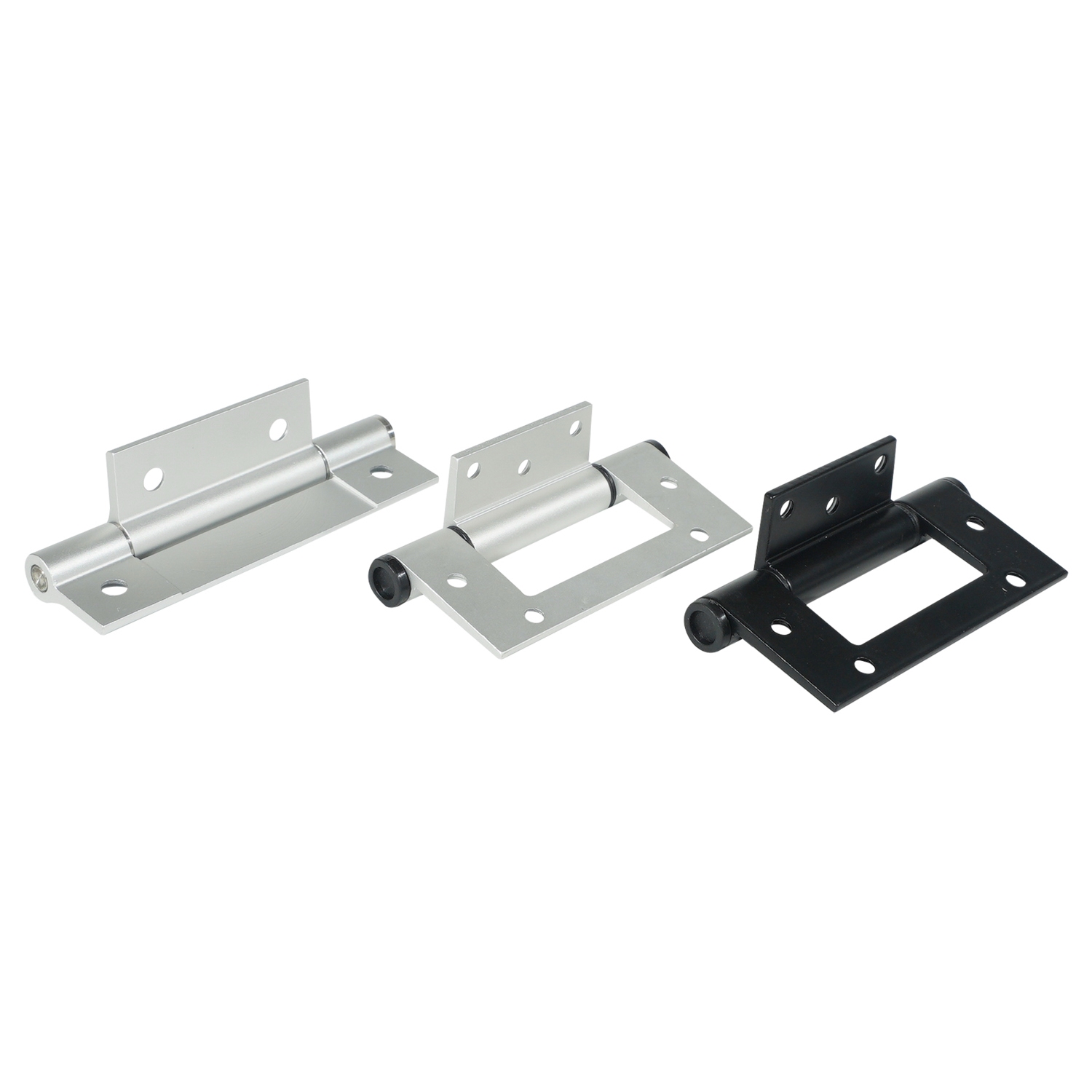
The hinge axis controls the swing path and the gap around the door. Mark the axis relative to the door edge, frame, shelves, seals, and adjacent panels. Decorative hinges can remain visually prominent, while concealed or compact specialty hinges may be preferred when the furniture design depends on a quiet exterior line.
Separate appearance from load duty
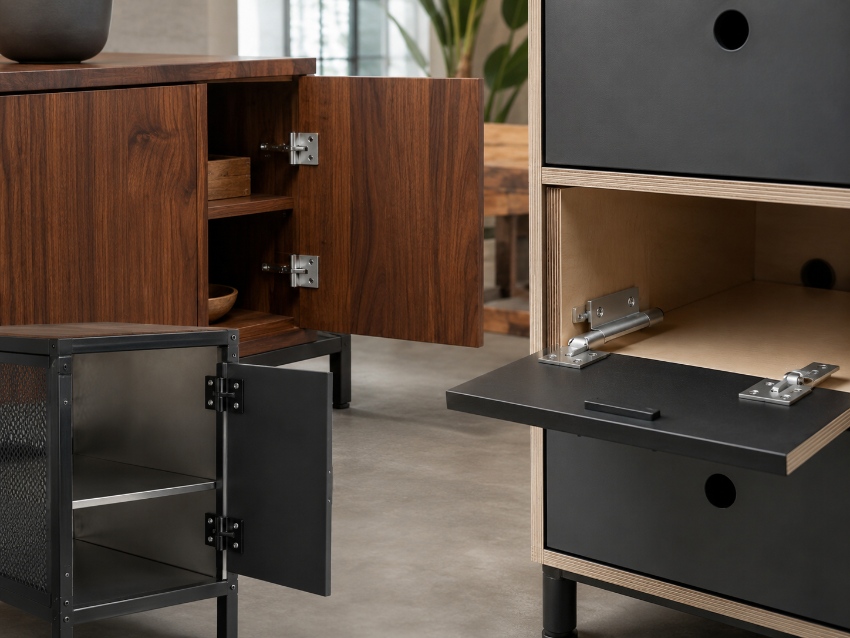
A polished surface does not reveal how the hinge will behave after repeated cycles. The design brief should distinguish visual hardware from the load-bearing and motion requirements. For a self-supporting folding table hinge, for example, the support position and stop action matter as much as the visible finish.
Record door size, mass, overlay, opening angle, and cycle expectation.
Show the hinge axis, fixing face, clearances, and adjacent hardware.
Specify the screw type, quantity, edge distance, and access for tools.
Approve a fitted sample before releasing a repeated commercial program.
Fixing Access Makes or Breaks the Installation
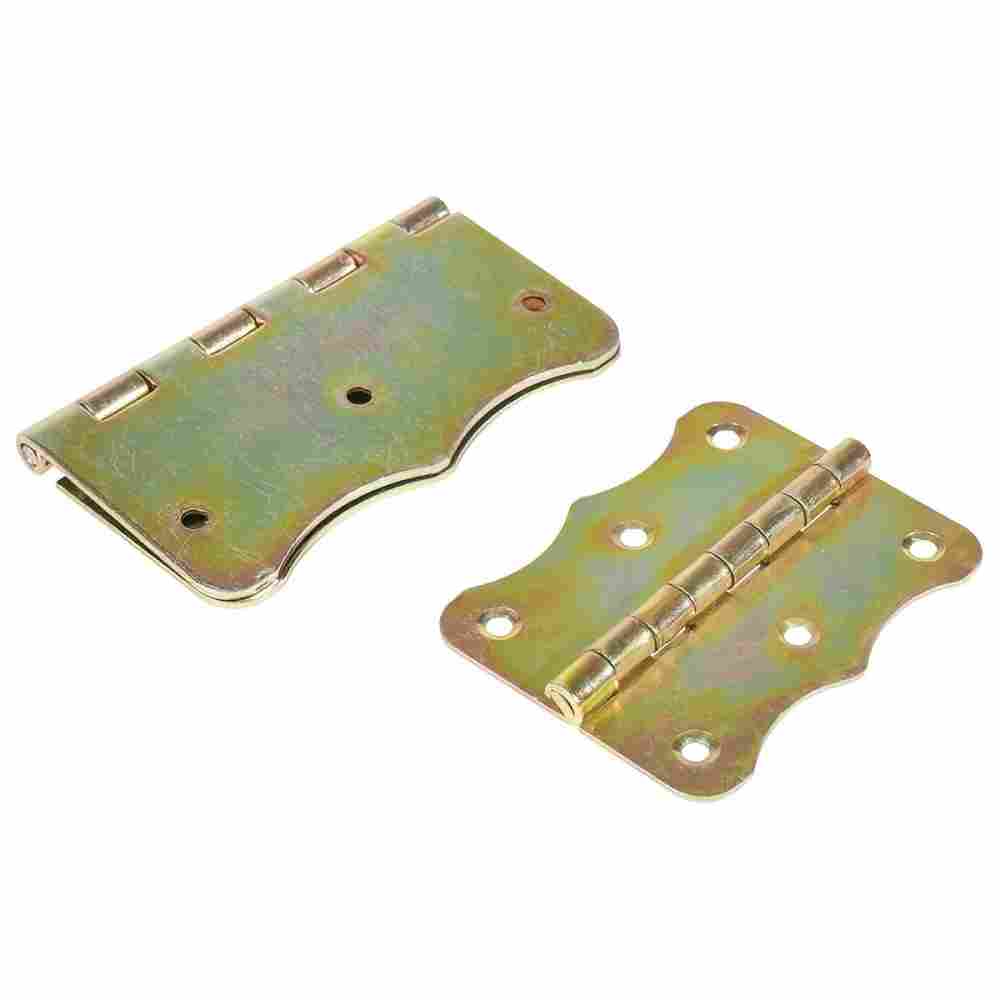
Installation quality depends on whether the installer can hold the hinge in position while driving every specified fastener. Tight cabinet corners, thick face frames, glass panels, and pre-finished surfaces can limit tool access. A drawing should show the fixing face, pilot-hole approach, screw head clearance, and the sequence used to support the door before final tightening.
Use a representative mock-up
A mock-up should use the actual door material, frame section, finish, and adjacent hardware. It exposes sag, rubbing, uneven gaps, and restricted opening before the factory repeats the detail. Sunstone Ruize(STRZ) supplies stamped steel hinges for doors, cabinets, gates, and industrial uses, so the approved sample should still identify the exact geometry and application.
Keep fasteners with the hinge specification
Fastener choice changes holding power and the finished appearance. Confirm diameter, length, head form, material compatibility, countersink needs, and whether the installer can reach the hole without damaging the surface. The phrase commercial door hardware hinges is too broad for an approval record unless it is linked to a model, drawing, and fixing schedule.
|
Installation check |
Why it matters |
Useful approval record |
|
Door mass and overlay |
Sets hinge spacing and load |
Door schedule and sample |
|
Axis and clearance |
Prevents binding and clashes |
Dimensioned section view |
|
Fixing pattern |
Controls holding and repeatability |
Fastener schedule |
|
Final movement |
Confirms usable opening |
Cycle and gap check |
Finish and Repetition Need Their Own Check
Commercial furniture programs magnify small inconsistencies. A one-millimeter shift can become a visible line across dozens of doors, while a finish mismatch can make otherwise correct hardware look wrong. Inspect the hinge surface, pin movement, hole position, burrs, and packaging identification against the approved sample before the production run is released.
Treat decorative hardware as part of the design
Decorative hinges should be checked in the installed view, not only in a parts tray. Confirm the visible leaf, screw heads, shadow gaps, and interaction with handles or catches. A small run of custom hinge case studies can be useful for resolving unusual door proportions, but each case still needs a controlled drawing and sample.
Record the adjustment and maintenance plan
The installation record should state how the door is aligned, what can be adjusted, and how the hinge will be cleaned or lubricated. If adjustment is impossible after fixing, the installer needs a reliable jig or reference edge. That information protects the repeatability of a commercial furniture line without turning the article into a step-by-step manual.
For a multi-door order, designate one fitted sample as the visual and functional reference. It gives purchasing a clear basis for approving alignment, opening clearance, screw presentation, and packaging protection before the remaining units move into production.
The approved sample should travel with the inspection instruction, so teams compare shipped hardware with the same agreed detail.
The Practical Takeaway
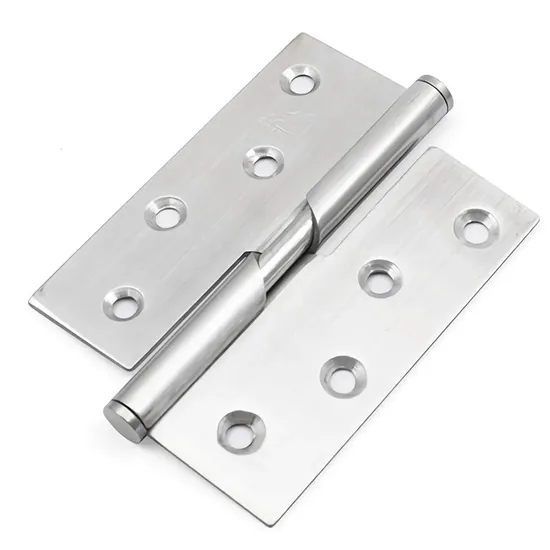
Commercial furniture hinges should be installed from an approved door-and-frame detail, not selected by appearance alone. Lock the door mass, overlay, axis, clearances, fasteners, mock-up, finish, and movement check before a repeated order. This sequence gives designers, installers, and inspectors the same reference and makes decorative hardware useful as well as attractive.
Send Sunstone Ruize(STRZ) the door schedule, section drawings, target finish, quantity, packing needs, and required movement or inspection records. We can review relevant furniture hinges and identify where a standard stamped hinge or a controlled custom revision fits the detail.
Časté dotazy
How many furniture hinges should a door use?
The number depends on door height, mass, material, hinge capacity, opening cycles, and the supporting frame. Approve spacing with the actual door rather than using a universal count.
What is the most important hinge installation measurement?
The hinge axis and its relationship to the door edge, frame, and adjacent parts are fundamental. They determine swing, gaps, and whether the door binds.
Can decorative hinges carry heavy cabinet doors?
Some can, but appearance does not establish capacity. Confirm the model, material, fixing pattern, door mass, and test or design evidence for the intended application.
Should the hinge be installed before the finish?
The sequence depends on the finish system and the need to protect visible surfaces. A mock-up should confirm whether pre-finishing, masking, or final fitting gives the cleanest result.
When is a custom hinge review worthwhile?
Request one when the door size, overlay, axis, clearance, fixing access, or visible style cannot be met by a standard model. Approve the revised drawing and fitted sample before production.

 konzultovat
 aplikace Whatsapp
 Zanechat zprávu
 nahoře