








When Do Ground Screws Fit a Pole Barn
A pole barn may look simple above ground, yet its foundation must manage dead load, wind, uplift, uneven soil, frost, and the way posts connect to the frame. Ground screws can reduce excavation and remove concrete curing from the schedule, but speed is useful only when the site and structure suit the system. The right starting point is a project-specific fit check, not a universal promise that one screw works everywhere.
The Site Decides Whether Screws Stay in the Conversation
Soil conditions shape the entire decision. Dense workable soil may allow controlled installation, while rock, fill, very soft layers, buried services, high groundwater, or unknown obstructions can change the method or rule it out. A geotechnical or competent site assessment should establish what the design team needs before a buyer selects a model.
Treat frost and drainage as design inputs
Cold-climate projects need a foundation strategy that accounts for frost depth and movement under local rules. Wet areas also need drainage and corrosion considerations. A longer product is not automatically the answer; embedment, helix position, soil behavior, exposure, and verification belong to one engineered decision. The responsible professional must define the applicable criteria.
Protect the layout from hidden surprises
Pole barns depend on a regular grid, so a buried boulder or service line at one post can disrupt more than a single point. Before installation, survey the grid, check utilities, note slopes and access, and define how deviations will be reviewed. A relocation that seems minor on site can move a column away from its intended beam or truss line.
1.Record soil information, frost conditions, drainage, and utilities.
2.Mark column spacing, openings, braced bays, and high-load points.
3.State design actions and who approves foundation capacity.
4.Confirm installation equipment, access, and verification records.
The Foundation Must Match the Pole-Barn Load Path
A foundation is suitable only when it transfers the building’s actual reactions into the ground. Roof area, snow where applicable, wind exposure, enclosure, door openings, eave height, bracing, equipment, and local rules can change compression, uplift, and lateral demands. The engineer should provide reactions at each support instead of asking for a generically heavy screw.
Keep column reactions tied to locations
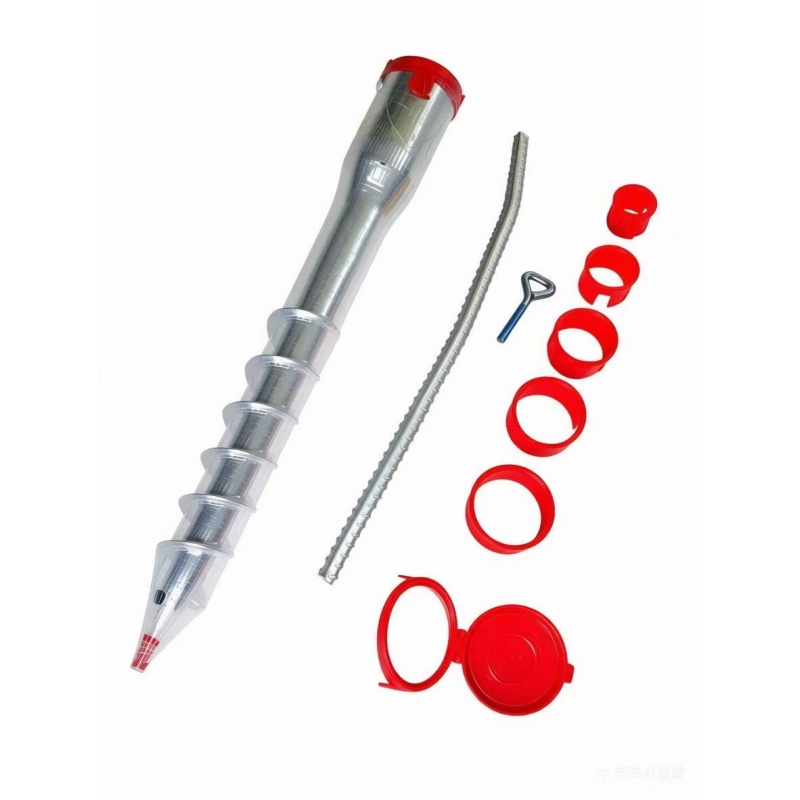
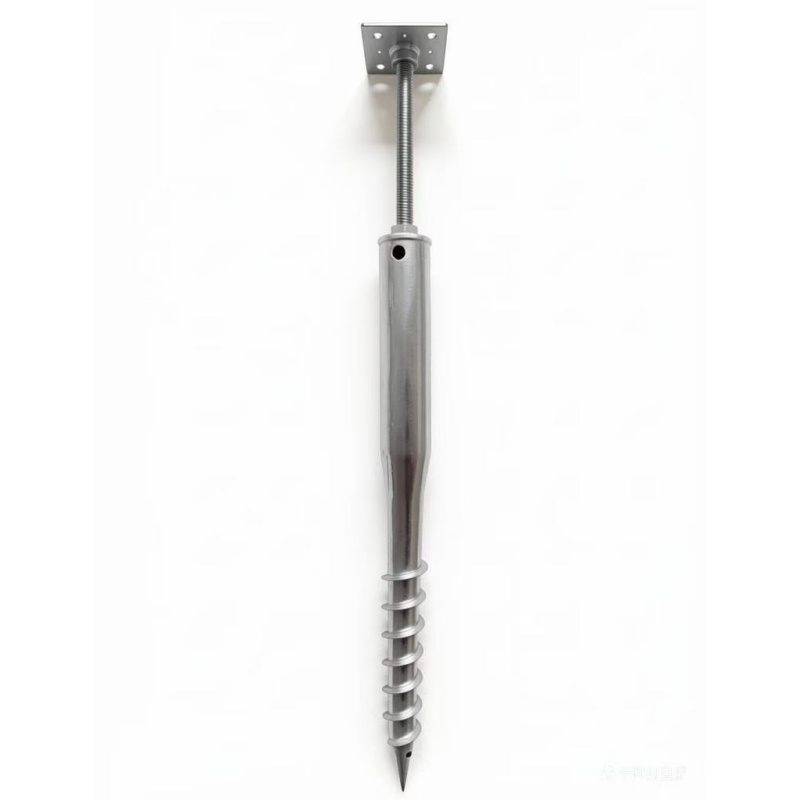
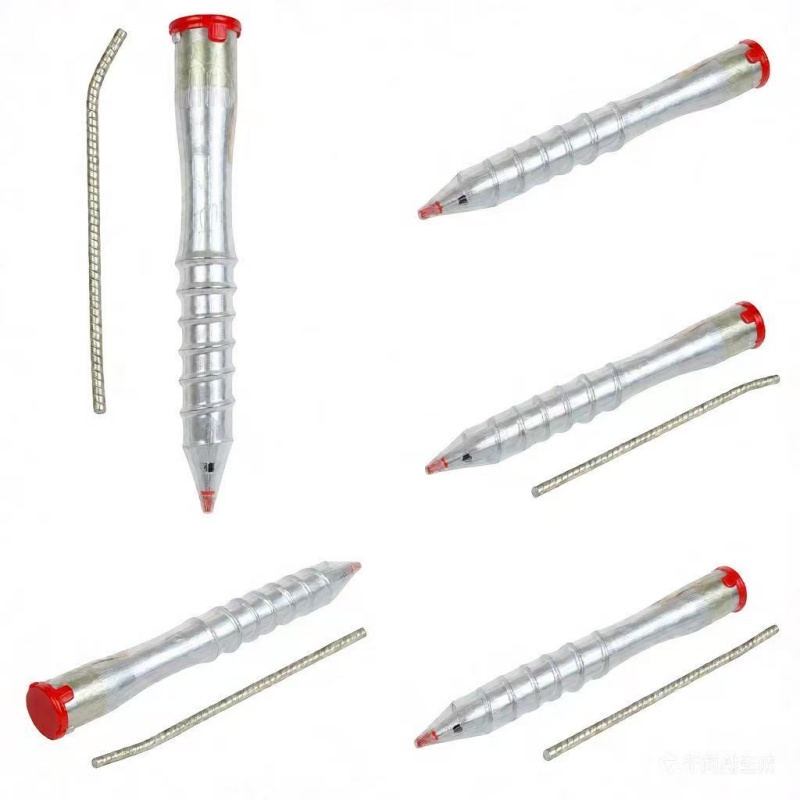
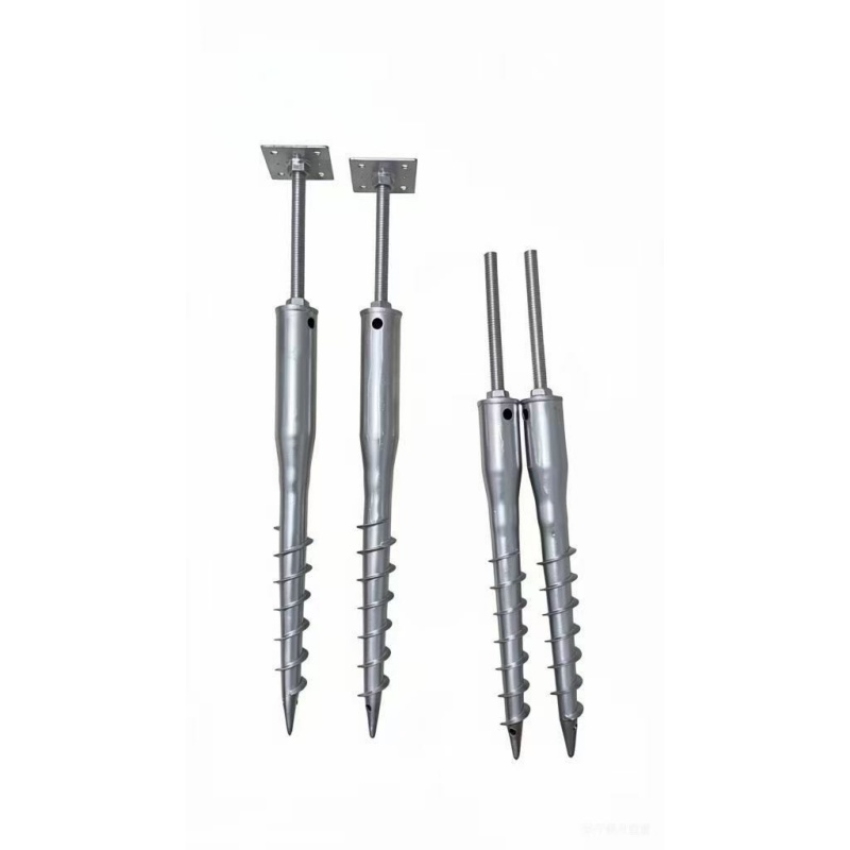
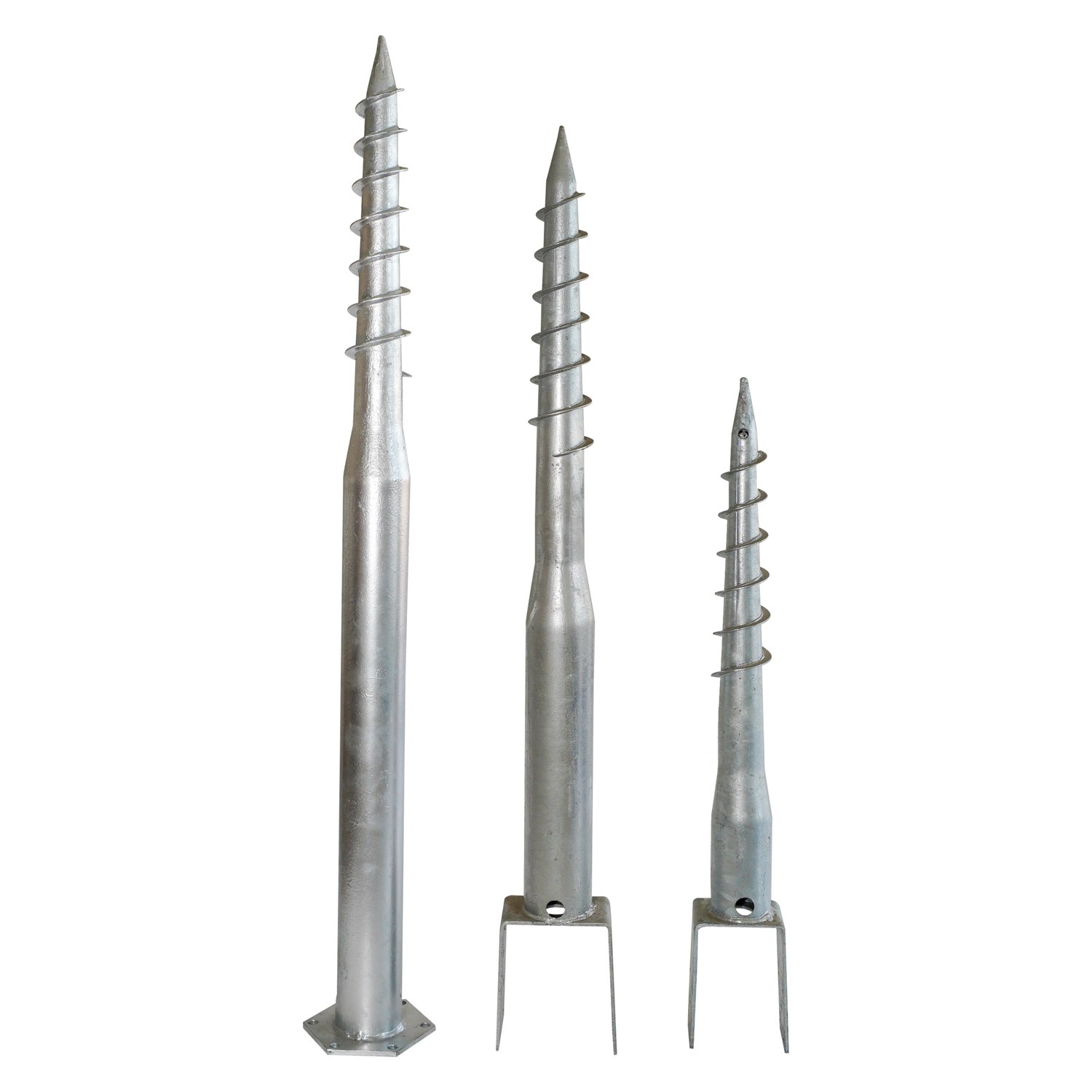
Corner posts, braced bays, large door jambs, and interior supports may not share the same demand. A marked schedule allows the design team to assign the right foundation at each grid point. Our zemní šrouby range includes different tube, helix, and head arrangements, but each proposed model must remain tied to its approved location and evidence.
Resolve the steel-to-post interface
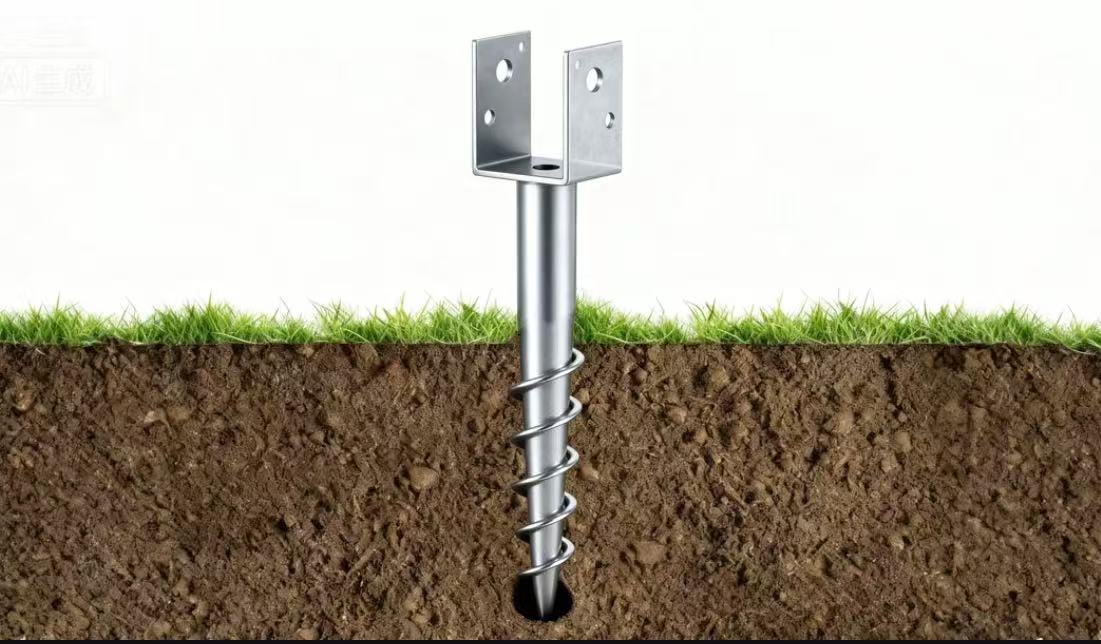
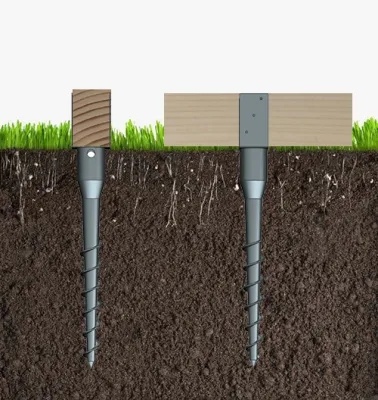
The connection above the ground is as important as the screw below it. A plate, U-shaped head, tube, bracket, or custom interface must fit the timber or steel column, provide the specified fastener access, and transfer forces without an improvised spacer. Screw post anchors should be reviewed in the installed orientation, including clearances from cladding, splash zones, and finish flooring.
|
Project input |
Why it changes the choice |
Record to request |
|
Soil profile |
Affects installation and resistance |
Site assessment and test plan |
|
Support reactions |
Sets compression, uplift, and lateral demand |
Engineer-approved schedule |
|
Column interface |
Controls fit and force transfer |
Dimensioned connection drawing |
|
Installation result |
Confirms position and acceptance |
Location-based field record |
Installation Quality Is Part of Foundation Quality
Fast installation does not remove the need for control. The crew should set out the grid, identify each model, use suitable equipment, monitor position and verticality, record resistance or the specified acceptance measure, stop at obstructions, and protect the finished head. The exact procedure must follow the approved design and the installer’s method.
Define acceptance before equipment arrives
A useful plan states permitted location and level tolerances, verticality, minimum installation criteria, refusal procedure, test locations, documentation, and authority for changes. This keeps a field decision from becoming an undocumented redesign. A ground screw foundation should not be accepted merely because every head looks level.
Make every support traceable
The handover record should connect each grid point to its model, batch, installation date, operator, equipment, final position, level, observed conditions, acceptance result, and photographs. Traceability is especially useful when wall framing follows quickly. It lets the contractor resolve one questionable support without reopening the status of the whole building.
Compare the Whole Installed Method
Ground screws may reduce excavation, spoil, wet work, and curing delays, which can help a weather-sensitive build. Embedded timber posts, concrete footings, piers, or other engineered systems may still fit some sites better. The comparison should include investigation, equipment, labor, testing, steel-to-column connection, drainage, schedule, maintenance, and end-of-life removal.
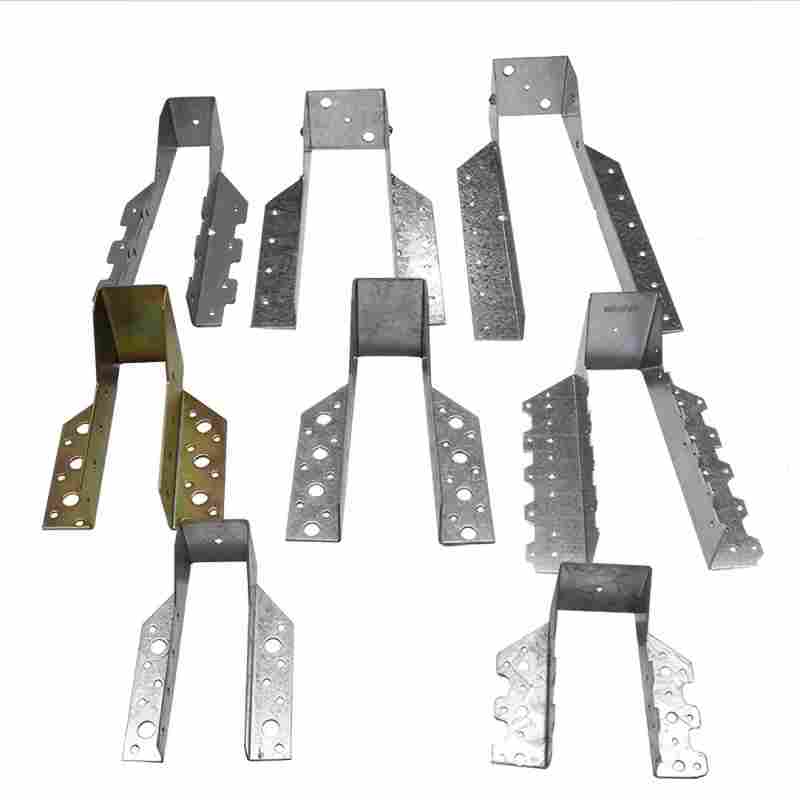
Price comparisons are misleading when one option excludes engineering, testing, or the column interface. Buyers should request the same defined building grid and acceptance scope from every bidder. Our post-product capability includes stamping, cutting, welding, and multiple surface-treatment routes, yet commercial selection still follows the approved model rather than a general factory capability statement.
The Practical Takeaway
Ground screws fit a pole barn when site conditions, support reactions, connection geometry, installation access, and acceptance evidence align in one approved plan. Before ordering, freeze the grid, soil information, load schedule, model drawing, post interface, finish, test method, packing, and field records. Sunstone Ruize(STRZ) can review suitable zemní šroubové kotvy without treating one application as proof for every site.
Časté dotazy
Can ground screws support every pole barn?
No. Suitability depends on soil, frost, groundwater, building loads, geometry, local rules, installation access, and an approved verification method.
Do post anchors remove the need for engineering?
No. Post anchors connect the column to the foundation, but the full load path and site-specific resistance still require responsible design and approval.
What information should a buyer send for review?
Send the site location, soil information, building grid, support reactions, column sizes, connection drawing, exposure, installation plan, testing needs, quantity, packing, and schedule.
How are ground screw anchors checked after installation?
Use the project-defined criteria for location, level, verticality, installation result, testing, damage, and traceability. Record every support by grid point.
Are ground screws always faster than concrete?
They can remove curing time and reduce excavation, but investigation, equipment access, obstructions, testing, redesign, and the column connection affect the real schedule.
 konzultovat
 aplikace Whatsapp
 Zanechat zprávu
 nahoře