






Which Ground Anchors Fit Drilling Projects?
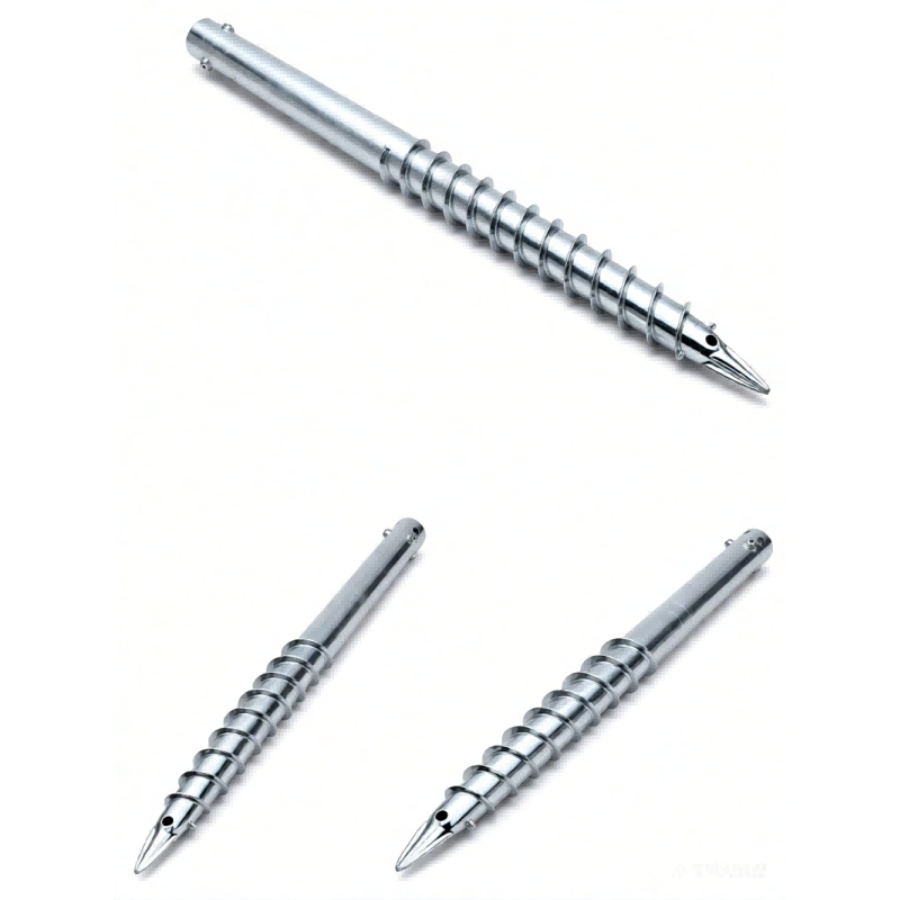
Drilling projects often need a temporary or permanent anchor before the main work can continue, but the best anchor is not always the deepest or heaviest option. Crews have to match holding power, soil disturbance, installation tools, and removal needs, especially when the site cannot tolerate concrete curing, wide excavation, or repeated rework.
Ground Conditions Decide the Anchor Family
Ground conditions shape the anchor choice because soil resistance is what turns installation effort into holding capacity. A مرساة المسمار الأرضي can work well when the soil allows the helix or thread to bite evenly, while loose fill, saturated ground, or rock layers may require testing or another anchoring method.
Drilling projects also differ by duration. A temporary drilling platform, guide frame, site barrier, or utility support may value clean removal, while a fixed outdoor structure may value long-term corrosion resistance and a defined connection head.
Screw-type anchors
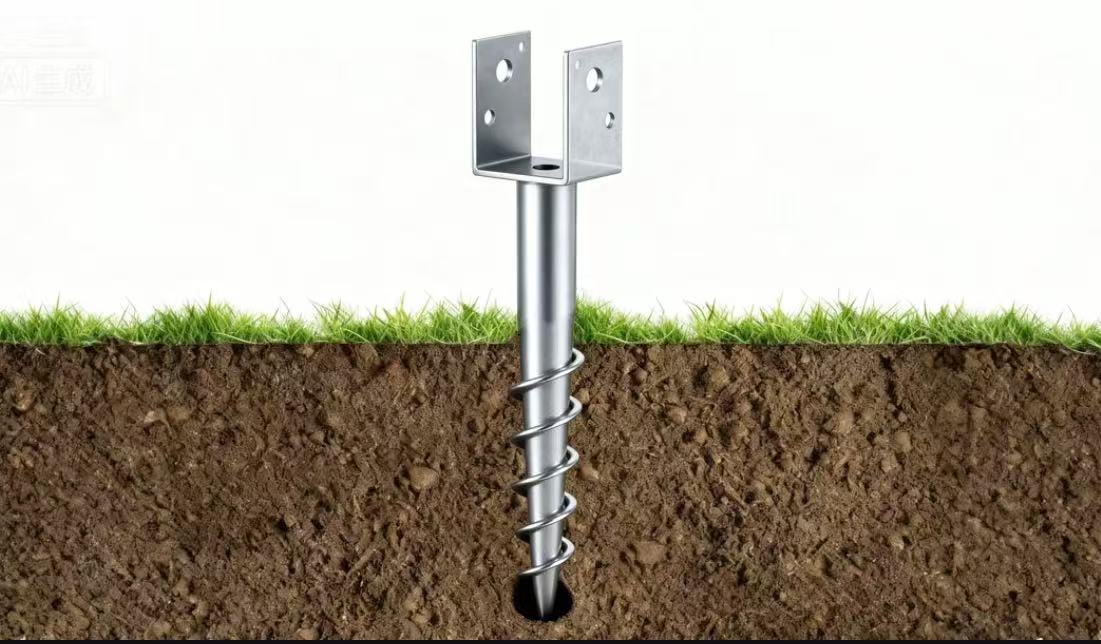
Screw-type anchors are useful when crews need controlled installation with limited excavation. Products such as screw in earth anchors, spiral ground anchors, and helical ground screws rely on rotation to develop grip, so they usually disturb less ground than dug-and-poured foundations.
The practical advantage is speed, but speed should not replace site checks. Soil density, moisture, buried services, frost depth, uplift load, and lateral movement all affect whether the selected anchor can perform as expected.
This is especially important when a drilling contractor is working around existing pavement, landscaping, or utility corridors. Lower excavation can protect the surrounding area, but only if the anchor reaches competent soil and the installer can feel a steady resistance profile during rotation.
Driven and expanding anchors
Driven or expanding anchors may suit compact temporary work where the project needs fast restraint rather than a visible post support. They can be practical for guying, bracing, light equipment, and short-duration site protection, but extraction and reuse may be less predictable than with removable screw anchors.
Installation Access Changes the Practical Choice
Installation access matters because an anchor that looks suitable on paper can be awkward in a confined drilling area. Machinery clearance, rotation space, overhead restrictions, and the position of temporary braces can decide whether a screw anchor, driven anchor, or concrete-set base is realistic.
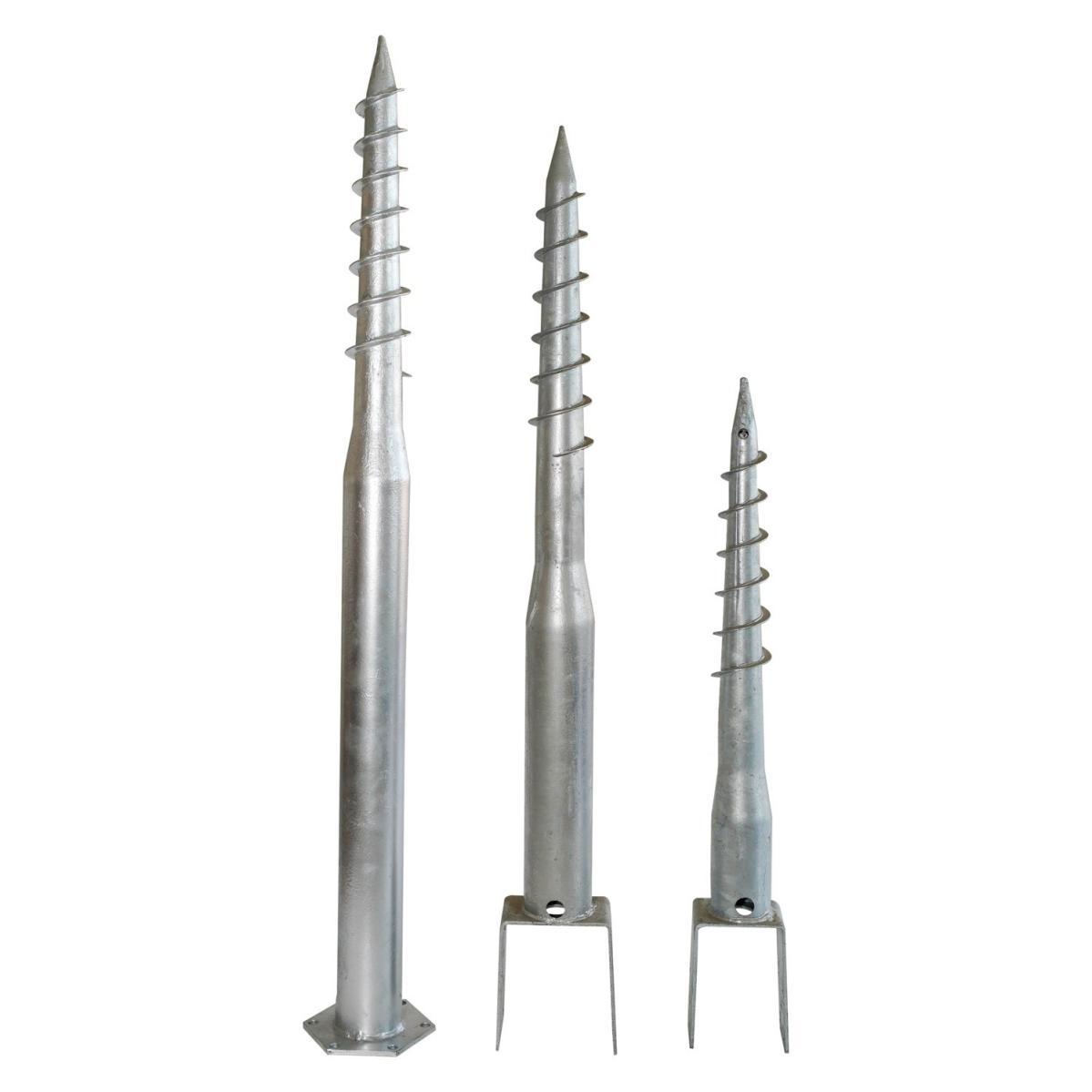
مسامير أرضية حلوية can help where crews need a steel foundation element that installs with rotation and can accept a head, bracket, or post connection. For drilling-related support work, that combination is useful when layout changes are possible before final fixing.
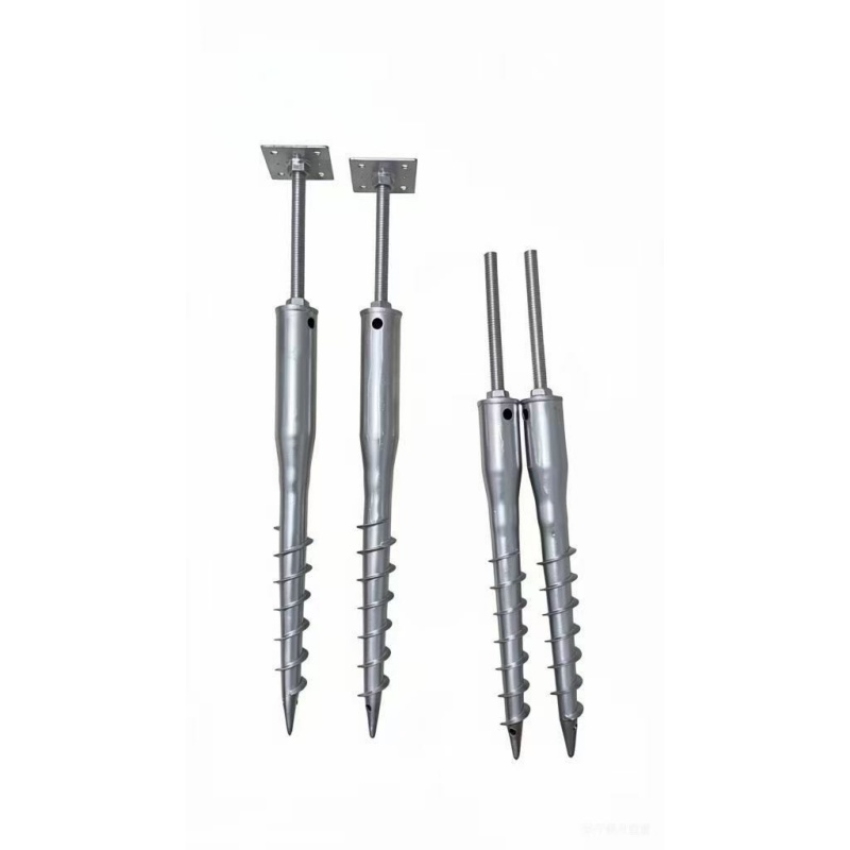
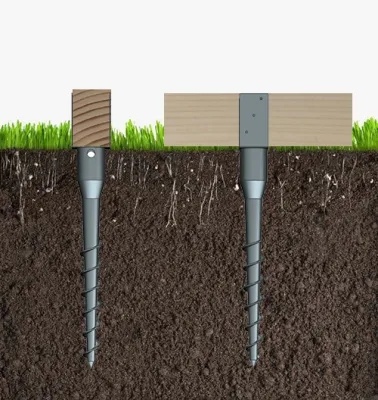
The connection head deserves the same attention as the buried section. A post anchor, U-type head, flange plate, or open tube can change how the supported member is aligned, adjusted, and inspected after installation.
Access planning should also include removal. Temporary drilling works often need the ground returned quickly after the support is no longer needed, so a removable screw-type anchor can be easier to document, extract, and sort for inspection than a cast-in-place base.
Field checks before installation
Field checks reduce avoidable failures because many anchor problems begin before the anchor enters the ground. The crew should confirm the load direction, test location, and installation torque or resistance pattern where the project requires a verifiable hold.
Useful checks include:
Locate buried utilities before drilling, driving, or screwing any anchor.
Compare the anchor length and diameter with soil conditions and load direction.
Keep the connection head aligned with the brace, post, or frame it will support.
Record unusual refusal, wobble, or looseness before adding load.
Product Form Should Follow the Job
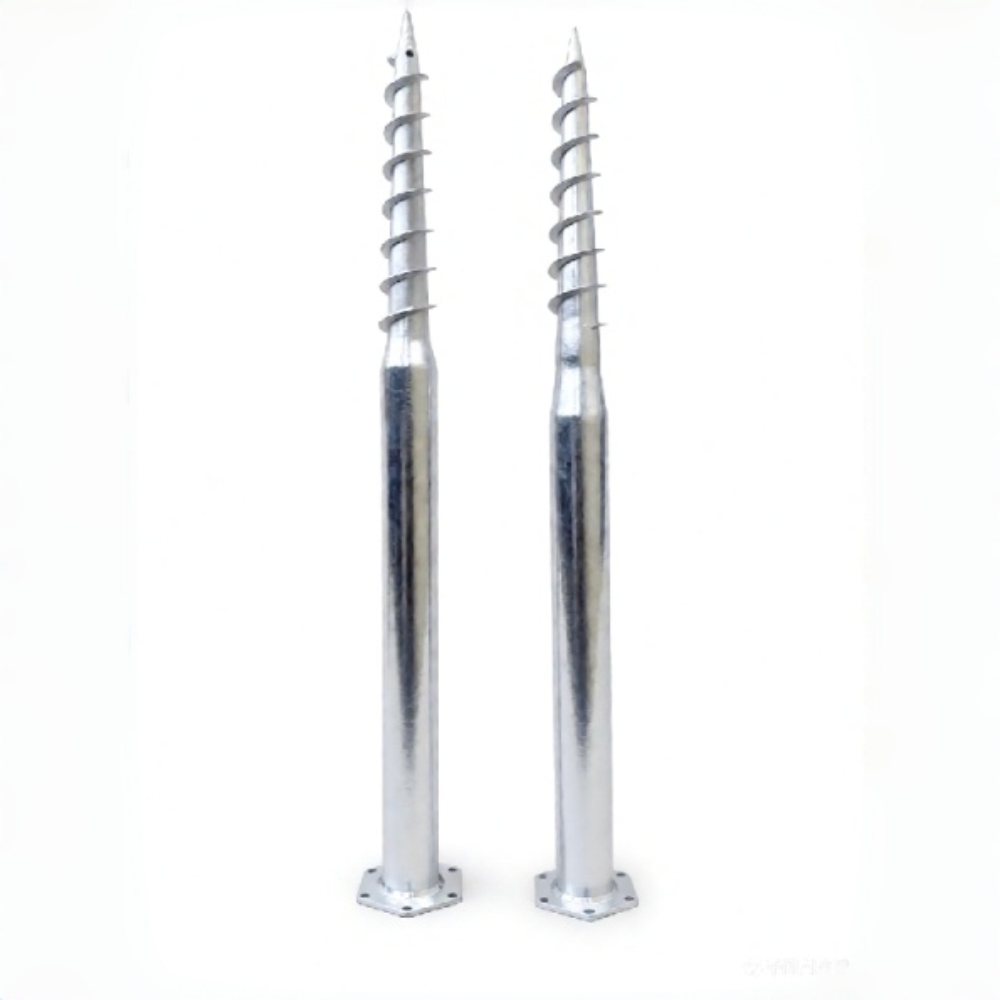
Product form matters because the visible head often determines whether the buried anchor can actually serve the drilling project. A post support may be right for a timber or steel upright, while a flange or open tube may suit a base plate, guide frame, or removable fixture.
When wholesale buyers compare المسمار الأرضي في المراسي, they should ask how the head, wall thickness, tube diameter, and finish match the structure being restrained. Sunstone Ruize(STRZ) supplies ground screws and post anchors for outdoor structures, fencing, solar mounting, signage, garden projects, and construction-related use, with different product forms for different connection needs.
The project brief should stay practical. Drawings, expected loads, ground description, installation method, surface exposure, and packing requirements give the supplier enough information to recommend whether a standard ground screw anchor, a screw auger anchor style, or a customized post anchor is the cleaner route.
Summary for Anchor Selection
Ground anchor selection is a site decision before it is a product decision. The safest short path is to classify the soil, load direction, access limits, and removal needs, then choose an anchor family that fits that reality.
For drilling projects, screw-type anchors are attractive when the work needs faster installation, lower disturbance, and possible removal. They still need a suitable soil check and a connection head that matches the support, because holding power and usable alignment must work together.
أسئلة متكررة
What is the difference between spiral anchors and screw foundations?
Spiral ground anchors is a broad term for anchors with a spiral form, while helical screw foundations usually refer to products with a defined shaft or tube and a connection head. Naming varies by market, so drawings matter.
When would a screw auger anchor style be useful?
A screw auger anchor style can be useful when rotation helps the anchor enter the ground with less excavation. It still needs enough soil resistance to hold the intended uplift or lateral force.
What should buyers confirm before ordering ground anchors?
Buyers should confirm soil type, expected load direction, anchor length, head style, coating needs, installation tools, and packing format. These details help avoid a mismatch between the buried anchor and the visible support.
 استشارة
 واتساب
 اترك رسالة
 أعلى
أعلى