




What Are Decorative Joist Hangers Used For?
Exposed framing makes every connection visible. On a restaurant pergola or a covered walkway, a plain hanger may support the timber while interrupting the intended appearance. Decorative joist hangers bring the connection into the design, combining a visible finish with a defined support function. For contractors and hardware distributors, their value depends on where the joint sits, what it carries, and whether the specified hanger suits the exposure.
Support at the end of an exposed joist
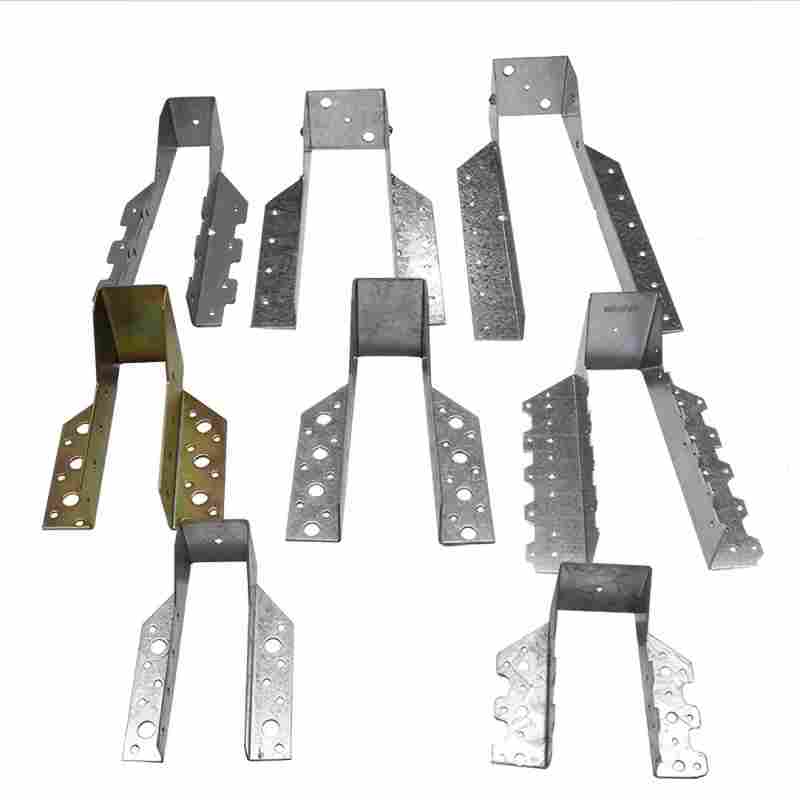
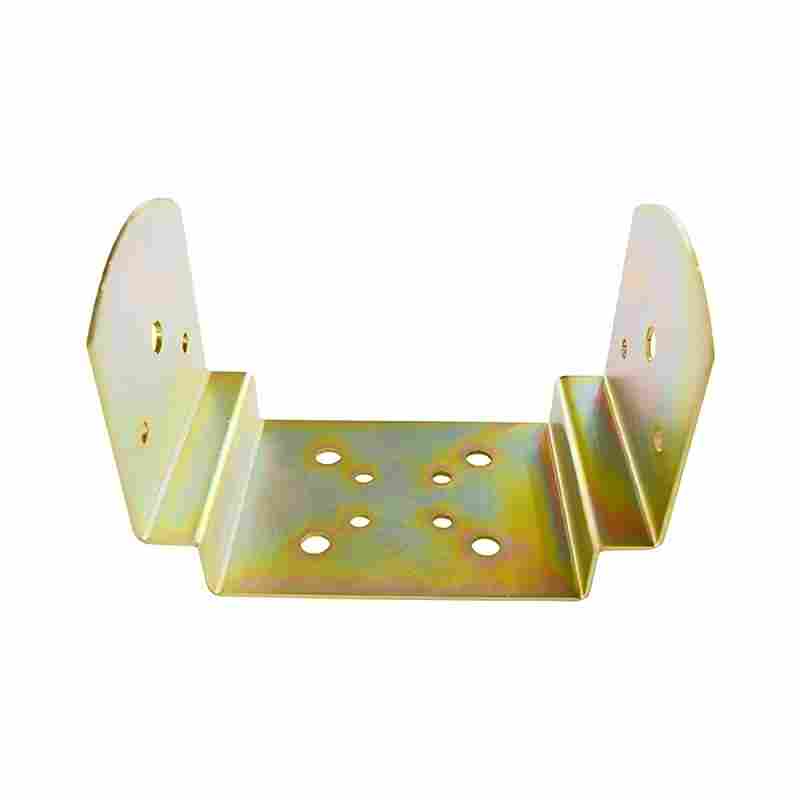
A joist hanger supports the end of a timber member where it meets a beam or ledger. Its seat receives the joist, while the hanger and specified fasteners transfer forces into the supporting member. Decorative versions retain that connection role while using a more deliberate outline, finish, or fastener appearance.
The word decorative describes appearance, not a universal load rating. An ornamental bracket without verified structural performance cannot automatically replace a rated hanger. Equally, a decorative hanger may be load rated when its particular design and fastening arrangement have been assessed. The distinction matters whenever the timber supports people, roofing, or other loads.
Visible support is therefore the useful starting point for understanding معلقات الخشب. The question is whether the chosen connector provides the required connection and the intended appearance at that exact joint.
Where the visible connection earns its place
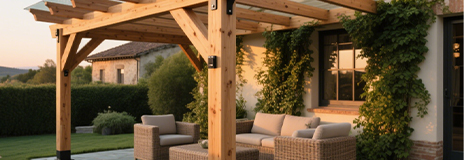
Decorative hangers are most useful where occupants can see the framing. Pergolas, pavilions, covered outdoor seating, and exposed ceiling beams can all make hardware part of the architectural composition. Beneath an elevated deck used as a gathering area, repeated hangers become a visible line along the beam.
A consistent connection detail can make a commercial installation look considered. Imagine a cafe canopy with a row of exposed joists: matching outlines and fastener finishes help the joints read as part of one design. This is an illustrative design situation, not a claim that every decorative hanger is suitable for canopy loads.
Hidden framing changes the value of that finish. When ceilings or cladding conceal the joints, a standard rated hanger may meet the practical need. Comparing أنواع موصلات الخشب helps distinguish a visible structural detail from hardware selected mainly for concealed support.
|
Connection approach |
Visual result |
Practical distinction |
|
Decorative joist hanger |
Exposed hardware becomes part of the design |
Verify the specific hanger and fastening system |
|
Standard joist hanger |
Functional metal connection remains visible |
Suitable where appearance is secondary |
|
Fully concealed connector |
Most connection hardware sits within the timber |
Requires the matching timber preparation and fixing detail |
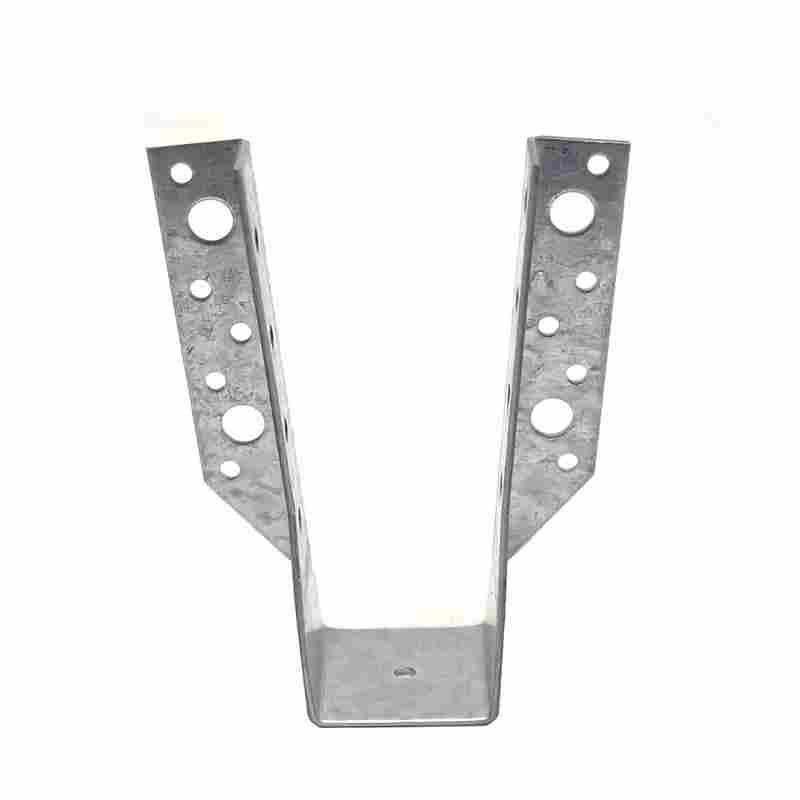
A concealed flange is different from a fully concealed connection. Inward-facing flanges reduce the hardware extending beside the joist, but parts of the hanger can remain visible. That detail can suit a cleaner exposed joint without producing an entirely hidden connection.
Timber fit determines whether the detail works
The actual timber dimensions control the hanger fit. Nominal lumber, rough-sawn timber, and engineered members can differ even when their size labels seem similar. The selected hanger needs the appropriate seat width, supported-member depth, and fixing arrangement for the timber being supplied.
Joint geometry also limits substitution. A square connection and a sloping or skewed connection may require different hanger designs. Choosing by color or overall width alone can leave the fixing positions or bearing detail unsuitable. Trimming, bending, or drilling an unapproved alteration into a hanger can invalidate its assessed performance.
Fasteners are part of the connection design. Their type, diameter, length, number, and placement affect the completed assembly. A matching head color does not make a general-purpose screw an approved replacement. For distributors, keeping the hanger and its specified fixing information together helps prevent an attractive product from being installed as an incomplete system.
The finish must suit the exposure
A decorative topcoat and corrosion protection perform different jobs. Color helps integrate the metalwork visually; the underlying material and protective coating influence how it withstands moisture and other corrosive conditions. Outdoor suitability therefore needs more information than a black or silver appearance.
Exposed framing needs a finish discussion that includes the wood treatment and service environment. At Sunstone Ruize(STRZ), we offer galvanized steel wood connectors with hot-dip and electrogalvanized finish options. For our galvanized steel connector range, the hot-dip coating specification is 60–85 μm, compared with 8–15 μm for electrogalvanizing.
Those thickness ranges explain a meaningful difference in the zinc layer, but they do not establish the service life of a decorative hanger. The exact model, coating system, exposure, and compatible fasteners still require confirmation. A painted version should not inherit the performance of a different galvanized configuration simply because the parts share a shape.
Corrosion assessment becomes especially important with preservative-treated timber, persistent dampness, or salt exposure. The hanger and fasteners need compatible materials and protection suitable for those conditions. When considering موصلات الخشب الهيكلي, evaluate the complete connection rather than assuming a decorative finish resolves the environmental requirements.
A visible joint with a defined purpose
Decorative joist hangers are useful when exposed framing needs both support and a coordinated appearance. Their role is clearest when the design identifies the load path, the actual timber size, and the exposure before settling the visual detail. For trade teams, that sequence makes it easier to explain why a particular hanger belongs in the project.
For an exposed timber scheme, discuss the intended connection and finish with our team so the suitable configuration can be confirmed before the detail is repeated across the structure.
أسئلة متكررة
Are decorative joist hangers structural?
Some are load rated, but the decorative label alone establishes no capacity. Confirm the exact model, timber conditions, and specified fasteners. A decorative cover or ornamental plate should not be treated as a structural hanger without supporting evidence.
Can decorative joist hangers be used on pergolas?
They can suit visible pergola joints when the selected model matches the connection and exposure. A hanger supporting a member does not automatically provide every uplift or lateral connection the overall structure needs.
Are concealed-flange hangers completely hidden?
Usually not. Their flanges turn inward rather than extending beside the joist, while the seat or other parts may remain visible. A fully concealed connector uses a different joint detail to place more hardware within the timber.
Can ordinary screws replace the specified fasteners?
Only a replacement approved for that hanger and connection should be used. Matching screw length or color is insufficient because diameter, head geometry, material, and fastening pattern can affect performance.
Does a black finish make a hanger suitable outdoors?
No. Outdoor suitability depends on the coating system or metal, wood treatment, environment, and compatible fasteners. A color finish by itself does not establish corrosion resistance or an expected service life.
 استشارة
 واتساب
 اترك رسالة
 أعلى
أعلى