








How to Install Ground Screws for Reliable Site Assembly
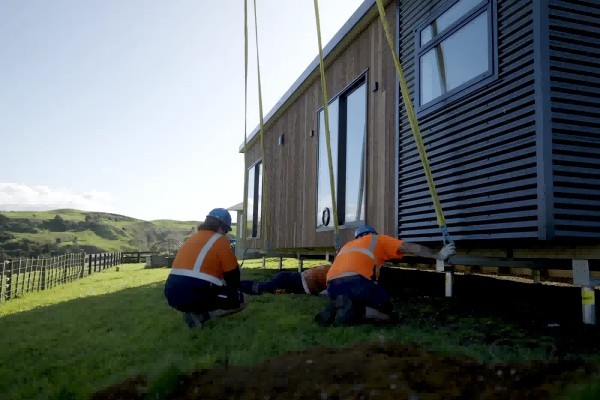
Projects involving installing ground screw anchors often suffer delays when supports sit at the wrong height. Issues also occur when these supports fail to align with the frame’s exact connection spots. Builders and suppliers helping field crews understand that installing ground screw anchors demands a clear, step-by-step process. First, teams need to assess the location. Second, they must pair the hardware with suitable machinery. Next, operators need to manage the driving phase closely. Lastly, workers should validate each completed joint before adding structural weight.
Site conditions define the installation plan
Crews need to scan for underground utilities before pushing any tool or drill into the soil. Teams must secure precise utility maps. They should also hire experienced locators to mark the area clearly. Furthermore, site managers need to set up safe work practices. Paper plans by themselves never ensure the true location of a buried line. In the UK, the HSG47 document provides a useful safety guide. At the same time, jobs in different countries must adhere strictly to regional utility rules.
The quality of the earth determines if a selected zemná skrutka kotva will securely support the intended building. Fences, elevated paths, and house bases generate vastly different weight stresses. Construction projects demand a proper base layout. This layout depends heavily on precise soil data and thorough load trials. A firm top layer never guarantees adequate bearing capacity. Likewise, a fixing that simply feels snug does not provide sufficient evidence of structural strength.
The authorized base plan needs to display all fixing locations clearly. It must also note the ultimate elevation levels. Surveyors must transfer these exact markers onto the terrain using a reliable benchmark. Afterward, crews should verify these marks against the actual size of the framework. Teams should steer clear of generic distance rules. The gap between supports always relies on the given building and its custom foundation blueprint.
Screw dimensions and driving equipment must agree
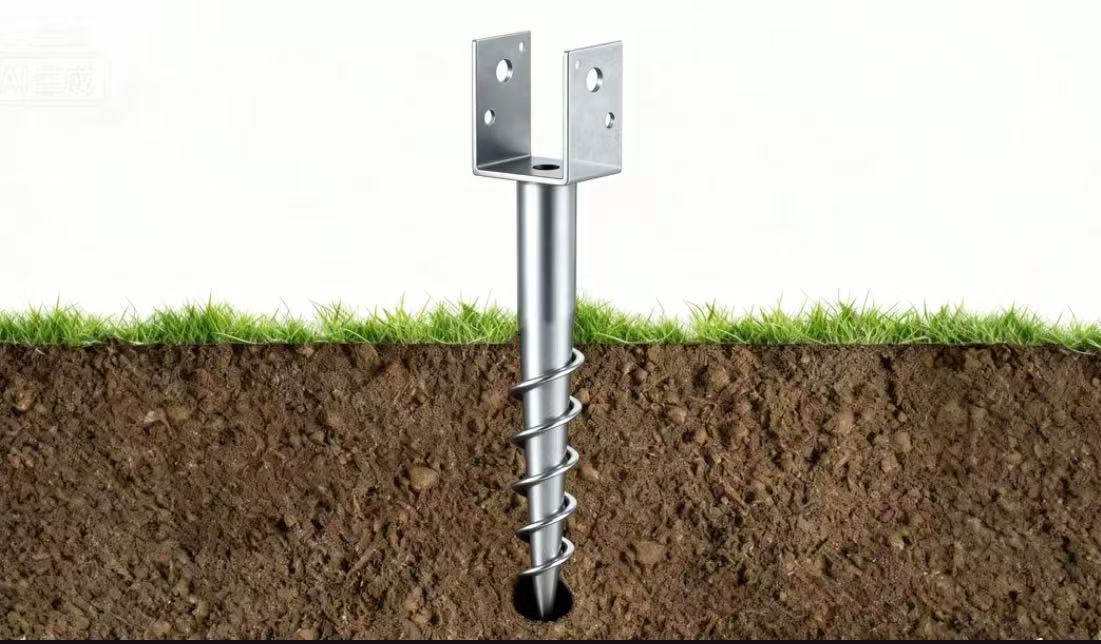
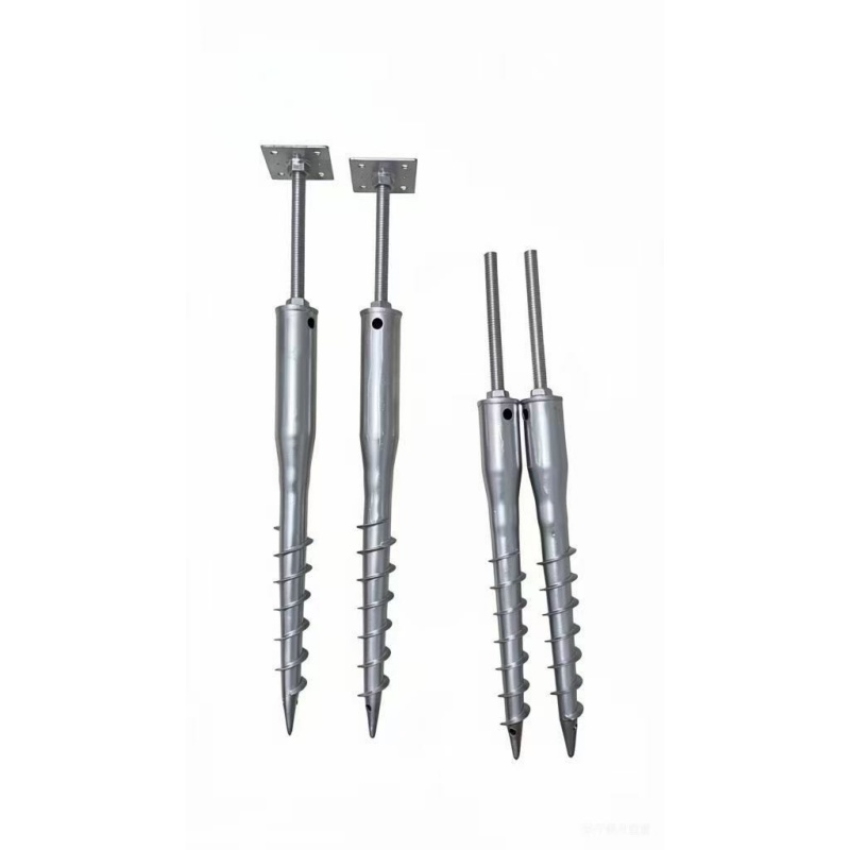
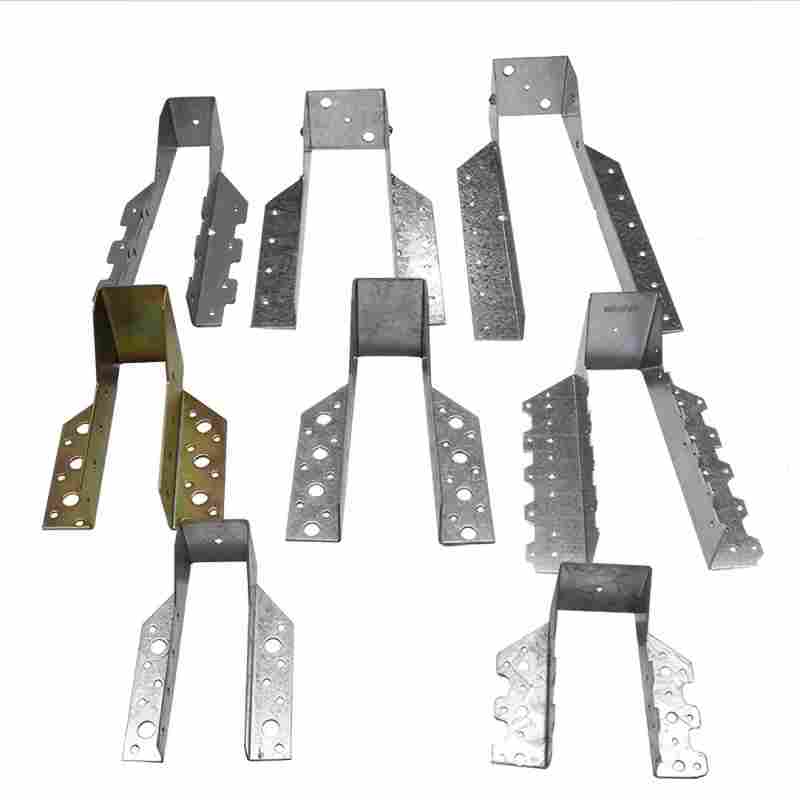
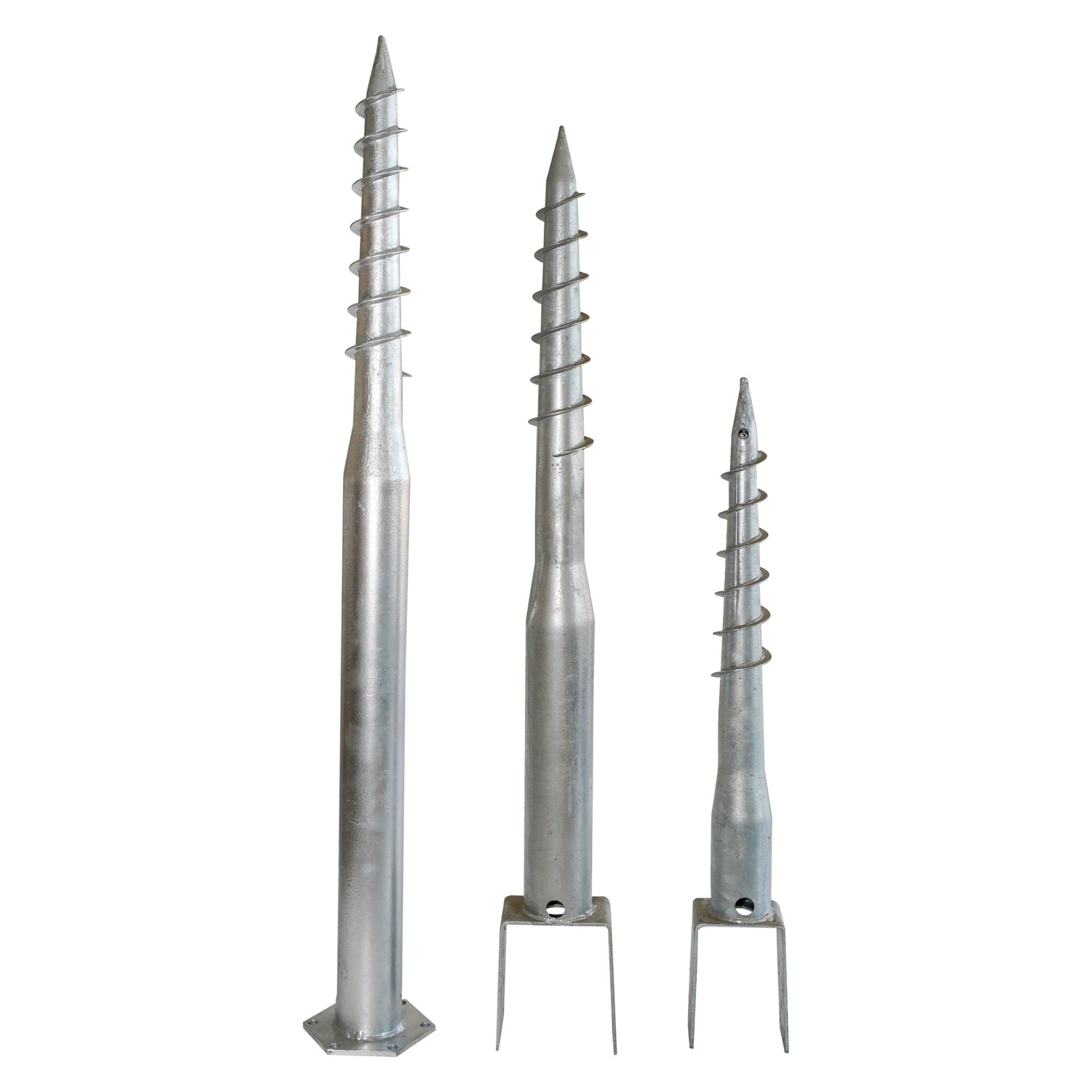
The selected hardware must align with the base blueprint flawlessly. It also has to suit the joint situated above the soil. Across many available v zemných skrutkových kotvách, flat flanges and U-shaped brackets manage distinct mounting needs. Managers must verify the top profile and secure a matching machine adapter before the crew arrives on site. This preparation becomes crucial whenever the framework and base components ship in split loads.
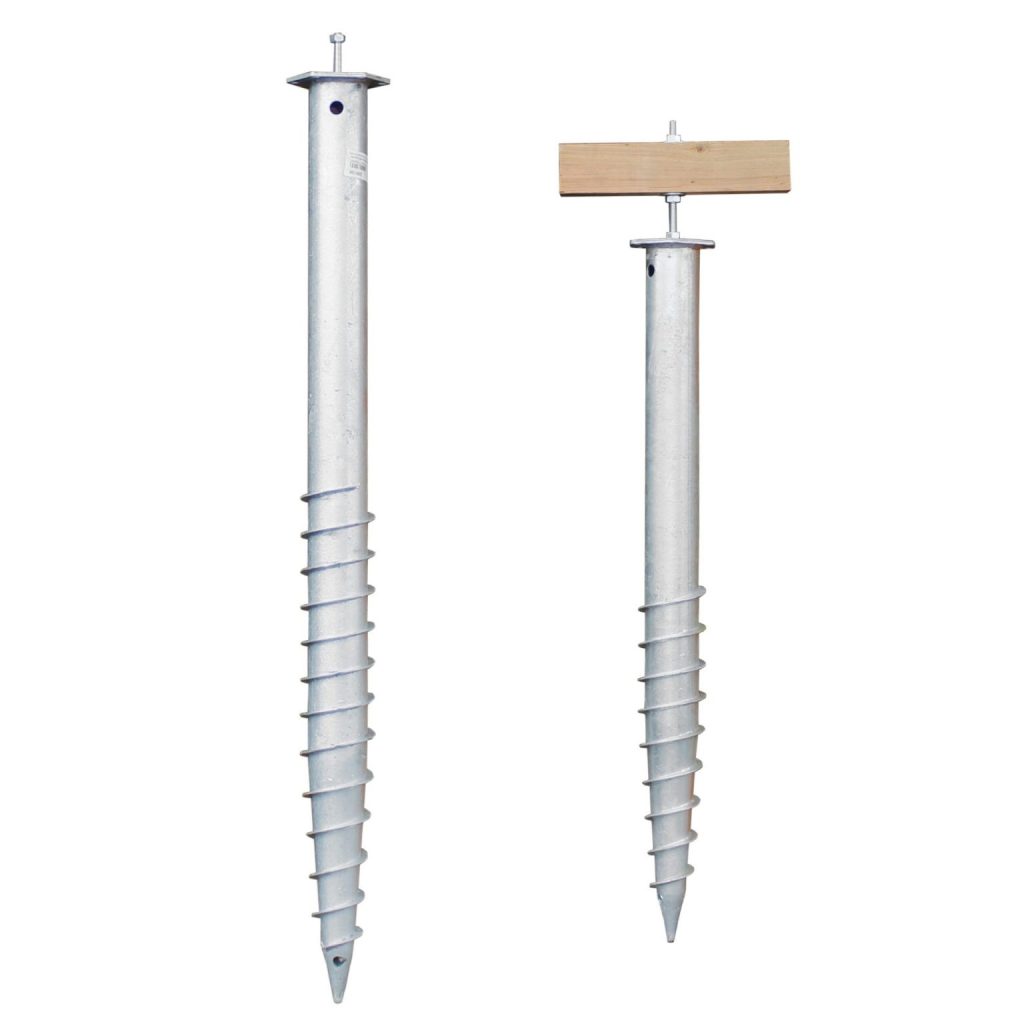
Slight variations in the requested item can shift the whole assembly process. Sunstone Ruize (STRZ) supplies M straight ground screws in the setups listed below. These precise measurements assist teams in identifying the delivered goods. Even so, these numbers do not represent actual field capacity limits.
|
M straight configuration |
Dĺžka |
Tube wall |
Threaded ground section |
|
M68x120x1000 M12 HDG |
1,000 mm |
1,8 mm |
400 mm |
|
M68x120x1200 M12 HDG |
1,200 mm |
1,8 mm |
400 mm |
|
M68x120x1300 M14 HDG |
1,300 mm |
1,8 mm |
400 mm |
Extended versions retain the identical stated tube thickness. They also feature the same threaded lower segment. Because of this, added total length does not grant a direct increase in holding power. Planners must validate the required insertion depth. Furthermore, teams should inspect the visible top height and joint specifics for that exact item. Crews need to complete this review before selecting their driving machinery.
The driving tools must fit the particular hardware. The machinery also needs to match the property’s physical access boundaries and the necessary turning force. A simple hand lever might function adequately for a minor array meant entirely for manual placement. Conversely, heavy-duty bases normally demand a specialized electric or hydraulic motor. Operators should always attach the socket supplied by the tool maker. Workers must follow the brand’s torque-management guidelines and respect all safety thresholds.
Controlled driving preserves alignment and soil engagement
Guide-hole guidelines vary based on the selected driving technique. Boring a starter hole can definitely enhance placement accuracy. This action might also reveal buried obstacles. Still, the bore width and depth must adhere strictly to the manufacturer’s manual. These dimensions must also align with the soil evaluation. Creating an overly wide hole merely to reduce friction remains a poor strategy. This mistake will destroy the essential friction against the native earth.
Verifying vertical plumb early makes the remaining work significantly simpler. Initially, place the tip exactly on its designated mark. Next, monitor the central axis carefully while it penetrates the dirt. Operators ought to utilize a standard bubble level or the advised digital sensors. Teams must assess the angle from two perpendicular viewpoints. If the shaft starts tilting, workers should execute the brand’s authorized adjustment technique.
Downward progress remains just as critical as the turning motion. The shaft must pull itself deep into the terrain. It cannot merely dig dirt out or rotate without sinking. Abrupt stops or sudden shifts in friction demand immediate focus. Noticeable earth displacement at the surface also warrants a quick inspection. Forcing the machinery beyond the safe limits of the tool or the hardware never solves the issue safely.
A surprise barrier can disrupt the initial base layout. Should this occur, operators must halt activity at that specific location. Crews need to determine the root cause through sanctioned probing methods. Moving a peg to bypass a stone might modify the structure’s spanning distance. Such a shift could also redirect the weight distribution. Consequently, builders must secure permission from the lead engineer before relocating any point.

Head alignment completes the connection
The embedded top must link with the framework at the precise intended spot. It also requires the proper height and facing angle. Teams ought to double-check these details prior to assembling the entire building. A mounting plate situated marginally off-center can force bolt holes to clash. This mismatch can occur even when the main shaft appears flawlessly upright.
Tailored joints demand their own unique measurement reviews. When handling a custom anchor ground screw, workers must review the fabrication sketch. Crews should validate the joining bracket and bolts as a single assembly. STRZ can manufacture components straight from client schematics. Nevertheless, this manufacturing capability does not substitute a rigorous, site-specific engineering review. Installers must never apply unapproved drilling, rogue welding, or partial unscrewing simply to make a poor joint unite.
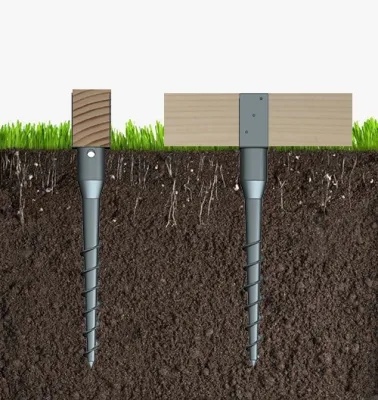
Adaptable brackets must remain inside their certified sliding ranges. They also have to comply with strict bolting procedures. First, establish the ultimate height utilizing the mandated linking technique. Afterward, examine all required nuts and bolts. Builders must always recognize the distinct contrast between a deep earth foundation and a simple surface post mount. Teams should bear this distinction in mind while pairing assembly instructions with the shipped materials.
Installation records support release for loading
A finished setup needs concrete documentation proving it satisfies the engineering criteria. Supervisors must log every single support’s individual tag. Workers should document the inserted version, the concluding depth, and the precise coordinates. Furthermore, personnel need to note any deviations. If the blueprint depends on driving resistance, teams must log the exact torque readings. Engineers will then contrast those values against the project guidelines established for that distinct hardware and earth category.
Rotational force data proves useful only when experts can link it reliably to structural stability. Contractors must never adopt a minimum target from a competing brand’s catalog. Additionally, crews cannot substitute a required physical pull test with a basic machine pressure reading. Teams must rectify any failing points immediately. Workers should perform these fixes before the framework conceals the area or before massive weight renders corrections impossible.
A usable foundation is ready for the frame
A dependable deployment concludes with anchors that thoroughly fulfill every specification. These points must satisfy soil, dimensional, and linking criteria simultaneously. The formal handover requires an extensively verified grid. This package contains validated driving logs and perfectly paired brackets. This final result grants the building crew a secure foundation to build upon. It simultaneously provides the supplier a straightforward way to address any hardware inquiries.
Často kladené otázky
Can ground screws be installed by hand?
Specific lightweight models permit the application of a basic turning bar or manual crank. Users must consult the precise item’s guidebook. Installers also need to confirm the soil’s compatibility. Permanent building bases and demanding tasks consistently demand appropriate commercial machinery and certified professionals.
How deep should ground screws go?
The necessary penetration relies heavily on the earth composition and the anticipated weight stresses. It also hinges on the hardware geometry and distinct regional factors. The overall physical length does not automatically equal the mandatory sinking depth. Crews must always adhere to the formal engineering plans and the published driving protocols.
Is a pilot hole always necessary?
Guidelines vary depending on the chosen brand and the local dirt category. Whenever pre-boring becomes necessary, operators must utilize the exact mandated width and depth. Teams must entirely conclude all utility scanning before any boring commences.
Can a structure be loaded immediately?
These metal bases do not require a concrete drying period. Nevertheless, adding weight still depends on the official sign-off for the embedded points. Proceeding also demands completed joints and the successful completion of any obligatory field tests or safety audits.
What happens if a ground screw hits rock?
Operators must pause and thoroughly investigate the barrier. Certain brands allow specialized rock-drilling methods. On the other hand, different locations might demand a completely revised layout. Builders must never presume that a shallow, incompletely driven shaft will deliver the necessary structural stability.
 Konzultovať
 aplikácie WhatsApp
 Zanechať správu
 vrchol