








When Do Heavy-Duty Ground Screws Fit Fence Posts

A fence post can look straight on installation day and still disappoint after wind, wet soil, or repeated gate movement. Heavy-duty ground screws can avoid excavation and concrete curing, but they are not a universal shortcut. The useful question is whether the soil, post load, head connection, installation method, and acceptance plan fit one another before the first anchor reaches the site.
The Post Has to Tell You What the Anchor Must Do
Fence duty changes sharply from one post to the next. A light intermediate post mainly holds line tension, while a corner, end, or gate post may resist pull, bending, and repeated impact. Buyers should mark those roles on the layout and avoid treating every location as the same support problem.
Separate line posts from high-demand posts
A regular line post may allow a compact support, yet a tall privacy panel or wide gate transfers more overturning force into the ground. The design brief should identify fence height, open or solid infill, post spacing, gate weight, wind exposure, and any change in grade. Those inputs are more useful than simply requesting the longest ground screw fence post product available.
Let the post material shape the head connection
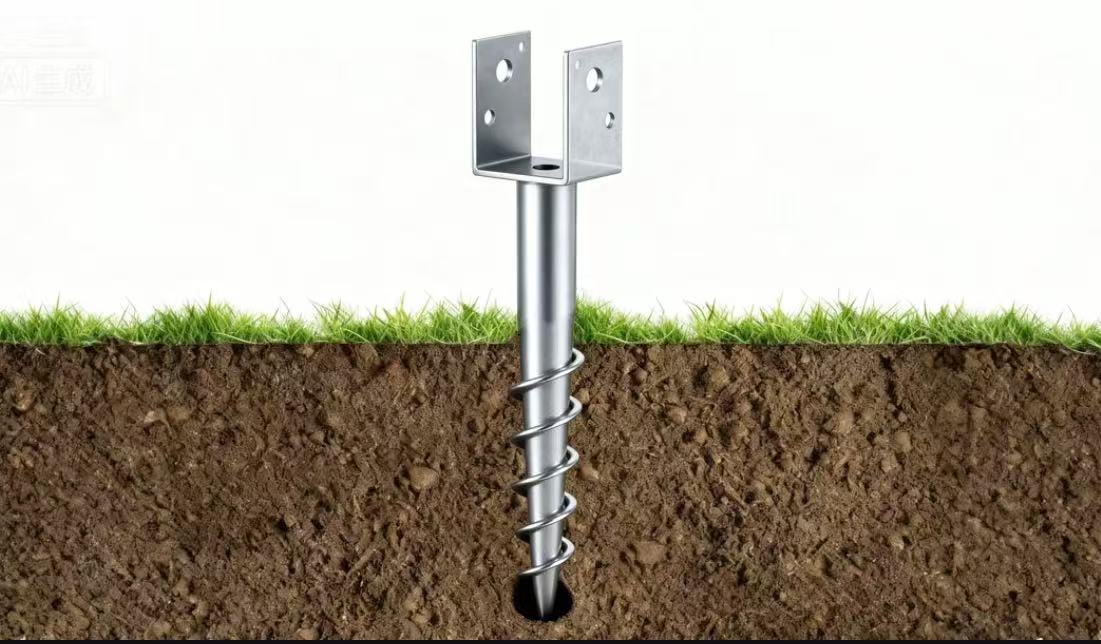
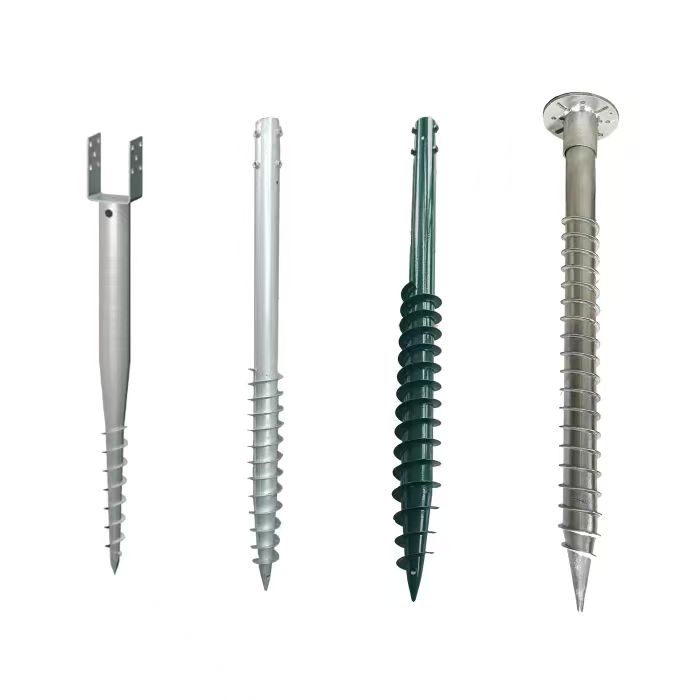
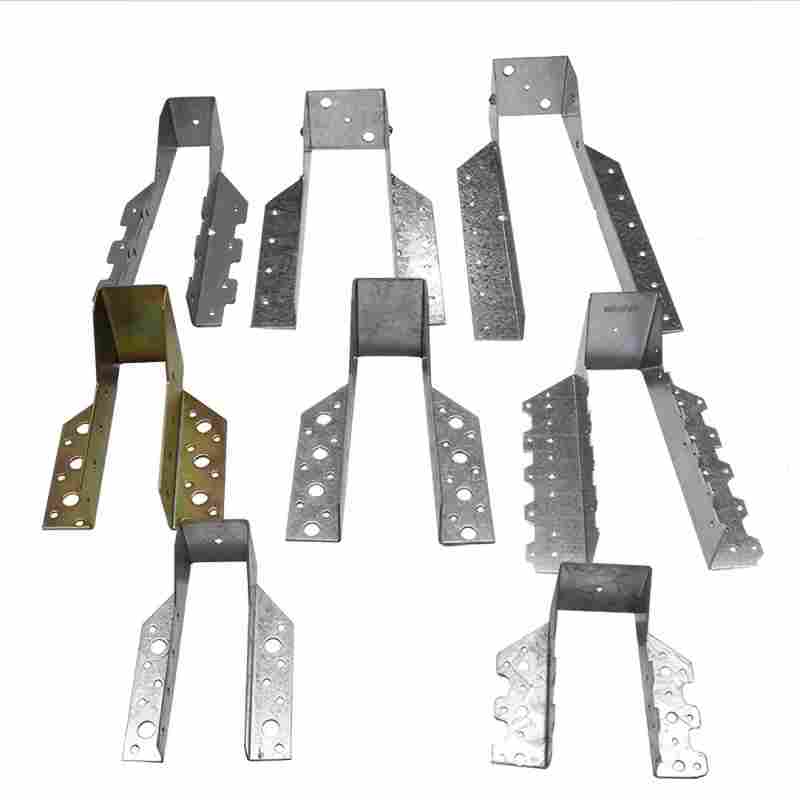
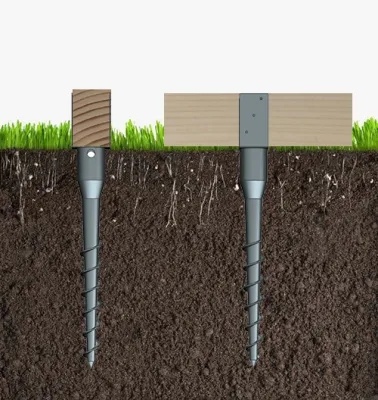
Timber, round steel, and square steel posts need different interfaces. A U-shaped head can locate a timber section, while a plate or sleeve may suit another geometry. The head must provide enough fastener access and edge distance without trapping water or forcing improvised packers. A screw in fence post support should be approved as an installed connection, not only as a steel part.
- Mark corners, ends, gates, slopes, and exposed fence runs.
- State post material, section size, height, spacing, and infill type.
- Show the required head geometry and fastener access on a drawing.
- Name the field checks that determine whether each support is accepted.
Soil Fit Comes Before Anchor Size
Ground conditions decide whether installation will be controlled or improvised. Uniform workable soil may suit a screw-in method, while rock, rubble, deep fill, very soft layers, buried services, or high groundwater can change the choice. A site check should identify these risks and define who can approve a moved, shortened, or rejected position.
Use a trial position to expose uncertainty
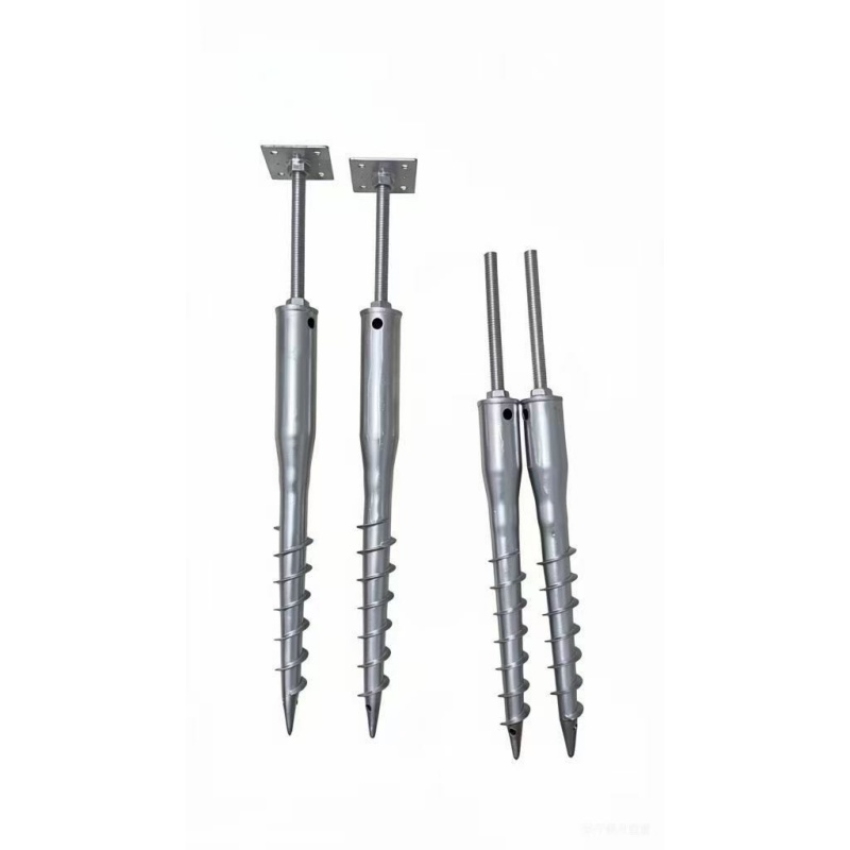
A trial installation can reveal refusal, weak resistance, hidden obstructions, or equipment-access problems before the full delivery arrives. It does not replace site-specific design, but it gives the responsible team real field information. At Sunstone Ruize(STRZ), we offer several ground screw anchors for fence posts, and we keep each proposed model tied to its drawing and intended post interface.
Do not turn length into a safety claim
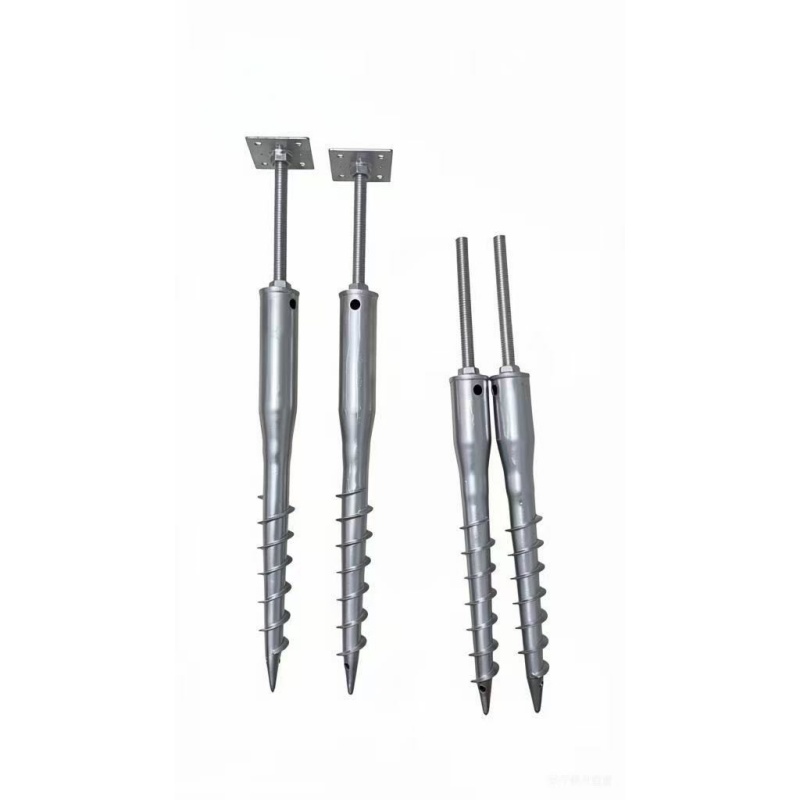
A longer anchor is not automatically the stronger answer. Tube diameter, wall thickness, helix shape, embedment, soil behavior, head geometry, corrosion exposure, and installation quality work together. Buyers should ask for the exact model dimensions and the project-defined verification method instead of transferring a result from an unrelated soil or fence configuration.
|
Decision input |
Why it matters |
Useful approval record |
|
Post role |
Changes bending, pull, and gate demand |
Marked fence layout |
|
Ground condition |
Affects installation and resistance |
Site notes and trial record |
|
Head connection |
Controls fit and force transfer |
Dimensioned assembly drawing |
|
Field result |
Confirms position and acceptance |
Post-by-post installation log |
The Head Connection Prevents Small Errors From Growing
Alignment problems often begin above the soil. If the head is too wide, too narrow, tilted, or difficult to fasten, installers compensate with wedges, extra holes, or forced post positions. The approved drawing should show internal width, plate size, hole pattern, post clearance, finished level, drainage space, and the orientation of every fastener.
Match the connection to the installation sequence
The crew needs room to drive the anchor, check verticality, set height, place the post, and tighten the specified fasteners. A забор пост винтовый якорь may fit the structural idea but fail operationally when a wall, hedge, or slope blocks the installation tool. Access should be reviewed on the layout before procurement.
Keep every field change traceable
A simple installation log prevents uncertainty later. Record the support location, model, batch, date, operator, equipment, final position, level, verticality, observed ground condition, and acceptance result. When one ground screw post anchor meets an obstruction, the log lets the project team resolve that position without casting doubt over the entire fence line.
Compare the Installed Method, Not the Loose Part
Concrete, driven posts, and screw anchors create different work sequences. A fair comparison includes investigation, excavation or equipment, spoil, curing time, post connection, alignment, testing, maintenance, and future removal. Screw anchors may shorten the wet-work stage, but poor access or repeated obstruction handling can erase that advantage.
Commercial quotations should therefore use the same fence layout and acceptance scope. Our production covers steel forming, welding, and several surface-treatment routes, but we do not treat factory capability as proof that every model suits every site. The project team should approve the exact helical fence post anchors against the post role, soil information, and connection drawing.
The Practical Takeaway
Heavy-duty ground screws fit fence posts when the post role, ground condition, anchor geometry, head connection, equipment access, and field acceptance method form one workable plan. Before ordering, freeze the layout, identify high-demand posts, inspect the site, approve one connection drawing, and define the trial and installation records. That preparation prevents a quick installation method from becoming a slow series of site fixes.
Send us the marked fence layout, post dimensions, site notes, connection preference, quantity, packing needs, and required records. We can review the closest model and flag positions that need a separate decision before production.
Часто задаваемые вопросы
Can ground screws support every type of fence post?
No. Suitability depends on post material, fence height, infill, spacing, gate loads, wind exposure, soil, corrosion conditions, installation access, and the local approval method.
Are heavier anchors always better for gate posts?
Not automatically. Gate movement raises demand, but the correct response depends on the post, hinge line, anchor geometry, soil resistance, head connection, and the complete support design.
How should buyers compare screw anchors with concrete?
Compare the whole installed method: site work, equipment, spoil, curing, alignment, connection hardware, verification, schedule risk, maintenance, and removal rather than the loose support price.
 Консультируйтесь
 в WhatsApp
 Оставить сообщение
 верхний