






Why Joint Design Matters in Sheet Metal Welding
A welding hinge requires more than just its barrel and leaves to be properly specified. The joint attaching it to a door, cabinet, gate, or industrial assembly plays a major role. It determines how forces transfer into the sheet metal. It also controls how heat spreads through the part. Furthermore, it decides if the final hinge operates correctly. Buyers who check the application and the weld details together get a much better drawing before manufacturing begins.
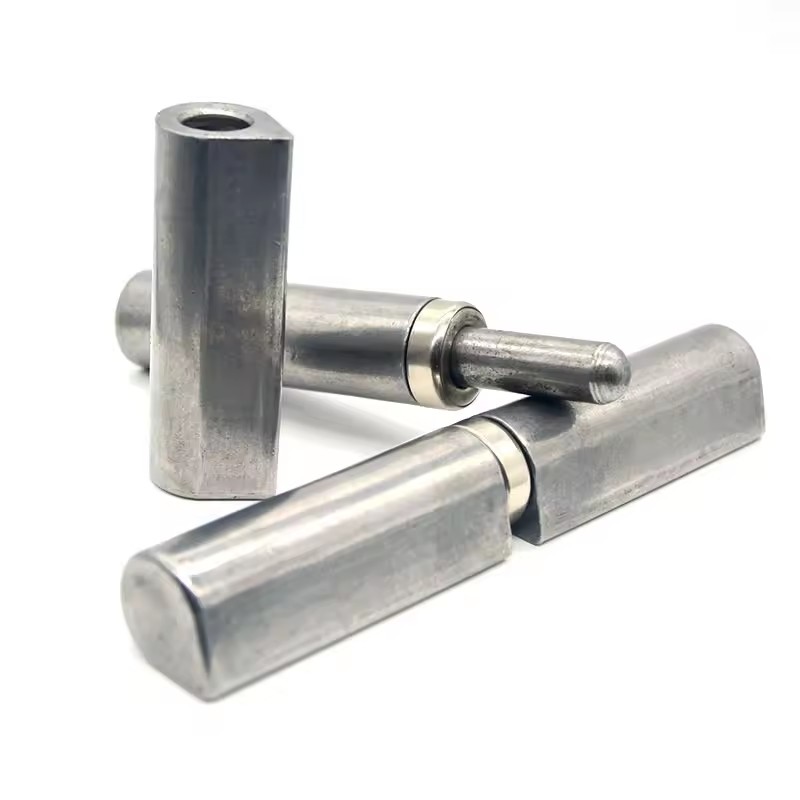
How joint design supports a welding hinge
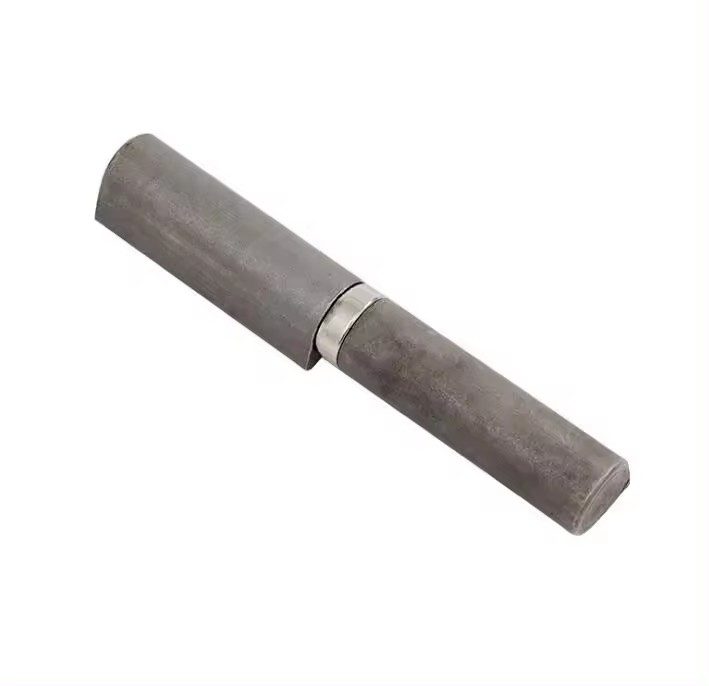
The mounting surfaces create the essential foundation for a dependable welding hinge. STRZ provides stamped hinges crafted from precise, high-grade steel. These are designed for doors, cabinets, gates, and industrial applications. Smooth operation and long-lasting strength remain the primary goals for these products. However, those general uses must align with the exact sheet thickness, the specific interface, and the actual working conditions.
The drawing must clearly display the load path. It needs to indicate which section holds the moving component. It should also map out where every leaf or mounting surface rests. Additionally, it must highlight the gaps that need to stay open after the welding process. A hinge placed on a thin cabinet wall might require a totally different fit-up assessment compared to a hinge on a heavy gate frame. This remains true even if they belong to the same product group.
Load path and mounting surfaces
A distinct load path demonstrates how the hinge pushes force into the metal sheet. You should label the mounting faces and the moving part. Also, mark the necessary clearances that have to stay open. This allows the joint to be evaluated thoroughly before picking a specific weld.
|
Design point |
Why it matters |
Drawing detail |
|---|---|---|
|
Load direction |
Ensures the weld lines up directly with the force hitting the hinge. |
Moving member, mounting face and service direction |
|
Fit-up |
Lowers the chances of shifting in the leaf and barrel placement. |
Datums, mating surfaces and acceptable gap |
|
Access |
Permits easy welding and checking at a consistent angle. |
Torch route, tack locations and inspection access |
|
Mișcare |
Safeguards the pin, the barrel, and the needed space. |
Open position, closed position and functional check |
Where the weld meets the hinge and sheet
Weld access impacts the completed hinge as well as the consistency of the manufacturing process. The joint design must allow the welder to comfortably reach the seam. At the same time, the hinge must stay firmly in place. This should happen without obstructing the pin or the barrel. The drawing must also point out where tack welds can go. Finally, it should explain how the completed weld will undergo inspection.
Fit-up manages the alignment right before the welding arc begins. You need to specify the mating surfaces, the locating datums, and the allowed gap. This ensures the hinge rests in the exact same spot on every single part. The length or size of a weld should match the specific project design and the actual working conditions. It should never just be copied from a completely different hinge.
Fit-up and weld access
Consistent fit-up relies heavily on steady locating points. The manufacturer must be able to access the seam easily. They need to secure the hinge in a fixed spot. Furthermore, they must inspect the weld without moving the pin or the barrel.
For a drawing that demands a highly specific interface, custom made hinges can be carefully evaluated against the door, cabinet, gate, or industrial setup.
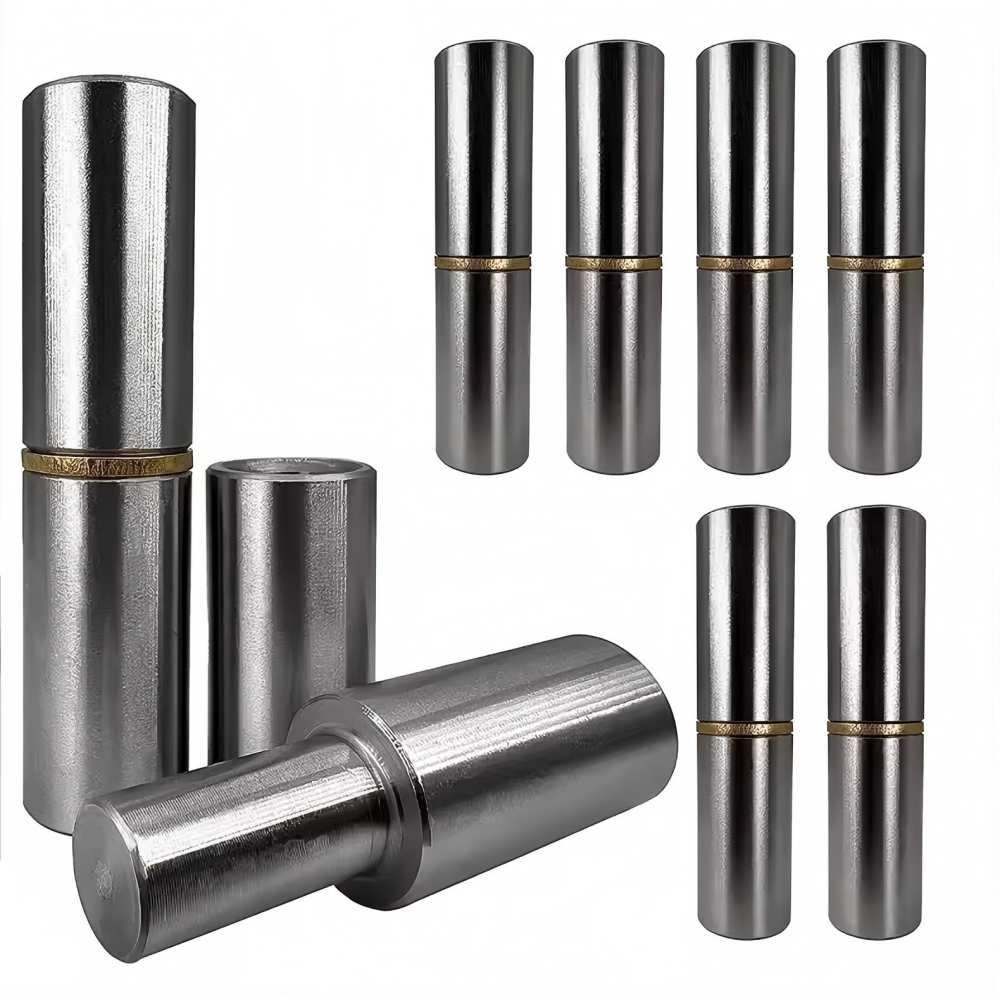
How heat affects movement and alignment
Added heat can easily shift the placement of a sheet-metal hinge. Warping might cause a leaf to bend out of shape. It can also push the barrel away from its correct straight line. Sometimes, it makes the movement feel rough and uneven after the setup is done. These dangers must be addressed during the design review. A simple photo of the product cannot show how a welded unit will actually behave.
The production steps must link holding, tacking, welding, and cooling together. If the design permits, spreading out the welds and utilizing a consistent fixture can greatly help manage overall shifting. The project group must decide which measurements, gaps, and movement tests are mandatory after the welding is finished. This needs to happen before any repeat orders go out.
Application details for doors, cabinets, gates and industry
The specific use dictates the interface that the welding hinge has to handle. A drawing for a door or cabinet needs to display the exact hinge spot and the clearance for opening. A drawing for a gate must illustrate the connection between the hinge and the main frame. Drawings for industrial machinery should clearly state the working interface. They must also note any limits on movement that could affect final approval.
Door and cabinet interfaces
Projects involving doors and cabinets focus heavily on the opening clearance and where the hinge leaves sit. These specific details allow the hinge to provide fluid movement. This prevents it from scraping against the nearby sheet metal.
Gate and industrial interfaces
Gate and industrial setups put a stronger focus on keeping the frame aligned and managing the working interface. You need to display the connection between the welded hinge and the frame. This ensures the final movement can be tested properly in its real setting.
For projects involving gates, the term weld on gate hinges indicates a useful product category. However, the final hinge choice still requires strict approval based on the actual project drawing.
You should never assume that a single hinge setup will work perfectly for every use. Always verify the mounting shape, the condition of the sheet metal, the way it opens, and the needed surface finish for each individual project. These specific facts assist a supplier in choosing or modifying a sheet metal hinge correctly. This prevents a basic product name from turning into an unverified load capacity.
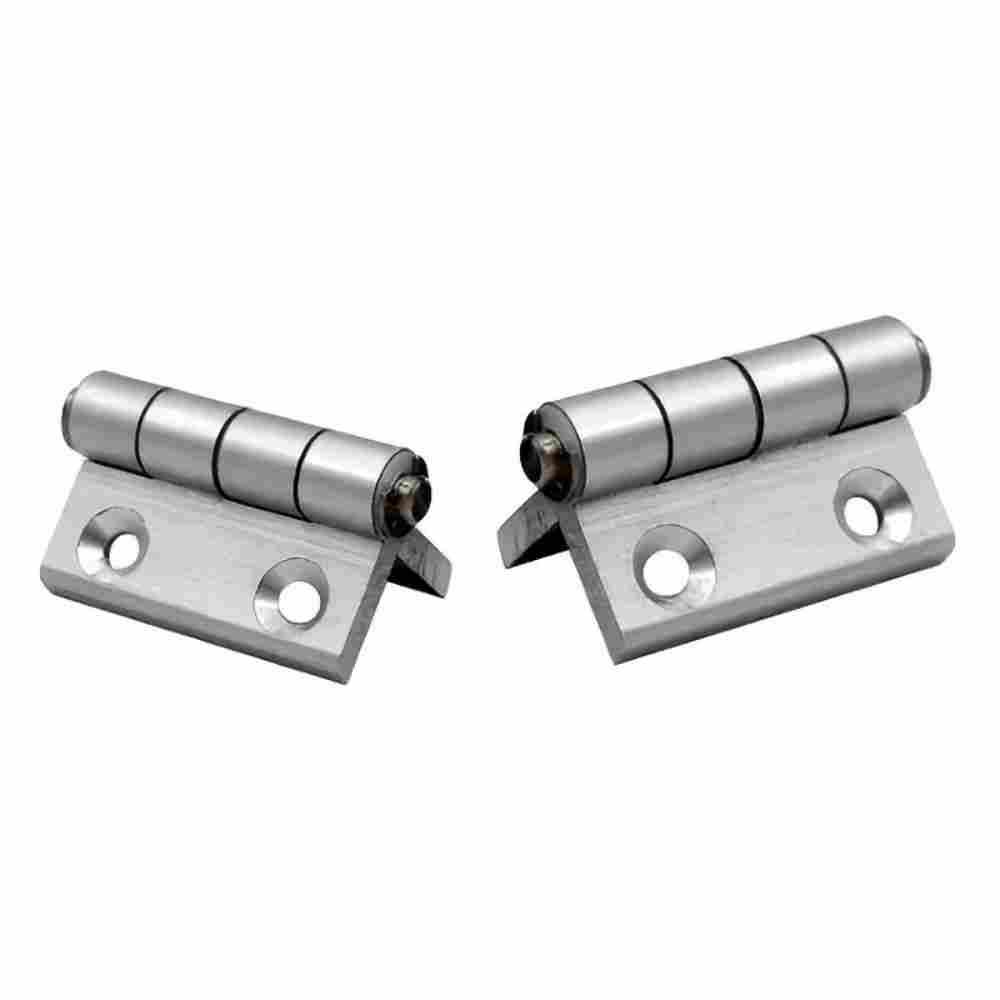
Finishing and inspection for repeatable parts
The finishing process must be part of the joint conversation. This is because it can directly alter access and movement. You must decide if the weld bead will stay visible or get smoothed down. Also, leave enough space for proper cleaning. Make sure to shield the pin, the barrel, and the mating areas from any unwanted material buildup. The surface treatment has to be picked specifically for the project. It should not be viewed as an automatic addition to every welding hinge.
A final release check must link the visual review with the actual working fit. The buyer and the manufacturer can agree on the important tests for the completed part:
hinge position and leaf alignment
barrel alignment and free movement
weld appearance and the specified surface condition
clearance at the door, cabinet, gate or industrial interface
Working with hinge suppliers
When a specific project requires a highly consistent welded joint, evaluating different producători de articulații personalizate can be very beneficial. It allows a buyer to talk about the drawing, the access areas, and the inspection steps well before manufacturing starts.
The practical takeaway
Proper joint design provides a welding hinge with a direct route from the initial drawing to the completed assembly. When factors like load direction, fit-up, access, heat management, finishing, and checking are all planned out together, things improve. The product becomes much simpler to install reliably on a door, cabinet, gate, or industrial surface.
Întrebări frecvente
What should a buyer include on a welding hinge drawing?
You must show the exact hinge spot, the mating surfaces, the material type, the vital clearances, the weld access, and the final finish. Also, include any special operating needs for the project. Finally, explain exactly how the completed assembly will be tested.
Can one hinge design suit doors, cabinets and gates?
A single stamped hinge group might work for doors, cabinets, gates, and industrial tasks. However, you should not expect one exact setup to fit every single project. Always check the mounting shape and the specific working demands for each use.
Why check hinge movement after welding?
Testing the movement is a very practical way to make sure the leaves and the barrel stayed straight after the heat was added. This result must be checked against the approved standards for that exact assembly.
What should be decided about finishing?
You need to agree on the exact surface treatment, how the weld should look, and the space needed for cleaning. Make absolutely sure that the chosen finish keeps the moving and mating parts of the hinge fully functional.
Can joint design be changed after welding?
Any alteration made after the welding is done must be checked against the hinge interface, the movement, and the testing rules. Always review the fit-up, the access, and the finishing steps again before you approve a new joint design.

 Consultaţi
 pe WhatsApp
 Lasă un mesaj
 partea de sus