







Which Furniture Hinge Types Fit Commercial Designs?

Furniture hinge selection becomes easier when the design team stops asking for a generic hinge and starts describing the movement. A display cabinet, kitchen unit, folding table, wardrobe, and retail fixture each needs a different balance of visibility, support, closing feel, access, and repeatability. The right hinge type is the one that makes the intended door behavior easy to manufacture and inspect.
Door Motion Narrows the Hinge Family
Motion is the most useful first filter because it turns a broad hardware search into a controlled design decision. The door may swing, fold, lift, drop, pivot, conceal, or carry a decorative exposed leaf. Once the movement is named, the team can review opening angle, clearance, stop position, hand feel, and the number of hinges needed.
Swing doors need alignment discipline
Standard swing doors usually depend on a stable axis, consistent reveal, and a fixing pattern that holds over repeated use. Furniture hinges for these doors should be reviewed with the actual door size, material, overlay, and frame section. A small dimensional miss can become visible across a row of commercial cabinets.
Folding and lift actions need support logic
Folding, drop-front, lift-up, and support actions place different demands on the hinge. The designer should identify whether the hinge only guides movement or also helps carry the panel in a stopped position. This is where specialty furniture hinges may be more appropriate than a simple butt or concealed cabinet hinge.
Name the movement before comparing finishes or prices.
Check opening angle, stop position, and adjacent-panel clearance.
Use the real door material when approving the sample.
Keep the hinge model, fastener plan, and finish in one record.
Visibility Changes the Design Decision
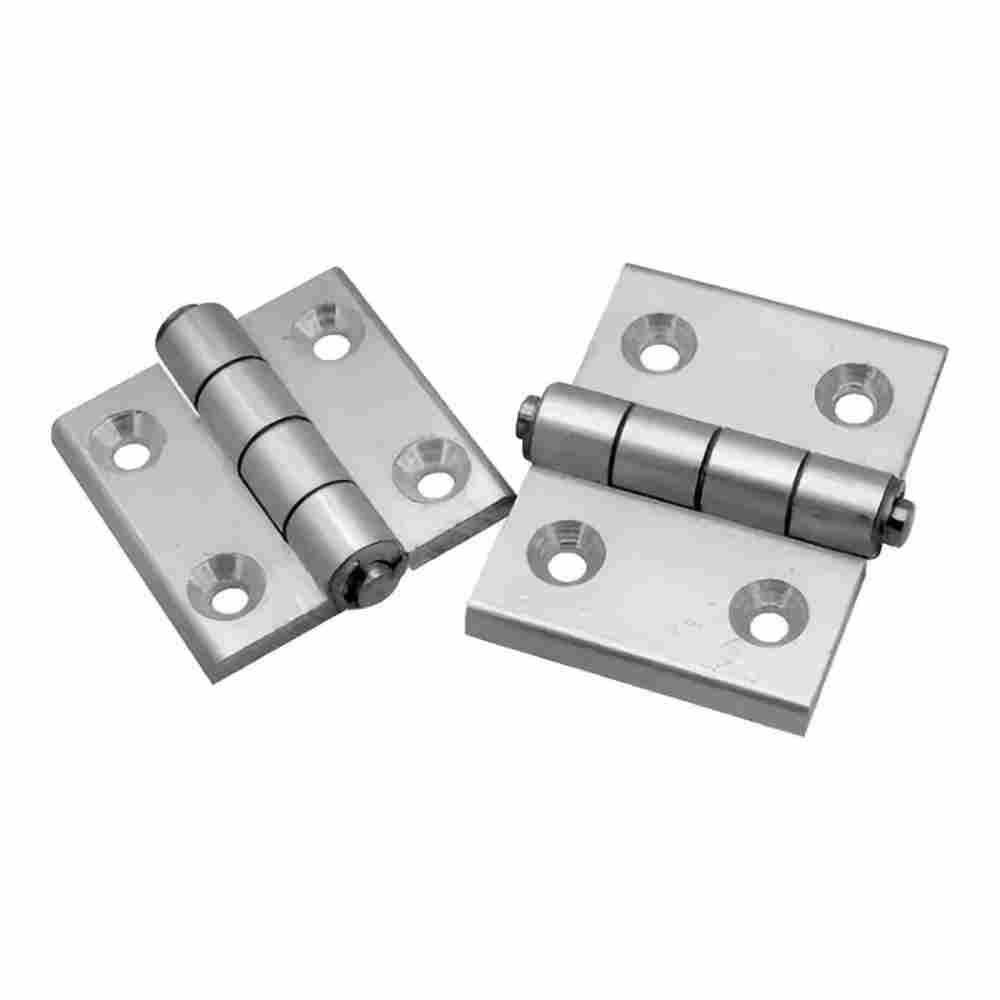
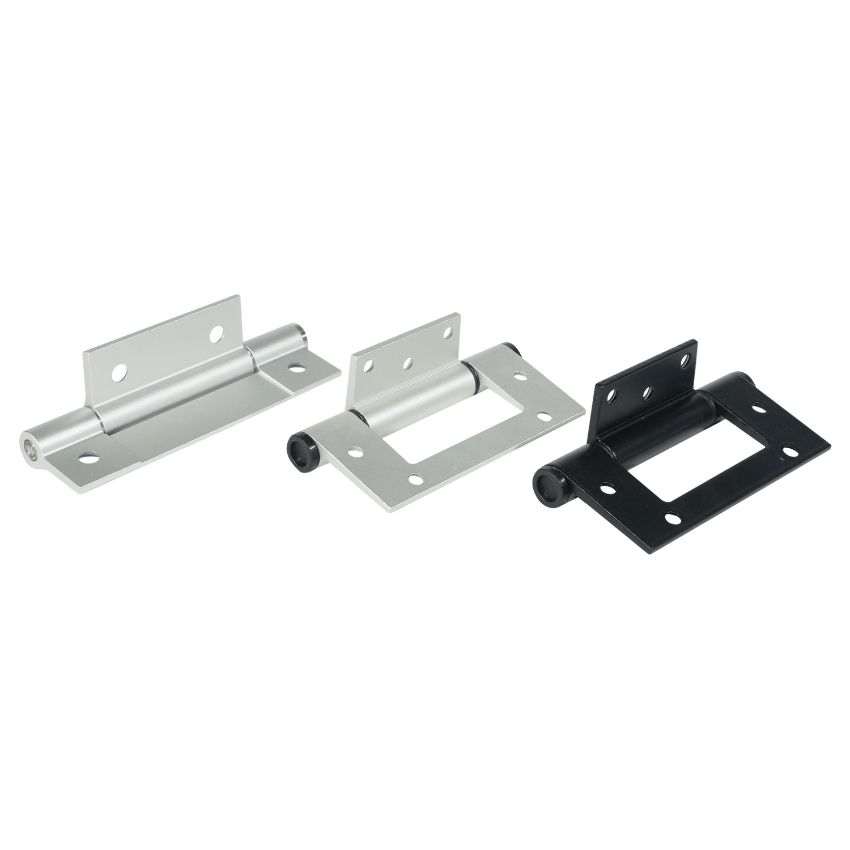
The same hinge function can feel very different when the hardware is hidden, partly exposed, or intentionally decorative. A concealed hinge protects a clean furniture face, while decorative furniture hinges may become part of the product’s visual identity. The design team should judge the installed view, not only the component in a tray.
Concealed hardware protects quiet surfaces
Concealed hinges suit furniture where the door line, finish, and surrounding panels should remain visually calm. The review should check cup depth, door thickness, overlay, opening angle, shelf clearance, and tool access. In commercial programs, these details need sample approval before repeated cutting or drilling begins.
Exposed hardware must earn its place
Decorative or exposed hinges should look intentional after the screws, shadow gaps, and adjacent handles are installed. The selected finish should match the furniture line and withstand normal handling. Different types of cabinet hinges can support different visual goals, but the installed sample decides whether the choice feels coherent.
|
Design need |
Likely hinge direction |
Sample focus |
|
Clean exterior face |
Concealed or compact hinge |
Cup depth and clearance |
|
Visible hardware style |
Decorative or butt hinge |
Finish and screw presentation |
|
Wide or heavy panel |
Heavy-duty or multi-hinge layout |
Sag and screw hold |
|
Folding support |
Specialty support hinge |
Stop position and user feel |
Commercial Programs Need Repeatable Approval
A hinge that works once in a workshop still needs to work across a production run. Commercial furniture teams should approve the drawing, hole pattern, fastener type, finish, packaging, and fitted sample before releasing the order. This gives purchasing, production, and inspection the same reference.
Load and screw hold deserve early attention
Heavy-duty furniture hinges are relevant when door mass, height, use frequency, or impact risk exceeds a light cabinet detail. The review should consider door weight, center of gravity, screw length, pilot hole quality, frame strength, and whether the panel sags after repeated movement.
Model identity prevents silent substitutions
Sunstone Ruize(STRZ) supplies stamped steel hinges for doors, cabinets, gates, and industrial uses, but each commercial furniture program should keep the exact model and drawing revision visible. Specialty furniture hinges are especially sensitive to small geometry changes because movement and clearances depend on the finished assembly.
For buyers comparing cabinet hinges types, the useful decision is not a long list of names. It is a short match between movement, visibility, load, access, finish, and the sample result that the customer has approved.
Packaging should also preserve that decision. Mixed hinge styles, unmarked bags, or loose screws can create assembly errors even when the approved model is correct. A clear carton label, separated accessories, and one reference sample help the production floor keep the selected hinge type connected to the right furniture door during repeat assembly workflows.
The Practical Takeaway
Furniture hinge types fit commercial designs when they are selected around the door’s movement, visible role, load, fixing access, and repeatability. Lock the hinge family only after the sample proves the motion, gap, finish, and screw hold. That approach keeps the article’s decision focused on one problem: choosing hardware that supports the furniture design without creating production surprises.
Send Sunstone Ruize(STRZ) the furniture drawing, door schedule, target movement, visible-finish requirement, quantity, packing needs, and sample criteria. We can review relevant different types of kitchen cabinet hinges or custom options against the exact design rather than a generic hardware name.
Întrebări frecvente
What is the first step in choosing furniture hinges?
Start with the required door movement, such as swing, fold, lift, drop, pivot, or concealed opening. Motion narrows the hinge family before finish or price comparison.
Are concealed hinges always better for commercial furniture?
No. Concealed hinges work well for clean surfaces, but exposed or decorative hinges can be the better choice when the hardware is part of the design.
When should heavy-duty furniture hinges be considered?
Consider them for wider, taller, heavier, or high-use doors where screw hold, sag control, and repeated movement need stronger approval evidence.
Why is a fitted sample important?
A fitted sample shows clearance, gap, opening feel, finish appearance, screw access, and frame strength in the real assembly before the order repeats.
Can one hinge type work across a full furniture range?
Sometimes, but only when door sizes, overlays, materials, movement, and visual requirements stay within the approved model scope. Different products often need separate checks.


 Consultaţi
 pe WhatsApp
 Lasă un mesaj
 partea de sus