





How Do Timber Connectors Improve Wooden Structure Safety
Introducere
A timber frame rarely fails because one beam looks weak on paper. Trouble usually starts at the joint. A joist sits a little loose in its hanger. A rafter tie is replaced with a thinner bracket. A fastener is changed on site because the right box is not there. None of these decisions looks serious in the moment, but they change how load moves through the building.
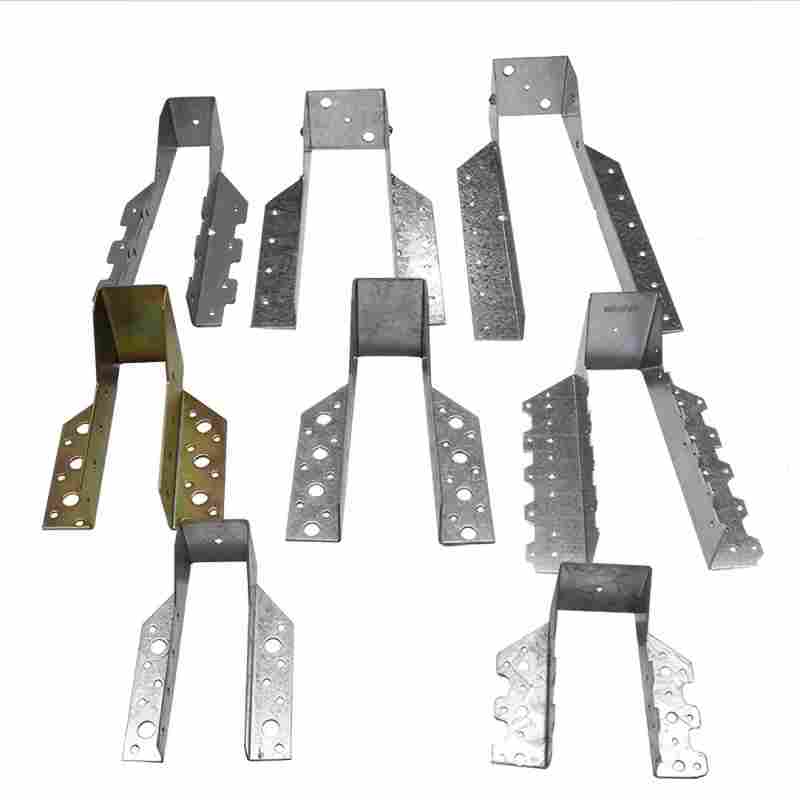
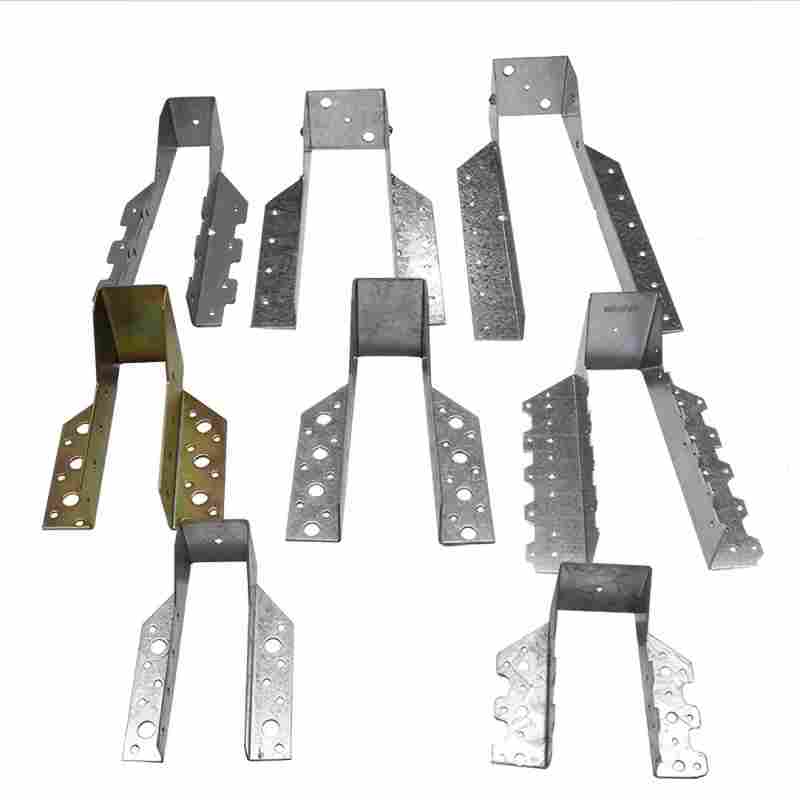
That is why timber connectors deserve more attention in wooden structures, deck framing, roof work, outdoor pavilions, modular units, and commercial wood applications. The connector is small, but it decides whether the timber connection can be checked, repeated, and trusted. Sunstone Ruize(STRZ) supplies galvanized joist hangers, beam hangers, rafter ties, angle brackets, timber plate connectors, timber construction connectors, and custom wood connector parts for buyers who cannot afford vague structural hardware.
How Should Buyers Read a Timber Connector Specification?
The first question is the job of the joint. Some timber connectors carry vertical load. Some resist rotation. Some hold a frame square. Some are mainly used for face reinforcement. A light wood angle connector can be fine for furniture or interior trim. A joist hanger or beam hanger belongs in a different conversation because it supports a member end.
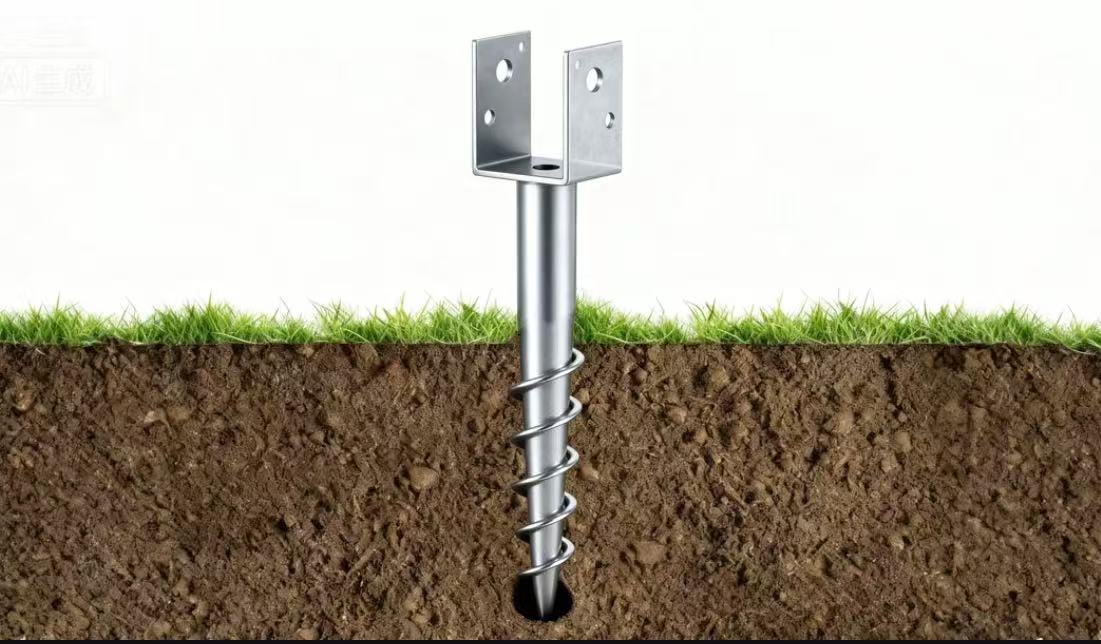
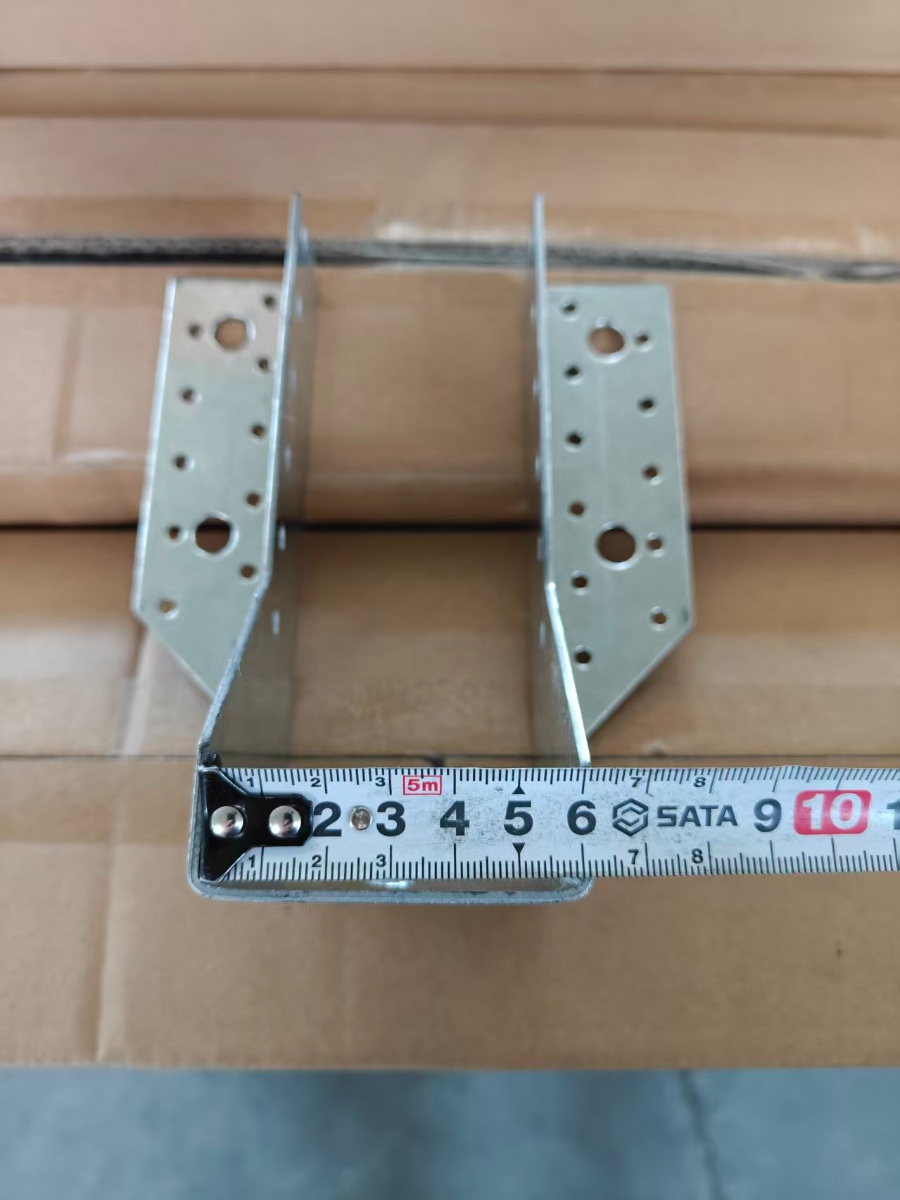
Material and coating should be checked before price. DX51D+Z275 galvanized steel is commonly used for timber connectors, providing reliable corrosion resistance for outdoor and structural applications. The zinc coating helps protect against moisture and rust, while different connector models support load requirements from 500 to 5000N. Standard installation holes are designed for common wood screws, ensuring stable fastening and easier assembly.
Connector Match
Choosing the right timber connector directly affects how safely a wooden structure transfers loads. Joist hangers help secure floor joists and prevent movement, while beam hangers and rafter ties improve the stability of roof and frame connections. Buyers should confirm connector size, steel thickness, hole position, and fastening method according to the timber design. Correct matching reduces connection gaps, prevents uneven stress distribution, and helps maintain long-term structural reliability.
What Goes Wrong During Installation?
The usual problem is substitution. The connector is correct, but the screw is not. The bracket size is close, but the thickness is lower. The hole pattern is there, but several holes are left empty because the timber is hard. These small changes are easy to miss in purchasing, especially when a distributor is trying to match several markets with one stock range.
Galvanized conectoare din lemn should be paired with compatible galvanized screws or nails. Outdoor timber connectors should be selected according to environmental conditions. Projects in humid or corrosive areas may require enhanced galvanization to improve long-term durability. Hardwoods such as oak, birch, and teak should be pre-drilled so the wood does not split around the holes. Pine and cedar are easier to work, but screw length and edge distance still matter.
Finish quality also shows up on site. Burrs can mark the timber and slow handling. Scratched coating around a bend or hole can become a rust point outdoors. For prefabricated timber frames, a clean surface and predictable hole position make the worker’s job easier every day, not just during the first sample check.
How Do Project Cases Change the Buying Decision?
One U.S. residential community project used 10,000 sets of galvanized joist hangers from our supply. The parts passed local building code inspection, and the contractor finished two weeks early because the hangers aligned quickly. In that case, the value was not a fancy feature. It was steady fit, clear fastening, and fewer inspection questions.
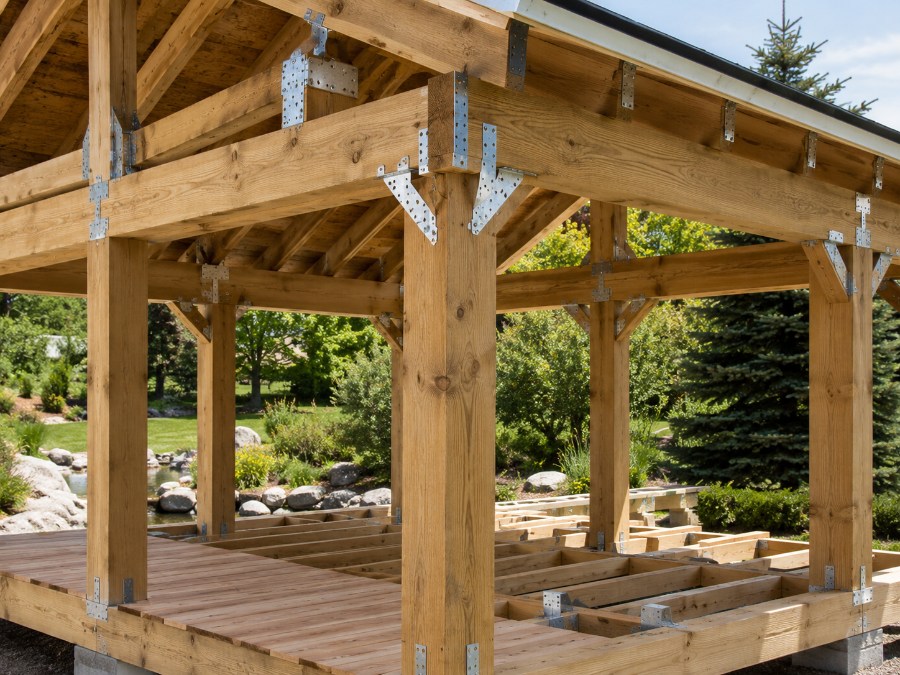
A European garden landscape project tells a different part of the story. Customized galvanized connectors were used in 50 outdoor wooden pavilions. After three years outside, no corrosion or structural loosening was found. One project manager also noted that the custom parts matched special-sized beams and that installation guidance arrived in time. That result matters for resorts, parks, waterfront decks, and public landscape structures, where rain and seasonal movement test timber connections long after the installer leaves.
What Should Global Buyers Confirm Before Placing an Order?
Start with the country and the climate. A buyer working in the United States may need local code documentation and approved fasteners. A European distributor may ask for coating records or relevant product documentation. Coastal projects often need stronger galvanizing because salt air is hard on ordinary steel. Hardware supermarkets may care more about carton labels and retail packs, while bridge, marine, rail, and modular projects may need custom hole positions or vibration-resistant details.
The purchasing file should include timber size, connector thickness, coating thickness, hole diameter, screw or nail type, packaging, and test report requirements. For non-standard timber members, drawings should be checked before production. If the site is highly corrosive, enhanced galvanization up to 100 microns can be discussed according to project requirements.
Concluzie
Timber connectors improve wooden structure safety by turning the joint into something measurable. They support load transfer, control movement, guide fastener placement, and help the structure resist corrosion. For B2B buyers, a reliable wood connector is not an accessory. It is part of the risk control plan for construction, outdoor structures, factories, and commercial timber work.
Întrebări frecvente
Can timber connectors be customized for non-standard beams?
Yes. Custom timber connectors can be produced with adjusted dimensions, revised hole positions, enhanced galvanization, color-coated finishes, anti-slip washers, or shock-absorption pads according to project requirements. Drawings and timber sizes should be confirmed before production.
Do timber connectors require test reports for construction projects?
Structural projects often need batch reports, coating data, and load-bearing information. These documents help contractors, distributors, and inspectors confirm that timber connectors match the intended use and local requirements.
What after-sales support is available for timber connectors?
For qualified product issues, hot-dip galvanized connectors can carry a five-year warranty and electro-galvanized connectors can carry a three-year warranty. Installation guidance and transport damage handling should be confirmed during ordering.
 Consultaţi
 pe WhatsApp
 Lasă un mesaj
 partea de sus