







Mechanical Connectors for Knockdown Furniture
Sending a flat-pack cabinet is generally simple. Still, building it becomes annoying if the joints slide out of place. This issue also creates problems when pieces become loose. Sometimes, they even block the screws.
For furniture importers, distributors, and contract builders, this small hardware item might look like a minor detail. Yet, it strongly impacts how quickly and safely workers build a product. It also changes how easy future repairs will be. Choosing a good solution begins with the specific joint your item requires. Next, you must match the fitting with the correct wood or metal base. You should also think about how much the unit will move. Finally, consider the tools required for the task.
A quick comparison by joint task
This chart helps you find the correct shape early in the process. You can check it before looking at complicated technical blueprints. Naturally, the final fit relies on precise measurements. It also depends on correct hole spots and the specific screws you select.
|
Connector form |
Typical joint task |
Drawing detail to verify |
Common fit risk |
|---|---|---|---|
|
Flat plate |
Connects parts meeting in a straight line |
Plate length, hole spacing and edge distance |
Insufficient edge distance |
|
Angle connector |
Secures a corner or frame joint |
Bend angle, leg size, and screw clearance |
Bend hits a neighboring piece |
|
T connector |
Attaches an intersecting rail to a main support |
Rail placement and weight direction |
Intersecting part moves out of place |
|
Furniture angle |
Offers a small mounting spot inside a cabinet |
Clearance inside the box and screw head access |
Fastener access is blocked |
What a knockdown joint has to do
Flat-pack goods separate into smaller pieces for transport. Later, they connect back together at the buyer’s home or office. A good fitting must line up these wooden or metal parts flawlessly. Also, it needs to keep them stable during daily use. The hardware must allow easy assembly. It should not ruin the boards or the main frame during this process. Taking the unit apart frequently creates another requirement. The joint needs to stay firm when a person moves the unit. It must also hold up when someone replaces a damaged part.
Basic strength does not fully create a firm connection. The angle of the joint matters a great deal. The specific type of wood is also very important. How simply you can access the screws changes the outcome. The step-by-step building method plays a big role too. Because of this, you must review these details using a blueprint. Testing a real prototype is also a smart idea.
Repeated assembly changes the joint requirements
Goods designed for frequent moving need screws that users can reach easily. They also need joints that separate without ripping the wood fibers. Conversely, a large cabinet might sit in one room for many years. In that situation, finding the screws quickly is less important. Having hidden metal parts and a tight corner matters much more. Knowing how the customer will use the item helps you remove bad options early. You can do this step easily before you check various size measurements.
Connector shapes follow the joint
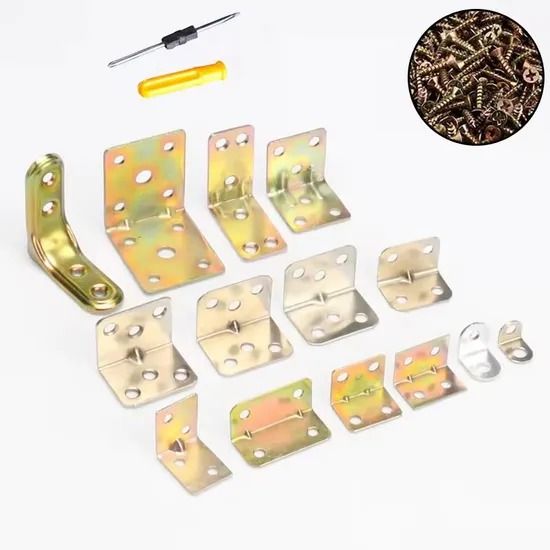
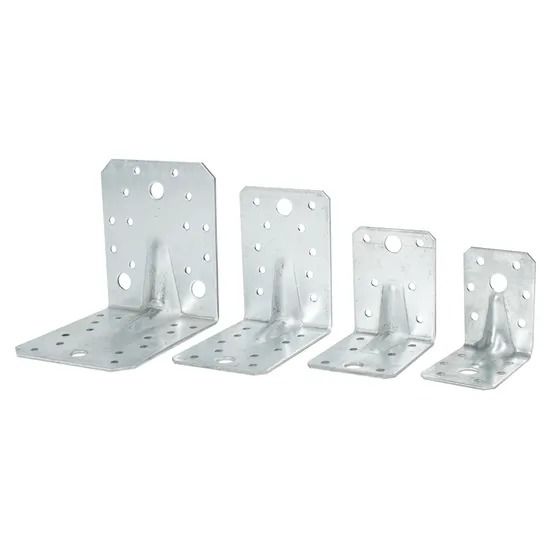
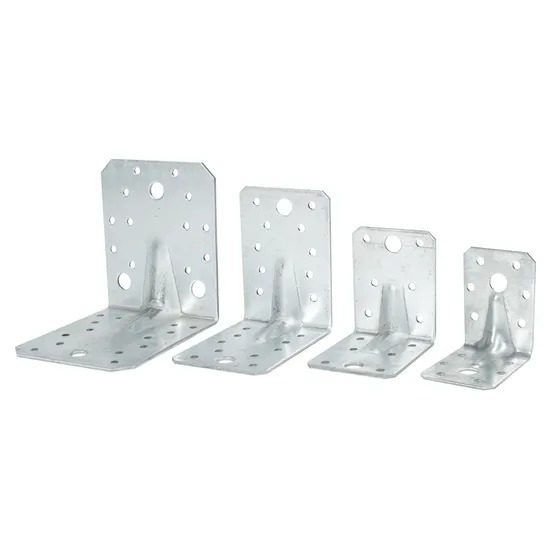
Hardware styles are very easy to evaluate by checking the connecting angles. A flat metal plate secures a straight line. An angled bracket supports a sharp corner. At the same time, a T-shaped bracket holds a crossing board firmly. Finally, furniture angle connectors offer a tiny mounting spot inside a wooden box. You cannot just swap one shape for a different one. This restriction exists for a good reason. Each design places its screw holes and metal bends in a unique way to support weight.
If you wish to see a wide variety of standard designs, explore the wooden connector range. This selection features flat plates, corner brackets, and T-shaped braces. It also contains furniture angle connectors. You can easily match these parts with your exact production plans.
Match the fitting to the material and movement
The specific type of wood or metal determines how you install the hardware. It also sets the maximum limit for direct pressure on the joint. Plywood, solid timber, particleboard, and steel frames grab screws in very different ways. A hole layout that functions perfectly on a thick timber beam might fail completely on a thin panel. It could leave far too little space near the edge. Meanwhile, a screw that is too long might easily punch through a nice painted finish.
Physical movement is equally vital. A stationary wardrobe corner deals with different forces than a folding table. An item built for daily transport takes on even more stress. If buyers will take the unit apart, ensure the screw heads stay easy to reach. Also, check that the chosen screws will survive frequent turning. Mechanical connectors for knockdown furniture work best when you treat them as part of a complete system. You must look at the metal bracket, the screws, and the board layout all at the same time.
The metal material and its outer coating need to match the final environment. STRZ provides many hardware choices in dependable steel. Their catalog highlights Q235 galvanized steel and 304 stainless steel. A standard zinc coating generally works fine for dry living rooms. In contrast, damp bathrooms or areas with high moisture need much better rust defense. You must always verify the exact metal and plating for your selected part. Never guess that a general catalog note covers every single product number.
Prototype fit reveals problems a catalogue cannot
Testing a real physical sample requires using the actual wooden boards. You can also use a proper testing jig. You should never merely look at a loose bracket sitting on a desk. The worker building the prototype can check if the joining surfaces sit perfectly flat. They can also make sure that every screw goes in totally straight. Plus, they will see if the hardware stops another moving part. A tiny error in a metal bend or hole gap can cause massive delays during mass production.
First, write down the exact blueprint version you are using. Next, see if the metal piece lays completely flat. Ensure the drilled holes take the planned screws correctly. You must also check that the angle bends are totally precise. Finally, make sure that standard warehouse handling will not ruin the protective coating. Completing these simple steps changes a quick visual check into a strict quality standard.
Keep specification and packing tied to the part
Managing future orders gets much simpler when you arrange all details correctly. You must link the product code, metal type, finish, size, and hole layout with the approved physical sample. The packing method is equally important to the product’s identity. Boxes must show the item number and total quantity clearly without any confusion. Also, good packing materials must guard sharp edges and painted surfaces during shipping. The number of pieces per carton frequently changes between different hardware lines. Because of this fact, you should always verify the exact count for your chosen item.
Sometimes, regular hardware will not fit a special cabinet design. When this situation occurs, you can ask for a technical review for customized metal products. This evaluation will reveal if a modified hole layout makes sense for production. It can also show if a completely new shape is better.
If you are creating a completely new flat-pack concept, knockdown furniture connectors can pass through a review during an OEM or ODM meeting. This step is highly effective when your technical drawings and usage plans are completely ready.
Before starting mass production, base your final approval on facts that ensure a smooth build process:
Review the connection drawings, the document version, and the board thickness.
Approve the specific screws and one fully finished prototype.
Document the plating type, the inspection rules, and the carton labels.
Summary
The perfect fitting secures the planned connection correctly. It also suits the wood or metal base perfectly. Furthermore, workers can install and service it easily inside the completed product. You ought to compare various designs based on what the joint actually does. Always check the final fit using an accurate physical model. Lastly, link the signed drawings, coating specs, and packaging rules directly to that specific part number. Following this method builds a rigid quality baseline for wholesale purchasing. It strongly boosts the reliability of all your upcoming shipments.
FAQ
What are mechanical connectors for knockdown furniture?
These components are sturdy metal brackets. They link wooden boards or metal frames together after flat-pack delivery. Popular designs feature flat plates, corner braces, and T-shaped mounts. Each specific shape functions best for a certain type of connection.
Can one connector work for every cabinet design?
No, that is not possible. Board thickness, part direction, and hole locations determine if a bracket will work correctly. Screw clearance is also a huge factor. You must verify the hardware against the official blueprints. Following that step, you need to approve a completely finished prototype.
Which finish is suitable for furniture connectors?
You must select the surface coating based on where the item will live. Then, verify that choice for your particular hardware piece. Standard plated steel works wonderfully in dry indoor spaces. On the other hand, areas facing heavy dampness or water drops need a strict rust evaluation.
What should a sample review include?
First, make sure the metal bracket sits totally flat against the wood. Next, verify that the drilled gaps line up perfectly with your selected screws. You must also check that the metal angles match the technical drawings. Finally, ensure the installed hardware does not obstruct nearby moving parts.
Can a connector be adapted for an OEM furniture design?
Yes, certainly. Supplying a technical drawing or an accurate physical sample lets engineers examine the dimensions. They can also check the hole spacing and special bending requirements. You simply need to test the prototype’s fit completely before setting the final production standard.

 Consult
 Whatsapp
 Leave Message
 top