






How to Choose Wood Connector Types for Structural Projects
Introduction
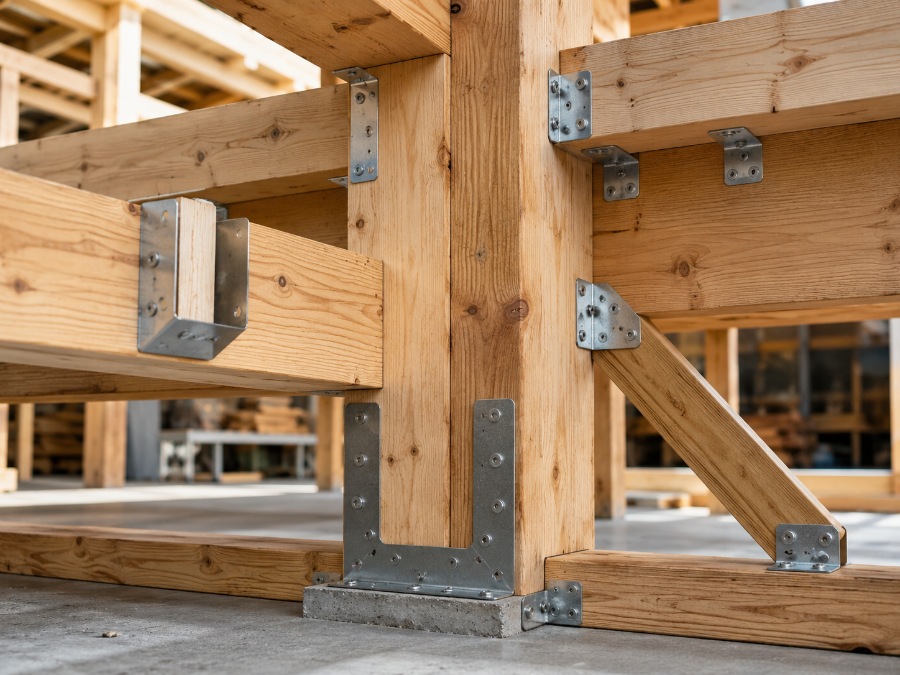
B2B buyers rarely need one generic bracket for every timber project. They need wood connector types that match connection conditions, load direction, member size, finish, packing, and local approval expectations. A product that looks suitable in a photo may still fail to meet project requirements if the thickness, hole pattern, corrosion protection, or installation method is not correctly matched.
For distributors, contractors, and procurement teams, selecting wood connectors requires more than comparing dimensions or prices. Each application, from joist-to-beam connections to post supports, requires specific specifications and quality checks. This guide explains the main connector types and the key factors buyers should consider before sourcing.
Start With Connection Requirements Before Selecting Products
Wood connectors should be selected from the connection condition first: joist to beam, rafter to plate, post to base, plate to plate, or angle reinforcement. This keeps the buyer from comparing unrelated timber connectors only because the dimensions look similar.
Connector selection also depends on whether the structure is indoor, outdoor, decorative, or load-bearing. Current buyer intent focuses on hanger style, fastener compatibility, corrosion protection, and whether the item is appropriate for solid-sawn lumber, engineered wood, or timber posts.
Core Wood Connector Families
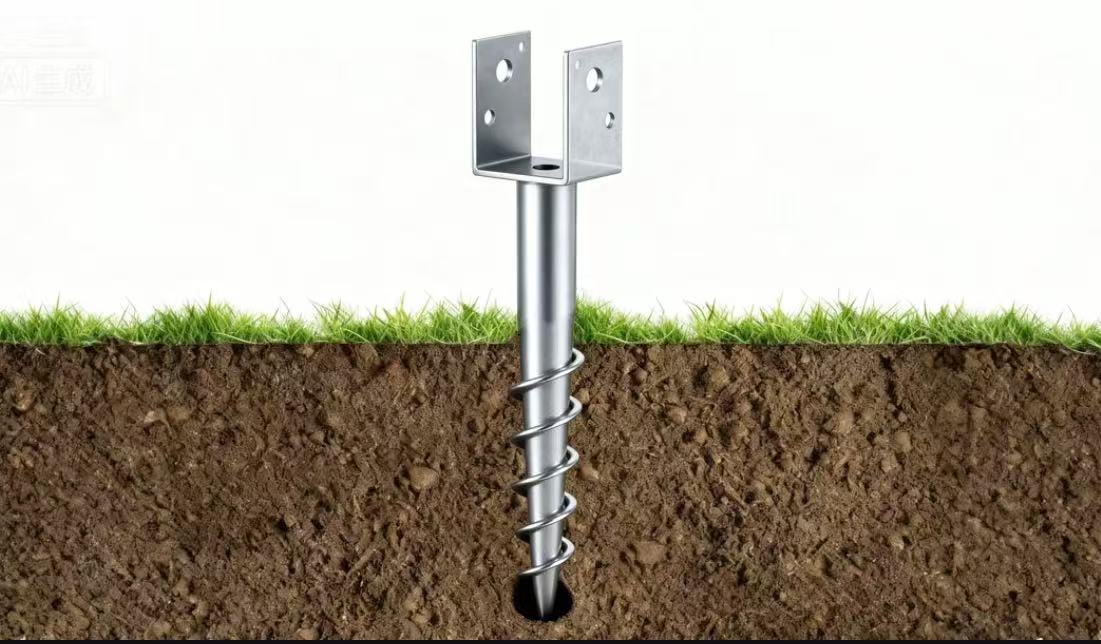
Sunstone Ruize(STRZ) supplies galvanized steel wood connectors including joist hangers, rafter ties, beam hangers, angle brackets, flat connectors, plates, post supports, and pillar bases. These families should be treated as different engineered parts rather than interchangeable metal shapes.
Where Joist Hangers Need Extra Care
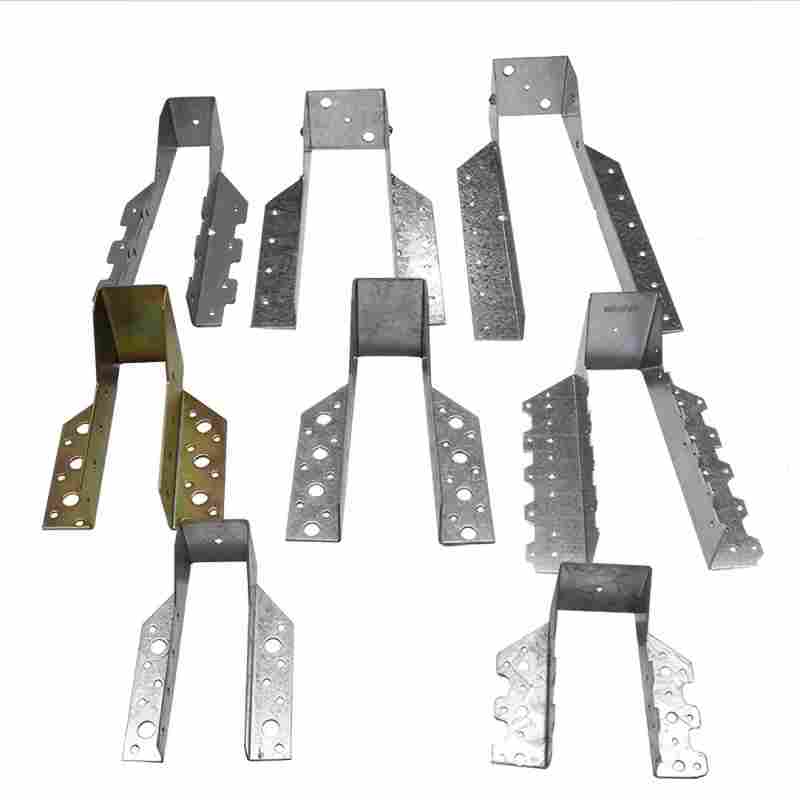
Joist hangers require more than a width and height match. The buyer should confirm hanger type, supported member, carrying member, hole pattern, fastener plan, finish, and whether the project needs a documented load or certificate for a specific model.
Compare Common Connector Types
A practical comparison reduces quotation errors when several wood connector types appear in the same construction program. Procurement teams should group wood connectors by use case, then compare material, coating, hole pattern, and packing only within the same family.
|
Connector family |
Typical role |
B2B checks |
|
Joist hangers |
Support floor or roof joists at a beam or ledger |
Member size, hanger style, fastener holes, finish, certificate scope |
|
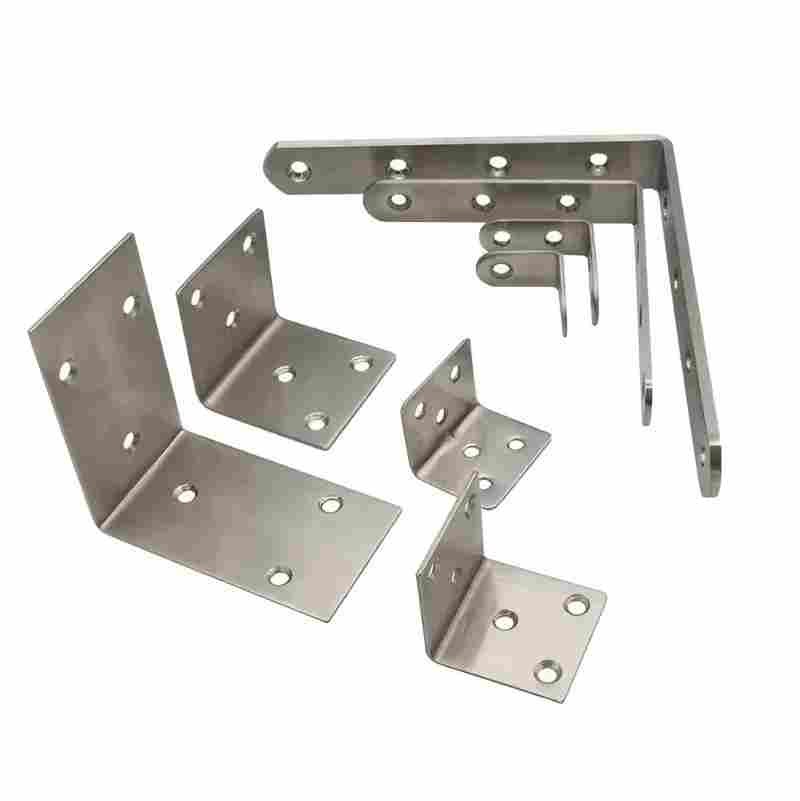
Angle brackets |
Reinforce corner or frame connections |
Thickness, bend accuracy, hole pattern, zinc finish |
|
Flat connectors and plates |
Join or reinforce members in one plane |
Length, width, hole layout, carton packing |
|
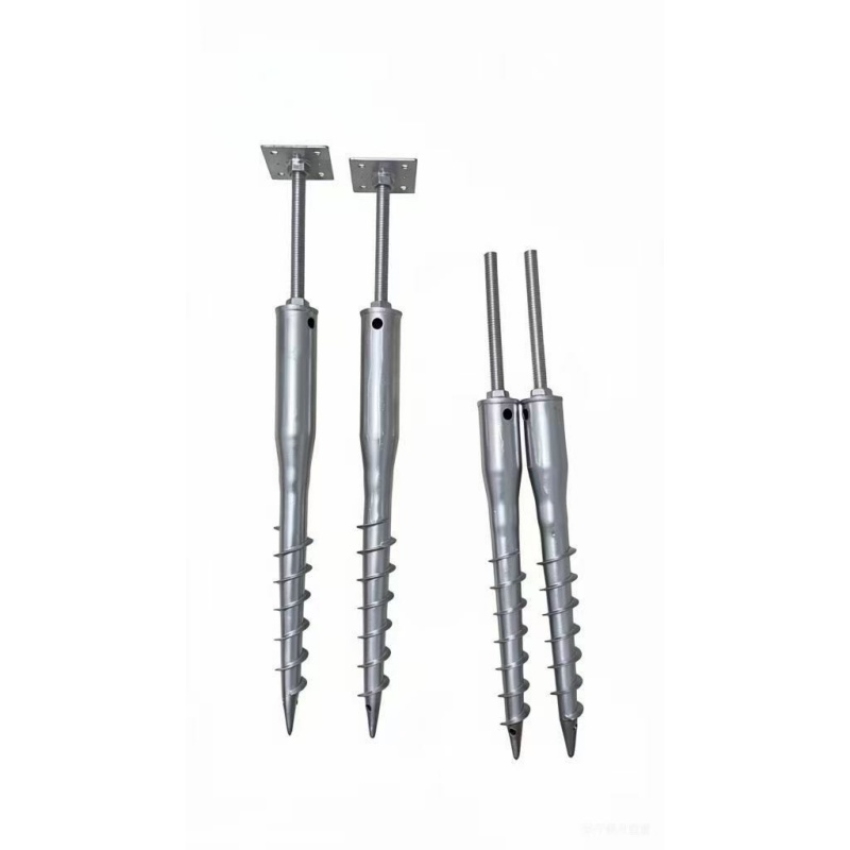
Post supports and pillar bases |
Connect timber posts to bases or anchors |
Post size, uplift/lateral demand, galvanizing, drawings |
Sunstone Ruize(STRZ) product data includes Z275, ZP, galvanized sheet, and penetration galvanizing across different timber connectors. Buyers should keep finish requirements attached to the exact article number because corrosion planning and export documentation can vary by item.
Use Specifications That Buyers Can Audit
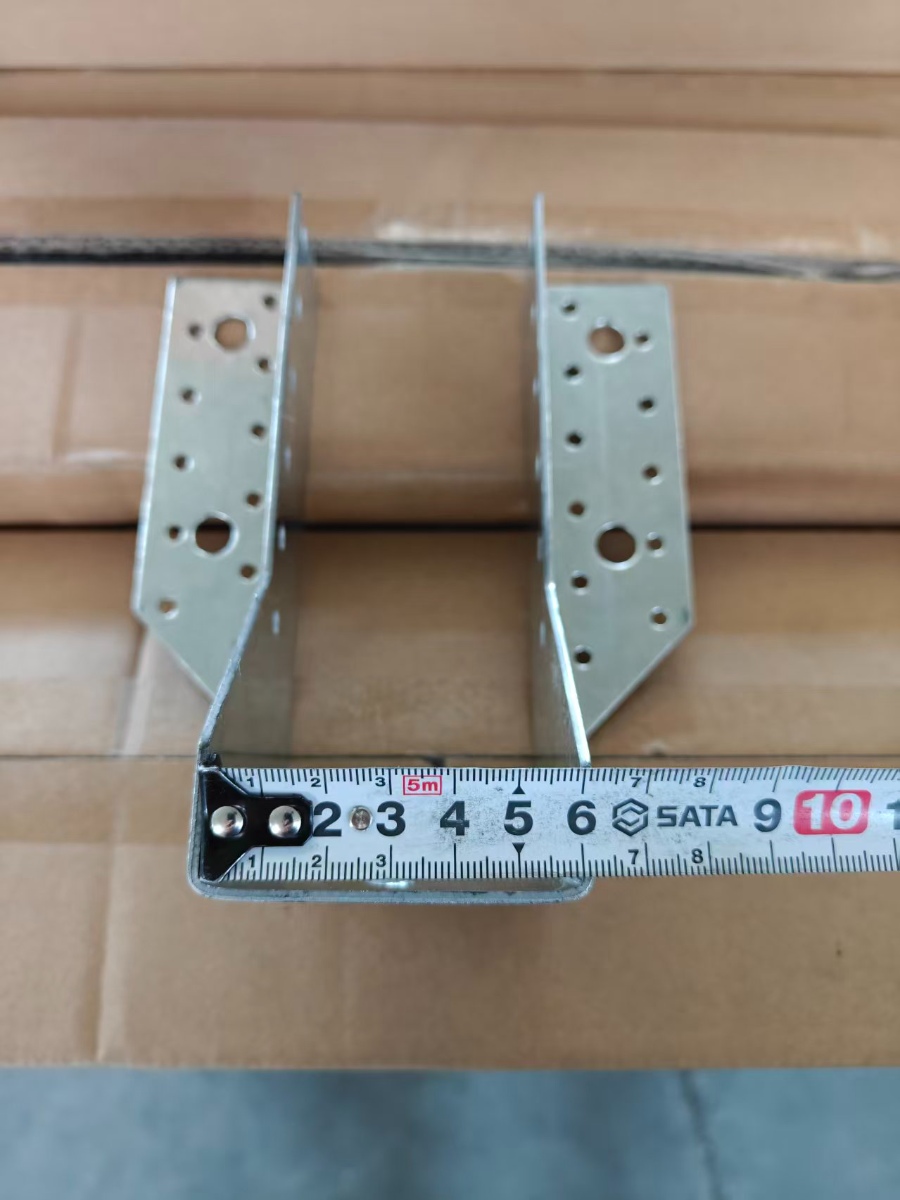
Specification tables help distributors and contractors compare structural timber connectors without relying on product photos. Sunstone Ruize(STRZ) catalog examples include wooden connector ST71001 at 120x120x35x2 with Z275 finish and joist hanger ST7007 at 100x100x2.0 with Z275 finish.
Buyers should confirm the exact model, market, and document scope before using any certificate in a project file. This is especially important when wood connectors are shipped to regions with different construction rules.
|
Example item |
Verified specification |
Use in sourcing |
|
ST71001 wooden connector |
120x120x35x2, Z275, 0.13 kg/pc |
Reference for small galvanized wood connectors |
|
ST74850 wooden connector |
105x105x90x2.5/3.0/2.5, Z275 |
Reference for heavier corner connector discussion |
|
ST7007 joist hanger |
100x100x2.0, Z275 |
Reference for joist hanger size comparison |
|
ST7833 wooden connector |
Type U 60x60x4.0, penetration galvanizing |
Reference for U-type timber connector requests |
Check Fastener and Finish Compatibility
Fastener choice is part of the connector design, not an afterthought. Industry guidance for joist hangers and wood construction connectors consistently warns that specified fastener type, quantity, hole use, and finish affect the published performance of the connection.
1.Match screw or nail finish to the connector finish when the project specification requires corrosion compatibility.
2.Ask whether load-rated connector items require available test reports, certificates, or installation documents
3.Keep decorative connector categories separate from load-bearing joist hangers in the RFQ.
Inspection planning should follow the connector family instead of using one checklist for all stamped parts. Wood connectors may need checks for bend angle, burr control, hole position, coating coverage, carton labeling, and pallet protection, while joist hangers also require closer review of seat dimensions and fastener-hole consistency.
Commercial comparison should keep samples, drawings, and documents tied to the same article number. Timber connectors that look similar in photos can differ in thickness, zinc coating, hole pattern, and intended member size, so buyers should approve the sample and packing method before treating a quotation as production-ready.
Build an RFQ Around Real Procurement Risks
A complete RFQ for wood connectors should include drawings, material, finish, thickness, hole diameter, packing, annual forecast, destination market, and any certificate expectations. Missing details usually lead to slow clarification, incorrect samples, or quotations that cannot be compared fairly.
Quotation comparisons should also identify the drawing revision, approved sample version, carton label, and inspection record expected for each item. These controls help procurement teams keep technical approval aligned with the exact goods released for shipment.
For mixed programs, split timber connectors by family before pricing. Structural timber connectors, decorative brackets, and joist hangers often require different inspection points even when they are all made from galvanized steel.
Conclusion
Selecting the right wood connector types requires matching structural needs, material specifications, finish requirements, and project conditions. A clear RFQ process and verified product details help buyers reduce sourcing risks and build reliable timber connection solutions.
Send Sunstone Ruize(STRZ) your drawings, target finish, member sizes, destination market, and packaging needs. Our team can help compare joist hangers and related connector categories before you move to samples or bulk sourcing.
FAQ
What connector categories matter for B2B sourcing?
The main wood connector types include joist hangers, angle brackets, rafter ties, beam hangers, flat plates, post supports, and pillar bases. Each family needs separate specification checks.
How should buyers choose joist hangers?
Buyers should choose joist hangers by supported member size, header condition, load direction, fastener plan, finish, certificate scope, and installation environment.
Can Sunstone Ruize(STRZ) customize structural timber connectors?
Sunstone Ruize(STRZ) can support customized structural timber connectors when buyers provide drawings or requirements. The review should cover tooling, tolerances, finish, packing, and inspection points.
What should be confirmed before bulk ordering?
Before bulk ordering, confirm article number, size, material, finish, hole pattern, fastener compatibility, packing, documents, sample approval, and destination-market requirements.
 Consult
 Whatsapp
 Leave Message
 top
top