







El papel de un conector de madera en la mejora de la capacidad de carga conector de madera
En la construcción y fabricación de muebles de madera actuales, la seguridad de una estructura va mucho más allá de la resistencia de sus materiales. En cambio, a menudo se basa en la firmeza de cada unión. Los ingenieros y constructores suelen encontrarse con un problema clave con configuraciones de carga complejas. ¿Por qué los clavos o tornillos básicos tienen dificultades para gestionar por sí solos los cambios de tensión continuos? La solución proviene de métodos de unión mejorados. La aplicación estratégica de conectores de madera Garantiza que las uniones permanezcan seguras. Un conector de madera maciza no solo une piezas de madera, sino que también distribuye las cargas de manera uniforme. Además, aumenta la capacidad de la estructura para soportar peso. Al utilizar con criterio diferentes tipos de conectores de madera, los diseñadores pueden asegurar un soporte estable incluso en condiciones difíciles.
¿Qué es un conector de madera y por qué es fundamental para la integridad estructural?
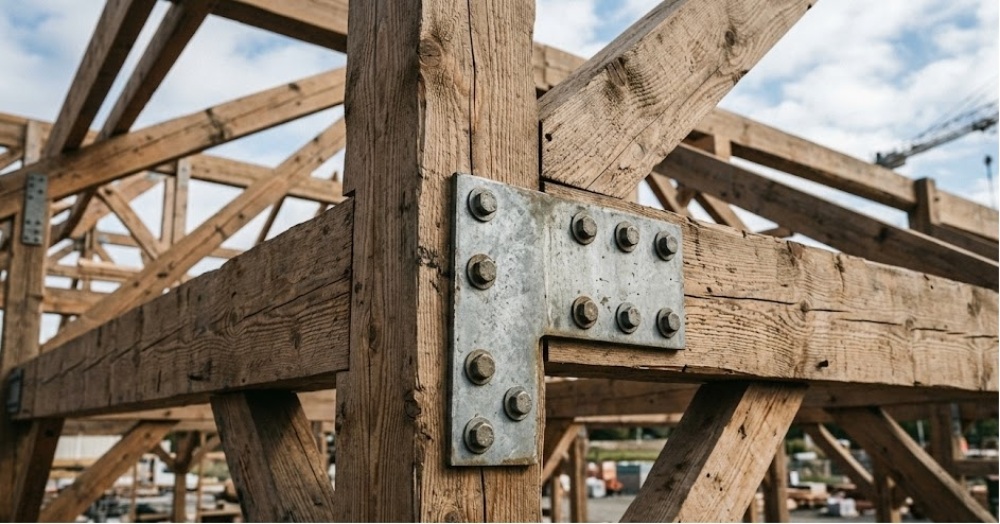
En la construcción, un conector de madera es una pieza metálica especial que refuerza elementos de madera como vigas, cerchas y postes. La madera, al ser un material irregular, tiende a agrietarse o romperse fácilmente por cizallamiento en las juntas. El objetivo principal de estos conectores es compensar la baja resistencia al cizallamiento de la madera mediante una fijación firme.
Las fallas estructurales suelen ocurrir en puntos de alta concentración de tensiones. Cuando una estructura de madera se enfrenta a cargas móviles, como viento, terremotos o el paso de personas, las uniones sufren una combinación de fuerzas de tracción, deslizamiento y torsión. Si no se utiliza un conector de madera adecuado, estas presiones impactan directamente sobre las fibras de la madera, provocando su rotura. Los buenos conectores aumentan considerablemente la resistencia de la estructura, ya que transfieren la tensión de la superficie de la madera a una base metálica más resistente.
¿Cómo contribuyen los diferentes tipos de conectores de madera a la distribución de la carga?
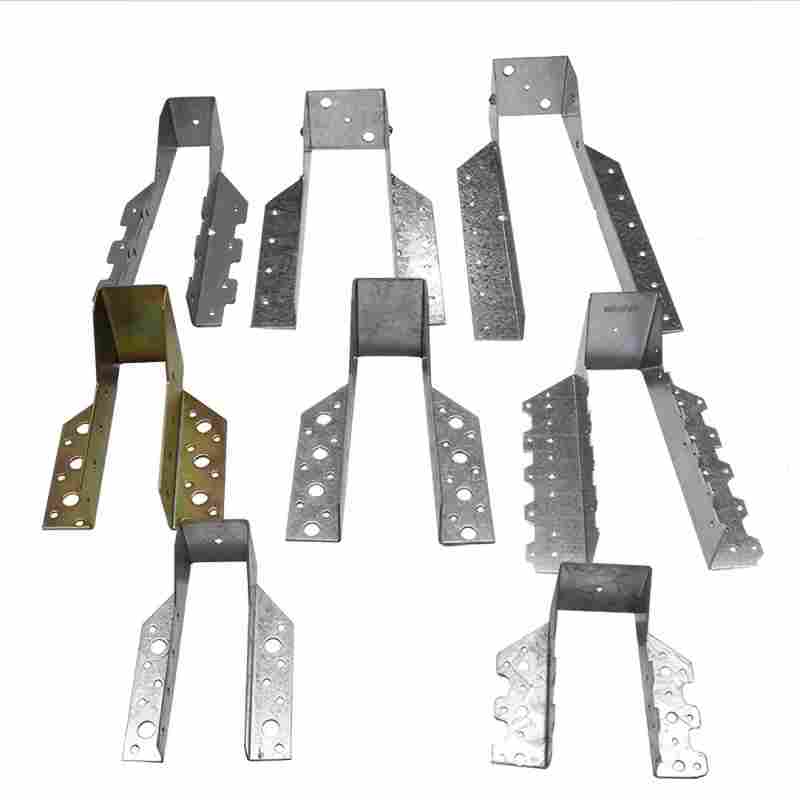
En el mercado existen muchos tipos de conectores para madera. Cada uno ofrece una funcionalidad mecánica específica según la aplicación. Los agrupamos según su uso en la construcción, como se muestra a continuación.
|
Tipo de conector |
Función principal |
Contribución de soporte de carga |
|
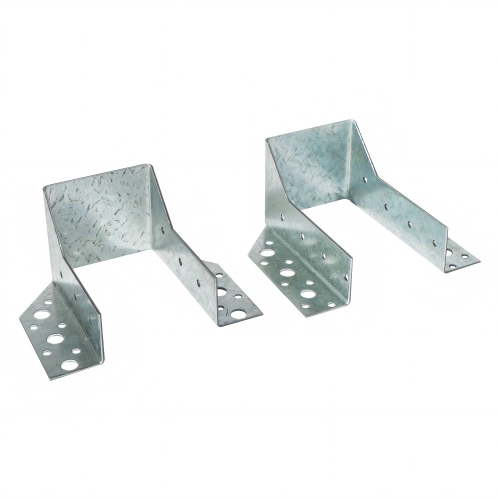
Joist Hangers |
Soporta vigas de madera horizontales, sometidas a esfuerzos cortantes verticales. |
Garantiza un ajuste perfecto entre las viguetas y los apoyos de las vigas, evitando el hundimiento. |
|
Corbatas Rafter |
Refuerza las conexiones entre las cerchas del techo y las paredes. |
Resiste las fuerzas de elevación causadas por vientos fuertes. |
|
Soportes de ángulo |
Asegura las intersecciones verticales y horizontales. |
Mejora la rigidez estructural general, evitando el desplazamiento lateral. |
|
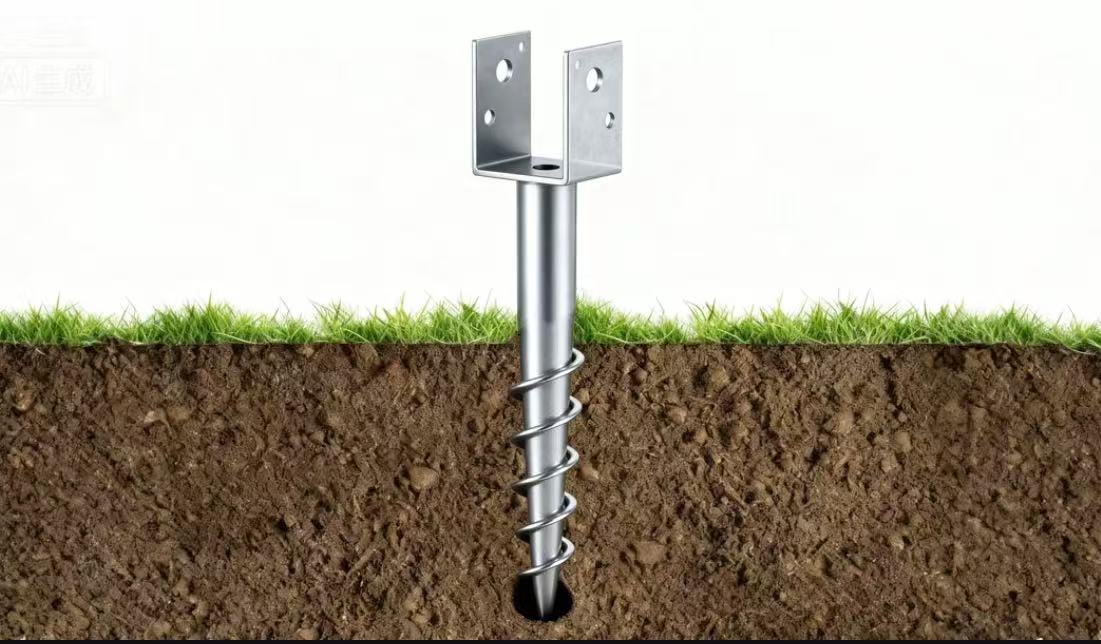
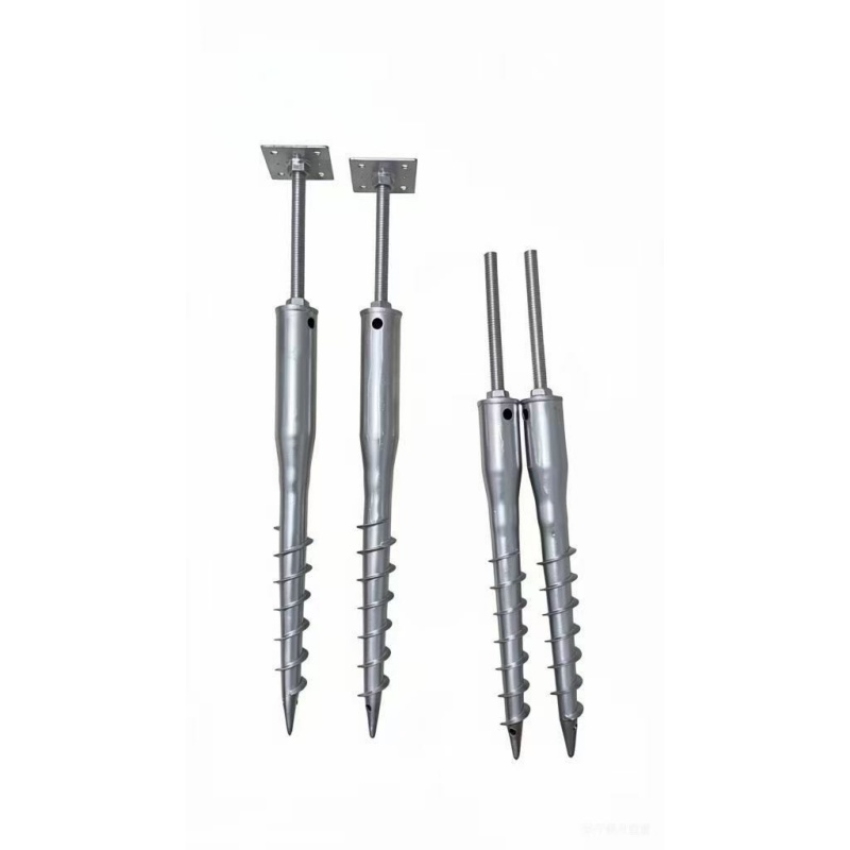
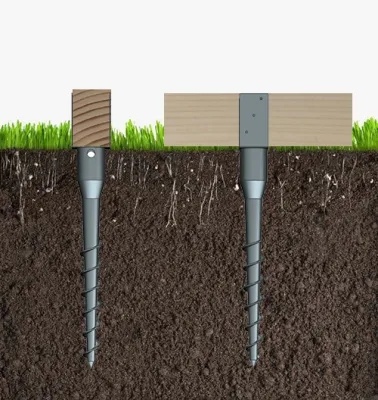
Anclajes Post |
Fija la parte inferior de los postes de madera a los cimientos de hormigón. |
Previene el desplazamiento de postes y la corrosión del fondo. |
Estos tipos de conectores de madera trabajan juntos para crear una configuración completa de manejo de carga. Por ejemplo, en grandes proyectos comerciales de madera, los conectores estándar soportes para vigas para madera de dimensiones completas Ayudan a lograr un ajuste perfecto. También permiten a los constructores distribuir la presión de manera uniforme en cada punto clave. Esto se consigue calculando su resistencia al corte con antelación.
¿Por qué debería priorizar un conector de esquina de alta calidad para madera?
En las estructuras de entramado, las esquinas son las que soportan las mayores fuerzas de torsión. Un conector de esquina robusto para madera es esencial para evitar el bamboleo. Cuando los edificios de madera soportan cargas laterales, la presión en las esquinas se manifiesta como tracción y deslizamiento sobre el conector.
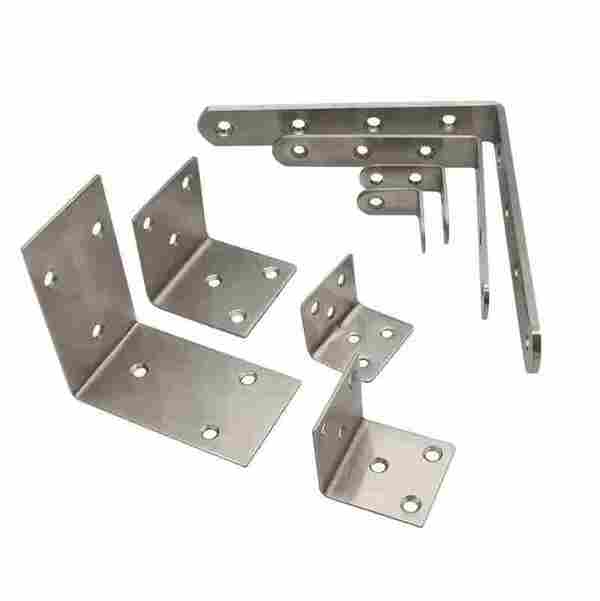
Un conector de esquina fiable para madera ofrece un soporte firme. A diferencia de la soldadura básica, este tipo de conector aumenta la superficie de contacto entre la madera y el metal gracias a sus curvas de forma inteligente. Fabricados por STRZ, estos conectores de acero al carbono de alta calidad con recubrimiento de zinc por inmersión en caliente resisten eficazmente los desplazamientos laterales. Al mismo tiempo, mantienen una gran capacidad de carga. En caso de sacudidas laterales repentinas, como terremotos, este tipo de conector de esquina para madera ayuda a absorber la energía y proporciona soporte.
¿Cómo mejora la capacidad de carga general la selección adecuada de conectores?
Elegir el conector de madera adecuado va más allá de simplemente sujetar piezas. Busca mejores resultados mecánicos. En proyectos reales, las características del material determinan la eficacia de la unión.
- Resistencia a la corrosión de los recubrimientos galvanizadosEn las estructuras de madera, los conectores metálicos son propensos a la erosión causada por sustancias ácidas presentes en la madera o por la humedad externa. Los conectores con recubrimientos galvanizados en caliente de alta calidad evitan que la corrosión debilite continuamente su capacidad de carga.
- Importancia de la precisión de los agujerosLos conectores de madera estandarizados presentan patrones de orificios calculados. La correcta colocación de los pernos o clavos evita que la madera se agriete y garantiza que las cargas se transfieran a lo largo de las trayectorias de tensión previstas.
- Conectores de madera y metalson esenciales en la construcción moderna. Selección de acero de alta calidadEn comparación con el acero de construcción común, los conectores de grado estructural suelen utilizar materiales con mayor límite elástico, lo que garantiza que no se produzca ninguna deformación física permanente bajo carga máxima.
Por ejemplo, los conectores de madera de acero galvanizado de STRZ mantienen su resistencia con el paso del tiempo, incluso en zonas de construcción difíciles. Estos elementos cumplen con las normas de seguridad para estructuras. Además, facilitan el trabajo en obra gracias a sus diseños listos para usar. Esto garantiza uniones sólidas en las juntas de gran tamaño de la construcción.
¿Cuáles son las mejores prácticas que se deben seguir durante la instalación?
Comprar un buen conector de madera es solo el comienzo. Una configuración adecuada es clave para aprovechar al máximo su capacidad de carga.
- Siga las instrucciones de diseño.Asegúrese de utilizar los elementos de fijación especificados (como pernos o tornillos estructurales que coincidan); no utilice clavos de hierro comunes indiscriminadamente, ya que esto reduce la resistencia general de la conexión.
- ImpermeabilizaciónCuando se construye en ambientes húmedos, se recomienda agregar juntas impermeables entre el conector de esquina para madera y la superficie de madera para evitar la corrosión electroquímica causada por la humedad dentro de la madera.
- Comprobar la alineaciónLos componentes deben estar perfectamente alineados durante la instalación; está estrictamente prohibido utilizar conectores para forzar la unión de las piezas de madera, ya que esto provoca daños por pretensado y reduce la capacidad de carga de la estructura.
Conclusión
En resumen, la capacidad de carga de una estructura de madera depende de algo más que la composición de la madera. También depende del buen funcionamiento de las uniones en todo el sistema. Al conocer los distintos tipos de conectores de madera y elegir los adecuados según las necesidades de carga, los constructores pueden mejorar considerablemente la firmeza y la seguridad de la estructura. Para puntos clave, seleccionar un conector de esquina para madera con buena resistencia a la corrosión y un límite elástico elevado es una decisión acertada. Esto ayuda a garantizar la seguridad y la fiabilidad a largo plazo de las construcciones de madera. Esto aplica tanto para reparaciones básicas de muebles como para la construcción de estructuras complejas para negocios. En todos los casos, los sistemas de unión de herrajes de alta calidad son los que mantienen la estabilidad.
Como fabricante de confianza en este sector, STRZ se especializa en ofrecer a compradores de todo el mundo soluciones sólidas para la unión de metal y madera. Garantizamos que cada unión de su proyecto sea firme y resistente. Contáctenos para obtener consejos de expertos y asistencia técnica.
Preguntas frecuentes
P: ¿Por qué los conectores profesionales para madera son más seguros que las simples uniones de espiga y mortaja en las estructuras de madera?
A: Las uniones de espiga y mortaja tienen un gran valor histórico. Sin embargo, para soportar grandes cargas en las construcciones actuales, los conectores de acero y madera ofrecen resultados fiables. Proporcionan datos de peso precisos y una mejor resistencia a los terremotos. Se ajustan mejor a las normas de construcción actuales. Además, las piezas de acero soportan mejor la dilatación y contracción de la madera debido a los cambios climáticos.
P: ¿Cómo puedo distinguir los niveles de carga de los diferentes tipos de conectores de madera?
A: Los niveles de peso suelen depender del espesor de la placa, denominado valor S. También dependen del método de recubrimiento, como el galvanizado en caliente o el galvanizado electrolítico. Las pruebas de tracción también proporcionan datos clave. Para elegir una, consulte la tabla de carga en la guía del producto. Seleccione los tamaños que se ajusten a sus cálculos de tensión.
P: ¿Existen requisitos especiales para el uso de conectores de esquina para madera en proyectos al aire libre?
A: Elija conectores con tratamiento de zincado por inmersión en caliente. Esto crea una gruesa capa de zinc que resiste la lluvia, la lluvia ácida y los productos químicos agresivos. Mantiene la estabilidad del sistema de unión durante un uso prolongado en exteriores.
P: ¿Puedo modificar los conectores de forma privada si las dimensiones de los elementos de madera existentes no coinciden?
A: Evite cortar o soldar conectores por su cuenta. Modificar su tamaño o la disposición de los orificios altera la distribución de la tensión prevista, lo que reduce rápidamente su capacidad de carga y conlleva grandes riesgos. En su lugar, compre conectores para madera que se ajusten directamente a las dimensiones de su madera.
P: ¿Existen herramientas específicas necesarias para instalar los conectores STRZ?
A: Para una instalación más rápida y resistente, utilice primero fijaciones estructurales compatibles. Además, opte por herramientas que controlen el par de apriete, como llaves dinamométricas a batería. Estas garantizan que los pernos se aprieten correctamente, evitando daños en la madera por exceso de fuerza o un ajuste deficiente.
 Consultar
 Aplicación Whatsapp
 Dejar mensaje
 arriba