







When Do Ground Screw Foundations Fit Outdoor Structures?

Ground screws can make a deck, garden room, walkway, or small utility structure easier to schedule when excavation, spoil, and concrete curing are the main constraints. They still need a suitable soil profile, a defined load path, an approved post interface, and a controlled installation record. The decision is about the whole foundation method, not a quick comparison of loose steel prices.
The Structure Defines the Foundation Demand
An outdoor structure transfers more than its dead weight into the ground. Wind uplift, lateral movement, occupant loads, snow, uneven framing, and eccentric posts can all change the support reactions. Before selecting a ground screw foundation, mark the grid, member sizes, support spacing, height, exposure, and any concentrated loads such as stairs or roof edges.
Identify the supports that carry the risk
Corner posts, beam ends, stairs, and edge supports often need a closer look than regular interior points. A ground screw for decks may suit one grid position and need a different head or spacing at another. The engineer or responsible designer should keep those reactions tied to the exact model and post connection.
Treat soil as a project input
Soil variability can change installation torque, refusal, settlement, and lateral resistance. Record fill, rubble, rock, groundwater, slope, buried services, and access for the installation equipment. A desktop assumption is not enough when the structure is close to a boundary, retaining wall, or existing utility route.
Mark the support grid, post sizes, and concentrated reactions.
Record soil, slope, access, obstructions, and groundwater concerns.
Show the post head, beam interface, level, and fastener path.
Define the field result that will release each support for framing.
The Post Interface Connects Steel to the Frame
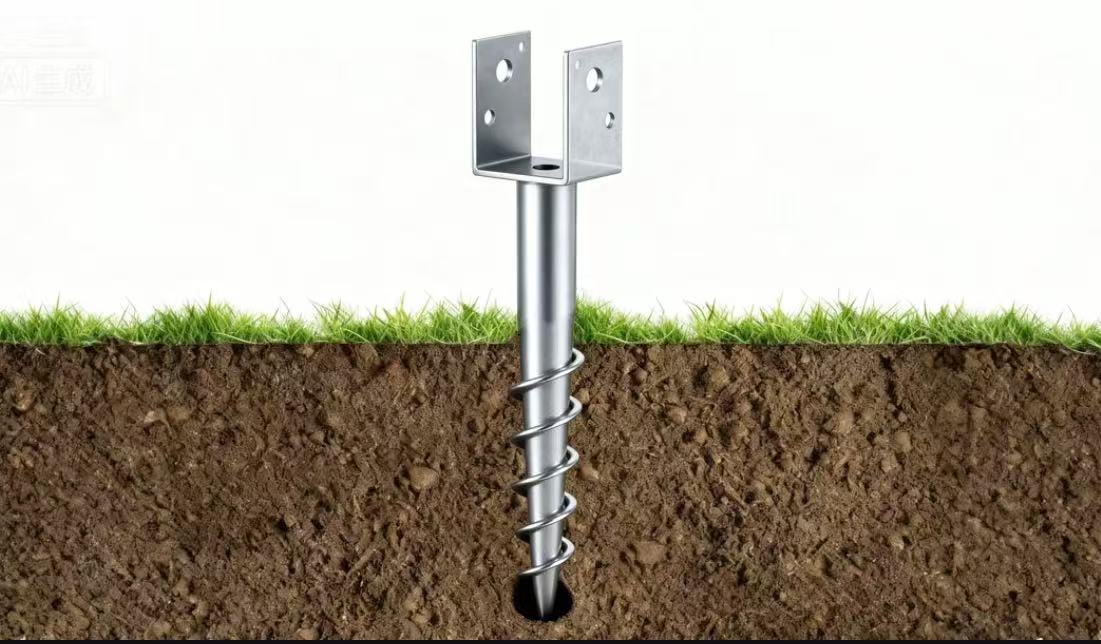
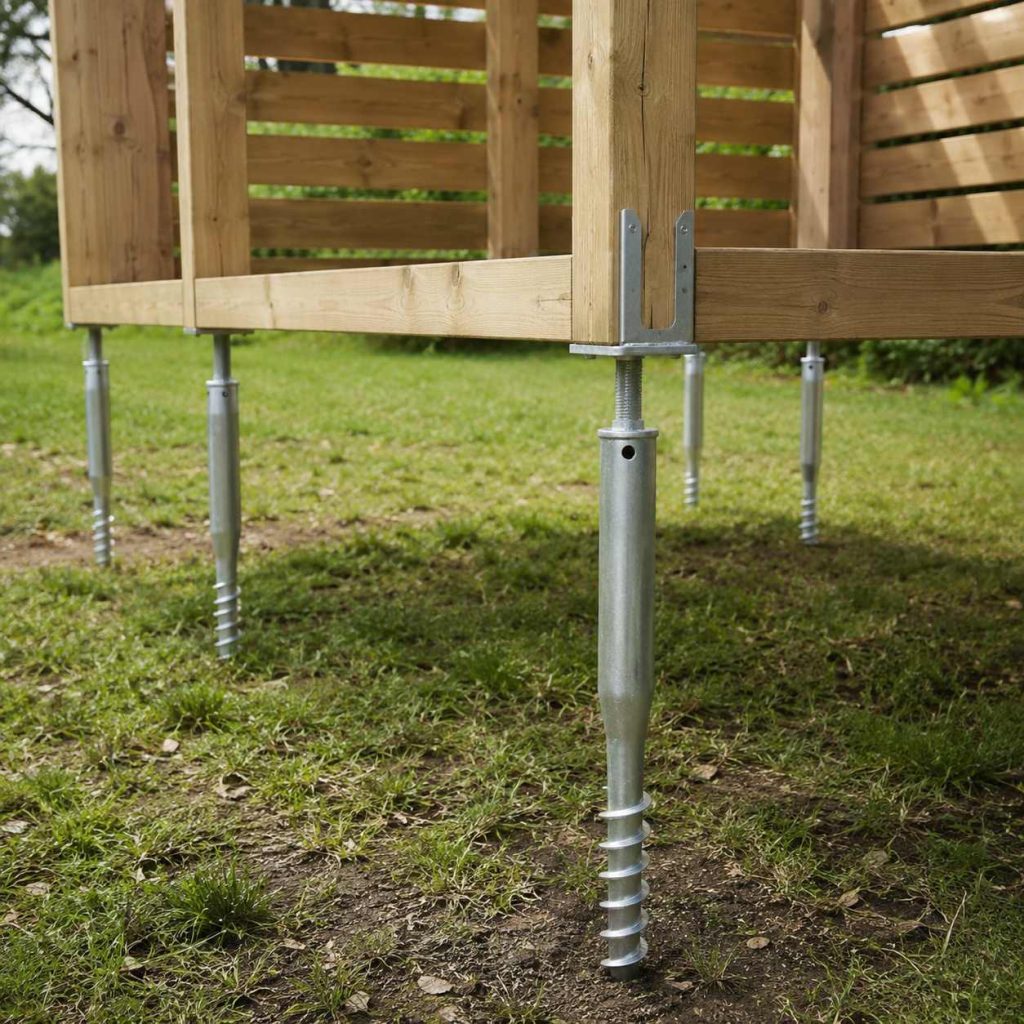
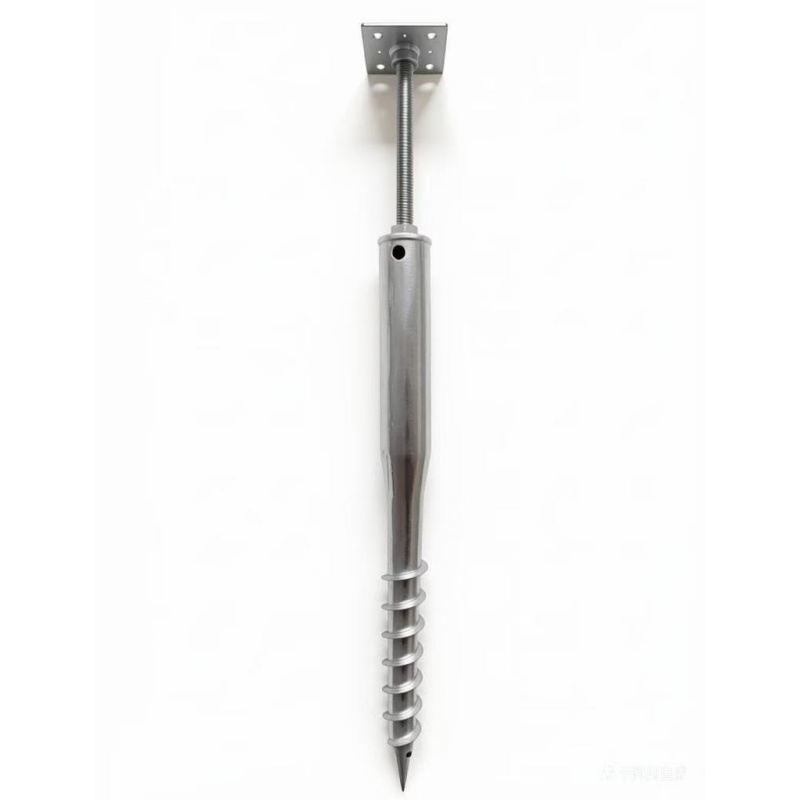
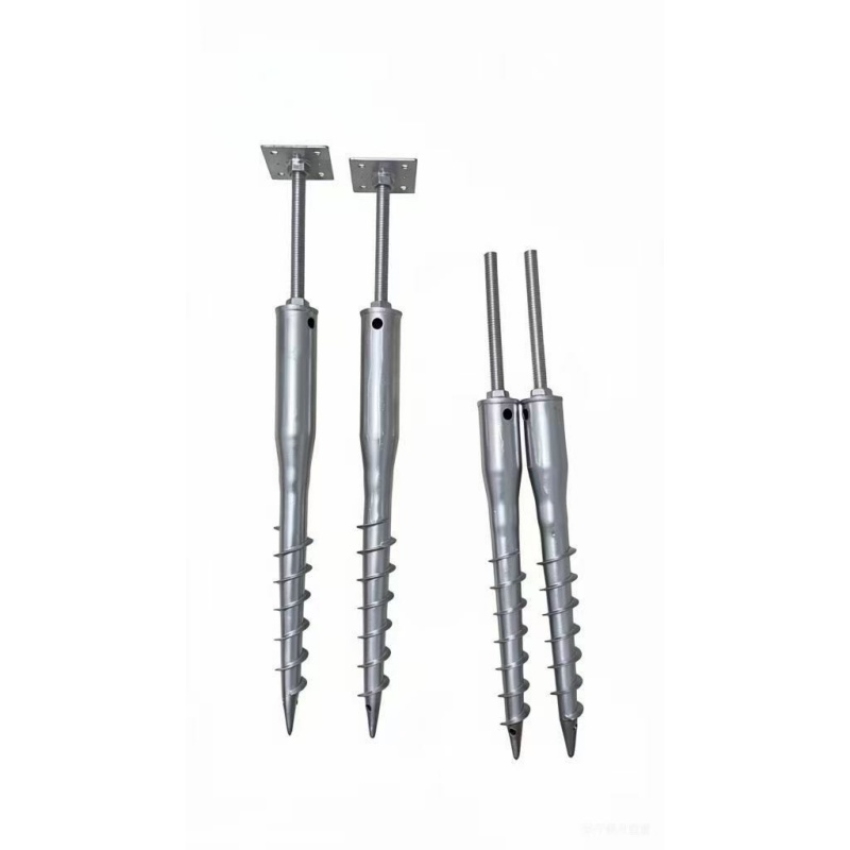
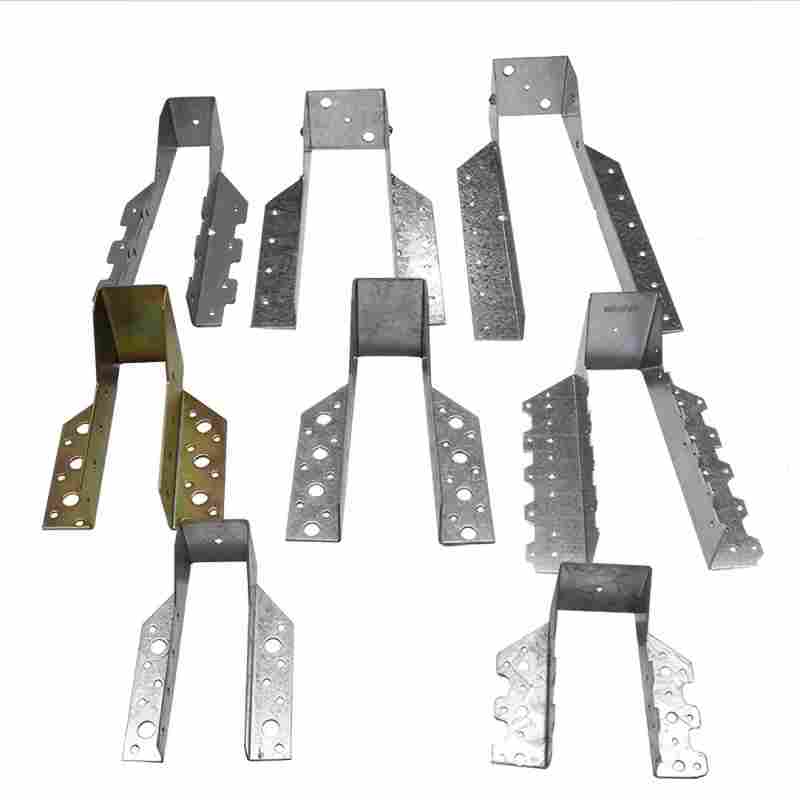
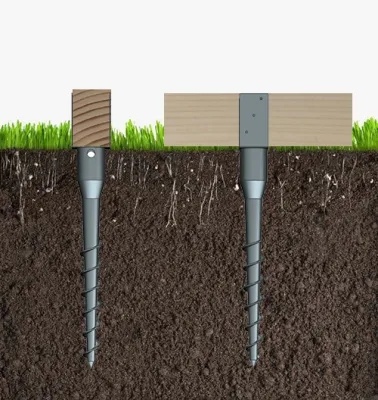
The foundation is only useful when the post or beam can be fixed without improvised plates and packers. Confirm whether the design needs an open tube, U-shaped head, adjustable plate, bracket, or another post anchor format. The drawing should show width, height, hole pattern, finished level, drainage, and the fasteners that join the support to the frame.
Review access with the installation sequence
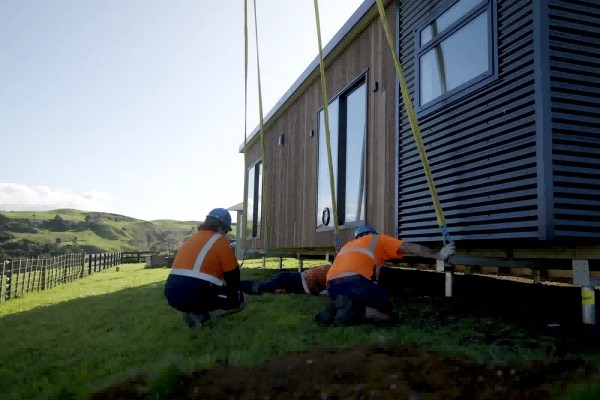
Installation equipment needs room to drive the shaft, check verticality, set the final level, and tighten the frame connection. A Bodenschraubenankerinstallation can fail operationally when a wall, hedge, narrow side passage, or overhead obstruction blocks the tool. Review access on the actual site layout before ordering.
Keep model identity visible
Sunstone Ruize(STRZ) supplies ground-screw and post-anchor formats with model-specific dimensions and surface treatments. Keep the item number, drawing revision, finish, and head geometry together in the purchase and inspection records. A visually similar support is not a substitute when the post interface or design evidence changes.
|
Foundation question |
Why it matters |
Useful approval record |
|
Soil condition |
Affects resistance and installation |
Site notes and trial record |
|
Support reaction |
Sets compression, uplift, and lateral demand |
Engineer-approved schedule |
|
Frame interface |
Controls fit and force transfer |
Dimensioned post drawing |
|
Installation result |
Releases framing work |
Location-based field log |
Installation Records Decide Whether the Method Worked
A fast installation is not automatically an accepted foundation. Set out each location, identify the model, record the equipment and operator, confirm position and level, document refusal or obstructions, and capture the project-defined installation result. The responsible designer should define what evidence is enough before the frame is loaded.
Use a trial support to expose uncertainty
A trial position can reveal weak resistance, buried debris, poor access, or an unsuitable head before the full delivery arrives. It informs the installation plan but does not replace site-specific engineering. Keep the trial model, location, observed ground, and decision record attached to the final method.
The same discipline applies to helical pile installation: access, equipment reaction, verticality, termination criteria, and the interface above ground must be agreed before a crew treats the first installed support as a pattern for the rest.
Compare the whole method with concrete
A ground screw vs concrete comparison should include investigation, equipment, excavation, spoil, curing, alignment, testing, frame connection, maintenance, and removal. Ground screws may reduce wet work and disturbance, while concrete may remain better for a particular soil, load, or approval route. Use the same support grid and acceptance scope for both options.
Queries such as ground screw foundations cost uk 2025 or 2026 are best answered with a location-specific installed-cost comparison. Freight, access, soil investigation, equipment, testing, local approval, and the post connection can outweigh any headline price for the steel component.
That comparison should also state what happens if the first location encounters refusal, a buried obstruction, or an interface revision.
The Practical Takeaway
Ground screw foundations fit outdoor structures when soil, support reactions, post geometry, equipment access, and field acceptance align in one approved method. Freeze the grid, model drawing, frame interface, finish, installation record, and local approval route before ordering. The foundation decision should remain tied to the actual structure, not a general claim that screws are always faster or cheaper.
Send Sunstone Ruize(STRZ) the support layout, member sizes, soil notes, post interface, quantity, packing needs, and required records. We can review suitable ground screw foundation options and identify where a model-specific check is needed.
FAQ (häufig gestellte Fragen)
Are ground screws suitable for every deck?
No. Soil, frost, groundwater, support reactions, access, frame geometry, local rules, and the installation verification method all affect suitability.
Do ground screws remove the need for engineering?
No. The complete load path, soil resistance, post interface, and local approval still need responsible design and project-specific confirmation.
What should a ground screw trial record?
Record the model, location, equipment, endpoint or project-defined result, verticality, observed soil, obstructions, and the decision for the remaining supports.
Are ground screws always faster than concrete?
They can remove curing time and reduce excavation, but access, investigation, equipment, testing, obstructions, and the frame connection determine the real schedule.
When should a custom post head be considered?
Consider one when a standard tube, U head, bracket, or plate cannot meet the post section, fastener access, clearance, drainage, or finished level. Approve the revised drawing before production.
 Beraten
 von Whatsapp
 Nachricht hinterlassen
 oben
oben