






How to Secure a Ground Anchor for Stable Outdoor Structures
A post, frame or light outdoor structure needs a secure ground anchor if it is to stay stable. Doing a bolt up more tightly is not enough to secure it. You need the right match between the anchor, the soil and the direction of the load.
Put the anchor in on the line intended for it. After the post is attached, take another look at the connection. The method below gives European purchasing and installation teams a practical sequence without inventing a site-specific capacity.
The final choice must follow the project drawing, the requirements in the European country of installation and the anchor manufacturer’s installation limits. The solution you need can change with the soil, frost, groundwater and corrosion exposure. Wind or service loads on the structure can change it too.
Security starts with the load path
Work out the forces coming from the structure before choosing the anchor. A pull-out force follows the anchor axis. A lateral load, by comparison, pushes the post sideways. Rotation puts a turning force on the connection.
All of these parts have to work together: the post, bracket, fastener and ground screw. The top connection may flex, or the post may not be squarely seated. Either can let the assembly move in use. An anchor that looks sturdy isn’t immune to this.
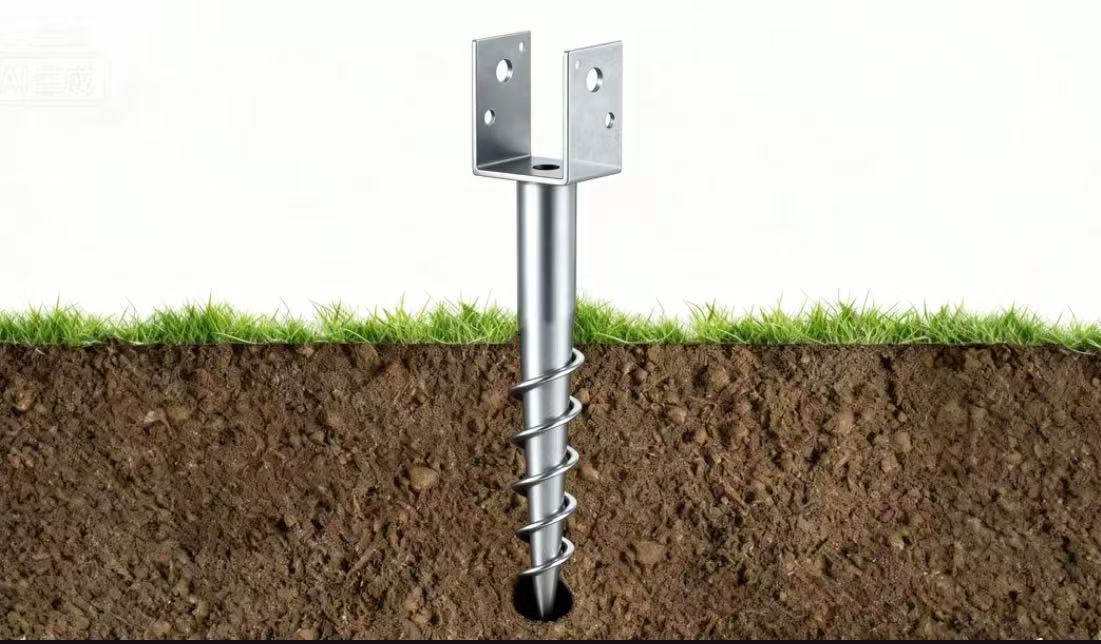
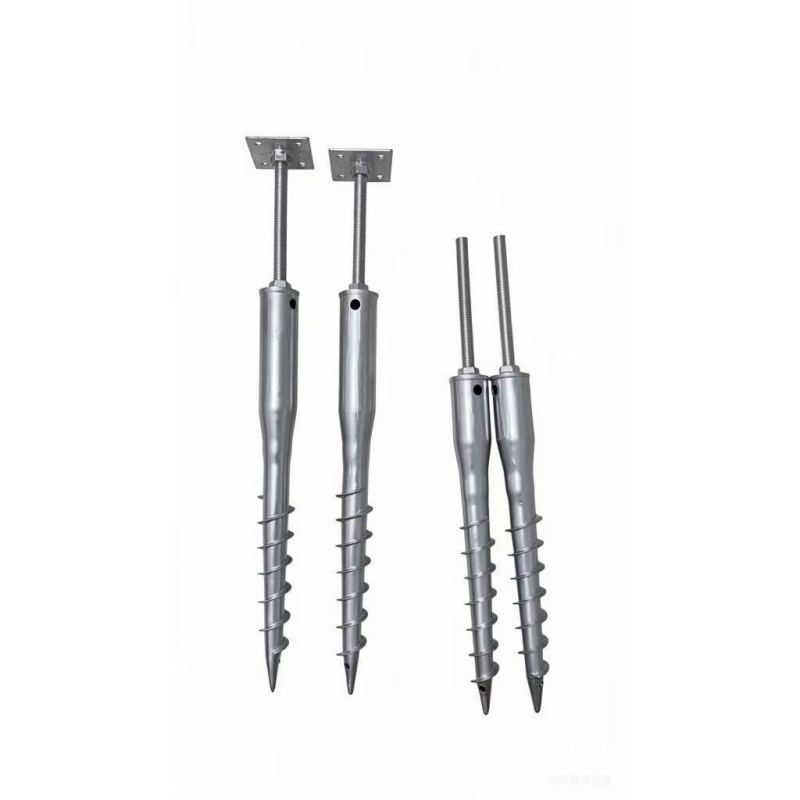
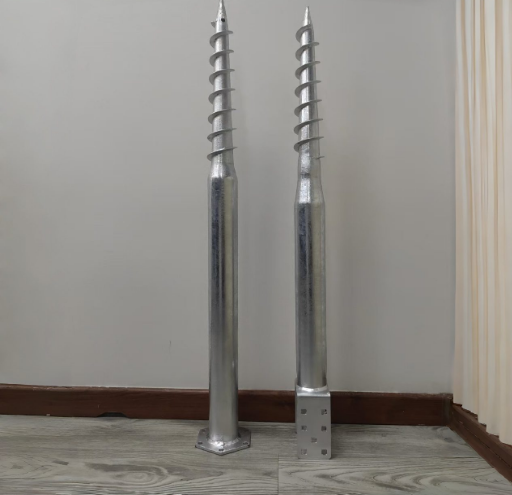
Also separate product description from engineering approval. STRZ describes an M-shaped hex-flange ground screw for solar mounting, fencing, wooden structures, gardens and light construction. In those applications, the product offers a less disruptive alternative to traditional concrete foundations. It isn’t intended to replace every foundation.
Match the anchor to soil and structure
The surrounding soil has its own role in the anchor system. Establish the condition of the ground on site, whether firm, loose, saturated, rocky or expansive. Find out whether there is movement with the seasons as part of that review.
Compare what you’ve found with the installation guidance from the manufacturer. Carry out any verification on site that is required for the project. A diameter in a catalogue cannot take the place of pull-out or lateral design.
Ground screw dimensions
The outer diameter offered for this M-shaped ground screw runs from 48 mm to 114 mm. Wall thickness runs from 1.8 mm to 4 mm. Length is customisable to the needs of the project.
These are dimensions for choosing a product, and shouldn’t be mistaken for a capacity table. The correct size still depends on the post, structure, soil and project review.
Site suitability
A European contractor planning a fence or light frame can begin by looking at the STRZ zemní šroubová kotva range. Ask the supplier about the proposed geometry and installation equipment. Confirm the corrosion protection and limits for the actual site, too.
Install and align the ground screw
Mark the post line and the centre of each anchor before driving. Check underground services and keep the installation zone clear. Start the screw straight and use the specified installation machine or driver.
Then check alignment as the helix enters the soil. A hexagonal flange helps provide stable mounting. An anchor that went in at an angle won’t be put right by the flange, though.
If you hit an obstruction or find an unexpected change in the ground, stop work. You need to stop too if the required installation position can’t be maintained. Record the actual location and any deviation.
An installation torque, depth or proof check may be required for the job. In that case, use the values given in the approved design or manufacturer instructions. You won’t find values for your particular site in a general guide.
Connect the post and inspect the corrosion barrier
With the anchor aligned, attach the post or frame without pushing it sideways to make it fit. Check for full seating of the flange, bracket or post support.
Check the fasteners against the approved specification as well. Check plumb again in two directions. Before loading the structure, also check whether the joint moves.
STRZ describes the M-shaped screw as steel with hot-dip galvanizing for outdoor use. Once handling and cutting are done, inspect the coating to see if it is damaged. For a damaged area, use a method approved for its repair or isolation.
Dissimilar metals, trapped water and sharp burrs are also worth looking for and keeping under control. The connection needs as much care as the anchor itself. It is part of corrosion control too.
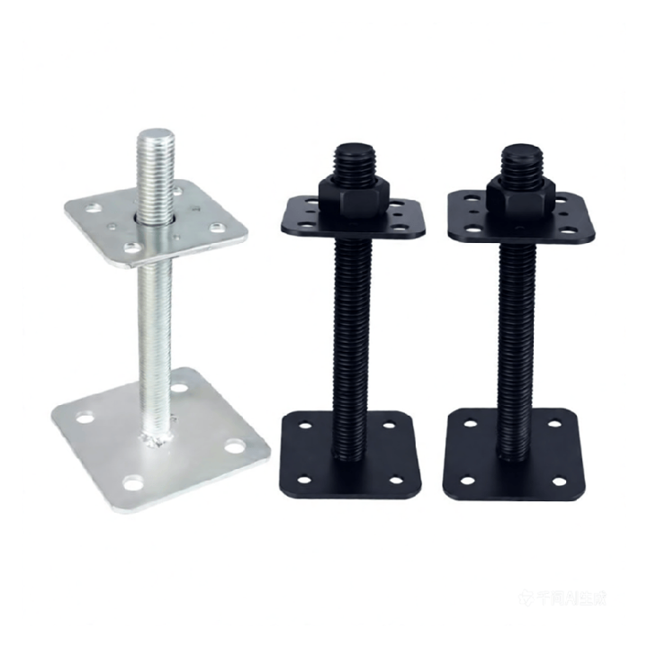
For a project that needs an adjustable interface, comparing the post geometry with a screw in ground post support is useful. Before ordering, confirm the bracket, plate and fastener arrangement.
Common failure causes and site rechecks
Often, movement comes back to a small mismatch. The cause might be a post off-centre or a flange not seated. It could also be an anchor too short for the soil. Another possibility is that the connection was loaded before anyone finished the installation record.
A line of posts that leans, loose fasteners and damaged coating are all things to look out for. So is water sitting around the interface, or a change in the soil that went unreported.
Go back over the anchor line and plumb. Then examine the visible connection and the condition of its fasteners. Go over the installation record required for the job as well.
End posts, corners and gates are the places to inspect first on a fence. Most changes in direction usually occur at those points. On a solar or light frame, check that the frame is not putting unwanted torsion into a single anchor.
When an anchor is ready for service
You can’t release the installation with unfinished records or unmet approved design requirements. The handover needs to say which product was fitted, its location and the method of installation.
Include its visible condition, post alignment and any deviation or corrective action. Stop and seek engineering direction if the soil or load is beyond the product’s stated scope.
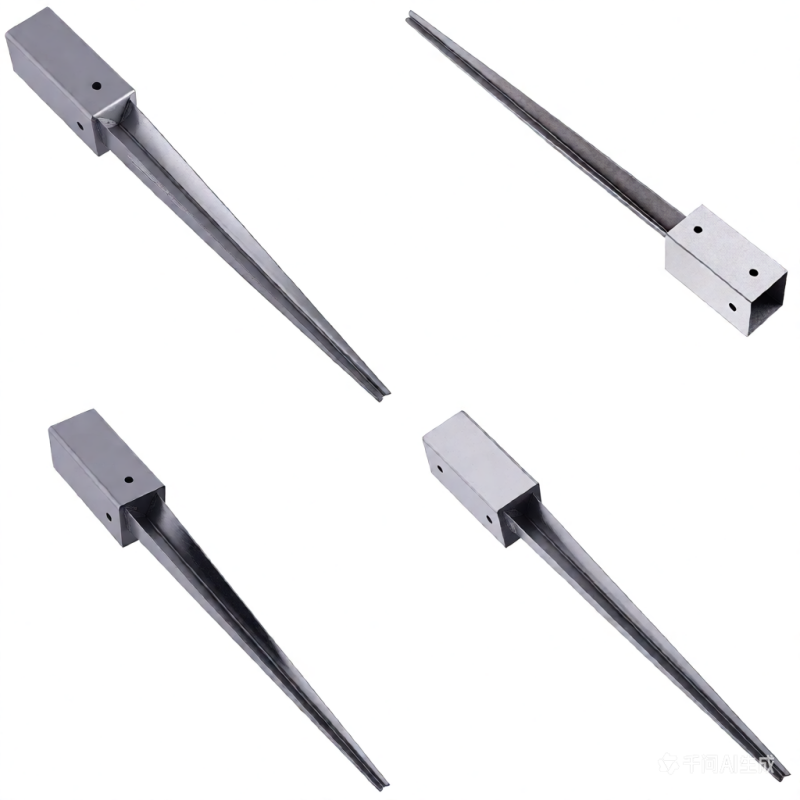
For sourcing teams in Europe, the STRZ plot post zemi page offers a way to compare a post-anchor form with the selected ground-screw family. The soil and structural review for the project must still guide the final purchase.
Summary
To secure a ground anchor, first get the match between anchor, load and soil right. Install it straight, using the approved equipment. The post should fit without any forcing of the joint.
Before service, take time to inspect both alignment and corrosion protection. Use the dimensions to help make your selection. The site-specific engineering and the manufacturer’s limits still apply, whatever those dimensions are.
Časté dotazy
What makes a ground anchor secure?
The anchor needs a suitable load path and a product that matches the soil. It must be installed straight, with the connection fully seated and the inspection recorded.
Can a ground screw replace concrete everywhere?
No. For those stated light-construction uses, it offers an option with less ground disturbance. Soil, frost and loads still matter to the decision, together with local rules and the approved design.
How do I keep a ground screw vertical?
Mark the centre and start straight with the specified installation equipment. Keep checking how it is aligned as it enters the soil. An obstruction or a change in soil may make it impossible to control. If that happens, stop.
What size ground screw should I buy?
Look at the product dimensions when making your selection. Check whether the length, diameter and wall thickness are right for the structure and the site’s soil. The bracket and installation limits need the same confirmation.
What should be checked after installation?
Location and plumb need to be checked before any loading of the structure. Make sure its flange or bracket has seated properly. Inspect the fasteners and the state of the coating, and look for visible movement. Include the required installation record in your checks.

 konzultovat
 aplikace Whatsapp
 Zanechat zprávu
 nahoře