





When Should You Use Ground Screw Foundations and How?
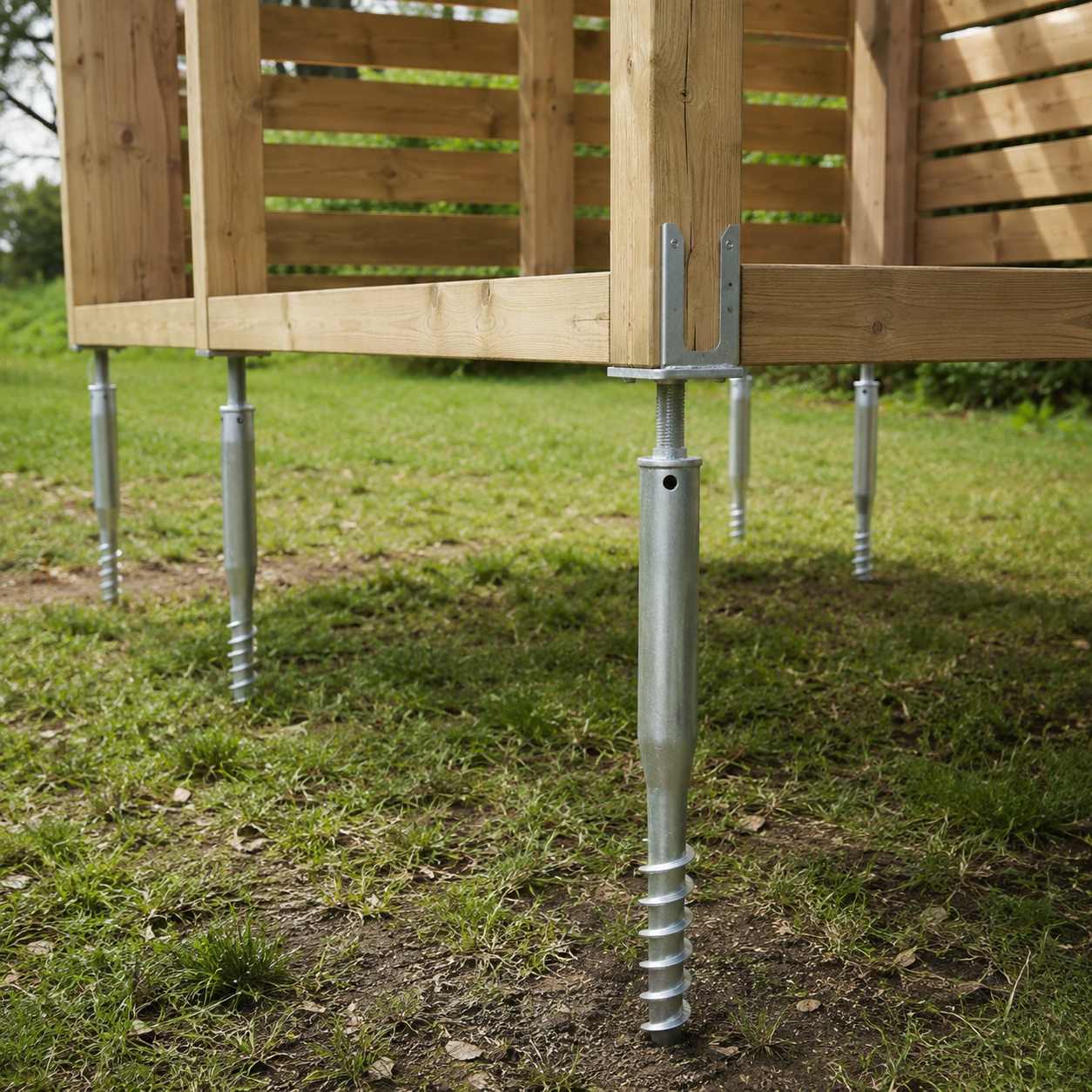
When managing outdoor building tasks and setting up new structures, getting the foundation done quickly and adapting to different types of soil have become far more crucial than relying on old-fashioned concrete methods. Today, an increasing number of contractors are picking steel screw-in systems that go straight into the earth. This means they can completely skip the hassle of digging up dirt or waiting days for things to dry. These smart systems are widely known as ground screws, though folks in certain markets also call them post anchors or Ground anchors. Looking at modern industrial supply networks, Sunstone Ruize (STRZ) has played a major part in creating and exporting these uniform ground foundation systems to meet global building needs.
What Ground Screws Mean in Real Engineering Use
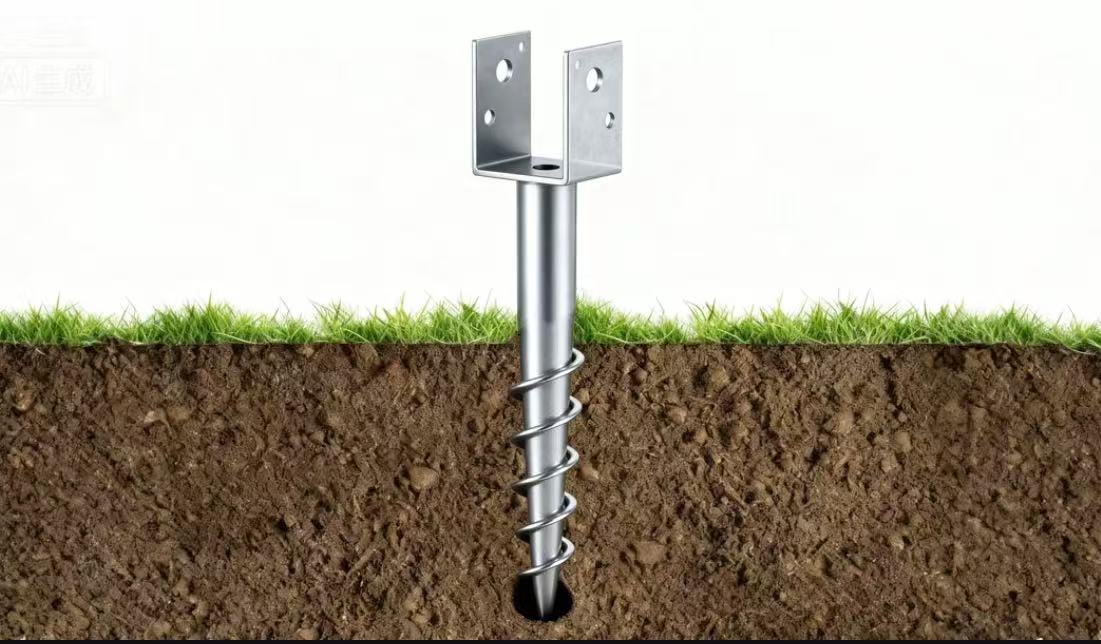
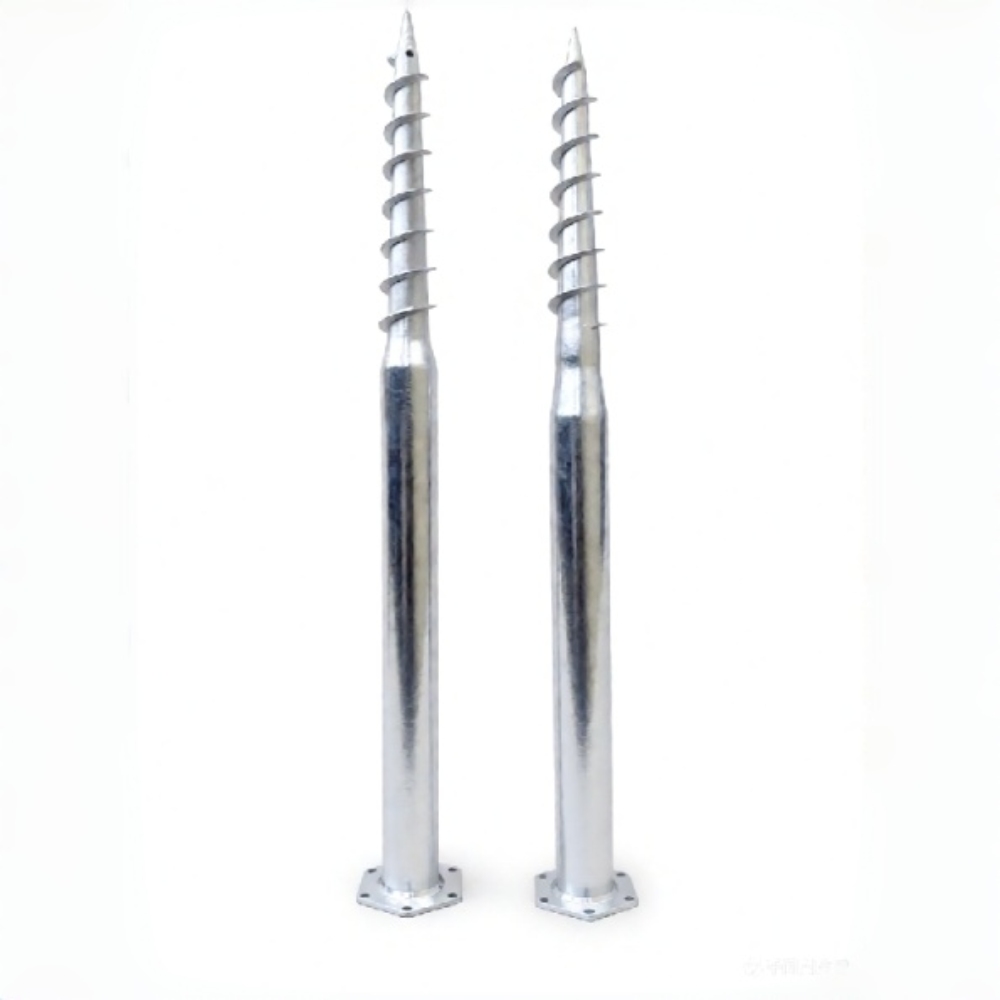
In the actual building world, parafusos de terra are tough steel foundation parts built to pass the weight of a structure directly down into the dirt through a purely mechanical setup. Workers drive them deep into the soil using specialized high-torque machinery. Right after they are driven home, they establish a highly secure anchoring spot. This single spot is fully capable of holding up heavy downward weight while also fighting off the strong upward lifting forces caused by heavy winds or intense structural pulling. Their job is not tied down to just one kind of building framework. Instead, they work beautifully across all sorts of outdoor setups where the soil might be unpredictable and where saving time on installation is a top priority.
Why Ground Screws Are Used in Modern Construção
The growing trend of choosing ground screws over older methods is actually born out of a need for sheer building efficiency, rather than just a simple design whim. Standard concrete bases demand deep digging, building wooden forms, and waiting around for the mix to harden. Ground screws completely wipe out these extra tasks. Because they require no waiting, building crews can start putting together the main structure the exact same minute the screws are in the dirt.
This specific time-saving perk matters immensely for green energy sites and modular building projects. For example, when putting together solar farms and industrial energy yards across the UK, crews have relied heavily on these screw-based bases to handle highly unpredictable soil mixtures without letting the project fall behind schedule. Similarly, when working on home landscaping upgrades across Europe, crews have successfully put up structures on highly uneven backyards in less than a single working day. Remarkably, they achieved this even when the ground level shifted wildly by more than 40 centimeters.
Another big reason people love this option is how well it treats the local environment. Because ground screws cause very little disruption to the surrounding soil, the land stays healthy. This allows the grass and dirt to recover naturally or simply remain usable right after the job wraps up. This gentle footprint makes them incredibly precious for temporary setups, such as big outdoor festivals, seasonal garden features, and transportable staging platforms.
When Ground Screws Are Suitable for Use
Builders generally point to ground screws as the ideal choice when the soil behaves poorly, when moving big machines into a tight spot is too tough, or when the project deadline is incredibly tight. When it comes to setting up solar panel mounting arrays, they deliver solid structural support without needing heavy concrete slabs under them. This characteristic makes them a perfect match for massive renewable energy fields that need to go up fast.
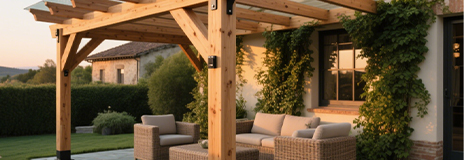
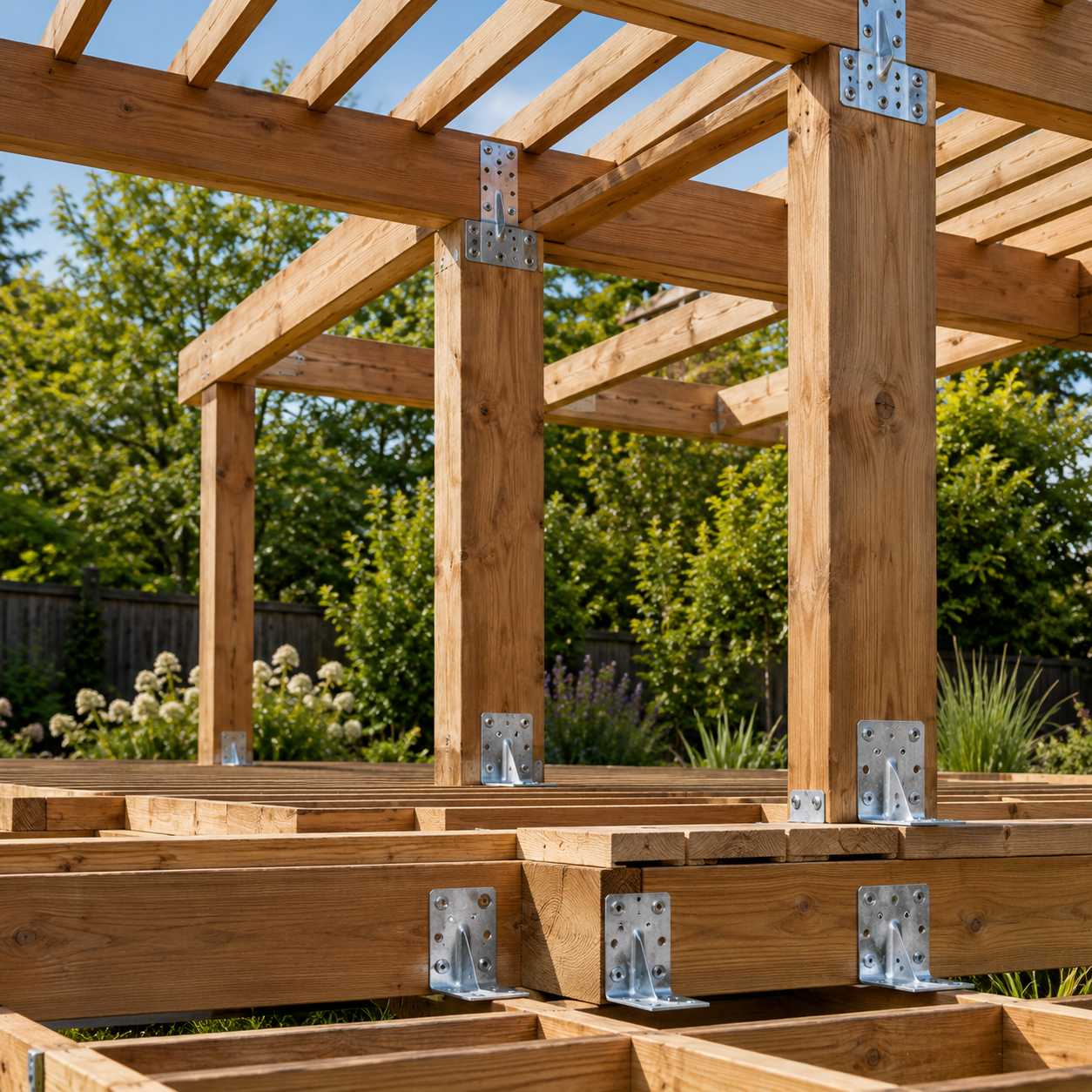
For homes and smaller commercial properties, these tools are incredibly popular for securing backyard decks, boundary fences, standalone garden rooms, and outdoor pergolas. Their natural knack for adjusting to uneven ground makes them perfect for steep hillsides or soft dirt zones where standard concrete would require a massive amount of extra digging.
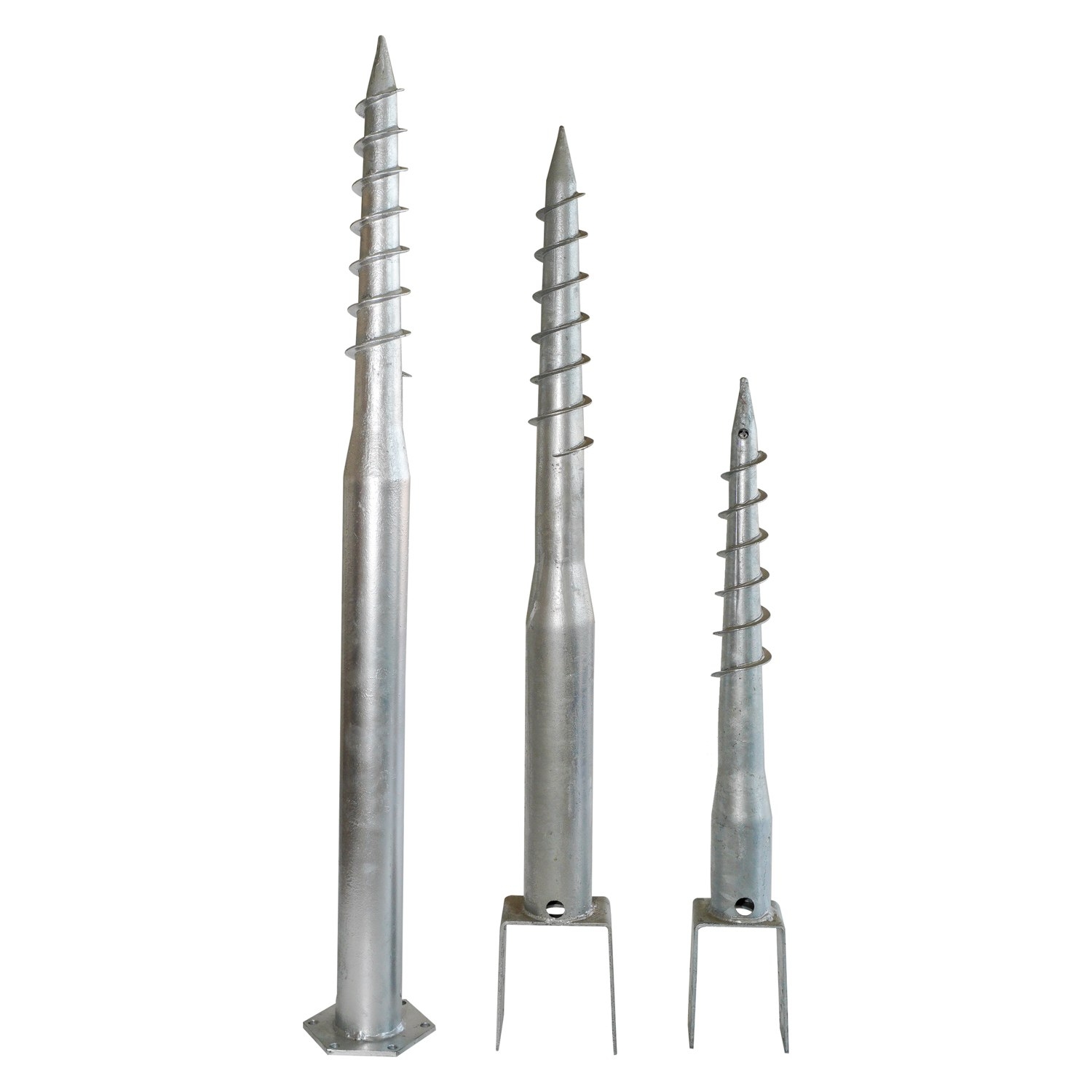
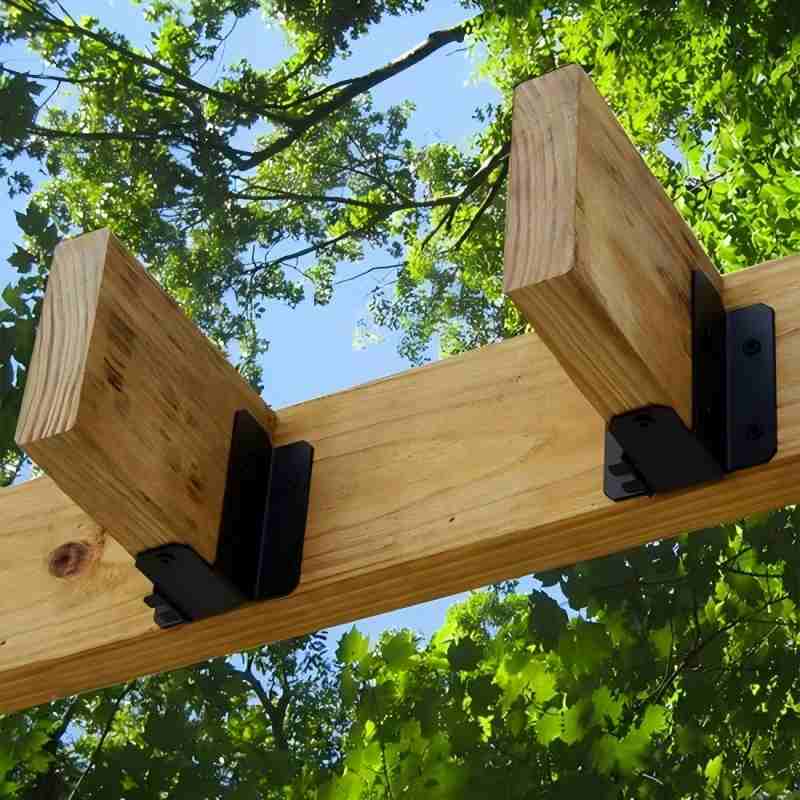
When a project calls for a strong vertical connection point, post anchors serve as the precise joining hardware between the main building and the buried screw base. At the same time, if a project involves intense side-to-side forces or heavy pulling tension, engineers will typically use the phrase ground anchors in their blueprints to clarify how the system behaves under those specific stress loads.
How Ground Screws Perform in Soil Conditions
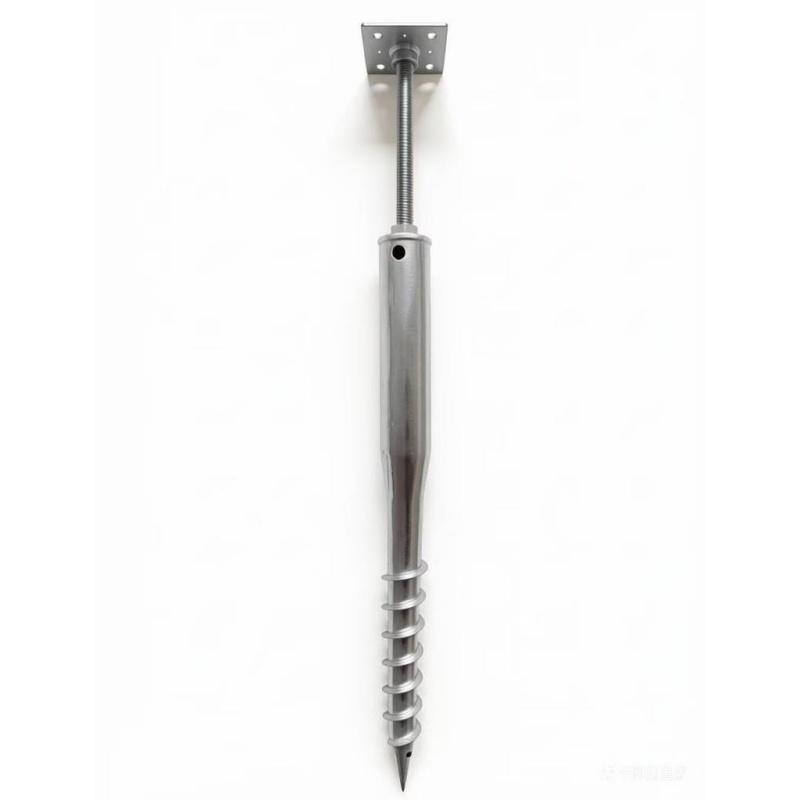
The actual real-world strength of ground screws comes down to a tight mechanical grip between the steel threads and the surrounding earth. As the machine turns the screw into the dirt, the threaded metal body squeezes the soil particles tightly together. This action significantly boosts the friction resistance around the shaft. As a direct result, it creates a highly effective two-way holding power that easily handles heavy downward weight as well as powerful upward tugs.
How the raw metal is treated makes a world of difference for its long-term survival. A thorough hot-dip galvanizing process adds a thick shield of protective zinc, which stops rust dead in its tracks even when exposed to harsh outdoor elements. For projects stuck in extra-brutal environments, such as salty coastal lines or areas with nonstop humidity, a deeper penetration galvanizing method is used to maximize the coating thickness and toughen the outer surface. Real factory test results show that this advanced treatment easily withstands over 400 hours of aggressive salt spray testing, which proves the foundation will stay reliable for decades.
From a strict engineering point of view, a set of correctly installed ground screws will hold their ground perfectly without bending or shifting under endless outdoor weather exposure. This high reliability makes them a fantastic pick for both quick, temporary setups and permanent, long-lasting structures.
Real Project Performance in Outdoor Applications
Across multiple landscaping and garden build sites in Europe, crews have utilized these ground screw setups to support a variety of heavy pavilions that face nonstop weather shifts year-round. Even after sitting out in the wind and rain for long periods, inspectors found zero signs of loose joints or rust damage, proving that the high-quality galvanized layers did their job perfectly.
Over in North America, residential developers utilized a large-scale deployment of these steel foundation connectors to hold up pre-built housing components. On these job sites, getting things done quickly and maintaining perfect accuracy were absolute musts. Switching over to these screw-style foundations significantly shaved down the total construction schedule while ensuring everything lined up perfectly across dozens of separate foundation points.
Conclusão
To sum it all up, ground screws have turned into a highly favored foundation choice for modern outdoor buildings due to their rapid installation, great adaptability in tough soil, and long-term durability. Their amazing ability to completely replace old, messy excavation routines makes them an ideal fit for solar power arrays, home landscaping, and modular building jobs. When you pair them up with smart joining pieces like post anchors or evaluate them in blueprints as ground anchors, they deliver an incredibly adaptable and swift foundation system that can handle all sorts of outdoor building challenges.
FAQ
What are the main benefits of using ground screws instead of concrete?
Choosing ground screws allows you to entirely bypass the time-consuming tasks of digging up land, dealing with muddy earth, and waiting for concrete to cure. You can start building your structure immediately after they are driven into place, which saves a massive amount of labor costs.
Can post anchors be adjusted if the ground is uneven?
Yes, they can. Many systems utilize specialized U-type connectors or adjustable post anchors that allow you to correct heights and level your beams even if the underlying soil is sloped or highly irregular.
How do Ground anchors resist rust over decades of soil exposure?
These high-quality foundations undergo a heavy hot-dip or penetration galvanizing process that coats the steel in a thick layer of zinc. This treatment shrugs off moisture and achieves over 400 hours of salt spray resistance, keeping the steel safe from corrosion.
 Consultar
 Whatsapp
 Deixar Mensagem
 cima
cima