


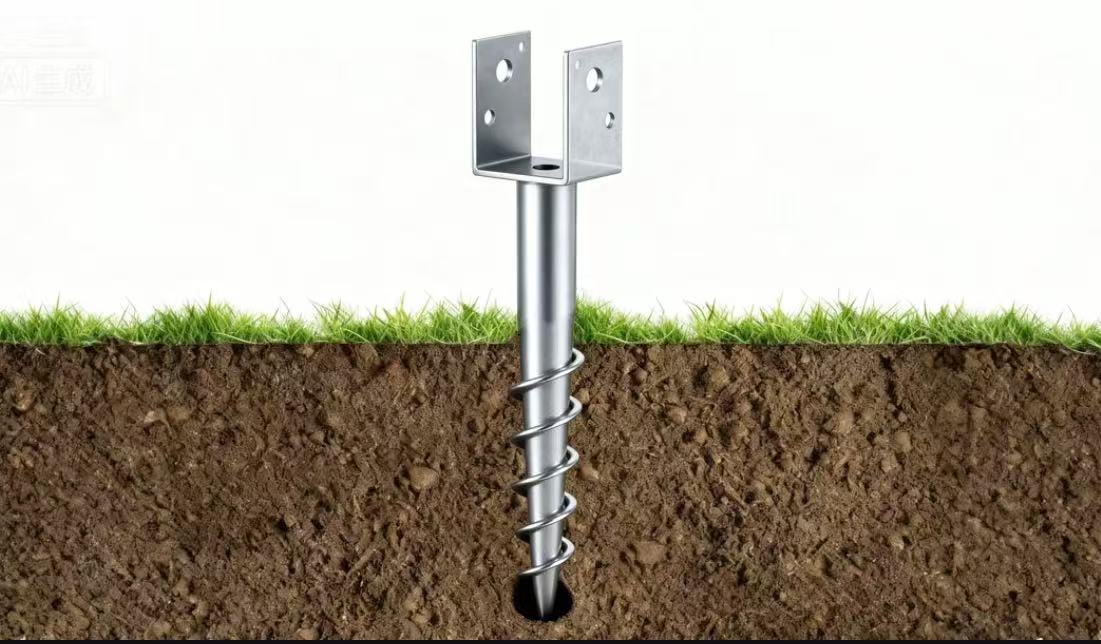


How Wood Connectors Improve Outdoor Structural Lifespan
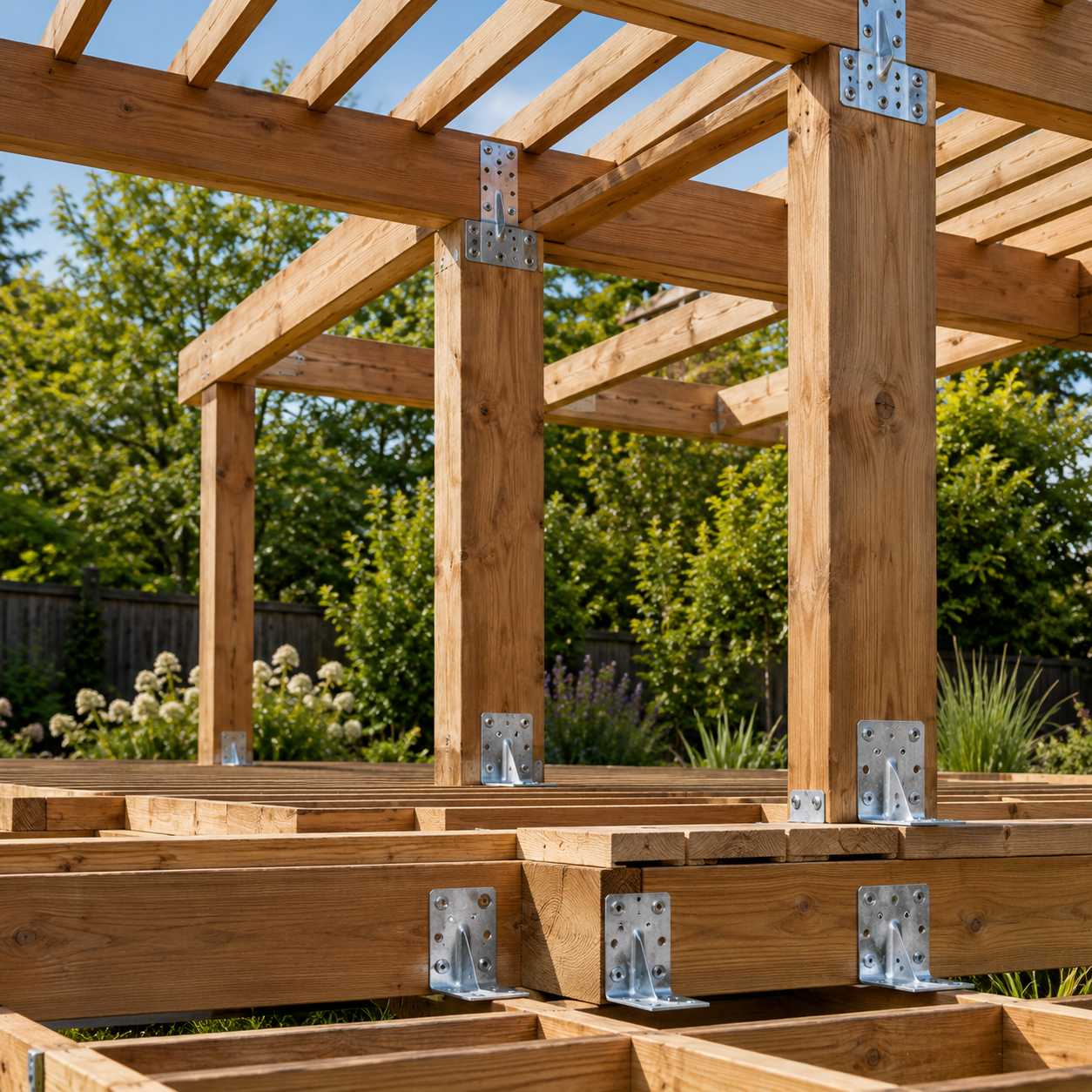
Across the global construction landscape, wood connectors have evolved into a necessity for locking down the stability and safety of outdoor builds. As building codes and safety regulations get stricter, the market demand for highly dependable, rugged hardware is climbing rapidly.
Today, structural engineers and procurement managers focus heavily on key performance metrics like reliable corrosion resistance, maximum weight-bearing capacity, and hassle-free installation consistency on the job site. Sunstone Ruize(STRZ) relies heavily on this exact high-standard production philosophy across its entire product lineup.
What Are Wood Connectors in Modern Engineering
Modern wood connectors are highly engineered fastening components built specifically to link separate wooden segments together in a highly secure, predictable, and controlled manner. In contemporary building frameworks, conectores de madeira and specialized joint hangers are deployed everywhere to anchor heavy beams, horizontal joists, roof rafters, and vertical posts. They ensure that the structural alignment remains intact whenever the system is placed under heavy weight loads.
Typically, producers make these essential building components out of high structural steel, which is then covered with specialized protective coatings. Their primary job are engineered to ensure that heavy physical stress is distributed evenly across the entire structural skeleton. Because they are so versatile, you will find them widely utilized in everyday residential housing, sprawling commercial timber architecture, outdoor landscape features, and industrial modular building setups.
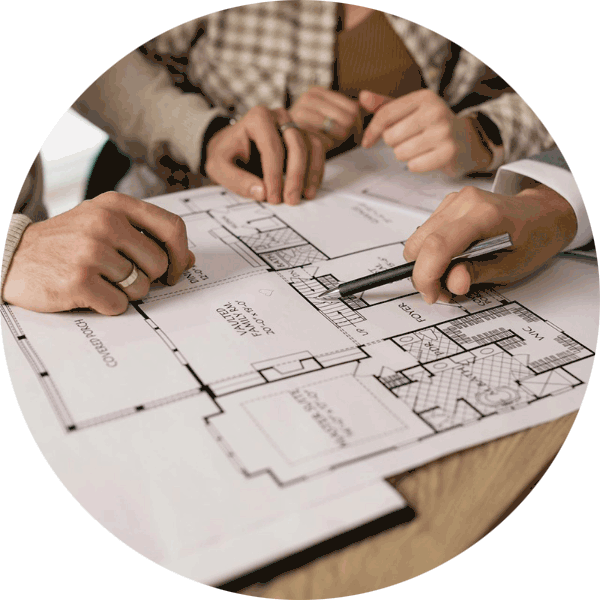
When looking at it from an engineering design perspective, these metal brackets serve as a crucial structural bridge. They seamlessly connect natural, unpredictable timber materials with strict modern safety codes. Without these reliable components, exposed wooden structures would be significantly more prone to warping, sagging, and catastrophic structural failure over time.
Why Do Outdoor Structures Fail Without Proper Joint Hangers
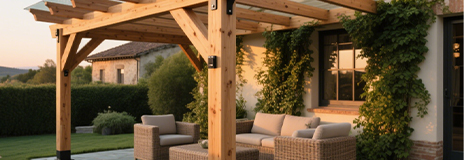
Outdoor wooden structures frequently suffer from failure when builders cut corners with low-grade joint hangers. The issue involves more than just a simple lack of physical strength; it is driven by non-stop exposure to harsh outdoor elements. Moisture, heavy rainfall, and shifting temperatures slowly eat away at metal surfaces.
In coastal zones or regions defined by relentless humidity, this problem accelerates dramatically. Airborne salt particles speed up the destruction of bare metal, which radically slashes the functional lifespan of standard wood connectors. Once the supporting joint hangers lose their underlying strength, the complete wooden skeleton becomes dangerously unstable. This leaves property owners facing massive maintenance bills and serious safety hazards.
How Galvanized Design Improves Timber Connectors Lifespan
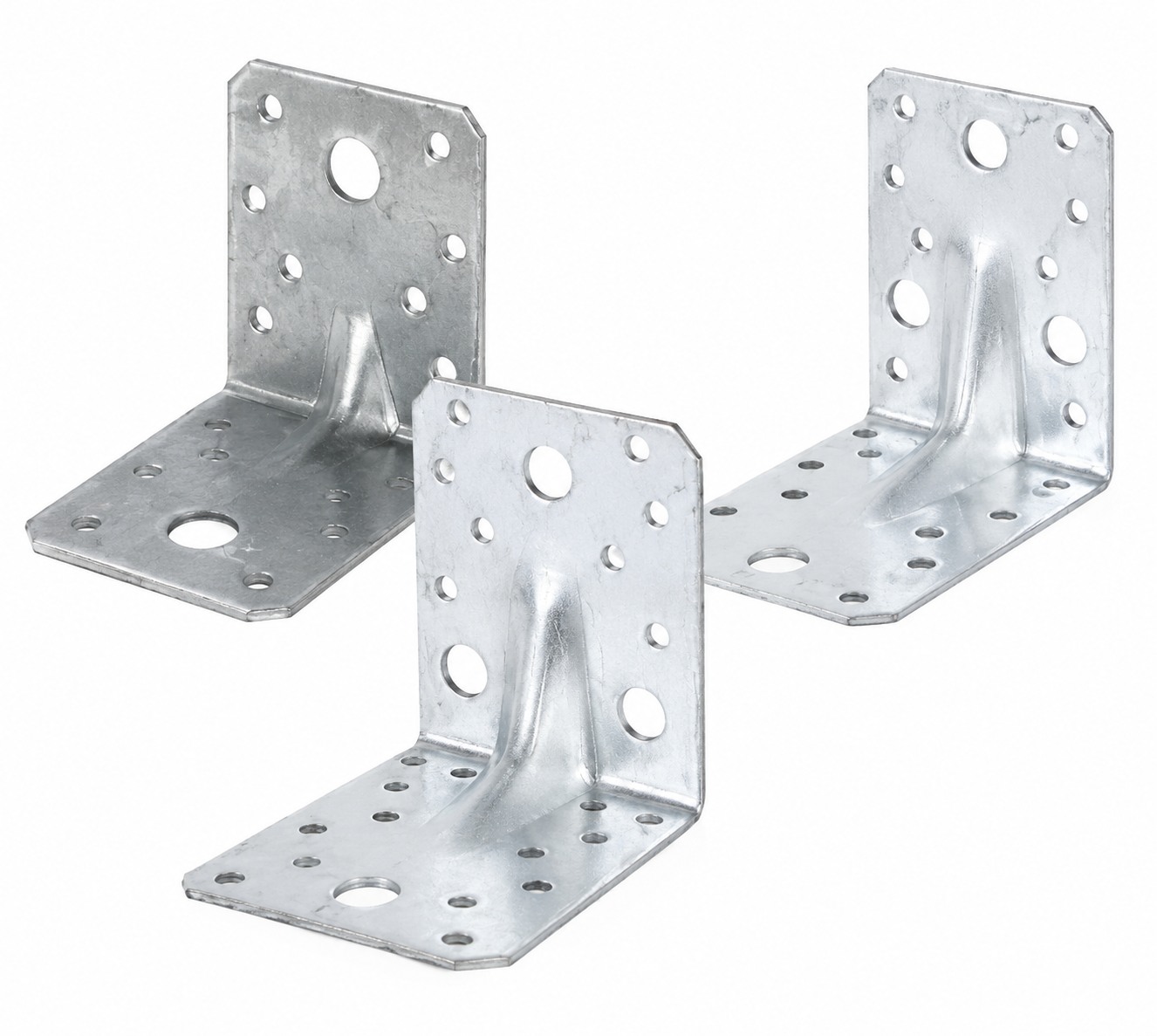
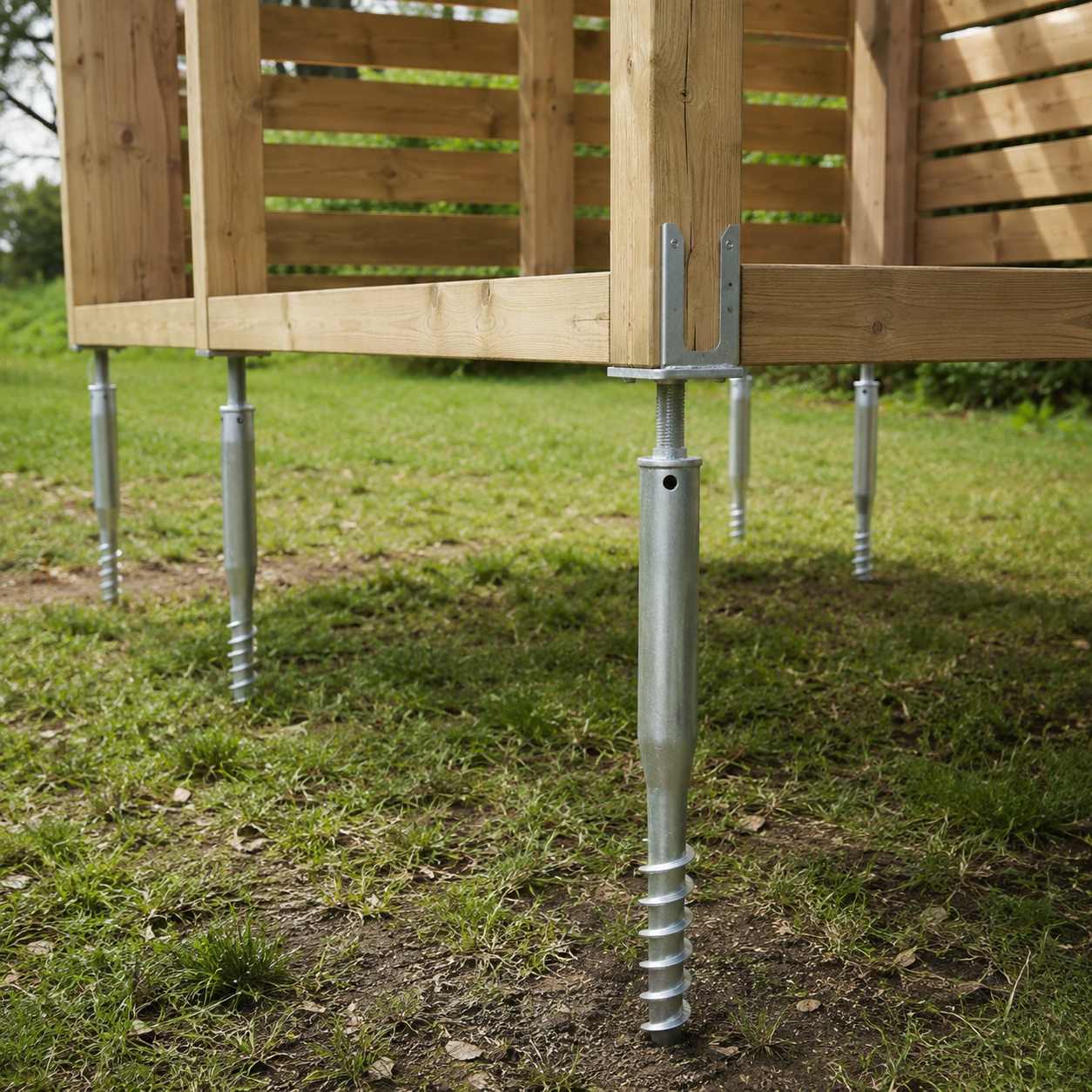
Applying a heavy-duty galvanized finish stands out as one of the most dependable strategies for multiplying the operational lifespan of heavy-duty wood connectors. This zinc shield acts as a sacrificial barrier that slows down oxidation while entirely blocking external moisture from making direct contact with the underlying metal.
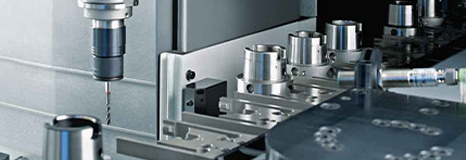
Except that, these components offer a boost to everyday on-site installation efficiency. High-precision manufacturing methods mean that bolt and nail holes are always perfectly aligned, which drastically cuts down on frustrating alignment mistakes. Field crews can mount their joint hangers much faster, making the overall workflow far more predictable, efficient, and orderly.
Product Specifications Comparison for Wood Connectors
|
Tipo de produto |
Material |
Tratamento da superfície |
Application Environment |
Key Function |
|
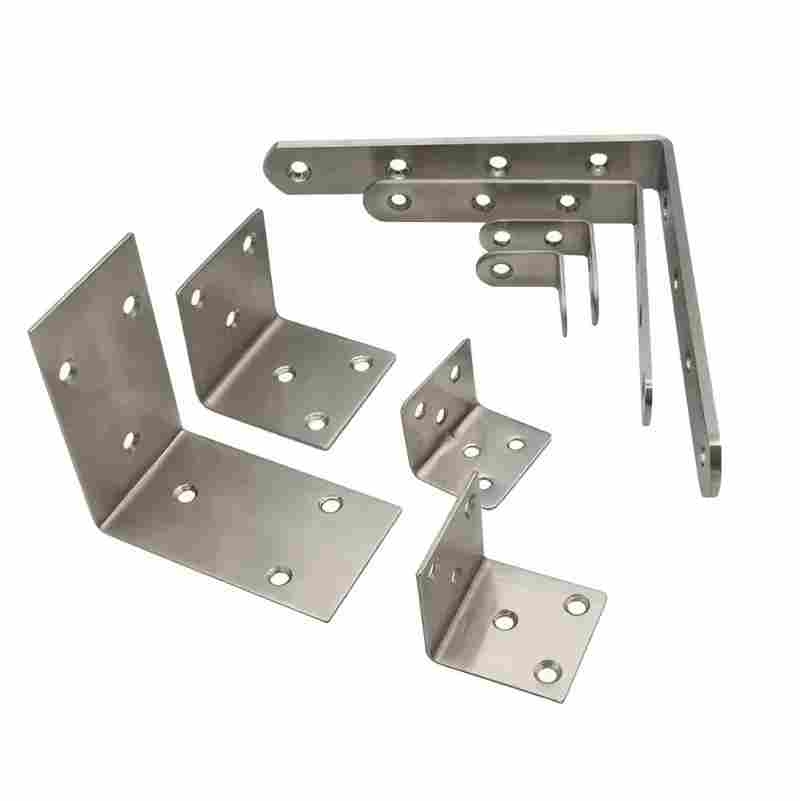
Connecting angle / L shape bracket / flat angle |
Q235 steel / structural steel |
Electro-galvanized / Z275 |
Furniture, indoor framing, light outdoor structures |
Reinforces 90° and multi-angle timber joints |
|
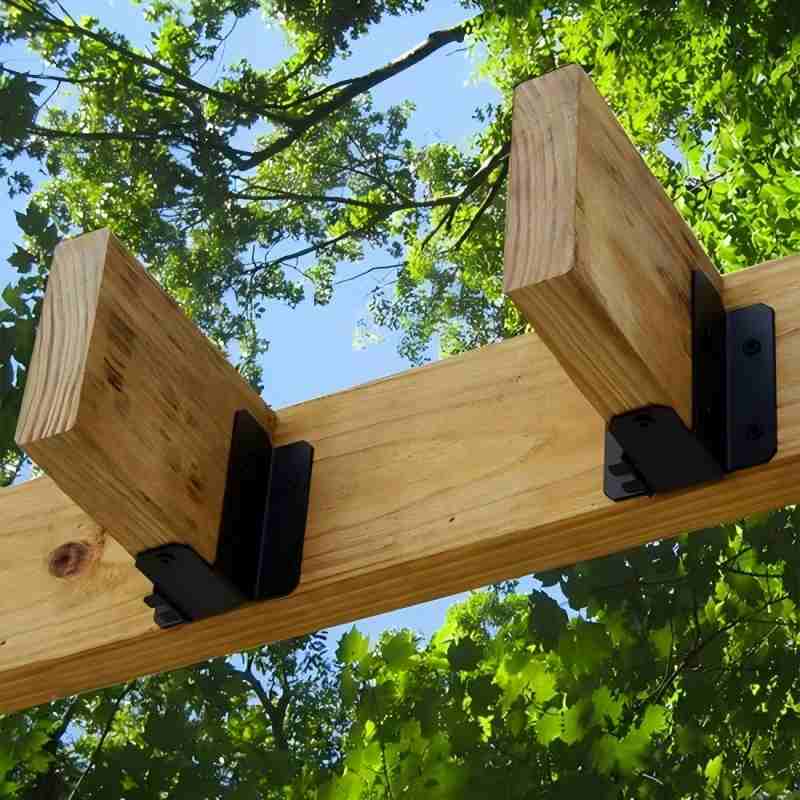
Joist hanger / beam hanger |
Q235 steel |
Hot-dip galvanized (60–85μm / Z275) |
Roof structures, floor systems, deck framing |
Provides load-bearing support for timber beams and prevents rotation |
These distinct engineering variations clearly demonstrate how specific hardware items are customized to satisfy unique building demands. When managing open-air construction installations, choosing the correct timber connectors will dictate the long-term project survival.
Industry Applications Across Global Markets
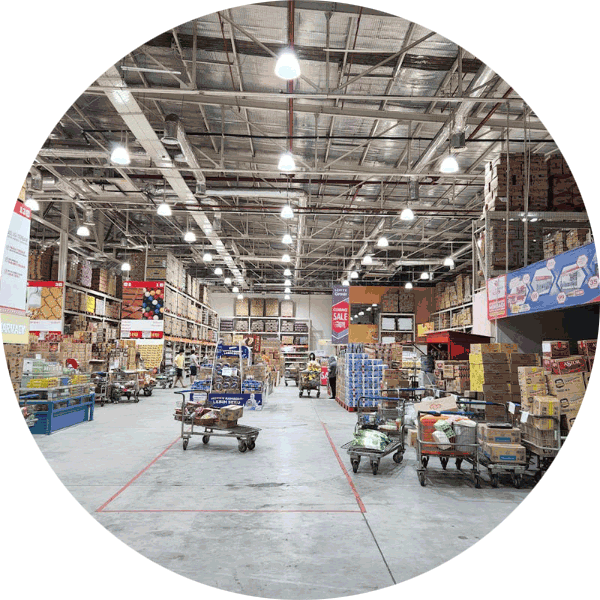
Heavy-duty conectores de madeira find extensive use across a wide variety of commercial and residential building sectors.Furthermore, in public infrastructure settings, specialized joint hangers are increasingly chosen for high-traffic pedestrian walkways, public transit hubs, and structural elements within railway stations. These demanding applications require hardware that can remain completely steady under non-stop vibration and heavy physical pressure over many decades.
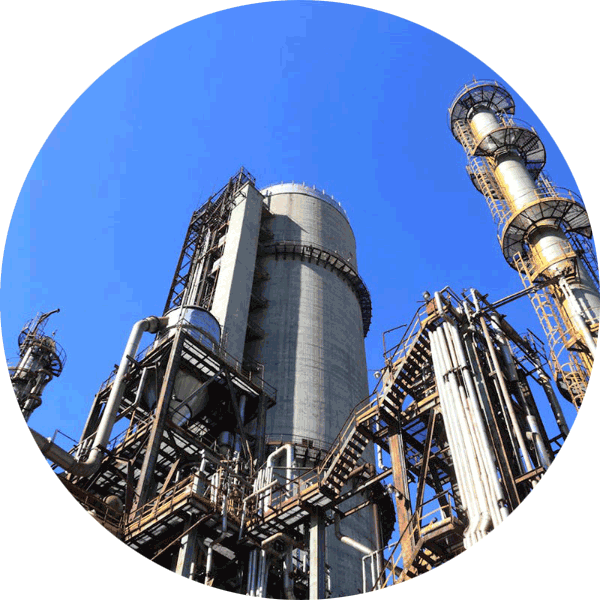
In specialized fields like automotive assembly and marine engineering, tailored wood connectors are frequently paired with heavy-duty rubber cushions or custom injection-molded parts. These unique hybrid configurations excel at absorbing intense mechanical vibrations while keeping the overall frame incredibly rigid. This makes them an exceptional choice for custom interior layouts and specialized industrial engineering tasks.
Conclusão
To sum it all up, high-performance wood connectors serve as a fundamental pillar for maximizing the physical lifespan and structural integrity of outdoor and industrial timber assets. As global safety standards and building regulations continue to grow tougher, the commercial need for premium timber connectors and high-capacity joint hangers will keep climbing across a variety of industrial markets.
Ultimate resistance to rust, high weight capacity, and tight manufacturing tolerances are now the key benchmarks that define true product excellence. Within modern engineering ecosystems, these specialized metal brackets are simply no longer viewed as optional add-ons. Instead, they have earned their place as vital structural components that guarantee long-term physical safety, outstanding cost savings, and undeniable structural predictability for builders worldwide.
FAQ
In what ways do wood connectors maximize long-term outdoor durability?
The hardware provided by features a specialized, heavy-duty hot-dip zinc coating that forms a tough protective shield over the steel core. This layer keeps destructive moisture and ambient air away from the metal, preventing rust formation. Because of this defense, the brackets deliver excellent long-term survival rates when used on outdoor decks, backyard garden features, and exposed structural timber frames.
What makes timber connectors so essential in modern structural construction projects?
These specialized components are designed to distribute heavy physical weight across different wooden members in a balanced and controlled manner. By spreading out the stress, they eliminate localized weak spots and prevent dangerous twisting. This significantly increases the overall structural safety of complex roof designs, flooring layouts, and elevated outdoor platforms.
Why are joint hangers well-suited for international building standards?
The heavy-duty brackets manufactured by Sunstone Ruize(STRZ) are carefully built to satisfy strict international engineering and structural codes. They are highly adaptable, meaning they work perfectly with many different species of wood. Additionally, they retain their original strength even when subjected to wildly erratic weather and environmental shifts.
What is the expected operational lifespan of these wood connectors when installed outdoors?
When used in typical outdoor settings, the advanced hardware options from Sunstone Ruize(STRZ) regularly extend the overall service life of the joints by roughly 10 to 15 years compared to basic, uncoated steel alternatives. The exact lifespan will naturally vary depending on localized weather patterns and direct exposure to moisture.
Can these timber connectors be tailored to satisfy unique architectural blueprints or project sizes?
Yes, these industrial fasteners can be fully customized to meet unique project demands. Production teams can easily adjust the physical dimensions, increase the zinc coating thickness, or modify the structural shape. This flexibility ensures that the final hardware matches the exact performance needs.
 Consultar
 Whatsapp
 Deixar Mensagem
 cima
cima