






Why Fence Post Screw Anchors Are a Better Choice Than Traditional Methods
Understanding Fence Post Screw Anchors
What Is a Fence Post Screw Anchor?
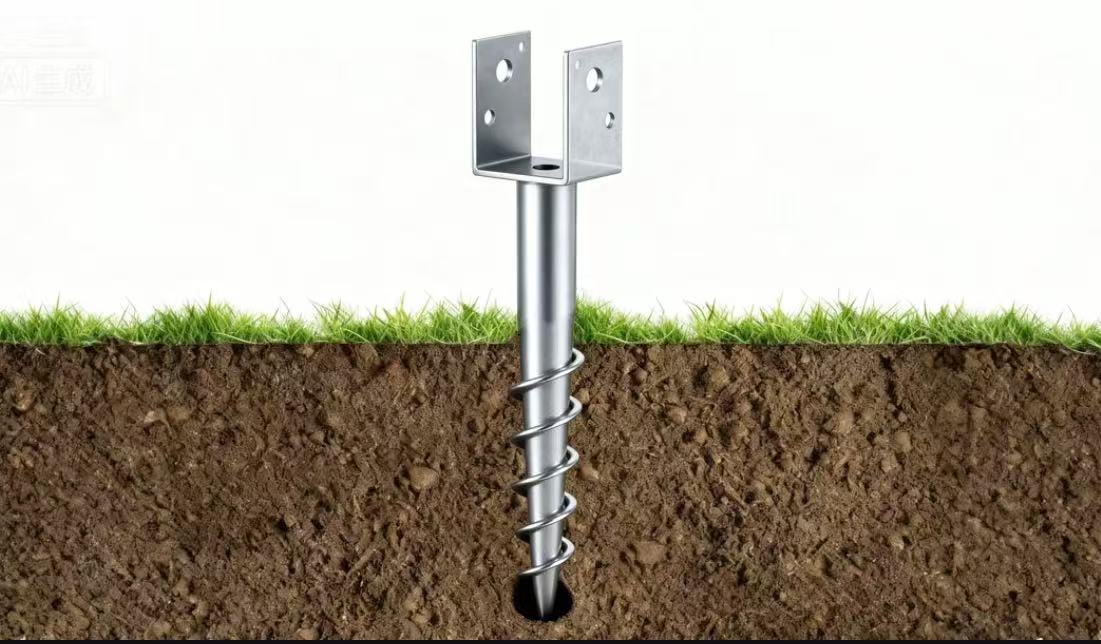
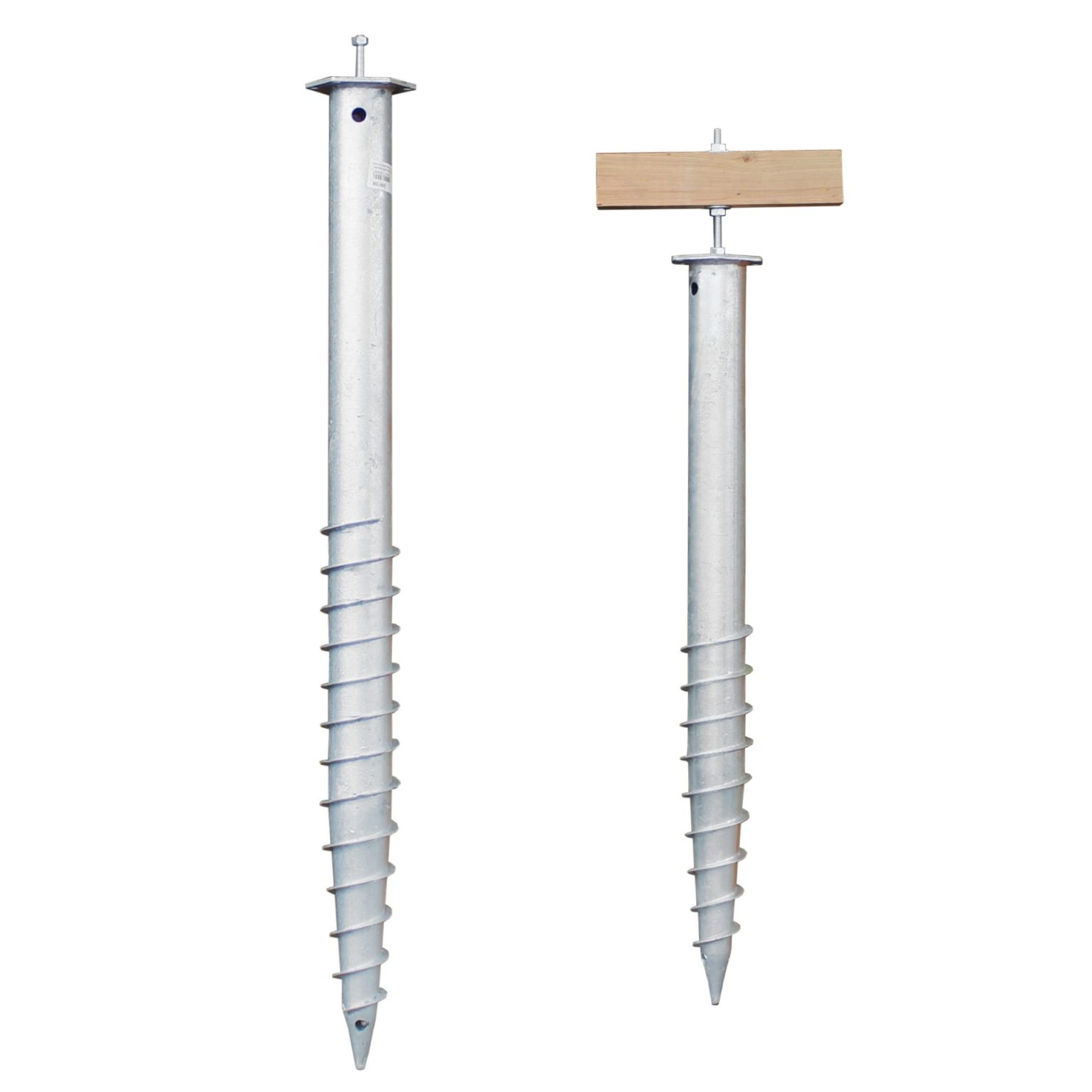
A screw anchor for fence post serves as a practical ground support option that takes the place of old-style concrete bases. People often call it a helical ground anchor. It features a sturdy steel shaft fitted with twisted blades that turn easily into the earth. These twisted or helical blades are built to form a firm hold by means of a turning force during setup. Builders usually make these anchors from galvanized steel. This choice provides strong protection against rust and reliable service over many years.
Unlike older approaches, fence post screw anchors go in fast without requiring concrete mixing or digging holes. As a result, these anchors work well for people doing projects on their own or for builders with tight schedules. Ground screws are shifting from specialized uses to common practice. This happens because people in construction want quicker, neater, and more flexible bases.
How Fence Post Screw Anchors Work in Ground Support
The basic idea behind a fence post screw anchor comes from its twisted blade setup. When you drive the screw into the soil with hand tools or machines, the blades grab the nearby dirt, creating strong friction and solid weight-holding power.
The turning force during setup allows deep entry and firmness. Plus, since there’s no waiting for drying, the anchor offers instant support for loads right after placement. This proves helpful for setups on uneven land, different kinds of dirt, or places affected by weather.
Comparing Fence Post Screw Anchors with Traditional Methods
Traditional Fence Post Installation Techniques
Standard ways to set up fence posts usually mean digging a hole first. Then, you position the post and pack it with concrete. After that, you wait a few days for it to harden. This method demands a lot of effort, depends on good weather, and can slow down the whole job.
Moreover, concrete bases might split from freezing ground or changing soil over time. Such issues can cause weakness in the structure, leading to fixes down the line.
Unlike the older and more labor-intensive methods, such as the fence post spike support ground screw, which requires digging and concrete work, the fence post screw anchor provides a quicker, more reliable solution with less environmental impact.
Key Differences in Installation Process
Fence post screw anchors get rid of several drawbacks in older techniques:
| Feature | Traditional Concrete Method | Fence Post Screw Anchor |
|---|---|---|
| Excavation Required | Yes | No |
| Concrete Mix Needed | Yes | No |
| Installation Time | Hours to Days | Minutes |
| Weather Dependency | High | Low |
| Reusability | No | Yes |
On hilly yards, screw foundations let you set up garden sheds, patios, and shelters in just hours. You can add weight right away, without waiting for concrete to set or dealing with extra dirt.
Performance Comparison: Stability and Longevity
Fence post screw anchors perform better in spots with shifting ground or cold weather risks. The galvanized steel build gives lasting defence against rust, even near the sea or in damp areas.
Hot-dip galvanized connectors come with a thicker layer (60-85μm) and better resistance to wear. These connectors suit long outdoor use. If placed properly, screw anchors keep their weight-holding strength in soils like sand, clay, and loam.
Advantages of Using Fence Post Screw Anchors
Ease of Installation and Time Efficiency
The biggest plus is how simple and quick they are. You don’t need big machines or expert help for fence post screw anchors. Homeowners and small builders are adopting these for the same reasons. Thus, they make a great choice for barriers, platforms, and yard builds.
The anchors also shine in far-off spots or without power sources, where mixing concrete isn’t practical.
Environmental Benefits of Ground Screw Installation
Screw anchors disturb the soil very little, skipping the chemical runoff that comes with concrete. In contrast to usual concrete bases, ground piles fit straight into the earth without digging. This boosts overall efficiency a lot. What’s more, you can often pull out the parts and use them elsewhere. That cuts down on harm to the environment even further.
Cost Effectiveness Over Time
Upfront prices might seem steeper than simple concrete supplies. However, screw anchors lower the full job costs by skipping hard work and wasted materials. These kind of anchors fit both short-term and lasting builds, particularly where regular concrete bases aren’t practical or cheap.
Key Features of Heavy Duty Ground Screws for Fence Posts
Design Specifications That Enhance Performance
Threaded Helical Blades for Soil Penetration
Blades with thick threads give a better hold in loose or soft dirt, letting the anchor sink into the ground with little pushback.
Galvanized Steel Construction for Durability
The galvanized layer creates a solid shield. It stands up well to rust, water, and harsh chemicals. Therefore, it promises steady strength for all kinds of outside jobs.
Integrated Brackets or Caps for Easy Mounting
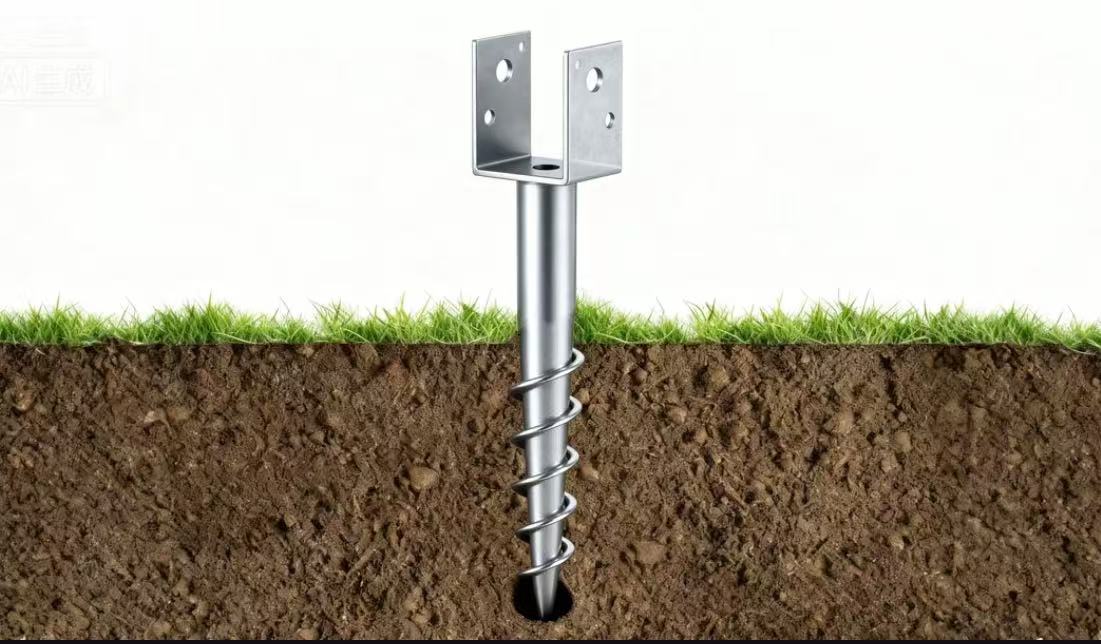
Many STRZ ground screws include built-in U-brackets, such as the U10x70x4x85x1000x1.8 HDG ECO ground screw. These make linking to wood or metal posts straightforward. The brackets match common fence post sizes exactly, and also have ready holes for simple bolting.
Compatibility with Various Fence Types
Wooden Privacy Fences
STRZ ground screws provide a neat setup that fits well with the look of natural wood. At the same time, these screws deliver strong backing.
Chain-Link Fences
The pull from wire netting works fine with deep thread styles and tougher shafts, like M160x8/7x1600x3.0 mm models.
Decorative Garden Fencing
For lighter builds, quick-setup U-shaped options such as U shape 81×685×1.8 HDG ground screws weigh just 2.12 kg.
Choosing the Right Screw Anchor for Your Fence Project
Factors to Consider When Selecting a Ground Screw Anchor
Soil Type and Load Requirements
In loose soils, you might need longer or broader screws like M120x6/7x1400x3.0 mm. These spread the weight evenly. For firmer ground, shorter versions often do the job.
Fence Height and Wind Exposure
For higher fences, pick deeper anchors such as M68x120x1500 M14 HDG with 400mm thread length. These anchors counter tipping from wind gusts.
Local Building Codes and Regulations
Check local rules every time. STRZ products meet global standards. You can also get them customized via our service, including size changes and better galvanizing choices.
Sizing Guidelines Based on Application Needs
| Application Type | Recommended Model Example | Features |
|---|---|---|
| Light-Duty Residential Fencing | U shape 70x100x885x1.8 HDG | Lightweight, easy to install |
| Heavy-Duty Agricultural or Commercial Use | M160x8/7x1600x3.0 mm | Reinforced shaft & deep threading |
Maintenance Tips and Long-Term Reliability of Fence Post Screw Anchors
Routine Checks to Maintain Structural Integrity
Do yearly reviews to confirm steadiness. Watch for rust signs or soil shifts. If necessary, secure the bolts where posts connect.
How to Extend the Lifespan of Your Ground Screws
In tough spots like beach zones, choose STRZ’s penetration galvanized models. The products resist corrosion strongly while keeping threads easy to turn for adjustments. This finish gives a shinier, tidier look. It also costs less than usual ways, with solid performance.
FAQ
Q: What size fence post screw anchor should I use for a 6-foot privacy fence?
A: For a 6-foot wooden privacy fence exposed to moderate wind, we recommend a model like M68x120x1300 M14 HDG with a minimum 400mm thread depth for optimal anchoring.
Q: Can I install fence post screw anchors in winter or during rainy seasons?
A: Yes, one of the key advantages is that they can be installed in all weather conditions without delay since no curing time is required.
Q: Are STRZ ground screws reusable?
A: Yes. STRZ ground screws can be removed and reinstalled multiple times without compromising their structural integrity when handled correctly.
Q: Do I need any special tools to install a fence post screw anchor?
A: While power drivers improve efficiency, smaller models can be installed using manual tools like T-handles or rod levers.
Q: What’s the difference between hot-dip galvanizing and penetration galvanizing?
A: Hot-dip galvanized connectors have a thicker coating (60 – 85μm) and stronger corrosion resistance, while penetration galvanising provides strong corrosion resistance while ensuring smooth, precise adjustability, making it ideal for adjustable parts.
Related news
-
What to consider when sourcing from kitchen cabinet hinges suppliers

-
Understanding timber structure connections for strong and lasting joints
-
Indoor vs. Outdoor: Best Galvanized Joist Hangers for Floor Joists and Decks
-
The Expert’s Checklist: Installing a Joist Hanger Without Fastener Errors
-
How Welding Hinge Manufacturers Define Quality and Durability

 Consult
 Whatsapp
 Leave Message
 top
top