







Les 5 principaux problèmes lors de l'installation de suspendues en bois dans des projets résidentiels

In current home building, a building’s strength usually depends on basic parts. Wooden joist hangers stand out among them. These items strengthen links between joists, rafters, and beams. You might frame a roof truss or set up an outside deck. In both cases, these rust-proof building fasteners keep things steady and safe over time. Still, even top-quality parts can give out if setup problems go unnoticed.
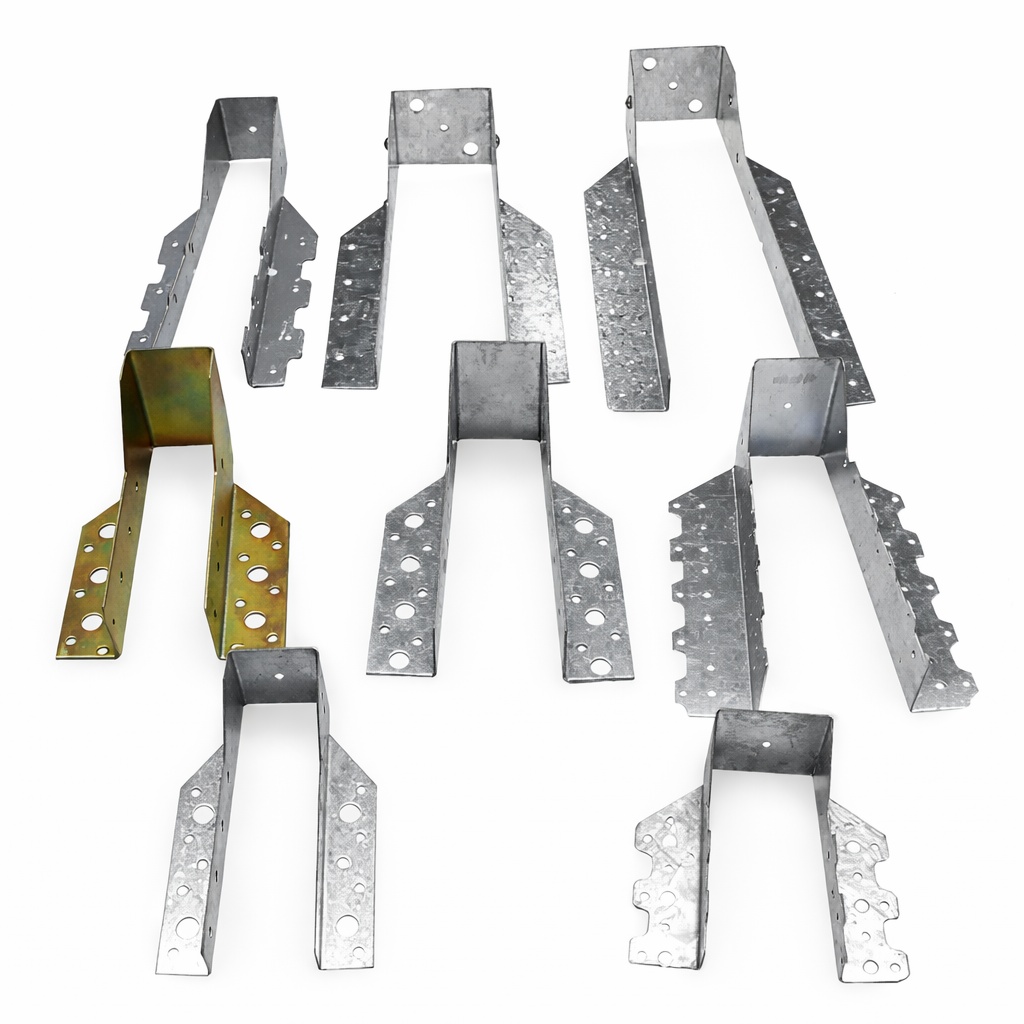
Both experts and home workers need to grasp the details of timber frame joist hangers. They also should know about special types like the double shear joist hanger. This piece looks at the main problems that come up during setup. It covers ways to fix them with strong options.
1. Improper Fastener Selection and Usage
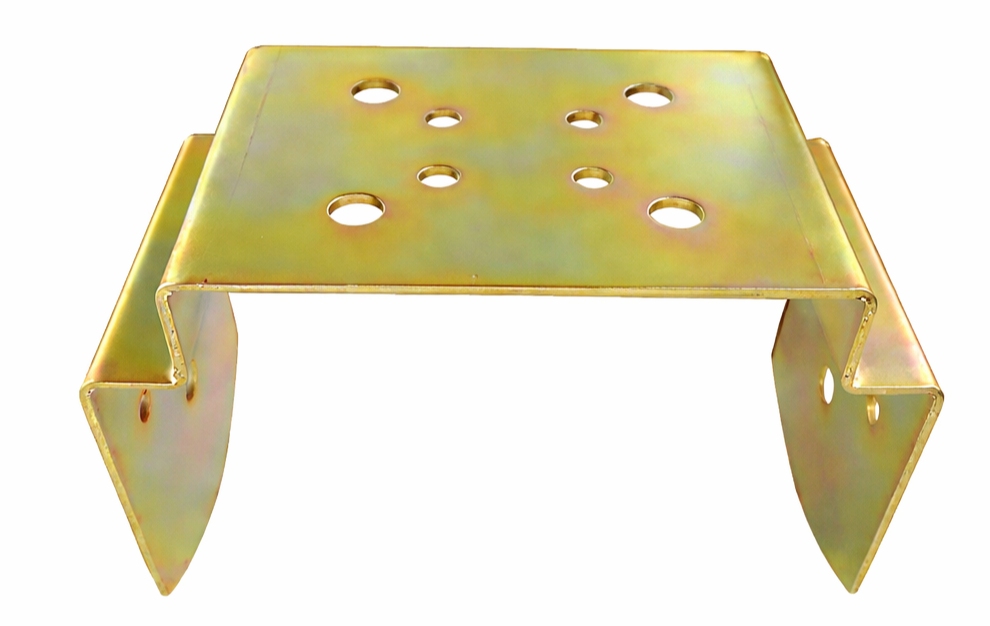
A common error in home jobs involves picking the wrong fasteners. Wooden joist hangers get made with exact hole spots. Those spots usually measure 4.5–6mm across, fitting certain wood screws.
The Risk of Non-Galvanized Fasteners
Plain or cheap screws with coated hangers form a weak spot. The hanger may hold off rust well. But the screw can break down and cause the whole link to fail. Workers should pick coated wood screws that match. Sizes like M4×25mm or M5×35mm work best, which keeps the outer shield solid.
Understanding Double Shear Joist Hangers
The double shear joist hanger has a clear setup. Fasteners go in at a slant through the joist and header. This builds a firmer tie, spreading the weight over two flat areas. One usual problem is using nails or screws of the wrong length for those slanted spots. That stops the double shear effect. As a result, the holding power drops a lot. For basic types, it should stay between 800N and 1200N.
2. Environmental Corrosion and Material Mismatch
Not every rust-proof layer works the same. A key problem in homework is skipping the right layer thickness for the setting.
Indoor vs. Outdoor Specifications
Dry inside spots often do fine with electric-coated links. Those have a layer of 8–15µm and save money too. But putting them on an outside deck spells trouble. For wet outdoor spots, you need dip-coated links. Those reach 60–85µm thick, fighting water and chemical wear better.
Performance in Harsh Climates
Homes near the sea deal with heavy salt air. Basic coatings fall short there. STRZ steps in with special layers up to 100µm thick. Workers must also think about the heat range. For these items, it runs from -40°C to 80°C. Skipping that can cut how well the parts perform in tough weather.
|
Caractéristique |
Electro-Galvanized |
Hot-Dip Galvanized |
|
Coating Thickness |
8–15µm |
60–85µm |
|
Best Use |
Indoor, dry environments |
Outdoor, humid environments |
|
Service Life (Outdoor) |
Short-term |
10–15 years longer than uncoated |
|
Warranty |
3 Years |
5 Years |
3. Structural Alignment and Wood Compatibility
Getting the wooden joist hangers lined up right matters a great deal. It helps pass weight smoothly.
Joist Rotation and Gaps
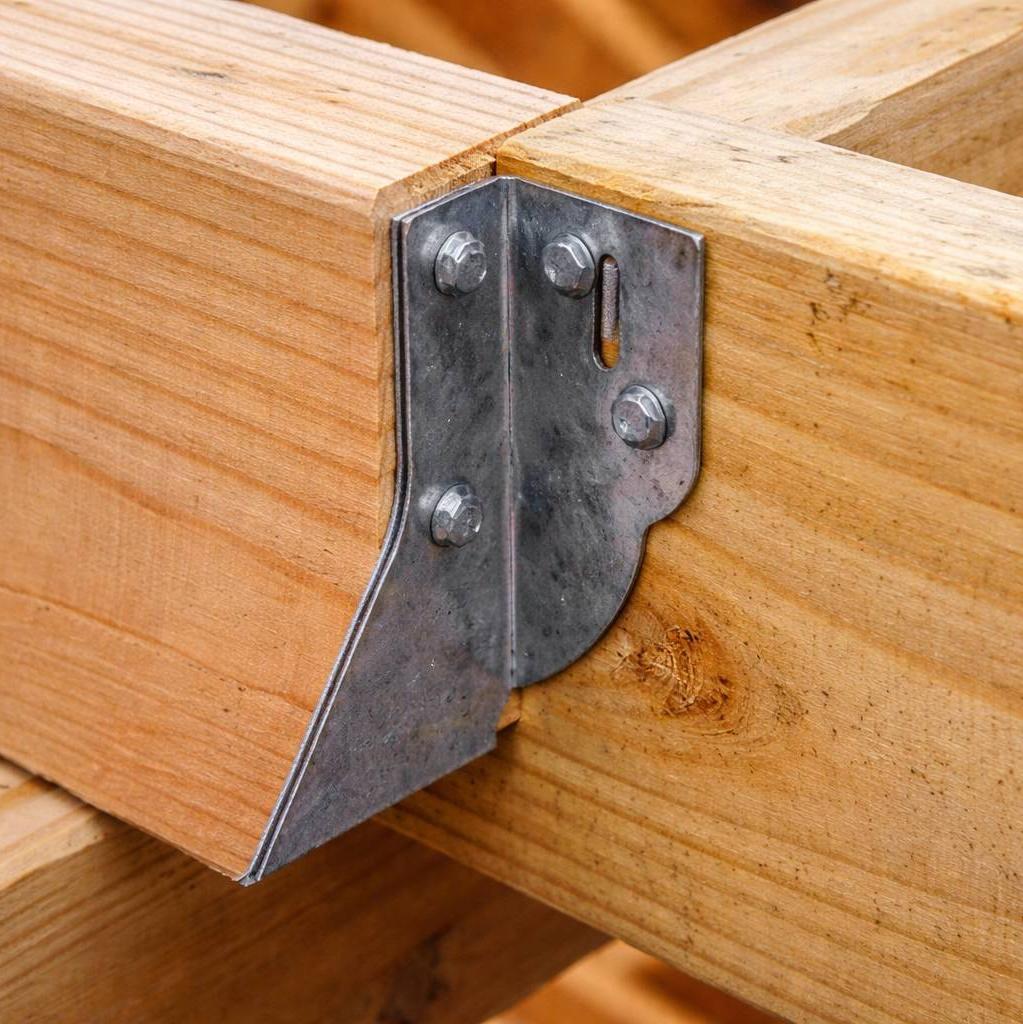
When a joist sits loose at the hanger’s base, problems start. Or if space shows between the joist end and the header, it worsens. The tie might let the joist turn. That shakes the full floor or roof setup. Hangers come with carefully built for easy lining. But the worker has to make sure the wood frame presses flat to the metal.
Working with High-Density Hardwoods
These links fit woods like pine, oak, and cedar without trouble. Yet workers run into snags with dense types like teak. Pushing fasteners in without a starter hole can split the wood. Then the tie loses all use.
4. The Need for Customized Solutions in Complex Framing
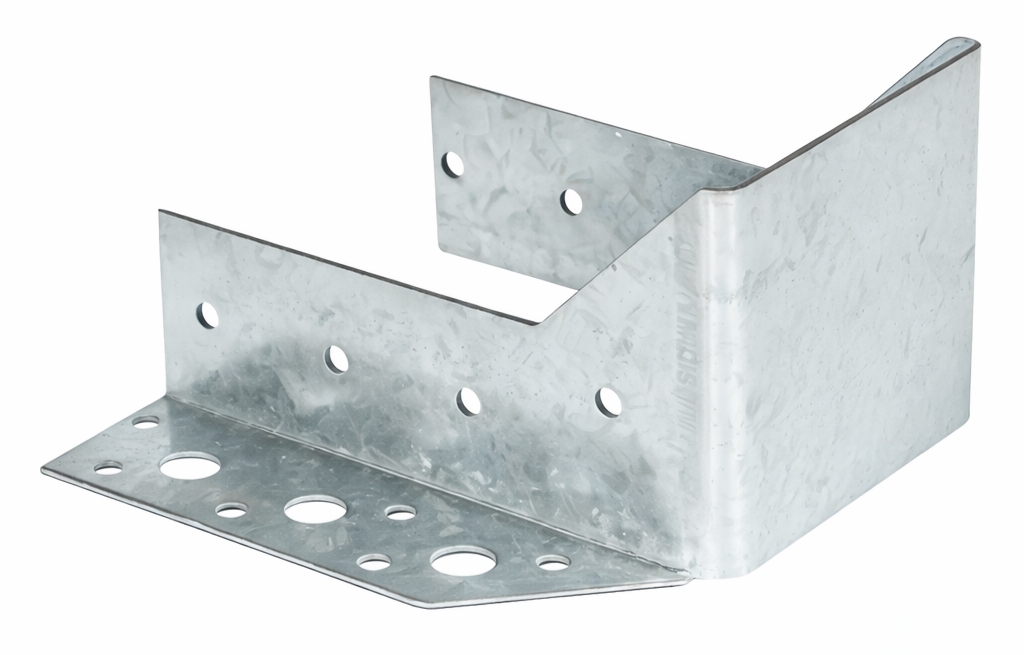
Today’s home designs often use odd wood sizes. A regular 40x94x2.0mm wooden joist hanger may not fit a beam well. Customized joist hanger solutions allow precise dimensional matching, ensuring optimal load transfer, clean installation, and consistent structural performance across complex framing scenarios.
Specialized Requirements
The field now leans on made-to-order help, covering a few areas. Size tweaks change length, width, and hole spots to fit exact wood parts.
Job tweaks add extras like grip washers or shake pads. These suit spots with quake risks.
STRZ has used these fixes around the world. One example comes from the U.S. There, 10,000 sets of wooden joist hangers went to a home area. They passed all local checks thanks to the exact match.
5. Maintenance and Post-Installation Care
Lots of workers think the task ends once the hanger sits in place. But the setup steps can leave weak points.
Handling Surface Damage
A tool scratch on the rust-proof layer opens the metal to rust. A quick fix with repair spray covers those spots. Many skip this simple move.
Long-term Tightness
Areas with shakes or wood swelling can loosen screws as time goes on. A rust-fighting oil keeps screws firm. It stops the build from coming apart.
Conclusion
Proper installation of wooden joist hangers is fundamental to long-term structural safety in residential construction. Selecting materials suited to the specific environment, pairing them with compatible coated fasteners, and seeking customized solutions for complex framing conditions allow builders to create stable, code-compliant assemblies that maintain strength and reliability for years to come.
For big home jobs, STRZ offers full help. It starts with picking materials and ends with support after the sale. This makes sure timber frame joist hangers hit the top global rules.
FAQ (questions fréquentes)
Q: Can I use standard nails with my wooden joist hangers?
A: Experts suggest coated wood screws like M4×25mm or M5×35mm over plain nails. Nails often miss the hanger’s rust hold. They also pull out easier than special screws.
Q: Will the galvanized coating peel off if I hit the hanger with a hammer?
A: The rust layer sticks tight to the metal base. Use normal tools and skip hard hits in one spot. The cover stays whole then.
Q: How do I know if a joist hanger meets safety standards for my residential project?
A: Check for matches to rules like ASTM or DIN. Good makers give test papers for each lot. Those follow ASTM D1761 to prove holding power.
Q: Are timber frame joist hangers suitable for coastal homes?
A: Yes. But pick the right cover. For sea spots, ask for boosted layers up to 100µm thick. This handles high salt well.
Q: What is the load-bearing capacity of a typical joist hanger?
A: It changes by type. But basic coated ones hold 800N to 1200N. Check the model’s tag before setup.
Nouvelles connexes
-
What to consider when sourcing from kitchen cabinet hinges suppliers

-
Understanding timber structure connections for strong and lasting joints
-
Indoor vs. Outdoor: Best Galvanized Joist Hangers for Floor Joists and Decks
-
La liste de contrôle de l'expert: Installation d'un accroche Joist sans erreurs de fixation
-
Comment les fabricants de charnières de soudage définissent la qualité et la durabilité


 Consulter
 sur Whatsapp
 Laisser un message
 haut
haut