





5 tipos comunes de conectores de madera y cuándo usarlos
In today’s building world, a structure’s strength depends on its most fragile part. Mass timber and heavy timber framing grow in use worldwide. People choose them for green benefits and good looks. Because of this, structural timber connectors shift from basic parts to key build elements.
If you build a home platform or lead a big business job with glulam connectors, you need to know the main types of timber connections. This knowledge helps keep things safe, lasting, and up to world build rules. Our guide covers five key connectors. It shows how such items improve timber builds.
Joist Hangers: The Foundation of Floor and Ceiling Stability
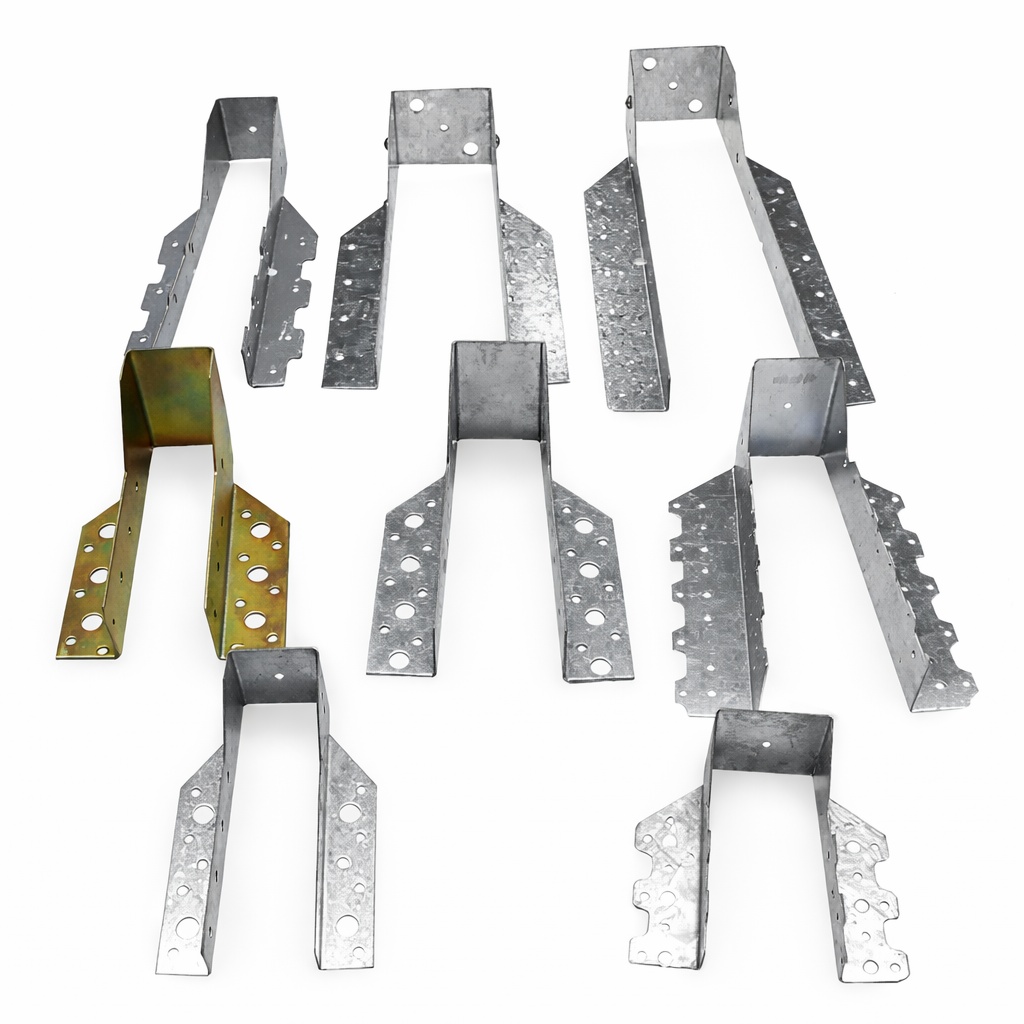
Joist hangers rank as the best-known structural timber connectors in the field. Builders use them to keep timber joists steady. Most often, these connect floor or ceiling beams to a main support.
- Product Details: Top hangers come from strong galvanized steel, like Q235 steel.Common sizes accommodate standard timber dimensions like 2x4up to 2×12 inches, with thicknesses ranging from 1.0mm to 3.0 mm to handle different shear loads.
- When to Use: Pick joist hangers to move straight-down weight from a side beam to a hold-up beam. Such items prove vital in home floors and yard platform frames.
- Customized Advantage: For odd building plans, made-to-fit joist hangers get built with set slant angles, such as 45-degree slopes. This fits tricky roof shapes.
Rafter Ties and Beam Hangers: Defying Wind and Snow
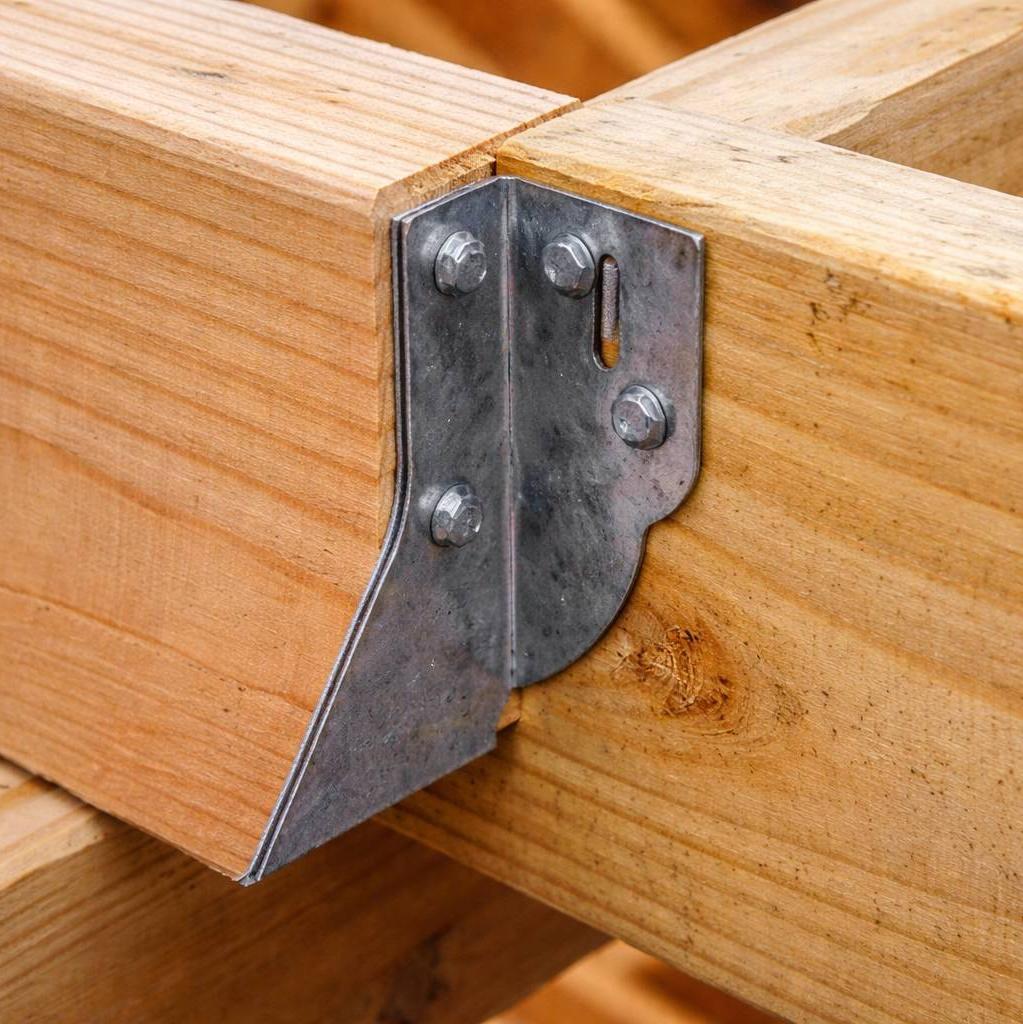
Joist hangers manage down-pull from weight. But rafter ties and beam hangers work to fight push-out force and lift-up pull from wind or thick snow buildup.
- Technical Specifications: These connectors show a “U-shape”or “Face-mount” A hot-dip galvanization (HDG) treatment covers them with at least to thickness. This holds up against dampness in roof or attic spots.
- The Problem They Solve: Without such connectors, timber beams count only on angled nails. That method can crack the wood lines. It fails fast under side push.
- Application: These suit roof frame setups and wide-beam links in big open storage buildings.
Glulam Connectors: Supporting Heavy-Duty Mass Timber
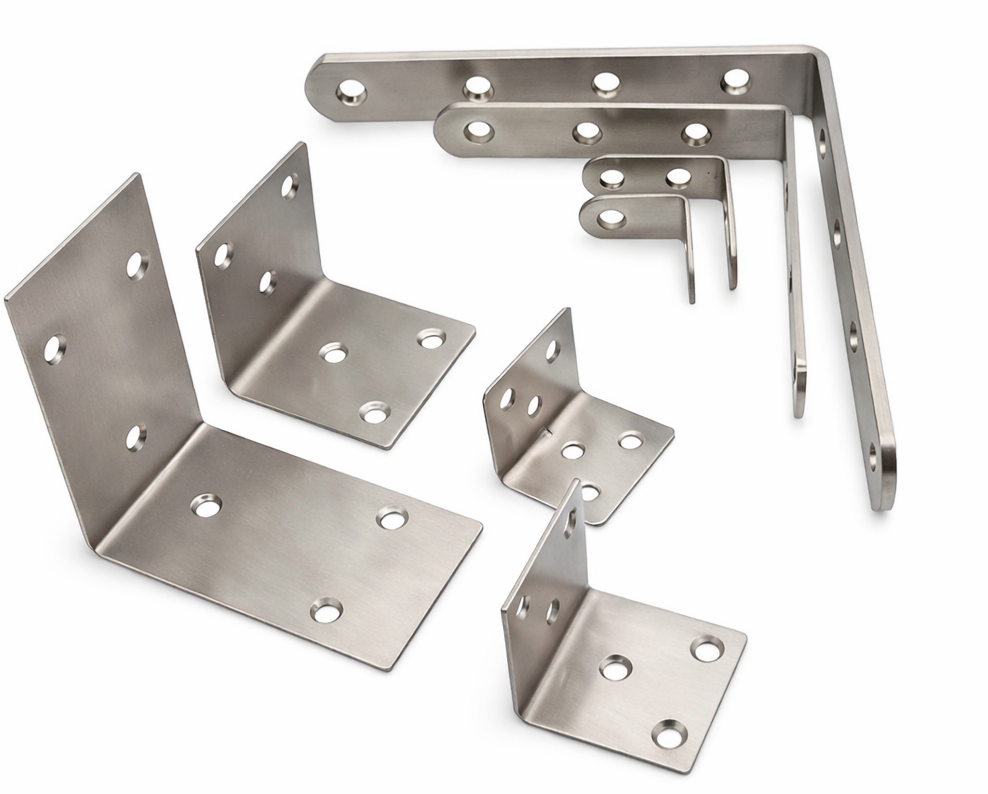
Glulam, or glued laminated timber, turns common in tall wood buildings. So, special glulam connectors become a must. These differ from shop brackets. These connectors serve as tough parts for large wood sections.
- Material Strength: Glulam setups face weights over 1500N. For that reason, connectors use high-power carbon steel or stainless steel 316 in harsh spots.
- Precision and Customization: Glulam beams get made ahead in plants. Thus, connectors need exact build work. Made-to-fit hole setups and tucked edge styles often get asked for. This keeps the wood’s clean look.
- When to Use: These prove key for public works, office spaces, and jobs with spans over 6 meters.
Angle Brackets and Reinforcement Plates: The Multi-Purpose Solution
Angle brackets act as the all-around helpers among types of timber connectors. These items go from small shelf joins to big build boosts. Their range beats others.
|
Connector Type |
Material Thickness |
Best Use Case |
Finish Options |
|
Heavy-Duty Angle Bracket |
3.0mm-8.0mm |
Structural beam-to-column support |
Hot-dip galvanized / Powder coated |
|
Reinforced Ribbed Bracket |
2.0mm-4.0mm |
Bracing against lateral loads |
Zinc plated / Stainless steel |
|
Small Utility Angle |
1.0mm-2.5mm |
Cabinetry, fences, and light framing |
Electro-galvanized |
- Durability: For yard work like fences or open shelters, connectors with strong salt-spray hold, able to withstand, and keep the wood from pulling loose. This happens from yearly swell and shrinkage.
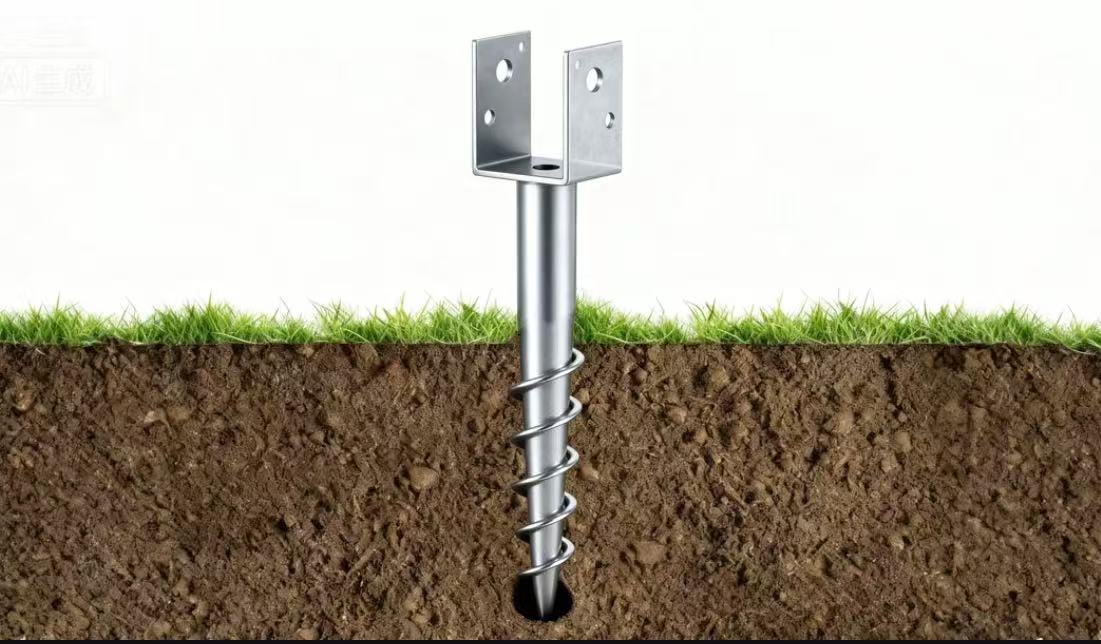
5. Post Bases and Anchors: Protecting the Timber-to-Concrete Interface
The weakest spot in any wooden build lies where timber touches the earth. Water pulled from concrete causes decay in weeks. Post bases block this and hold firm.
- Design Features: Fine post bases offer a “stand-off”lift of about an inch. This keeps wood away from concrete. It lets water drain and air move.
- Load Transfer: Such bases lock upright posts from lift-up by wind and side slides.
- Customized Solutions: In beach zones or shake-risk areas, made-to-fit thick anchor bolts and wider base sheets meet area safety rules.
Technical Comparison: Connector Materials and Performance
Picking the best material counts as much as the connector form. Here, you see a side-by-side look based on field rules for structural timber hardware.
|
Características |
Electro-Galvanized (Zinc) |
Hot-Dip Galvanized (HDG) |
Stainless Steel (304/316) |
|
Corrosion Resistance |
Low (Indoor only) |
High (Outdoor/Industrial) |
Excellent (Coastal/Chemical) |
|
Coating Thickness |
5μm-12μm |
50μm-100μm |
N/A (Internal alloy) |
|
Lifespan |
5–10 years |
25–50 years |
50+ years |
|
Temperature Range |
-20℃-60℃ |
-40℃- 120℃ |
-196℃-800℃ |
Why Customization Matters in Modern Procurement
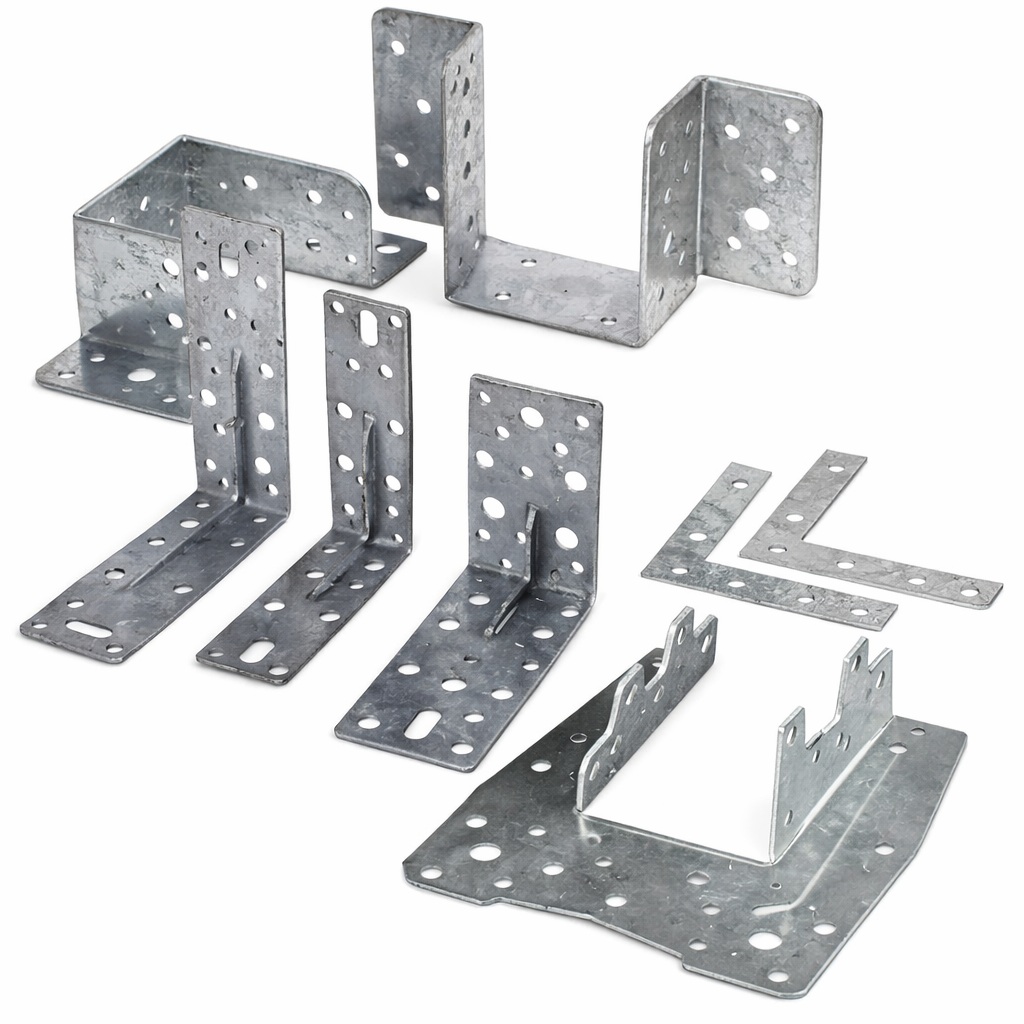
In the world business market, ready-made items seldom match exact needs. European jobs might need DIN rule fits. North American work seeks ASTM marks.
Choosing made-to-fit options lets builders set details like:
- Hole Diameters: Fitting certain bolt levels or screw kinds.
- Surface Treatment: Going with the build’s style, for example, black powder coating for “factory-look”
- Gauge Thickness: Boosting the steel depth for storm or ground-shake zones.
Take a fresh job with Europe Yard Planners. It called for special post feet to handle harsh mountain colds. A made-to-fit plan with extra weld strength and a zinc layer gave the lasting power that basic parts lacked.
Conclusión
Choosing proper types of timber connections blends build know-how, material facts, and money sense. From the solid help of joist hangers to the exact needs of glulam connectors, good parts make sure wood buildings stay safe and green for years ahead.
STRZ focuses on making strong structural timber connectors. These meet tough world rules. Our group knows the twists of global build work. We give full made-to-fit help, from first drawing plans to last cover work. If you want usual big-run parts or a special kit for a one-of-a-kind build wonder, STRZ brings the trust and skill your job needs.
Want to better your next job with tough timber connectors? Reach STRZ now for a build talk and a made-for-you price.
Preguntas frecuentes
Q: Can I use standard steel connectors with pressure-treated lumber?
A: No. Pressure-treated wood holds chemicals that eat away at plain steel fast. You need hot-dip galvanized or stainless steel structural timber connectors to stop early breakdowns.
Q: What is the difference between a joist hanger and a beam hanger?
A: While they look similar, beam hangers are typically larger and made of thicker steel to support the primary load-bearing members of a building, whereas joist hangers support the secondary horizontal infill members.
Q: How do glulam connectors differ from regular timber connectors?
A: Glulam connectors are designed for much higher load capacities and often account for the specific dimensional stability of glued laminated timber. They are frequently hidden within the beam for fire protection and aesthetics.
Q: Are customized connectors more expensive than standard ones?
A: While the unit price may be higher due to specialised tooling or materials, customized connectors often reduce total project costs by speeding up installation time and reducing the need for on-site modifications.
Q: What standards should I look for when importing connectors from China?
A: Ensure the manufacturer complies with ISO 9001 and provides material test reports (MTRs) that align with ASTM or EN 10025 standards for structural steel.
Noticias relacionadas
-
What to consider when sourcing from kitchen cabinet hinges suppliers

-
Understanding timber structure connections for strong and lasting joints
-
Indoor vs. Outdoor: Best Galvanized Joist Hangers for Floor Joists and Decks
-
La lista de verificación del experto: Instalación de una colgante de joyst sin errores de fijación
-
Cómo los fabricantes de bisagras de soldadura definen la calidad y la durabilidad


 Consultar
 Aplicación Whatsapp
 Dejar mensaje
 arriba