



Understanding timber structure connections for strong and lasting joints
What Are Timber Structure Connections
Timber structure connections mean the joints and fasteners that tie together different wood pieces, like beams, rafters, and columns. They form one solid building system. These links make sure each part teams up to spread out and handle loads without danger.
Today’s construction of wooden buildings relies more on designed connectors rather than older-style joints. Dovetail or mortise-and-tenon joints still show up in furniture making and traditional construction methods. Nonetheless, modern wood building employs mechanical fasteners as these provide stronger holds and more precise fits in large-scale projects.
Precision Design: Set hole spots and true sizes make it simple to match with wood parts. This eases the setup process.
Types of Timber Connectors Used in Construction
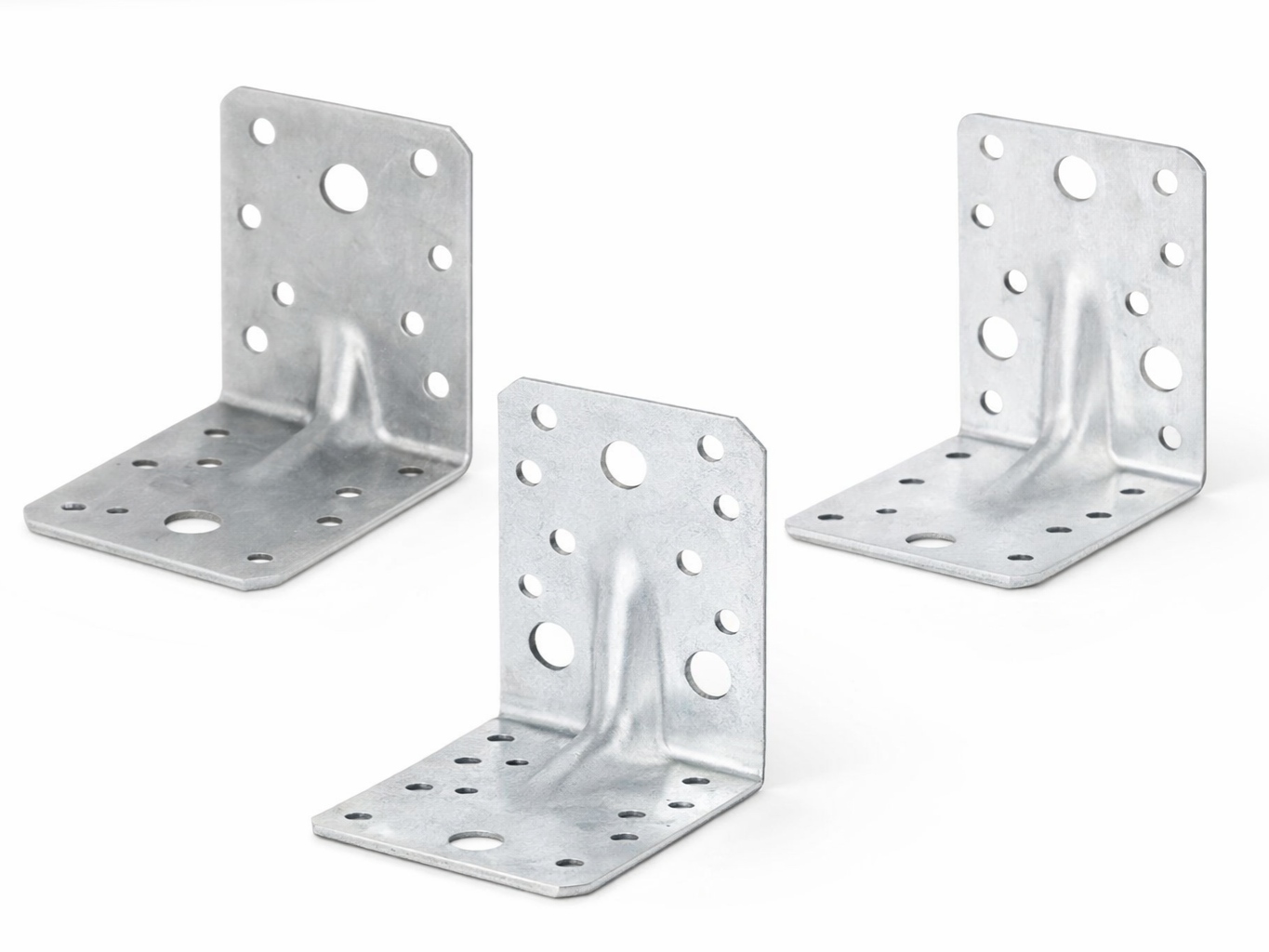
Angle Brackets and Corner Connectors
Angle brackets add support at right-angle joins and are a common example among types of timber connectors used to reinforce corner joints.People often use them in wood frames, fences, and furniture pieces.
Pick light galvanized angle brackets for wooden displays in malls and ceiling setups. Their clean look keeps the style intact. At the same time, these items guard the safety of those who display builds. Standard options cover ST8604 (20×20×15×2mm) and ST5005 (30×30×15×1.5mm). These fit well for easy to average tasks.
Joist Hangers and Beam Hangers
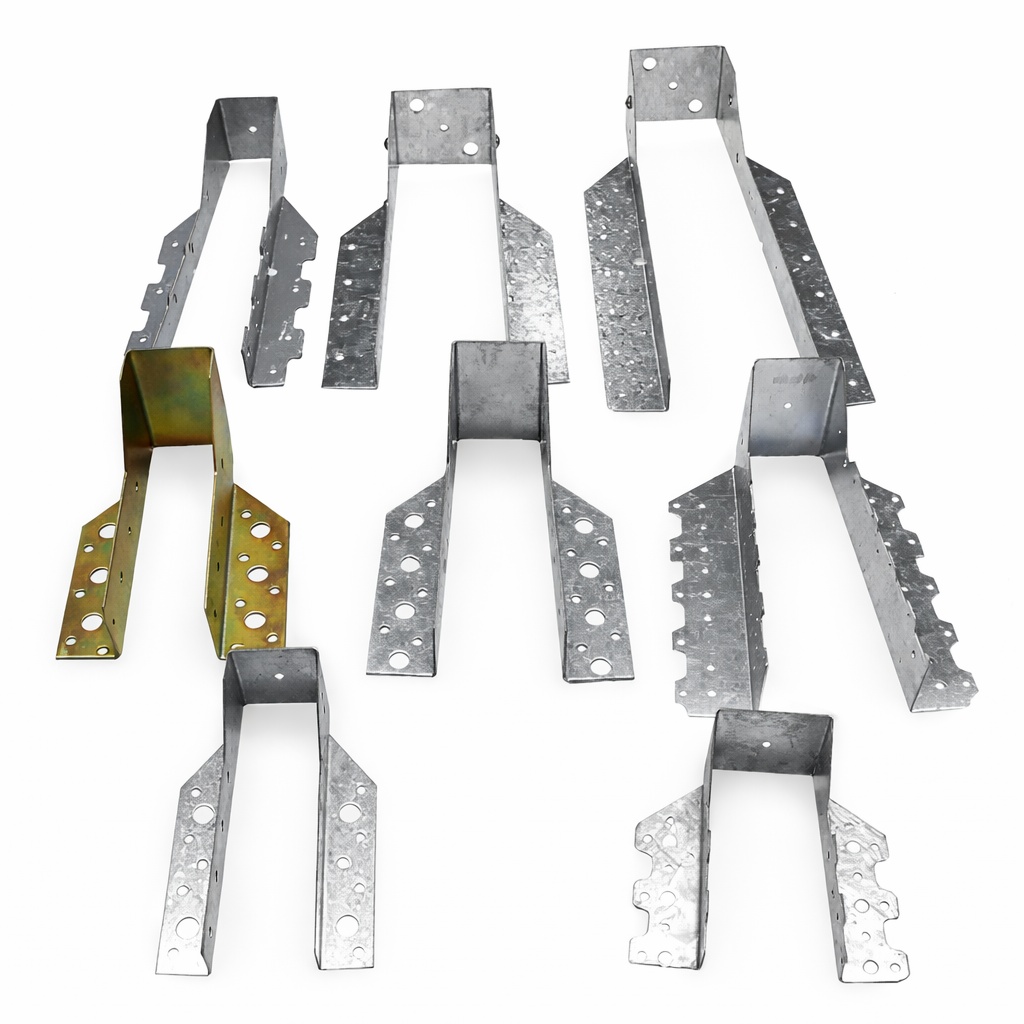
Joist hanger aims to hold up floor joists. It stops them from turning and keeps the load passing steady. Such items prove key in floor frames and deck builds. There, the upright weight needs a safe handover.
Apply galvanized joist hangers and angle brackets to secure deck joists and posts. Their resistance to rust stretches the deck’s working life to 15 years. That doubles the time compared to plain, uncoated options.
Rafter Ties and Truss Connectors
These come into play in roof frames to link rafters to level beams. Rafter ties fight against wind, pull and snow weight.
Using galvanised rafter ties and beam hangers to link the rafters and beams adds strength to the roof, enabling it to withstand stronger winds and snow. Tests in spots with lots of snow show it cuts roof breakdowns by 60%.
Plates, Straps, and Flat Connectors
These connectors represent flexible types of timber connectors used to distribute lateral forces and reinforce overlapping timber joints.
These level metal pieces spread out side forces and add strength at overlap joins. Popular choices include ST7047 (40×160×2.0mm) flat connectors.
Post Bases and Anchors
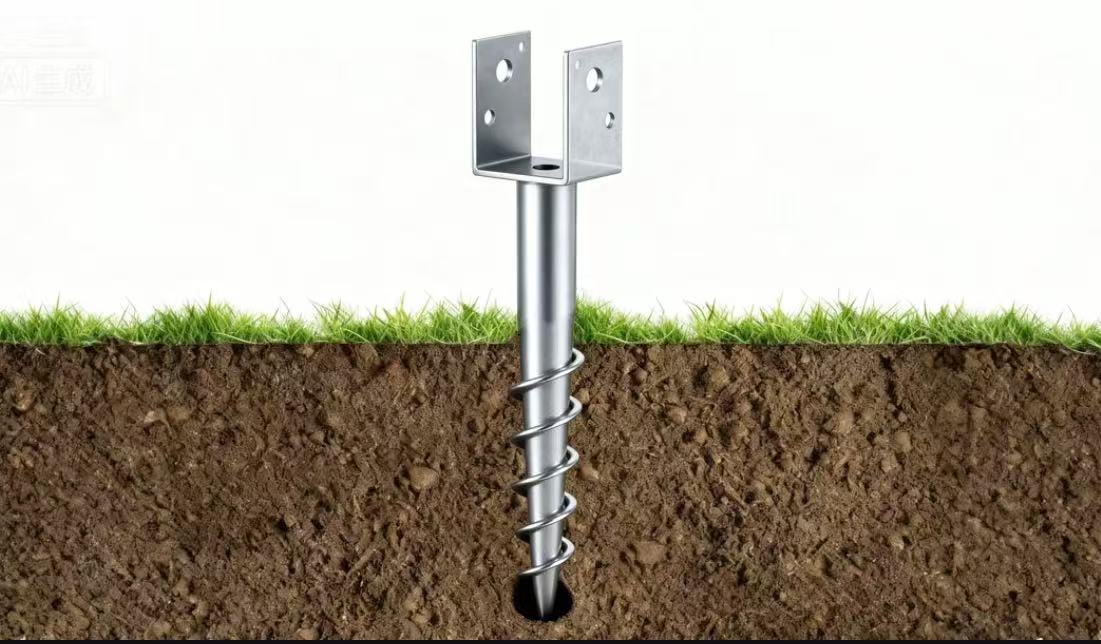
Linking wood columns to concrete bases or ground requires tough post anchors. This setup blocks water from getting in.
Post anchors like ST7057 with deep galvanizing give better fight against rust in open settings. These items come with seals that resist rust for wet, high-moisture cases.
Key Performance Factors in Timber Structure Connections
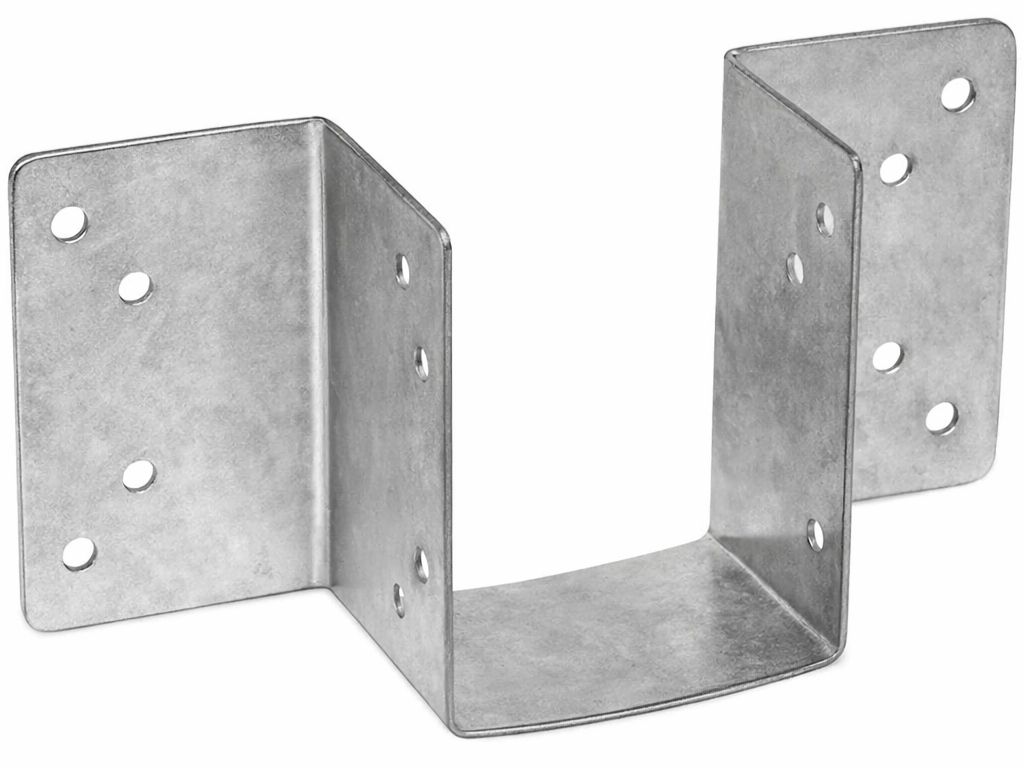
Load-Bearing Capacity and Structural Strength
Load-Bearing Capacity: This marks the top weight a connector can take without bending or breaking. It shows how safe the structure stands. Tests that meet standards, like ASTM D1761, confirm it follows safety rules.
Joist hangers: 800–1200N based on their size. The full lineup ranges from 500–5000N across various models.
Corrosion Resistance and Environmental Exposure
In open or seaside builds, fighting rust turns vital. The galvanized layer builds a tight shield. It stands firm against rust, dampness, and harsh chemicals. Thus, it works fine inside or outside.
Precision Design and Installation Accuracy
Set hole places and exact sizes, let connectors line up smoothly with wood parts. This makes setup quicker. Plus, it guarantees the build’s dependability by sharing loads evenly.
Material Choices for Timber Connectors
|
Material Type |
Finish Type |
Best Use Scenarios |
Galvanization Thickness |
|
Q235 Steel |
Hot-Dip Galvanized |
Outdoor decks, roofs |
60–85μm |
|
304 Stainless Steel |
Electro-Galvanized |
Coastal regions, high humidity zones |
8–15μm |
Galvanized Steel Timber Connectors
Connectors with hot-dip galvanizing carry a thicker layer (60–85μm). These connectors offer solid defence against rust. This makes them great for long outdoor service.
Stainless Steel Timber Connectors
304 stainless steel brings lasting resistance against rust for open and seaside jobs, making it a preferred material for stainless steel timber connectors. It suits cases where long life matters or saltwater exposure looms.
How to Choose the Right Material for Your Project
Think about these points:
- Climate: Coastal → stainless; temperate → galvanized
- Longevity: >10 years → hot-dip galvanized or stainless
- Maintenance: Low-maintenance → choose rust-resistant material
Application Scenarios for Timber Structure Connections
Residential Buildings
Residential Construction: Links for roof trusses, fixing floor joists, framing decks, and strengthening porch setups.
Commercial and Public Structures
Commercial Buildings: Wooden shelters, decor in shopping malls, and frames for office partitions.
Outdoor Landscaping and Garden Structures
Outdoor Landscaping: Wooden supports in gardens, fences, platforms outside, and walkways in scenic areas.
Furniture and Prefabricated Timber Products
Production of Furniture: Strong wooden cupboards, bookshelves and beds which withstand the weight of their contents. Small angle irons such as ST02515 (25mm x 25mm x 15mm x 2mm) are commonly used in cabinet manufacture.
By selecting well-planned timber connectors, builders can focus on material kind, build role, weather contact, and proven tests. This leads to safer, more enduring wood projects in many fields.
Ready to Strengthen Your Next Timber Project
Whether you need Hot-Dip Galvanized connectors for long-term outdoor durability or precision Angle Brackets for residential framing, STRZ provides engineered solutions that meet international building standards like ASTM and DIN.
- Customized Solutions: We offer tailored dimensions and specialized coatings to match your specific project requirements.
- Proven Reliability: Join builders in over 20 countries who trust our products for superior load-bearing capacity and a service life extended by up to 15 years.
Contact our technical team today for a consultation or a custom quote to ensure your timber joints stand the test of time.
Časté dotazy
Q: How do I know which timber connector suits my structure?
A: Choose based on the connection type (e.g., angle vs joist), load requirements (check N ratings), and environmental conditions (indoor vs outdoor).
Q: Can I use galvanized connectors with hardwoods like teak?
A: Those connectors are compatible with most common woods. For high-density hardwoods (such as teak), it is recommended to pre-drill holes to prevent wood cracking.
Q: Will the galvanized coating peel off during drilling or screwing?
A: No. The galvanized layer is firmly bonded to the steel substrate. As long as standard installation tools are used… the coating will not peel off.
Q: Is it possible to order customized timber connectors?
A: Dimension Customization: Adjust the length, width, and hole positions of connectors according to the customer’s wooden member dimensions.
Q: Are these connectors certified for international construction standards?
A: Compliant with international building codes (such as ASTM, DIN), ensuring compatibility with global wooden structure projects.
Související zprávy
-
What to consider when sourcing from kitchen cabinet hinges suppliers

-
Indoor vs. Outdoor: Best Galvanized Joist Hangers for Floor Joists and Decks
-
Kontrolní seznam odborníka: Instalace věšáku Joist bez chyb upevnění
-
Jak výrobci svařovacích závěsů definují kvalitu a trvanlivost
-
5 Typy dřevěných konektorů a kdy je použít

 konzultovat
 aplikace Whatsapp
 Zanechat zprávu
 nahoře