






Why Are Ground Anchors Becoming Popular in Urban Landscaping Projects?
Introduction
Urban landscaping projects often deal with several challenges. These include tight space limits, different soil conditions, and changing weather patterns. Traditional concrete foundations usually call for deep digging, long drying periods, and special tools. Ground anchors, especially ground screw anchors, screw tent pegs, and polytunnel screw anchors, now serve as modern options. They support quicker, cleaner, and more adaptable setups. Their rising use covers home gardens, business landscapes, and city public works because of their flexibility and small effect on nature. The careful application of ground anchors adds strength while keeping the nearby land intact. This makes them essential in outdoor ground anchoring solutions.
What Are Ground Anchors and How Do They Work?
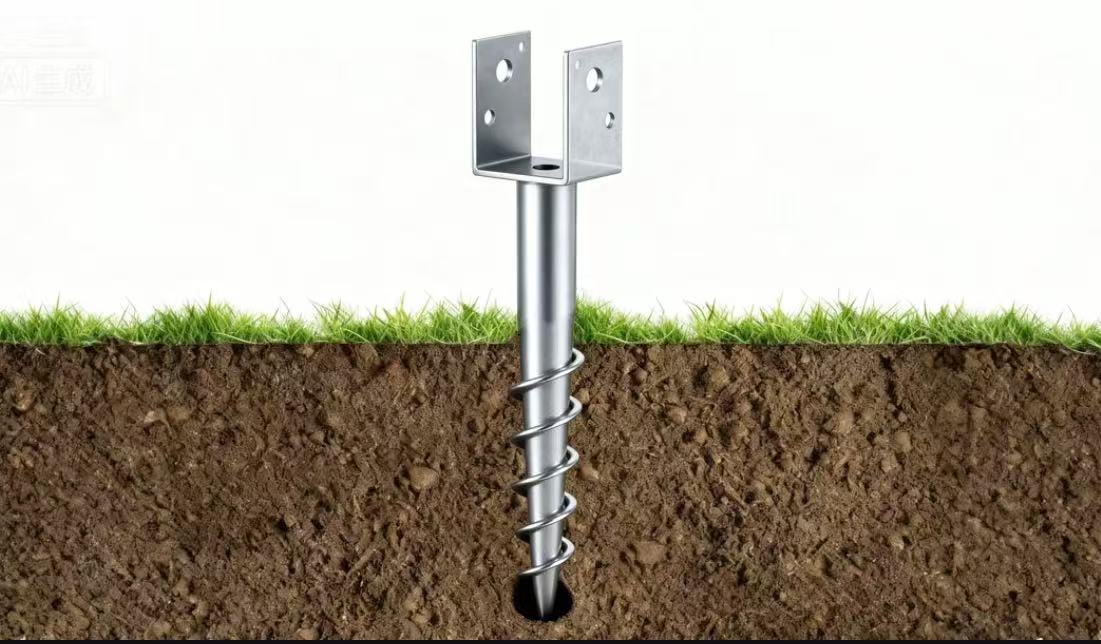
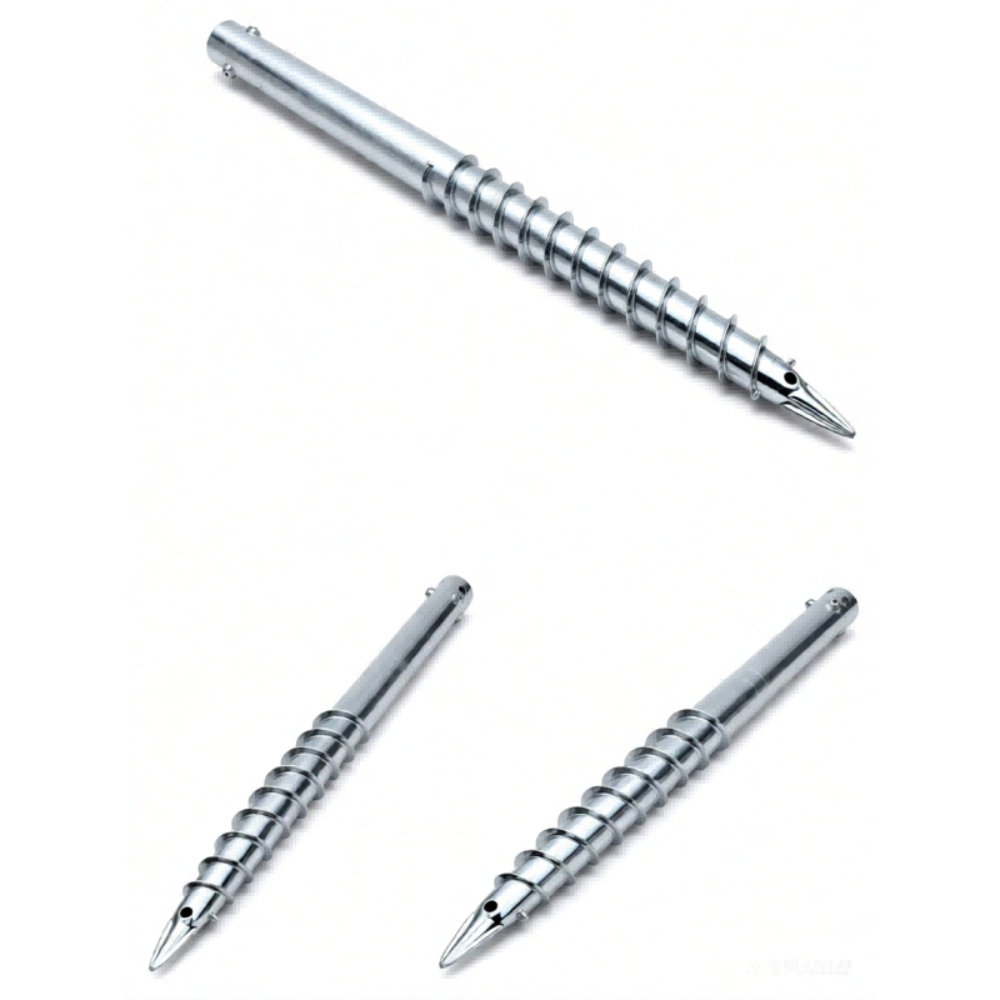
Ground anchors act as tools that fix structures into the soil. They do this by going deep into the ground and holding firm. Their main kinds include ground screw anchors, screw tent pegs, and polytunnel screw anchors. Ground screw anchors work as helical ground screws.They go into the soil through a turning motion and give instant support for loads. Screw tent pegs stay light and small. They suit short-term builds like tents and garden shelters. Polytunnel screw anchors focus on holding greenhouse frames and other garden modules in place.
The setup process starts with placing the anchor straight up. Then workers apply a turning force to drive it to the right depth. After placement, the tight grip between soil and screw threads creates stability. This often matches or beats old concrete bases. Unlike concrete, these anchors permit changes or removal with little harm to the soil.
|
Anchor Type |
Material |
Thread Length |
Tube Thickness |
Weight |
Application |
|
Ground Screw M68x120x1000 |
HDG Steel |
400 mm |
1.8 mm |
3.95 kg |
Decks, garden rooms |
|
Screw Tent Peg U10x70x1000 |
HDG Steel |
400 mm |
1.8 mm |
3.1 kg |
Tents, lightweight structures |
|
Polytunnel Screw Anchor 110x110x1000 |
HDG Steel |
550 mm |
4 mm |
3.84 kg |
Polytunnels, garden frames |
Ground screw anchors and related systems bring strong flexibility. They allow fast installation and quick use. They also support both short-term and long-term outdoor structures with ease.
Why Are They Becoming a Go-To Choice for Urban Landscapes?
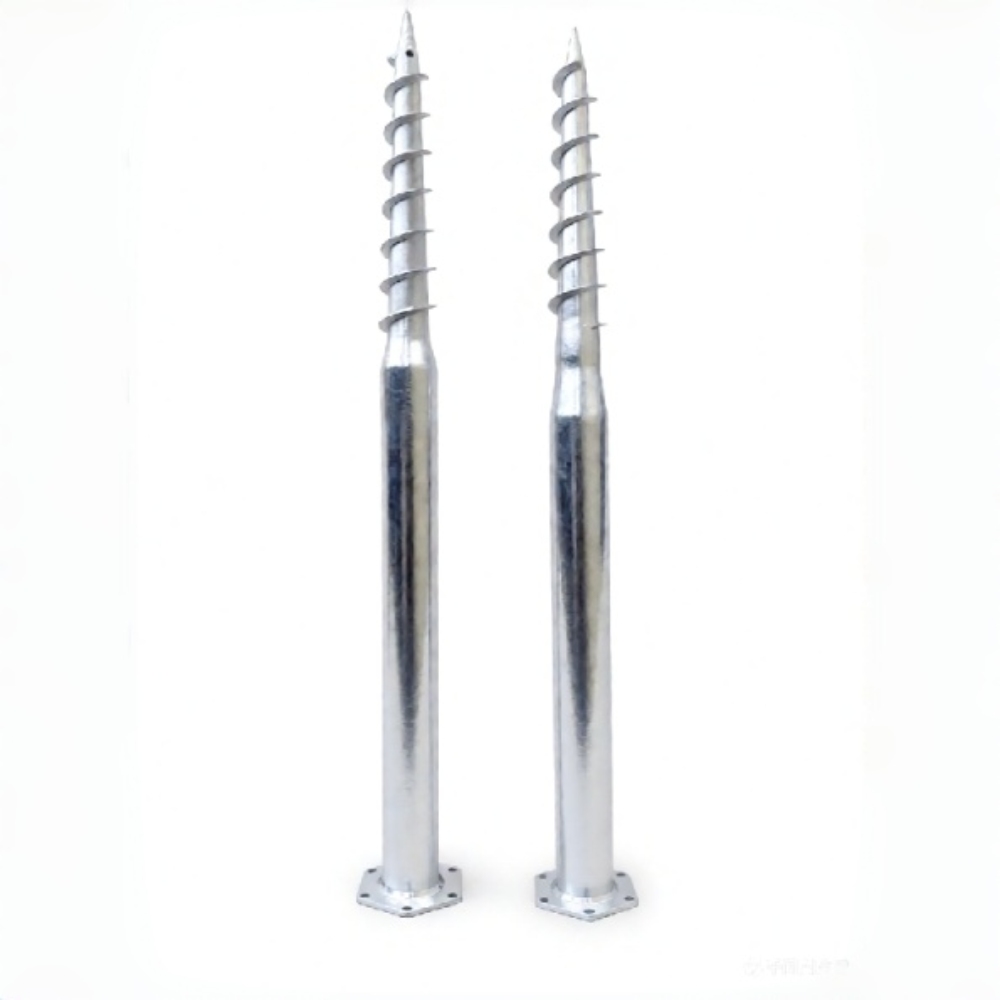
Ground anchors quickly turn into the top pick for urban landscaping work. Several clear benefits drive this shift. Rapid installation stands out first. Ground screws and screw tent pegs go in within hours rather than days. No curing time for concrete is needed. Minimal environmental impact comes next. The process skips heavy soil removal and keeps plants in place. It also cuts noise and dust levels. Versatility adds another edge. These anchors work well across many soil types, on slopes, and in crowded city spots.
How Can Ground Anchors Improve Project Efficiency?
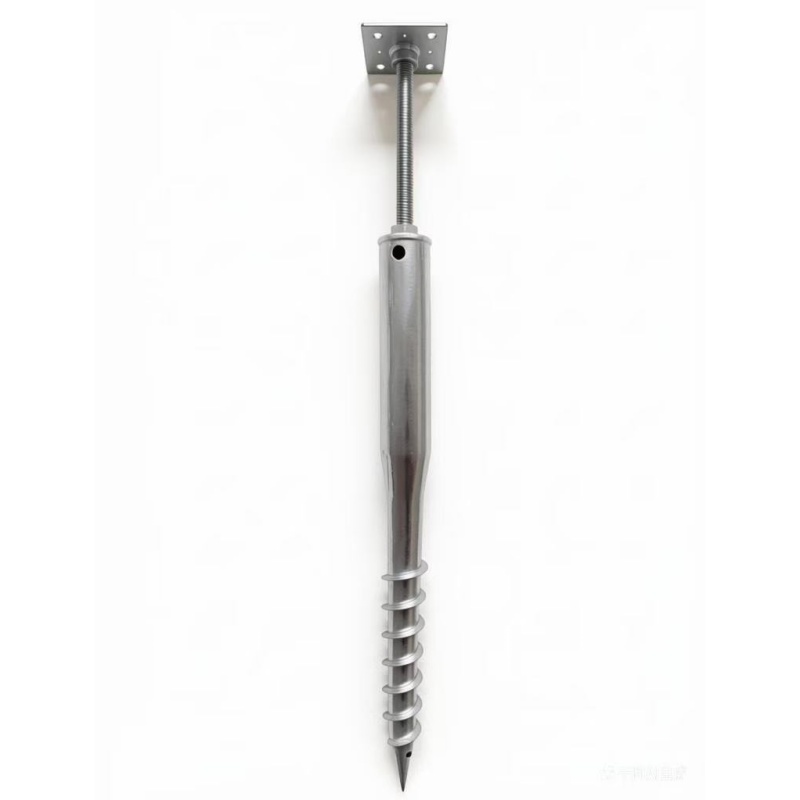
Ground anchors boost efficiency across many project stages. Immediate load-bearing capacity lets teams place weight on structures right after setup. Reduced labor and equipment needs follow closely. Only basic tools or small powered devices handle the work. Flexible use for modular structures comes last. Garden rooms, polytunnels, and short-term builds move or shift without trouble. DIY users gain from complete kits. These kits include hot-dip galvanized screws, brackets, and clear guides. They allow safe and fast work without calling in experts. STRZ’s post anchor systems show strong quality in ground screw anchors. They fit both pro and home projects well.
What Are the Common Applications of Ground Anchors in Urban Settings?
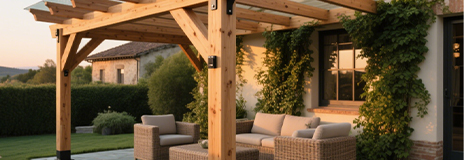
Ground anchors meet many needs in city landscaping areas. Residential spots use them for decks, pergolas, fences, and raised beds. Commercial sites apply them to signs, benches, and garden buildings. Public infrastructure relies on them for EV stations, light poles, and road markers. Temporary events depend on them for tents, stages, and art displays. The adaptable nature of ground anchors, including screw tent pegs and polytunnel screw anchors, fits both fixed and movable uses. This matches well with green city growth plans.
How Do They Compare to Traditional Anchoring Methods?
Ground anchors beat traditional concrete foundations on several important points. Time efficiency ranks high. No drying period means setups often end in hours. Portability and reusability add value. Anchors come out and go back in without soil damage. Reduced environmental impact helps too. Light digging protects local plants and ground layers. Durability rounds out the list. Galvanized coatings fight rust for many years.
|
Feature |
Ground Screws |
Concrete Foundations |
|
Installation Time |
Hours |
Days (curing required) |
|
Environmental Impact |
Low |
High (excavation) |
|
Reusability |
High |
Low |
|
Flexibility |
Adjustable |
Fixed |
These points lead to lower overall costs and better project changes. Ground anchors thus offer a solid choice for city landscapes.
Why Sustainability and Durability Make Them Ideal for Urban Projects
Modern ground anchors rely on advanced coatings. These treatments support long-term strength. Corrosion resistance stands out. Salt spray tests over 400 hours prove they hold up in tough weather. Adjustable design helps as well. Nuts and brackets stay smooth even after repeated shifts. Eco-friendly construction supports green goals. Little soil change and reuse options aid sustainable landscaping work. Uses range from G Ground Screw solar panel mounts and decks to polytunnels and city builds.They show both toughness and care for the environment.
Conclusion
Ground anchors, particularly ground screw anchors, screw tent pegs, and polytunnel screw anchors, are now changing urban landscaping in big ways. They deliver fast setup, nature-friendly traits, easy adaptation, and solid strength. STRZ’s innovative outdoor ground anchors combine good engineering with real-world use. They help planners, builders, and home users create efficient and lasting projects.
FAQ
Q: What makes STRZ ground screw anchors different from traditional concrete foundations?
STRZ ground screw anchors support the weight right after placement. They need only light digging and allow reuse or moving. Fixed concrete bases lack these options.
Q: Can screw tent pegs be used for both temporary and permanent structures?
Screw tent pegs give a good hold for short-term items like tents. With correct placement, they also secure light permanent builds without issue.
Q: How long do polytunnel screw anchors last in outdoor conditions?
Polytunnel screw anchors with hot-dip or penetration galvanizing resist rust for over ten years. They handle many weather types and stay reliable for extended use.
Q: Are STRZ ground anchors suitable for sloped or uneven terrain?
STRZ ground screw anchors and post anchors adjust to slopes and uneven ground. They create steady bases without extra digging or leveling work.
Q: What support is available for installing outdoor ground anchors?
STRZ supplies full installation guides, videos, and expert help. For larger jobs, on-site training sessions can be set up to ensure correct and safe use.
Related news
-
Why Custom Hinge Fabrication is the Secret to Restoring Antique Wooden Doors?
-
The Role of a Timber Connector in Enhancing Load-Bearing Capacity timber connector
-
How to Choose Modern Cabinet Hinges for Your Kitchen Remodel
-
Optimizing Timber Engineering Projects with Specialized Wood Connector Types
-
How to Select the Right Commercial Door Hinge Types for High-Traffic Entrances?
 Consult
 Whatsapp
 Leave Message
 top
top