




Optimizing Timber Engineering Projects with Specialized Wood Connector Types
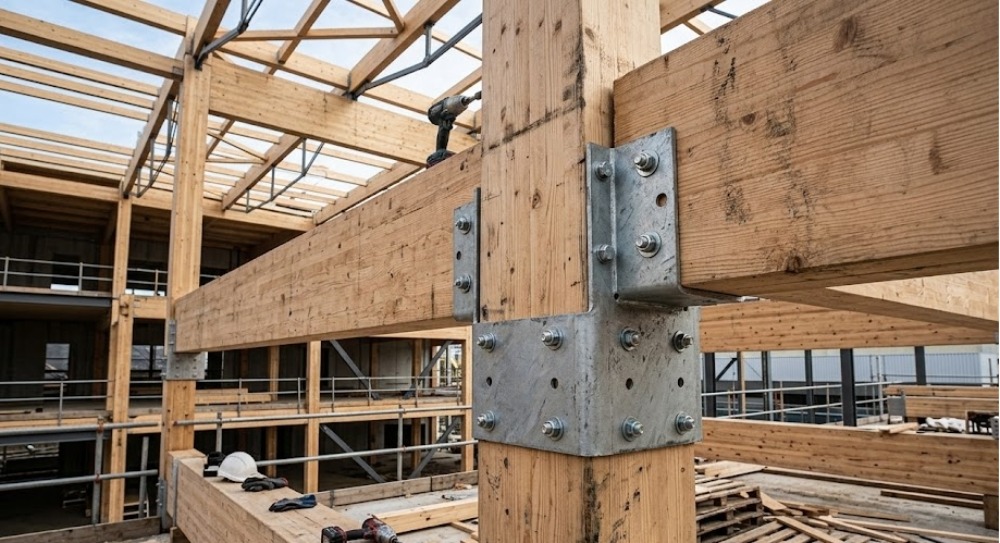
In the steadily advancing area of eco-friendly timber engineering, building strength relies on detailed design work. It also depends on picking reliable hardware wisely. Mass timber efforts are growing more detailed. They shift from upscale tall buildings to broad business facilities. Because of this, the call for sturdy wood connector types has climbed to a record level in the sector.
Effective engineering goes past simple joining. It calls for a solid knowledge of how forces spread, how items hold up against surroundings, and sticking to international construction guidelines. When builders include carefully crafted types of wood connectors, they reach a good balance of building safety, ongoing toughness, and visual appeal.
Essential Wood Connector Types for Structural Integrity
Today’s timber building employs a varied set of fittings to lock key points where beams, joists, and standing posts connect. These wood connector types often get fabricated from high-tensile steel (such as Q235, or 304 stainless steel. This approach guarantees they meet tough worldwide benchmarks, including ASTM and DIN.
- Joist Hangers:These play a basic role in managing lateral loads in floor and roof systems. They cover the wood tip to offer a strong base hold and block twisting movements.
- Rafter Ties and Beam Hangers:These prove crucial for roof frame setups. Such parts get designed to push back against lifting pulls from strong winds or thick snow piles.
- Angle Brackets and Reinforced Plates:Workers apply these for straight-line joins. These pieces boost side firmness and stop link breaks under sliding pressure.
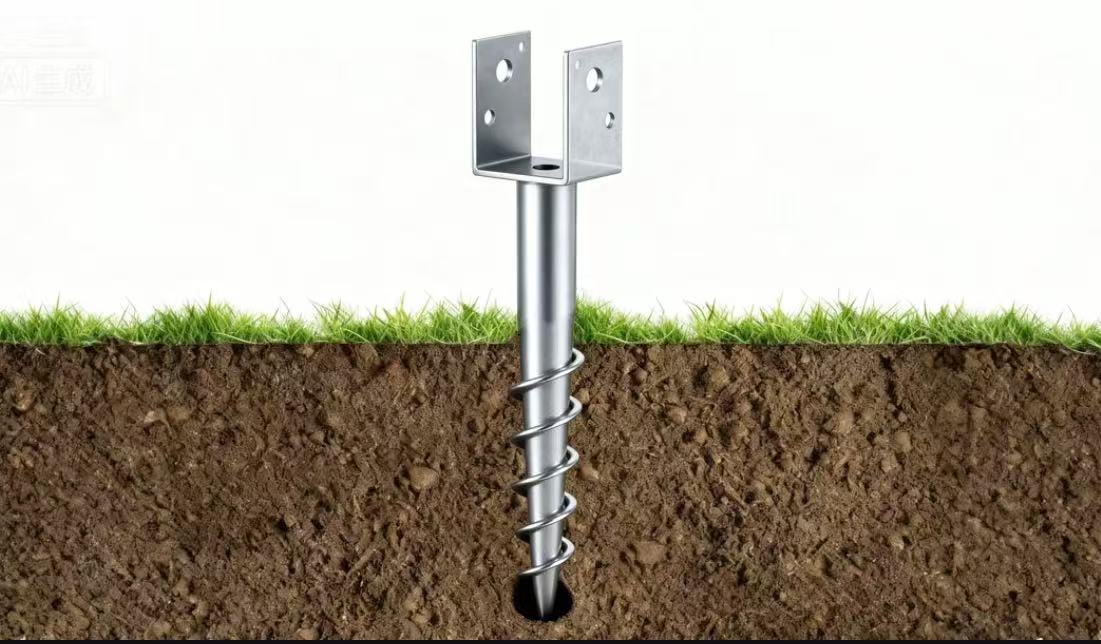
- Post Bases and Anchors:These form the key link between wood posts and concrete footings. They separate the timber from soil wetness to avoid mold issues. At the same time, they keep the overall setup in line.
Careful production defines these items. Fixed pre-made holes, sized between 4.5mm and 6mm, fit powerful wood screws such as M4 or M5. As a result, this setup speeds up fitting and lowers the chances of errors during on-site work.
Why the Choice of Wood Corner Connector Matters in Heavy-Duty Framing
Corner links in a timber setup mark the main spots open to possible build failures. They take on the heaviest turning pulls and side weights. A well-made wood corner connector, along with various wood connector types, serves as a build booster that standard nails fail to match.In spots with much exposure, like lifted platforms, garden covers, or factory holding areas, the wood corner connector has to keep its form under steady strain and changing weather patterns.
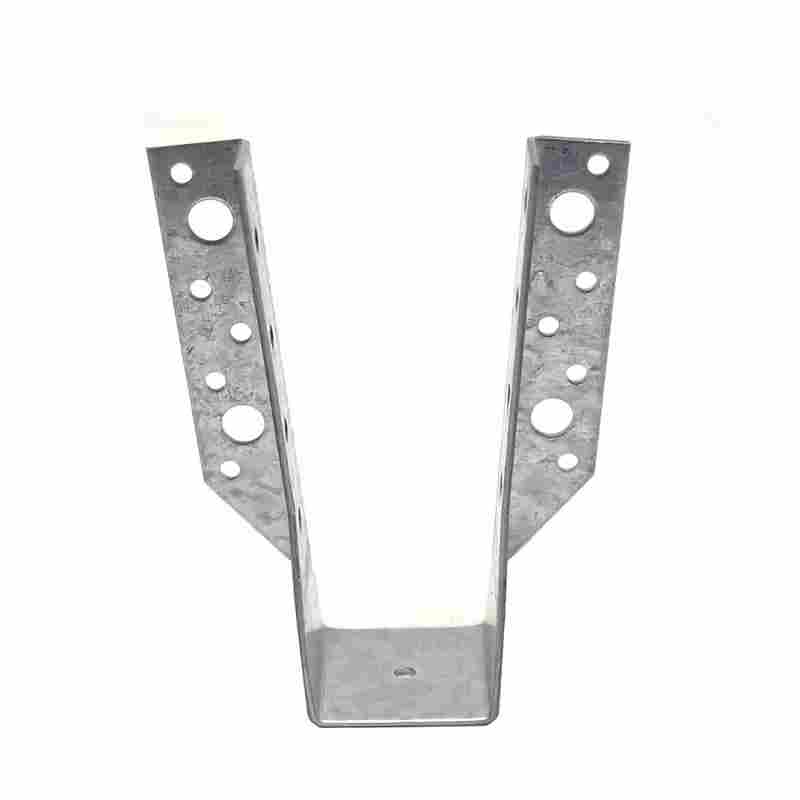
Fitting in a wood corner connector with added supports or greater material depth greatly cuts down the shaking motion in open-air builds. Consider models like the ST74850, for one. It features a neatly formed shape and 3.0mm thickness. Engineers create it to handle tough weight situations without any bending.
Technical Specifications and Material Performance Standards
Picking suitable types of wood connectors involves a fact-based review of material levels, cover amounts, and weight-support limits. This holds true especially in outdoor or damp settings where bare steel faces quick breakdown.
|
Parameter |
Electro-Galvanized (ZP) |
Stainless Steel (304) |
|
Coating Thickness |
8 – 15μm |
Solid Alloy |
|
Corrosion Resistance |
Moderate (Indoor/Dry) |
Superior (Coastal/Chemical) |
|
Service Life (Outdoor) |
Limited |
Maximum Longevity |
|
Temperature Stability |
-40℃ to 80℃ |
High Thermal Stability |
|
Load Capacity |
500N – 5000N |
Model-Specific |
Projects in seaside or harsh chemical regions benefit from STRZ’s improved galvanization choices up to 100μm. Such a boosted guard layer makes certain that flexible types of wood connectors, which include custom nuts and screw-based brackets, endure beyond 400 hours in salt-spray trials. Moreover, their screw features remain fully operational.
How Engineering Standards Reduce Construction Costs and Risks
Following worldwide construction rules acts as a smart outlay for lowering dangers and boosting savings. A wood corner connector or joist hanger built to ASTM guidelines delivers steady results. Consequently, this removes the call for repeated checks right at the location.
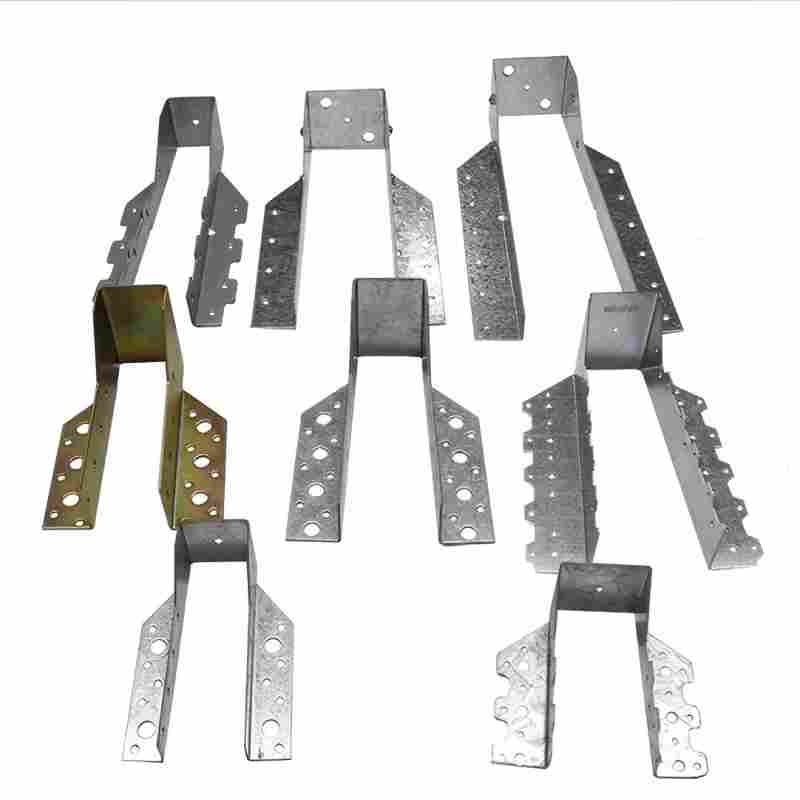
- Accelerated Installation: Galvanised timber connectorsstreamline the process flow.They might cut overall build schedules by as much as 30 percent. This happens by removing the requirement for on-site rust-prevention steps.
- Extended Asset Lifecycle:High-quality coated wood connector types provide an added 10 to 15 years of use over basic joiners. Therefore, this greatly trims down ongoing repair and swap expenses over time.
- Regulatory Compliance:Each group of expert fittings includes material test summaries, such as ASTM D1761. These supply build specialists and site reviewers with solid evidence regarding weight-support ability.
Case Study: STRZ worked closely with a key U.S. housing builder not long ago. They delivered 10,000 units of coated joist hangers for a major neighborhood initiative. The exact build and simple placement enabled the effort to finish two weeks sooner than planned. Plus, it cleared every build review without any issues.
Professional Strategies for Outdoor and High-Load Applications
Open timber setups deal with both force strain and surrounding wear. Bringing in targeted types of wood connectors proves vital for stopping wood cracks and link slack over the years.
- Pre-Drilling Protocols:Dense timber kinds, such as Oak or Birch, demand advanced drilling. This measure avoids lengthwise cracks during the fitting of strong wood connector types.
- Moisture Barrier Integration:Raised post bases form an essential space of air between the wood and the base surface. In turn, this blocks water draw-in and results in decay.
- Coating Restoration:Zinc-packed spray coatings address small scratches from the fitting process. This action preserves the protective metal layer across the full span of the setup’s use.
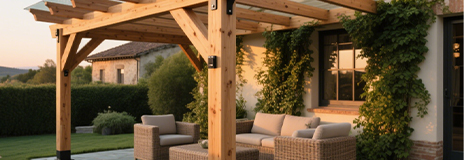
For a new European outdoor design job, STRZ furnished tailored coated connectors for 50 garden shade structures. Following three years under varied weather shifts, build checks found no rust signs, and full joint grip remained. This outcome verifies the strong performance of thick zinc layers.
Conclusion
Raising timber engineering results means seeing hardware as a central building element, not a minor add-on. Through choosing prime wood connector types, experts make certain that all links resist force pressures and surrounding wear.
Moving away from common joiners toward focused types of wood connectors, including the solid options from STRZ, signals a dedication to fine building standards. Be it fixing a wood corner connector in a demanding setup or confirming rust hold in a roof frame, suitable fittings build the groundwork for a secure, eco-conscious, and lasting wood-constructed environment.
FAQ
Q: Are STRZ wood connector types compatible with all timber species?
A: STRZ wood connector types work fine with everyday build timbers, from Pine and Oak to Birch and Cedar. Still, tough hardwoods that score high on Janka tests call for pre-drilling. This practice helps avoid breaks in wood strands when placing types of wood connectors.
Q: Can a STRZ wood corner connector be utilized in coastal environments?
A: Yes, it works well there. STRZ supplies enhanced coating up to 100μm, tailored for salty regions. As such, the wood corner connector stays firm in the build despite ongoing salt mist and damp exposure.
Q: How does the load-bearing capacity of different types of wood connectors vary?
A: The weight-handling limit varies by model. It usually spans 500N to 5000N. Take STRZ joist hangers, for instance. They support 800-1200N, which aligns with safety standards for typical home and business types of wood connectors.
Q: Does using a wood corner connector reduce the need for maintenance?
A: It certainly does. A capable wood corner connector with factory-strength coating can lower upkeep expenses over its life by about 30 percent. STRZ fittings skip the need for added site rust treatments. This, in turn, lengthens the full duration of the wood build.
Q: How is the corrosion resistance of the galvanized wooden connectors?
A: Our connectors are covered with a dense protective layer that effectively resists moisture and chemical erosion, making them suitable for both indoor and outdoor environments. Compared to ordinary uncoated connectors, they have a 10–15 year longer service life in outdoor settings.
Related news
-
How to Select the Right Commercial Door Hinge Types for High-Traffic Entrances?
-
Why Global Builders are Switching to Customized Door Hinges Solutions?
-
Why Ground Screw Anchor Installation is Replacing Traditional Foundations in 2026?
-
How to Install a Ground Anchor for Secure Outdoor Structures
-
Why Your Project Needs High Capacity Door Hinges from a Certified Door Hinges Factory?
 Consult
 Whatsapp
 Leave Message
 top
top